
Some links on this page are affiliate links: if you buy through them we may earn a commission, at no extra cost to you.
Blind dogs can still play, explore, learn, and enjoy walks. The most successful activities shift the emphasis from sight to hearing, smell, touch, and food motivation. Start with easy scent searches, sniff walks, stable snuffle mats, simple treat puzzles, and durable toys that squeak, rattle, or contain a bell. Keep furniture and routines predictable, supervise unfamiliar items, and block hazards such as stairs and pools.
This guide explains which activities suit different dogs, how to introduce them safely, and how to adjust difficulty without creating frustration.
As an Amazon Associate I earn from qualifying purchases.
Free tools Windows power users keep installed
One-click scans. No signup required.
What makes a toy or activity suitable for a blind dog?
A useful enrichment item gives the dog a clear way to find, manipulate, or finish it without relying on vision. The best choice depends on the dog’s hearing, sense of smell, teeth, mobility, confidence, diet, and previous play preferences.
- Sound: Squeakers, rattles, or bells help a dog locate a moving or stationary toy.
- Scent: Food trails, hidden treats, and scent-based searches turn the nose into the main navigation tool.
- Touch: Textured surfaces and familiar shapes make tugging, chewing, and carrying easier to identify.
- Food work: Snuffle mats and dispensing puzzles provide a clear goal and can occupy a dog for longer than a brief toss-and-fetch game.
- Human guidance: Voice and tactile cues replace visual signals during training and play.
Blindness does not automatically remove a dog’s interest in play. A dog that once chased a ball may still enjoy locating it by sound; a dog that never liked fetch may prefer scent work or food puzzles. Let the dog’s response guide the choice rather than assuming every blind dog wants the same activity.
Popular on Amazon
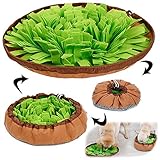
- ★ Dog Training Toys: It is a unique dog training mat that allows your dog to find snacks or small toys hidden in the mat. It helps to train your dog's smell, consume your dog's energy and lose weight. Keep your dog occupied and avoid your dog being bored and engaged in destructive behavior.
- ★ Non-slip & Large & Portable: The bottom is a non-slip cloth that effectively holds the mat and prevents the dog from moving the mat. The design is small and can be shrunk into a small storage bag. It can also be hung or set aside when not in use. Suitable for traveling.
- ★ Dual-use Design: The feeding mat can be folded into a bowl. Stick to the good habits of your dog or use it as an olfactory pad.
- ★ Easy to clean: The main fabric of the scent pad is felt cloth, environmentally friendly and easy to clean. It is suggested that washed by hand.
- ★ Guarantee: If you are not satisfied with our dog feeding snuffle mat, please feel free to contact us.
Quick comparison of enrichment options
| Activity or toy | Main sensory channel | Best starting version | What to watch |
|---|---|---|---|
| Scent search | Smell and food | Visible or lightly hidden portions of the normal meal in one safe room | Keep the search area free of hazards; increase distance only after repeated success |
| Sniff walk | Smell and touch through the feet | Slow, short walk on secure footing and a leash | Avoid sudden obstacles, traffic, and unsecured outdoor areas |
| Snuffle mat | Smell, touch, and food | Stable, washable mat with food placed loosely on top | Use a size-appropriate mat; supervise until you know the dog will not chew or swallow pieces |
| Treat-dispensing puzzle | Smell, touch, and problem-solving | Easy opening with part of the daily ration inside | Choose a durable design that cannot be swallowed and separate pets if guarding occurs |
| Squeaky, rattling, or bell toy | Hearing and touch | Roll a durable toy a short distance instead of throwing it | Inspect seams and remove the toy if it sheds stuffing or small parts |
| Familiar tug or chew | Touch, mouth, and social interaction | Use a known textured toy with a consistent start and release cue | Stop if teeth, gums, or mobility make the activity uncomfortable |
| Training games | Hearing, touch, and food | One cue at a time, followed immediately by a reward | Announce yourself before touching the dog so it is not startled |
Scent games and sniff walks
Scent work is often the easiest enrichment to adapt because the dog does not need to see the target. Cornell, the ASPCA, and the AKC all describe nose-based games as useful outlets for blind dogs. Begin with a search the dog can solve quickly, then add distance or complexity in small increments.
Indoor “find it” game
- Choose a quiet, familiar room and remove objects the dog could trip over or chew.
- Use small pieces of the dog’s normal meal or treats that fit its diet. Let the dog smell one piece from your hand.
- Place the piece on the floor a short distance away while the dog is listening. At first, leave it fully exposed.
- Give a consistent verbal cue such as “find it,” then allow the dog to follow the scent.
- Praise calmly when the dog locates and eats the food. Repeat several times while success is easy.
- Only after the dog is reliably successful, place food beside a chair leg, under the edge of a towel, or in another simple location. Do not hide food where the dog must climb, squeeze, or move unstable objects.
If the dog circles, freezes, or abandons the search, make the next round easier. A short successful session is more enriching than a long session that produces frustration.
The Tool Desk
Outbyte Driver Updater FREEScan for outdated or missing drivers - takes under a minuteDriver Scan →Outbyte PC Repair FREEClear out junk files and repair common Windows errorsFree Scan →Scent trails
Drag a food-scented cloth or place tiny food pieces at short intervals along a clear floor path. Keep the trail straight and brief at first. As the dog learns to follow it, add a gentle turn or increase the spacing between pieces. End with a larger reward so the trail has a clear finish.
Sniff walks
On a leash, allow the dog to investigate smells at its own pace rather than marching a fixed distance. Choose secure footing and routes with predictable surfaces. Tell the dog before changing direction, stepping off a curb, or passing close to an obstacle. Sniffing itself is the enrichment; the walk does not need to be fast or long to be worthwhile.
Snuffle mats and treat puzzles
Snuffle mats and food puzzles combine smell, touch, and problem-solving. They are especially useful when outdoor conditions are poor or when a dog needs a calm indoor activity.
How to introduce a snuffle mat
- Place the mat on a non-slip surface in the dog’s familiar home area.
- Use part of the dog’s regular meal rather than adding unrestricted extra calories.
- Scatter food loosely across the top so the dog can smell and reach it immediately.
- Let the dog work without hovering or repeatedly moving the mat.
- When the dog understands the activity, tuck a few pieces slightly deeper into the fabric.
- Wash the mat according to its care instructions and inspect it for loose fibers or damaged backing before each use.
A washable, stable mat is preferable to one that slides around the room. Stop the session if the dog begins pulling off fabric, chewing the mat, or becoming distressed.
PC Slower Than It Used to Be?
A free scan shows the junk files, broken settings and background clutter dragging Windows down - then fixes them in one click.Free scan · Windows 10 & 11Crashes, No Sound, or Screen Glitches?
Random freezes, missing sound and display glitches usually trace back to one bad driver. Find and replace yours safely.Free scan · under a minuteAlso popular on Amazon

- Mental Stimulation & Enrichment: Keeps dogs engaged and mentally active, encouraging natural foraging instincts and reducing boredom and destructive behaviors by hiding treats for your pup to sniff out
- Slow Feeding & Better Digestion: Promotes healthy eating habits with a textured design that slows down fast eaters, preventing bloating and improving digestion for dogs that gobble their food too quickly
- Durable & Easy to Clean: Built to last with high quality materials, this snuffle mat is machine washable or hand-washable for hassle-free cleaning, ensuring long-lasting use
- Stress & Anxiety Relief: Calms anxious dogs by providing a soothing activity where sniffing and searching for treats releases endorphins, offering a relaxing experience for your pet
- Non-Slip & Portable Design: Non-slip backing keeps the mat firmly in place even during excited foraging, lightweight and foldable at 19.7 x 19.7 inches for indoor use, lawns, parks, and travel
Choosing a treat-dispensing puzzle
Start with a puzzle that releases food through a simple action, such as nudging or rolling. The opening should be easy for the dog to find by touch and smell. A durable, size-appropriate design should not break into pieces that can be swallowed. Veterinary guidance recommends supervising the introduction of new food toys until you know how the dog interacts with them.
Increase difficulty one change at a time: use a smaller opening, add a lid, or place the toy in a slightly larger clear area. Do not make several changes simultaneously. If the dog cannot obtain any food after repeated attempts, return to the previous level.
Food management and household harmony
Measure puzzle food from the dog’s daily ration so enrichment does not unintentionally cause weight gain. If more than one pet is present, give food toys in separate spaces when there is any sign of guarding, rushing, or conflict. Persistent guarding or aggression warrants help from a veterinarian or qualified veterinary behavior professional.
Sound-locatable toys
Durable balls, plush toys, and other objects that squeak, rattle, or contain a bell can give a blind dog an audible target. Veterinary and canine organizations commonly recommend noise-making toys because the dog can locate them without seeing where they land.
What’s actually slowing this PC down?
Pick the symptom - the matching free tool is one click away.
Roll instead of throw
Throwing a toy can send a blind dog toward furniture, walls, steps, or another pet. Rolling the toy a short distance across a clear floor produces sound while reducing the speed and height of the chase. Say the dog’s name or the play cue before rolling so it knows to listen for the toy.
Inspect every sound toy
- Check seams, stitching, squeakers, bells, and handles before the first use.
- Choose a size that cannot fit entirely in the dog’s mouth.
- Remove the toy if stuffing, plastic, foam, or bell parts begin to come loose.
- Supervise dogs that shred plush toys or chew through rubber.
- Keep sound toys away from sleeping areas if repeated noise disrupts rest.
Some dogs find loud squeaks startling. If the dog flinches, avoids the toy, or shows stress, try a softer rattle, a quiet textured toy, or scent work instead.
Also popular on Amazon
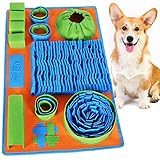
- SUITABLE FOR SMALL AND MEDIUM DOGS, CATS - The size of this snuffle mat is 26 x 16.5 inches, which is perfect for small dogs, medium dogs, cats and rabbits. It makes a wonderful gift for pet owners! NOT recommended for extra large and aggressive chewers dogs who could tear it up
- INTERACTIVE ACTIVITY MAT- If your dog always eat too fast, we recommend you try our enrichment training feeding mat. Dog snuffle mat simulate an environment for your dog to forage naturally, effectively slow down eating and prevent digestive problems
- 8 DIFFERENT PLACES TO HIDE TREATS - This sniff mat for dogs contains 8 different places to hide food or treats, increase the fun, challenge and training intensity of foraging. It allows you to enjoy the happy time of interacting with your dogs and avoid your dog destroys the furniture due to boredom
- SAFETY MATERIALS - The main material of the foraging mat is felt cloth, which is safety but not chewproof. When you receive this felt snuffle mat, machine wash it once to make the shape as good as the picture
- WASHABLE AND PORTABLE DESIGN - Easy to clean, hand wash and machine wash available. Two additional elastic straps can be fastened and easily wrapped around for storage
Familiar tug and chew play
If a dog already enjoys tug or chewing, blindness does not require you to remove the activity. Use a textured, durable toy and predictable verbal cues such as “take,” “tug,” and “drop.” Keep the game close to the dog’s body and avoid sudden upward pulls that could affect balance.
Introduce a new toy while the dog is calm. Let it smell the object before you touch its mouth or collar. A consistent release cue helps prevent confusion, and a food reward can reinforce letting go. Stop if the dog shows mouth pain, fatigue, coughing, slipping, or difficulty orienting after the game.
Do these 3 things before closing this tab:
1Repair Windows errors before they cause bigger problems2Fix the driver behind crashes, sound loss and screen glitches3Clear out junk files and repair common Windows errorsPositive-reinforcement training for confidence and navigation
Training gives a blind dog information about the environment and a reliable way to earn rewards. Use one spoken cue or tactile signal at a time, reward promptly, and keep sessions short.
Useful safety cues
- “Wait”: Pause before a doorway, curb, narrow passage, or change in surface.
- “Step up” and “step down”: Prepare the dog for a change in height.
- “Careful” or another obstacle cue: Signal that the dog should slow down and seek guidance.
- Name cue: Orient the dog toward you before you give another instruction.
Pair each cue with food or a calm touch while teaching it. Never assume the dog understands a cue simply because it performed it once in a familiar room; practice in each new setting with the difficulty reduced.
Announce your presence
Speak before touching or picking up a blind dog. A gentle greeting prevents the startle that can occur when a hand appears without warning. Household members and visitors should use the same approach, especially when the dog is sleeping, eating, or resting in its home base.
Making the home safe for play
A predictable environment is part of enrichment. Keep beds, bowls, toys, and furniture in stable locations so the dog can build a mental map. Rearranging rooms without helping the dog relearn the route can turn an enjoyable activity into a collision risk.
Also popular on Amazon

- TRAIN YOUR DOG’S SMELL TO HUNT: Boost your pet’s mental stimulation with a snuffle mat! Perfect enrichment toys for dogs and cats, hiding treats in messy grass for fun, scent-focused play.
- DIGESTION & MENTAL HEALTH IMPROVEMENT: The dog snuffle mat acts as a puzzle feeder dog, slowing eating and boosting digestion. These mentally stimulating toys for dogs aid in weight loss and reduce anxiety.
- SNUFFLE MAT AND FEEDING BOWL: This food puzzle for dogs doubles as a sniff mat for dogs and a feeding bowl. With size-adjustable PP belt, it's a convenient, stimulating dog toy for mental stimulation and puppy enrichment.
- ECO-FRIENDLY & WASHABLE MATERIAL: Made from eco-friendly, anti-pilling polar fleece, this dog food puzzle is machine or hand washable. It's a durable addition to dog brain stimulation toys and perfect for pet enrichment.
- NON-SLIP & PORTABLE DESIGN: This dog puzzle toy features a non-slip base and a portable, shrinkable design. Ideal as puppy puzzle toys and dog stimulation toys to keep your pet engaged.
Block major hazards
- Use gates at the top and bottom of stairs.
- Prevent access to pools, ponds, open decks, and other drop-offs unless the area is fully secured.
- Keep cords, sharp objects, unstable furniture, and small swallowable items out of play areas.
- Use non-slip runners or mats where floors are slick.
- Provide a consistent resting area that the dog can reach without crossing a busy path.
Outdoor activity should take place on a leash or in a securely fenced area. Even a dog that navigates the house well can become disoriented by unfamiliar smells, traffic, open gates, or uneven ground.
Optional collision protection
The AKC names Muffin’s Halo as a collision-prevention aid for some blind dogs. Fit and veterinary suitability should be checked before use. Any device must allow normal breathing, eating, drinking, resting, and movement; introduce it gradually with rewards rather than putting it on for the first time during a stressful outing.
How to introduce any new toy or activity
- Prepare the space: Clear obstacles, secure loose rugs, and keep other pets away if they may interfere.
- Present the item by scent and voice: Let the dog investigate before you move it or touch its face.
- Demonstrate the easiest action: Put food on top of a mat, roll a sound toy a short distance, or offer one end of a tug toy.
- Reward investigation: Praise sniffing, touching, or approaching, even if the dog does not complete the activity.
- Stop while the dog is comfortable: End after a few successful repetitions rather than waiting for fatigue or frustration.
- Inspect and store: Clean food toys, check for damage, and return the item to a predictable location.
Introduce only one major change at a time. That makes it easier to tell whether the activity is enjoyable, confusing, physically difficult, or unsafe.
Independent reader supportYour contribution helps us test, update, and keep practical guides available for everyone.Adjusting difficulty without frustration
Use the dog’s behavior as the progress measure. Increase one variable—distance, hiding depth, puzzle complexity, duration, or environmental distraction—only when the dog succeeds comfortably at the current level.
- Signs the level is appropriate: relaxed body, active sniffing, steady problem-solving, and willingness to try again.
- Signs it is too hard: repeated circling, pawing without progress, vocalizing, abandoning the item, or seeking help immediately.
- Signs to stop: panic, repeated collisions, slipping, heavy fatigue, guarding, or chewing the equipment.
When a session goes poorly, return to the last version the dog completed and shorten it. Success restores confidence faster than adding more encouragement to an impossible task.
A practical enrichment routine
A varied routine can include several short activities rather than one demanding session. The exact schedule should match the dog’s age, health, mobility, and appetite.
Also popular on Amazon

- Engaging Dog Sniffing Mat Design: the dog activity mat features a variety of puzzles and different fabric textures, making the foraging process exciting for your furry friend, and keeping them busy
- Various Levels of Dog Enrichment and Mental stimulation: The dog foraging mat provides a range of puzzles with different levels of difficulty, suitable for dogs of various dog games experience
- Slows Down Fast Eating to Avoid Digestion Problems: Our dog sniffing mat encourages fast eaters to use their sense of smell, reduce anxiety and burn energy. No small plastic details
- Wider Dog Puzzle Sizes: This dog digging toy fits most dog muzzles. The dog treat mat is 39.4''x23.6'', has a non-slip bottom. It is made of soft material for pet comfort and safety. Machine washable
- Reduces Destructive and Anxious Behavior: Fights boredom by training your dog's brain, keeping them busy from exhibiting behaviors like chewing, digging, and excessive barking
| Part of the day | Example | Adaptation |
|---|---|---|
| Morning | Slow sniff walk on leash | Use a familiar route and announce curbs or direction changes |
| Meal time | Portion of the meal in a snuffle mat or easy puzzle | Keep the mat stable and supervise the first uses |
| Afternoon | Three- to five-minute scent search indoors | Begin with exposed food and a clear floor path |
| Evening | Familiar tug, chew, or a softly rattling toy | Use close, predictable movements and a release cue |
| Throughout the day | Short training repetitions | Practice “wait,” “step up,” and “step down” with immediate rewards |
This is a menu, not a requirement to complete every activity daily. A dog may prefer two scent searches to a noisy toy, while another may need gentle physical play to stay engaged.
Troubleshooting common problems
“My dog ignores every toy.”
Start with food or a familiar scent rather than a new object. Offer the activity in a quiet room and reward investigation. Some dogs prefer sniff walks and training to object play; enrichment is successful when it meets the dog’s needs, not when it looks like conventional fetch.
“My dog cannot find the hidden food.”
Make the food fully visible by smell and sound: place it on an open floor area, reduce the search distance, and use fewer distractions. Add only one hiding feature after the dog has several easy successes.
“The puzzle makes my dog frustrated.”
Use a simpler opening, loosen the food placement, and demonstrate the first successful movement. If frustration persists, switch to a snuffle mat or an uncomplicated scatter search.
“My dog bumps into things during play.”
Stop moving games, clear the route, and use rolling rather than throwing. Recheck the placement of furniture and gates. Practice navigation cues at walking speed before resuming play.
“My dog startles when touched.”
Speak before approaching, allow the dog to orient toward you, and pair gentle contact with food. Ask visitors to follow the same routine. Never wake or grab a sleeping blind dog without first using your voice.
“My dog guards food toys.”
Give the toy in a separate area and prevent other pets or people from approaching while the dog works. Do not take the toy by force. For lunging, snapping, bites, or escalating guarding, seek veterinary behavior assistance.
How to choose between products
When comparing two toys or enrichment tools, evaluate the same factors rather than choosing by appearance alone:
- Sensory match: Is the dog motivated by sound, scent, touch, food, or a combination?
- Difficulty: Can the challenge be made easier or harder without replacing the item?
- Durability and swallow risk: Are the materials appropriate for the dog’s size and chewing style?
- Cleaning: Can food residue be removed completely?
- Stability: Will the item stay in place, or will it slide into walls and furniture?
- Supervision: Does the dog need continuous monitoring during use?
- Physical compatibility: Can the dog grip, push, chew, or carry it comfortably?
- Dietary compatibility: Can the food used be taken from the dog’s normal ration?
- Preference: Does the dog choose to engage, relax, and try again?
Replace any damaged item immediately. A toy that was safe when new can become a choking or obstruction hazard after seams split, squeakers loosen, or pieces break away.





Leave a Reply