
What’s actually slowing this PC down?
Pick the symptom - the matching free tool is one click away.
There is no single best urinary tract cat food for every cat. The right choice depends on what is causing the signs—such as feline idiopathic cystitis, struvite stones, calcium oxalate stones, or a urethral obstruction—and on your cat’s other medical needs. A veterinarian should examine a cat with urinary symptoms before you start a therapeutic diet.
If your cat is repeatedly straining and producing little or no urine, treat it as an emergency. A blocked urethra can become fatal quickly and requires immediate veterinary treatment, not a food trial.
As an Amazon Associate I earn from qualifying purchases.
What “urinary” symptoms can mean
Lower urinary tract disease is a group of problems, not one diagnosis. Cornell’s Feline Health Center lists painful or difficult urination, frequent trips to the litter box, vocalizing while urinating, blood in the urine, urinating outside the box, and repeated genital licking among the signs owners may notice. The same signs can arise from different conditions, so a food marketed for “urinary health” cannot identify or treat the cause by itself.
Recommended Free Tools
A cat may visit the litter box repeatedly because the bladder is inflamed, because crystals or a stone are irritating the urinary tract, or because urine flow is becoming obstructed. House-soiling can therefore be a medical warning rather than a behavior problem. Note changes in frequency, posture, vocalization, urine volume, color, and litter-box habits for the veterinary visit.
#1 Best Overall

- Urinary Tract Health: IAMS Proactive Health Hairball & Urinary Tract Health dry cat food features clinically proven technology to promote urinary health in 10 days
- Cat Dry Food Reduces Hairballs: This cat food dry recipe includes a unique fiber blend clinically proven to reduce hairballs
- #1 Ingredient Is Real Chicken: IAMS Proactive Health Hairball & Urinary Tract Health cat food is made with real chicken as the #1 ingredient
- Quality Recipe: This recipe provides 100% complete and balanced nutrition for adult cats, delivering the nutrition they need
- Supports A Healthy Heart: IAMS Proactive Health Hairball & Urinary Tract Health dry cat food is crafted with essential nutrients including calcium and potassium to help nourish a healthy heart
Signs that need urgent attention
- Repeated straining with only drops or no urine
- Increasing distress, crying, restlessness, weakness, vomiting, or collapse
- A male cat making frequent unsuccessful attempts to urinate
Urethral obstruction is an absolute emergency. Call a veterinary hospital and go in immediately if you suspect a blockage. Do not wait to see whether changing food helps. A cat that is still passing some urine can also worsen, so repeated straining deserves immediate professional advice rather than home monitoring alone.
Signs that still warrant a prompt appointment
Blood in the urine, painful urination, frequent small urinations, accidents outside the box, or persistent licking should be evaluated even when urine is still passing. Diagnosis may require a physical examination, urinalysis, urine culture, imaging, blood tests, or a combination of these. Bring the name of every food, treat, supplement, and medication your cat receives, along with any history of stones or previous blockage.
Why the diagnosis determines the diet
Veterinary dietary therapy is specific to the suspected problem and the treatment goal. A formula suitable for dissolving one type of stone may be inappropriate for another condition, and a diet chosen without a diagnosis can delay effective care. “Urinary” on a package is an indication to ask questions, not proof that the food is a treatment for your cat.
Feline idiopathic cystitis
Feline idiopathic cystitis (FIC) is diagnosed when evaluation does not identify another cause for the bladder signs. UC Davis notes that stressful events can worsen FIC and recommends an individualized plan that may include environmental enrichment; diet or medication is sometimes indicated. Food can be one part of management, but it is not a substitute for investigating stones, infection, or obstruction.
Because FIC is a diagnosis made after other causes are considered, a previous episode does not automatically explain every new episode. A cat with a familiar-looking flare may still need another examination, particularly if the urine amount changes, pain increases, or the cat becomes quiet or stops eating. Ask the veterinarian which signs should trigger a same-day call and which follow-up tests are planned.
Struvite stones or crystals
For suitable struvite stones, a veterinarian may prescribe a therapeutic dissolution diet. The goal is to change urine conditions so the stone can dissolve while the cat is monitored. The diagnosis, stone characteristics, kidney function, hydration status, and the cat’s ability to eat the prescribed food all matter.
A dissolution plan is not simply a recommendation to buy any food with a urinary claim. The clinic may want follow-up urine testing or imaging to check progress and to decide when dissolution is complete or the plan needs adjustment. If your cat will not eat the prescribed food, contact the veterinary team promptly instead of substituting an unapproved product.
Rank #2
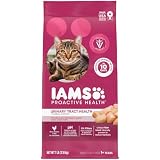
- Urinary Tract Health: IAMS Proactive Health Hairball & Urinary Tract Health dry cat food features clinically proven technology to promote urinary health in 10 days
- Cat Dry Food Reduces Hairballs: This cat food dry recipe includes a unique fiber blend clinically proven to reduce hairballs
- #1 Ingredient Is Real Chicken: IAMS Proactive Health Hairball & Urinary Tract Health cat food is made with real chicken as the #1 ingredient
- Quality Recipe: This recipe provides 100% complete and balanced nutrition for adult cats, delivering the nutrition they need
- Supports A Healthy Heart: IAMS Proactive Health Hairball & Urinary Tract Health dry cat food is crafted with essential nutrients including calcium and potassium to help nourish a healthy heart
Calcium oxalate stones
Calcium oxalate stones cannot be dissolved with a special diet. They may require a different intervention, such as removal or another veterinary treatment, followed by an individualized prevention plan. A “urinary” label does not make a calcium oxalate stone disappear.
Cats that have had stones can face recurrence, so prevention should be based on the stone type, the cat’s other diseases, and follow-up findings. Ask whether the veterinarian has identified the stone composition or is working from imaging and urine results alone; those are not interchangeable conclusions.
Urethral obstruction
Obstruction requires immediate veterinary treatment to restore urine flow and correct dangerous fluid and electrolyte changes. Food selection comes after stabilization and diagnosis. A therapeutic diet may be discussed at discharge, but it cannot safely replace emergency care, catheterization, monitoring, or other treatment the hospital considers necessary.
How a veterinarian identifies the problem
Before comparing cans, pouches, or kibble, ask the veterinarian what condition is being treated and how success will be measured. A typical evaluation may include the following:
- History and physical examination: Note when signs began, how often your cat urinates, prior stones or blockages, current food, water intake, medications, and other diseases. Mention changes in household routine or stress that might be relevant to FIC.
- Urinalysis: The veterinarian examines urine concentration, blood, inflammatory cells, crystals, and other clues. A single sample does not always explain every case, and crystal findings alone do not establish that a particular diet is appropriate.
- Additional testing when indicated: Imaging can look for stones; blood work assesses kidney function and systemic effects; a culture may be used when infection is a concern. The clinician decides which combination is warranted.
- Define the treatment goal: The plan may be stone dissolution, prevention of recurrence, pain and inflammation control, hydration support, stress reduction, or emergency relief of obstruction. Different goals can call for different feeding instructions.
- Set a recheck schedule: Therapeutic diets should be reassessed with the cat’s signs, urine findings, weight, appetite, and any imaging results—not continued indefinitely without review.
Ask for the working diagnosis in plain language and write down the exact name of the diet, the allowed treats, how much to offer, and what to do if appetite falls. Clarify whether the food is intended as the sole diet or as one component of a broader plan. These details prevent well-intentioned household changes from undermining the treatment target.
How to compare urinary cat foods
Use the following criteria rather than an unsupported universal ranking.
| Comparison point | What to ask | Why it matters |
|---|---|---|
| Indication | Is the food intended for a diagnosed stone type, a documented urinary condition, or only general wellness? | Therapeutic diets are formulated for particular clinical goals; a general-market claim does not establish treatment suitability. |
| Stone type | Is the cat being treated for struvite, calcium oxalate, another stone, or no confirmed stone? | Struvite may sometimes be dissolved with a veterinary diet. Calcium oxalate cannot be dissolved by diet alone. |
| Format and moisture | Will the cat reliably eat the wet or dry form, and can the household feed it consistently? | Wet food supplies more dietary water, but acceptance and complete nutrition still matter. |
| Other medical needs | Does the cat have kidney, heart, gastrointestinal, diabetic, weight, or medication-related considerations? | UC Davis emphasizes that treatment depends on the cause and other diseases. One urinary formula cannot suit every patient. |
| Evidence and date | Is the information from veterinary guidance, a current label, or a manufacturer claim? | Older references may identify a product without proving its current formula, availability, or suitability for your cat. |
Prescription therapeutic food versus general urinary food
A veterinarian may use a therapeutic diet when the diagnosis and treatment goal support it. By contrast, an ordinary food that uses “urinary” or “bladder” language may be intended for general wellness and may not have the same clinical purpose. Read the complete current label and ask the veterinarian whether the product is appropriate, rather than assuming two packages with similar wording are interchangeable.
Rank #3

- Purina ONE +Plus Urinary Tract Health cat food made with real chicken to help provide the protein she needs for strong muscles, including a healthy heart
- Urinary care cat food provides low magnesium and supports urinary tract health by reducing urinary pH
- Easily digestible SmartBlend of high-quality ingredients in Purina ONE urinary tract cat food includes four antioxidant sources for a strong immune system
- Deliciously crunchy cat food bites deliver great taste with no artificial flavors or colors
- Urinary health cat food crafted in Purina-owned, U.S. facilities
Do not compare foods only by a single ingredient or a dramatic marketing promise. The relevant questions are whether the diet fits the diagnosed condition, whether your cat will eat enough of it, whether it is nutritionally appropriate for the rest of the patient, and how the clinic will monitor the result.
Do these 3 things before closing this tab:
1Fix the driver behind crashes, sound loss and screen glitches2Clear out junk files and repair common Windows errors3Scan for outdated or missing drivers - takes under a minuteWet versus dry food for urinary management
Water intake is a central part of urinary care. Cornell states that typical wet cat food contains about 70–80% water, so a cat eating wet food usually receives more water with each meal than a cat eating dry food. Cornell also advises keeping clean, fresh water available. Richard Goldstein, DVM, of Cornell’s College of Veterinary Medicine, puts the practical point plainly: “Make sure that your cat always has access to water and is drinking it.”
More moisture can be useful, but wet food is not a cure for urinary disease. A cat with an obstruction, a calcium oxalate stone, or another serious condition still needs diagnosis-specific treatment. The best format is the one that meets the prescribed therapeutic goal, is nutritionally appropriate for the individual cat, and is eaten reliably.
Some cats prefer a particular texture, temperature, or serving size. If a prescribed line comes in more than one form, ask the clinic whether switching within that line is acceptable. If your cat eats a mixture of foods, verify that the combination still matches the intended therapeutic plan; adding unapproved food can change the overall diet and defeat the reason it was selected.
Ways to increase water intake
- Offer several clean water stations in quiet locations.
- Refresh bowls frequently and wash them regularly.
- Ask your veterinarian whether adding water to meals is appropriate for your cat.
- Use a wet therapeutic diet when prescribed and accepted.
- Monitor whether your cat is actually drinking and urinating normally rather than assuming a bowl placement solved the problem.
Track practical observations rather than trying to calculate a perfect daily volume at home. A noticeable change in drinking, urine output, appetite, or litter-box behavior is useful information for the veterinary team. Hydration support complements, but does not replace, testing and treatment.
Quick wins for a faster PC:
Scan for outdated or missing drivers - takes under a minuteDriver Scan →Repair Windows errors before they cause bigger problemsFix Now →Fix the driver behind crashes, sound loss and screen glitchesFind Drivers →The named veterinary option in the available reference
A UC Davis-hosted Purina Feline Reference Guide dated around 2015 lists UR Urinary St/Ox Feline Formula for feline lower urinary tract disease, struvite stones and crystals, a history of calcium oxalate, and idiopathic cystitis. That document is a product lead, not a current comparative trial.
The reference does not establish the formula’s current ingredients or labeling, present-day availability, whether a current listing is authorized, or whether the food is appropriate for a particular cat. Confirm the current product information with a veterinarian and the manufacturer before relying on it. Do not treat the existence of a listed indication as a recommendation for every cat with urinary signs.
Rank #4

- UPDATED FORMULA: Clinically shown to promote urinary health by supporting a healthy mineral content in the urine
- Features natural fiber to help comfortably reduce hairballs and support healthy digestion
- Made with natural ingredients, plus added vitamins, minerals, and amino acids
- Made in the USA with global ingredients you can trust
- Hill's Pet Nutrition is the US Veterinarians' #1 recommended brand
No independent head-to-head food trial establishes a universal top pick. A product’s appearance on an older reference list should therefore be treated as a starting point for a veterinary conversation, not as evidence that it is superior to every other option or suitable without an examination.
A practical decision path for choosing food
- Rule out an emergency. If urine is absent or only drops are passing during repeated straining, seek emergency care immediately.
- Obtain a diagnosis or working diagnosis. Ask what the urinalysis and any imaging show, and whether stones were identified or merely suspected.
- Match the diet to the goal. Confirm whether the objective is struvite dissolution, recurrence prevention, hydration support, or management alongside FIC and environmental changes.
- Check the whole patient. Review kidney function, other illnesses, medications, body condition, age, and previous food reactions with the veterinarian.
- Choose a format your cat will eat. A theoretically ideal food cannot help if the cat refuses it. Ask whether a wet, dry, or mixed prescription plan is acceptable for the intended therapy.
- Change food deliberately. Unless the veterinarian directs an immediate change, transition gradually to protect appetite and reduce gastrointestinal upset. For a prescribed dissolution plan, follow the clinic’s instructions rather than improvising a slower change.
- Keep the diet consistent. Treats, table food, supplements, and unapproved foods can undermine a therapeutic urine target. Ask what extras are allowed.
- Schedule reassessment. Follow-up urine testing or imaging may be needed to determine whether the plan is working and when it should be adjusted.
Feeding and household practices that support treatment
Protect appetite
Not eating is a medical concern in cats. If a cat refuses a prescribed food, contact the veterinary team promptly rather than allowing prolonged fasting or replacing the diet with an unapproved alternative. The team may suggest a different texture, temperature, flavor within the therapeutic line, or another medically appropriate plan.
Serve meals in a quiet, comfortable location and observe whether another pet, a noisy appliance, or an inconvenient bowl location is interfering. Tell the clinic how much was actually eaten, not merely what was offered. Appetite, weight, and hydration are part of deciding whether a diet remains appropriate.
Make the litter area easy to use
Keep litter boxes clean, accessible, and located where the cat can reach them without conflict. Record the frequency and approximate amount of urine you observe. A sudden reduction, repeated visits, or renewed straining deserves a call to the veterinarian. These observations can help distinguish a cat that is eating and urinating normally from one whose condition is worsening.
Reduce avoidable stress
For cats with FIC, UC Davis recommends tailored environmental enrichment because stressful events can exacerbate signs. Consistent routines, safe resting areas, opportunities for play, and resources that prevent competition between cats can support the broader treatment plan. Environmental changes complement—not replace—medical evaluation.
Independent reader supportYour contribution helps us test, update, and keep practical guides available for everyone.Common mistakes to avoid
- Choosing by the word “urinary” alone: Marketing language does not identify a stone type or confirm that a food is therapeutic.
- Assuming crystals equal one disease: Crystal findings must be interpreted with urine results, symptoms, imaging, and the cat’s history.
- Using a dissolution diet without supervision: A diet designed for struvite is not a universal stone treatment, and calcium oxalate requires a different approach.
- Believing water alone prevents every recurrence: Hydration is important, but it does not dissolve calcium oxalate stones or relieve an obstruction.
- Waiting for food to fix a blockage: Straining with little or no urine is an emergency.
- Switching repeatedly when a cat refuses food: Rapid, unplanned changes can reduce intake and obscure whether the treatment is helping.
- Continuing an old prescription forever: A cat’s diagnosis, kidney function, weight, and urine findings can change. Recheck the plan with the veterinarian.
- Ignoring the rest of the household diet: Treats, toppers, supplements, and shared bowls may add foods the veterinarian did not approve for the therapeutic plan.
- Assuming a past diagnosis covers a new episode: Similar signs can have a different cause, so recurring symptoms still warrant veterinary review.
Questions to ask your veterinarian
- What is the most likely cause of these urinary signs, and what alternatives are being ruled out?
- Was a stone identified, and if so, is it suspected to be struvite, calcium oxalate, or another type?
- Is the goal dissolution, prevention of recurrence, hydration support, pain control, or management of FIC?
- Should the prescribed food be fed exclusively, and which treats or supplements are allowed?
- Would wet, dry, or mixed feeding best support this cat’s treatment and appetite?
- What signs mean I should call the clinic the same day or go to an emergency hospital?
- When should urine testing, imaging, weight checks, or another examination be repeated?
What “best” means for your cat
The best urinary tract cat food is the diet a veterinarian selects for the confirmed or most likely cause, that your cat eats in sufficient quantity, and that is monitored for the intended result. For one cat, that may be a prescribed struvite-dissolution food; for another, prevention after stone treatment; for another, a hydration-focused plan combined with environmental management for FIC. No current independent head-to-head trial establishes a universal top pick, so a diagnosis-first decision is safer and more useful than a ranked list.
The Tool Desk
Outbyte PC Repair FREEClear out junk files and repair common Windows errorsFree Scan →Outbyte Driver Updater FREEFix the driver behind crashes, sound loss and screen glitchesFind Drivers →Frequently Asked Questions
What is the best urinary tract cat food?
There is no universal best choice. The appropriate food depends on whether the cat has FIC, struvite stones, calcium oxalate stones, obstruction, or another condition, plus the cat’s other medical needs. A veterinarian should connect the diet to the diagnosis.
Best Value
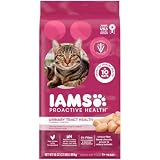
- Urinary Tract Health: IAMS Proactive Health Hairball & Urinary Tract Health dry cat food features clinically proven technology to promote urinary health in 10 days
- Cat Dry Food Reduces Hairballs: This cat food dry recipe includes a unique fiber blend clinically proven to reduce hairballs
- #1 Ingredient Is Real Chicken: IAMS Proactive Health Hairball & Urinary Tract Health cat food is made with real chicken as the #1 ingredient
- Quality Recipe: This recipe provides 100% complete and balanced nutrition for adult cats, delivering the nutrition they need
- Supports A Healthy Heart: IAMS Proactive Health Hairball & Urinary Tract Health dry cat food is crafted with essential nutrients including calcium and potassium to help nourish a healthy heart
Does my cat need prescription urinary food?
Some cats benefit from a veterinarian-prescribed therapeutic diet, while others need a different treatment or no urinary formula at all. Do not choose one solely because the package says “urinary.”
Can food dissolve every type of bladder stone?
No. A veterinarian may prescribe a dissolution diet for suitable struvite stones. Calcium oxalate stones cannot be dissolved with a special diet and may require another intervention.
Is wet food better than dry food for urinary health?
Wet food typically contains about 70–80% water and can increase water intake, but it is not a cure. The best format is the nutritionally appropriate diet your veterinarian recommends and your cat reliably eats.
Crashes, No Sound, or Screen Glitches?
Random freezes, missing sound and display glitches usually trace back to one bad driver. Find and replace yours safely.Free scan · under a minuteWindows Errors? Fix Them Before They Spread
Repair common Windows errors and clear accumulated junk for a smoother, more stable PC - no reinstall needed.Free scan · no reinstallMy cat is straining but still passing a little urine. Can I wait?
No. Repeated straining with only drops can signal an obstruction or another painful condition. Contact a veterinarian immediately; complete or worsening obstruction is an emergency.
How can I help a cat with idiopathic cystitis?
Follow the veterinarian’s plan, which may include an appropriate diet or medication and tailored environmental enrichment. Reduce avoidable stress and seek reassessment if signs recur or worsen.
Can I give treats with a therapeutic urinary diet?
Ask the veterinary team first. Treats, table food, supplements, and unapproved foods can undermine the intended dietary target.
The Bottom Line
Choose urinary cat food by diagnosis, not by marketing language. Struvite and calcium oxalate stones require different expectations, wet food can add water but cannot treat an obstruction, and any cat straining with little or no urine needs immediate veterinary care.
Quick Recap
Product prices and availability are accurate as of the date/time indicated and are subject to change. Any price and availability information displayed on Amazon at the time of purchase will apply.





Leave a Reply