
Some links on this page are affiliate links: if you buy through them we may earn a commission, at no extra cost to you.
The safest home plan combines a veterinary assessment, a lean body condition, gentle regular movement, secure footing, comfortable resting and toileting areas, and careful monitoring. These measures can reduce daily strain and help your veterinarian judge whether treatment is working, but they do not replace diagnosis or prescribed pain control. Stiffness, reluctance to jump, reduced grooming, altered sleep, or trouble with stairs can also result from problems other than arthritis.
Arrange an examination before starting a supplement, changing exercise, or giving medicine. Take short videos of your pet walking, rising, using stairs, jumping, or entering the litter box. The American Animal Hospital Association notes that videos can help clinicians evaluate movement and response to treatment.
As an Amazon Associate I earn from qualifying purchases.
1. Get a veterinary assessment before changing the routine
Arthritis is common in older pets, but the same signs can occur with injuries, neurologic disease, dental or systemic illness, and other painful conditions. A veterinarian can examine the joints and the rest of the body, decide whether imaging or laboratory work is needed, and establish a safe activity and medication plan.
What to record before the appointment
- How your pet rises after sleeping and how long stiffness lasts.
- Whether walking, stairs, jumping, grooming, or play has changed.
- Appetite, sleep, social interaction, and toileting.
- Short videos from the side and rear on the usual floor, without forcing a movement.
Do not make an older animal perform stairs or jumps just to obtain footage. A normal day recorded discreetly is more useful and safer. Note which surfaces, times of day, weather conditions, or activities seem to make movement easier or harder. Bring a complete list of prescriptions, over-the-counter products, supplements, and treats to the appointment.
Popular on Amazon

- Premium Solid Wood Material for Safe Weight Support: This dog ramp is made of durable solid wood with a sturdy structure that ensures stability and safety. Our adjustable dog ramp for couch is perfect for small dogs, short legged dogs, and elderly pets. The safe metal buckle can prevent collapse and sliding during use, always ensuring the safety of your pet.
- 5 Adjustable Height: Pawaboo dog ramp for couch has 5 adjustable heights: 9.8", 13.8", 16.5", 18.5" and 20.5", you can choose the appropriate height according to your needs, helping pets get up and down sofa, and step with ease. As a reliable pet step for dogs to get on sofa, Pawaboo dog ramps for small dogs work for multiple scenarios, easily fitting couch, sofas, windowsills, low bed and chairs to meet your pet’s daily climbing needs.
- Gentle Stairs for Short-legged & Small dogs: Our dog stair helps short-legged dogs and small breed dogs safely climb up and down sofas and steps, protect their spine and joints, and avoid joint pressure caused by dogs jumping. For short legged or small breed puppies, this dog step is the safest alternative that can turn every climb into a comfortable and safe experience.
- Foldable & Portable Design: Featuring a folding design, this lightweight dog ramp measures 16.5" x 12.6" x 5.5" when folded for easy storage. When not in use, the dog stair for couch can be placed under the sofa or bed, stood upright in a closet or leaned against the wall to save space. Its light weight and side handles also make it convenient to carry.
- High Traction & Slip Resistance: The pet dog step ladder is covered with wear-resistant striped fabric carpet. Excellent traction prevents furry friends from slipping or falling while walking on the ramp. It also comes with 5 crossbars to boost slip resistance during climbing for safe ascent.
2. Keep body condition lean without crash dieting
Weight optimization is a critical part of chronic-pain care. Extra body mass increases the load carried by painful joints, while a lean condition makes comfortable movement easier. Ask the veterinary team for a calorie target, an appropriate food, and a gradual reduction plan if weight loss is needed.
Never impose a sudden, severe diet on a frail senior. The plan should protect muscle and maintain adequate nutrition while weight changes occur. Weigh portions rather than estimating them, include treats in the daily allowance, and have the clinic reassess body condition and progress. The objective is a sustainable lean condition, not rapid loss.
Do these 3 things before closing this tab:
1Fix the driver behind crashes, sound loss and screen glitches2Repair Windows errors before they cause bigger problems3Scan for outdated or missing drivers - takes under a minuteAsk how to measure progress when a pet has muscle loss or a thick coat, since a change on the scale does not tell the whole story. Keep meals and treats consistent enough for the veterinary team to interpret changes in appetite, weight, and activity. If appetite falls, vomiting develops, or weight changes unexpectedly, contact the clinic rather than simply changing the diet again.
3. Use controlled movement and rehabilitation
Complete inactivity can worsen weakness and stiffness, but forced exercise can trigger a painful flare. Offer frequent, short, low-impact sessions that your pet tolerates, then increase duration or difficulty gradually only when recovery remains comfortable.
For dogs
- Prefer several calm walks on a level, non-slip surface over one long outing.
- Let the dog set the pace and stop before pronounced fatigue, limping, or reluctance develops.
- Avoid repeated ball chasing, sharp turns, forced running, and unnecessary jumping.
- On bad days, shorten the route and use indoor, traction-supported movement rather than insisting on the usual distance.
- Allow extra time to rise, turn, sniff, and choose a comfortable place to eliminate.
For cats
- Use gentle play at floor level, such as slowly moving a toy within easy reach.
- Provide several small opportunities to walk between resting, food, water, and toileting areas.
- Do not repeatedly lift a cat onto a high surface or encourage a jump it is avoiding.
- Stop when the cat disengages, hides, breathes heavily, or shows a clear change in posture or behavior.
- Keep favorite elevated resting places available through a stable step or ramp rather than requiring a single large leap.
Movement should leave the pet able to settle normally afterward. A sustained increase in stiffness, limping, hiding, irritability, or reluctance later that day or the next suggests that the session was too difficult; tell the veterinarian and reduce the challenge until you receive advice.
When professional rehabilitation helps
Ask for a veterinary rehabilitation referral when gait, strength, balance, or confidence is declining. A rehabilitation professional may prescribe therapeutic exercises, hydrotherapy, range-of-motion work, massage, balance training, or other modalities. The Canine and feline OsteoArthritis (COAST) consensus supports individualized professional guidance and home exercises matched to the animal’s condition. Do not copy a program designed for another pet; pain, weakness, and medical problems differ.
4. Improve traction and make every route easier
Secure slippery floors
Place carpet runners, yoga mats, or traction mats along the routes your pet uses most: between bed, food, water, door, sofa, and litter box. Secure edges so they cannot bunch or slide. Measure the entire travel route rather than covering only one small landing. Keep the surface clean and dry, and replace it when it loses grip.
Also popular on Amazon
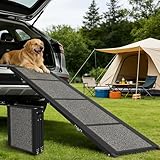
- Non-Slip Rug Surface: This folding dog ramp for car features a high-traction fabric rug with Loofah-like texture grip that keeps paws secure in any weather. The surface absorbs impact with each step, reducing pressure on joints and providing a comfortable, slip-free climb every time. Whether used as a pet ramp for cars or a dog ramp for SUV, your furry friend will enjoy steady footing on every ascent.
- Joint-Friendly 63" Incline: Eliminate dangerous jumps that strain hips and spines. This extra-long pet ramp creates a gradual 63-inch incline that minimizes muscle tension, making it ideal for senior dogs, pets with mobility issues, or breeds prone to joint problems. A safety rope with stainless steel buckles adds extra security during use, ensuring this dog steps for car or vehicle provides peace of mind with every trip.
- Heavy-Duty Aluminum – Supports 250 lbs: Built from high-grade aluminum with an internal load-bearing crossbar, this pet loading ramp delivers exceptional stability without the weight. The reinforced frame eliminates shaking, giving large dogs the confidence to walk up and down safely—whether used as a dog ramp for car, SUV ramp for dogs, or access aid for high beds. Unlike flimsy alternatives, this pet ramp for large dogs is engineered to last.
- Quad-Fold & Easy to Stores: Unlike standard two- or three-fold ramps, this innovative dog ramp folds into four sections, collapsing down to just 5 inches thick. It stores effortlessly in trunks, closets, or under furniture, and the padded foam handle makes it easy to carry wherever your adventures take you. This portable pet ramp for vehicles is always ready when you need it, never in the way when you don't.
- Versatile Use for Indoors & Outdoors: Perfect for more than just vehicles, this multi-purpose dog stairs helps your dog access couches, beds, or elevated surfaces at home. Lightweight yet sturdy, it's the all-in-one solution for keeping your furry friend mobile, independent, and comfortable in any environment. Whether you need a dog ramp for car travel or a reliable pet ramp for daily use at home, this ramp delivers unmatched versatility.
Check transitions between flooring types, including thresholds and the edge of a rug. A senior pet may hesitate where a mat moves or where a smooth floor begins. Trim nails and maintain paw hair only as your veterinarian or groomer recommends; do not force a painful foot or joint into a grooming position.
Use ramps or steps safely
A stable ramp or a set of pet steps can reduce jumping to furniture, a vehicle, or a porch. Choose a width that allows the animal to turn or correct its footing, a surface with reliable grip, a slope it can manage, and a weight capacity above the pet’s current weight. Anchor the equipment so it cannot shift, introduce it gradually with supervision, and reward calm use. Block access to unsafe stairs, balconies, or pools when balance is poor.
A ramp is not automatically safer than steps. A long, steep, narrow, or slippery ramp may increase fear and falls. If your pet refuses it, ask the veterinary team or a rehabilitation professional to assess the setup rather than pulling the animal up. Recheck the equipment after moving furniture, transporting it in a vehicle, or cleaning the surface.
PC Slower Than It Used to Be?
A free scan shows the junk files, broken settings and background clutter dragging Windows down - then fixes them in one click.Free scan · Windows 10 & 11Crashes, No Sound, or Screen Glitches?
Random freezes, missing sound and display glitches usually trace back to one bad driver. Find and replace yours safely.Free scan · under a minute5. Create a supportive resting area
Provide a deep, supportive, washable bed in a quiet, warm location away from drafts. The bed should be stable enough that the pet can stand without it sliding and low enough for an easy step-in. Washable covers matter because painful pets may have occasional toileting accidents or difficulty grooming.
Keep at least one bed near the rooms where the family spends time, so the pet does not need to cross a slippery floor or climb stairs to remain social. Warmth can make resting more comfortable, but avoid heating devices that can burn a pet or cause overheating; the animal must be able to move away from the heat.
Observe how the pet gets on and off the bed. A very soft surface can feel comfortable while lying down but make standing difficult. If the animal repeatedly circles, slips, or abandons the bed, ask whether a firmer or more stable design would be better. Keep the resting area dry and clean, and check skin and coat routinely when grooming has decreased.
6. Put food, water, and toileting within easy reach
Place food and water where your pet already rests or passes safely. Some cats are more comfortable with slightly raised bowls, but the height should not force the neck or shoulders into an awkward position. Observe the individual response rather than assuming a raised bowl is always better.
Also popular on Amazon

- Suitable for Multiple Breeds: Our adjustable dog ramp is designed for senior dogs, short-legged breeds, and pets with injuries or mobility issues. It effectively reduces joint stress caused by repeated jumping, helping to prevent joint degeneration and spinal strain. Even for healthy dogs—such as small dogs and puppies—it encourages better movement habits, ensuring safer indoor activity.
- Exceptional Stability: Crafted from thickened metal, this dog ramp resists deformation for superior sturdiness, safely supporting up to 100 lbs/45.4 kg. The dog ramp for couch features locknuts for enhanced impact resistance, effectively preventing wobbling during use and providing your dog with complete peace of mind.
- Total Anti-Slip: The folding dog ramp features a non-slip silicone surface and four non-slip tubes, providing excellent grip to keep your pet's paws stable and secure while climbing. Two anti-slip silicone pads at the bottom increase friction with the ground, further enhancing stability and holding the ramp firmly in place, even on smooth surfaces.
- 6 Adjustable Heights: The pet ramp offers 6 height settings — 7.5"/19 cm, 10.6"/27 cm, 13.8"/35 cm, 15.8"/40 cm, 17.7"/45 cm, and 19.7"/50 cm — ensuring a precise fit for sofas, couches, and steps of various heights. You can easily switch between sofa ramp and step ramp modes, allowing your dog to reach their destination safely without jumping.
- Easy to Store & Carry: The portable dog ramp unfolds to 32.7" × 12" × 2" (83 × 30.5 × 5 cm) and folds down to just 16.3" × 12.8" × 3.2" (41.5 × 32.5 × 8 cm), making it easy to store under sofas, beds, or in car trunks. Weighing only 7.4 lbs (3.35 kg) and featuring built-in leather side handles, this dog ramp is lightweight and portable — ideal for home use or outdoor adventures.
Provide more than one water station when a pet spends time on different floors or in separate rooms. Bowls should sit on a stable, non-slip surface and be refreshed regularly. Avoid rearranging all resources at once; change one feature, then watch whether access and behavior improve.
Cat litter-box setup
Use a large, low-entry box with a fine, comfortable litter and position it near resting areas. Add extra boxes when mobility makes travel difficult, placing them on a stable, non-slip surface. A cat that stops using the box may be in pain, unable to climb the entry, or avoiding a route; do not punish it. Tell the veterinarian about any change in frequency, posture, accidents, or effort.
Keep the route to every box well lit and free of clutter. Scoop often, because a cat that is reluctant to walk may not tolerate searching for a clean place. Do not make the cat climb stairs to reach the only box. If accidents occur, protect floors with washable coverings while the medical cause is being evaluated.
Dog toileting access
Make the shortest safe route to the door or outdoor area available. Non-slip flooring at thresholds and a ramp over steps can prevent a painful scramble. Allow extra time for the dog to rise, walk, and choose a comfortable elimination spot. On difficult days, ask the veterinary team whether temporary indoor toileting support is appropriate rather than forcing a long walk.
Quick wins for a faster PC:
Scan for outdated or missing drivers - takes under a minuteDriver Scan →Repair Windows errors before they cause bigger problemsFix Now →Fix the driver behind crashes, sound loss and screen glitchesFind Drivers →7. Supplements and other products: ask before buying
Supplements are not automatically harmless or effective for every pet. Discuss any joint product with the veterinarian before starting it, especially when the animal has kidney, liver, stomach, or other chronic disease or is taking prescription medicine. Bring the label, ingredient list, serving instructions, and manufacturer information to the appointment.
Do not use a supplement as a reason to delay an examination, prescribed analgesia, weight plan, or rehabilitation referral. Tell the clinic when a product is started and report appetite changes, vomiting, diarrhea, unusual sleepiness, or any new sign. A product that helped one animal may be unsuitable for another, and adding several products at once makes it difficult to identify a reaction.
8. Understand medication safety
The U.S. Food and Drug Administration states that the veterinarian is the most reliable and qualified source of medical information for a pet. Never give ibuprofen, naproxen, acetaminophen, aspirin, or another human pain reliever unless a veterinarian specifically directs it. A dose that seems small for a person can be dangerous for a dog or cat, and combining products can cause an accidental overdose.
Also popular on Amazon

- 【 Sturdy & Stable Dog Car Ramp 】The large dog's pet ramp is made of high-grade aluminum which makes the folding dog ramp stairs sturdy but more lightweight, our latest upgraded and improved version of the ramp includes an internal load-bearing crossbar to ensure long-lasting stability and support up to 250 lbs. Its mechanically designed structure provides strong support. Perfect for small, medium & large dogs' indoor and outdoor use when getting into a vehicle, car, SUV, truck, couch, or high bed
- 【 Anti-slip & Comfortable Dog Ramp 】Our folding dog ramp features a non-slip gray carpet surface, it is made of dense anti-tear plastic fibers with Loofah-like texture grip, provides plenty of traction, and absorbs the impact as the dog steps on, relieves the pressure on the paws and joints and reduce the pet's muscle ache and joint tension caused by jumping. The top of each step has an anti-slip rubber-like surface, which ensure that your pet will not slip while walking in any weather conditions
- 【 Longer Length for Gentle Angle】 The length of dog car ramps is increased to 63 inches, and a width of 17.3 inches, allowing for a smoother angle between the pet ramp and the car, better reducing the dog's muscle and joint straining caused by jumping, easing pain and better protecting against injury. Complete with a safety rope and stainless steel buckles, this ramp offers extra security
- 【 Four-Fold for Portability & Multifunctional 】: The dog ramp with extra long length of 63 inches and a width of 17 inches. Unlike other dog loading ramps on the market can only be two-fold or three-fold, our dog vehicle ramps can be quadruple folded into a convenient size of 17.5*17*5.5inch. The dog ramp stair is perfect for your dog's entering cars, SUVs, trucks, high beds, and couches
- 【 Easy to Store & Carry 】: The outdoor dog ramp can be folded flat, only 5.5 inches high, and weighs 13.5 pounds when folded, making it very easy to store for storage. You can easily store it in your car, living room, and bedroom without taking up too much space. Plus the padded foam handle and lightweight design are more convenient to carry anytime and anywhere. so you can easily carry it indoors or outdoors. Have your best friend join you on vacation with no trouble
Veterinary anti-inflammatory drugs
Approved veterinary nonsteroidal anti-inflammatory drugs (NSAIDs) can cause serious adverse effects. Give only the prescribed product, at the prescribed dose and interval. Do not split, add, stop, or restart doses on your own, and tell the clinic about every supplement and other medicine.
Free tools Windows power users keep installed
One-click scans. No signup required.
For dogs receiving long-term NSAIDs, the FDA notes that liver and kidney tests may be needed before treatment and at intervals during treatment. The timing depends on the individual dog, the drug, age, and other health concerns. Keep laboratory appointments even when the dog appears comfortable.
Cats are particularly sensitive to medication toxicity. In the United States, the FDA reports that no veterinary NSAIDs are currently approved for safe long-term control of osteoarthritis pain and inflammation in cats. A veterinarian must weigh options case by case, explain the evidence and risks, and decide what monitoring is appropriate. Never use a dog’s prescription for a cat.
Call promptly for possible adverse effects
- Vomiting or diarrhea.
- Black or tarry stool.
- Loss of appetite.
- Marked lethargy or weakness.
- Yellowing of the gums, skin, or eyes.
- Sudden changes in drinking or urination.
Stop treating a suspected reaction as a home problem. Contact the prescribing veterinarian promptly; seek emergency care for severe or rapidly worsening signs. Keep medicines in their original containers, prevent pets from accessing dropped tablets, and make sure every household member knows which products are forbidden.
9. Track comfort and quality of life
Pain can fluctuate, and cats often hide it. A simple record makes gradual changes easier to recognize than memory alone. Once a week, record a short video from the same safe location and score comfort or mobility from 0 (very poor) to 10 (comfortable and moving normally). Use the same definitions each time.
- Appetite and drinking.
- Grooming, coat condition, and willingness to be touched.
- Sleep and ability to settle.
- Walking, rising, stairs, jumping, or play.
- Social interaction and normal personality.
- Urination, defecation, and litter-box use.
Bring the log and videos to follow-up visits. A gradual downward trend, even without a dramatic crisis, can justify a treatment review. Contact the veterinarian for worsening lameness, inability to rise, sudden severe pain, repeated falls, or a clear decline in eating or toileting.
How arthritis care differs between dogs and cats
| Consideration | Senior dogs | Senior cats |
|---|---|---|
| Medication options | Several FDA-approved NSAIDs are available for osteoarthritis, with veterinary selection and monitoring. | Long-term options are more limited; in the United States, no veterinary NSAID is currently approved for safe long-term control of feline osteoarthritis pain and inflammation. |
| How pain may appear | Stiffness or lameness may be obvious, especially when rising or walking. | Pain is often subtle: less jumping, reduced grooming, altered sleep, withdrawal, or changed litter-box behavior. |
| Most important environmental additions | Traction, ramps or steps, supportive beds, and easy routes outdoors. | Traction, ramps or steps to favored resting places, supportive beds, low-entry litter boxes, and nearby food and water. |
| Movement approach | Controlled, short walks and a rehabilitation plan when strength or gait declines. | Gentle play and accessible opportunities to move, stopping when behavior indicates discomfort. |
Common home-care pitfalls
- Waiting for an obvious limp: Cats and some dogs compensate for pain quietly. Changes in grooming, sleep, jumping, or personality deserve attention.
- Doing too much on a good day: A long walk or repeated jumping can produce a delayed flare. Increase activity gradually.
- Using slippery “easy-clean” floors everywhere: Convenience for people can mean falls for pets. Add secure runners or mats on essential routes.
- Buying equipment without measuring: A ramp, bed, or litter box must fit the pet, the space, and the route. Check width, grip, stability, entry height, and weight capacity.
- Changing several things simultaneously: Introduce one major change at a time when possible, so you can tell what helps or causes a problem.
- Stopping medication because the pet looks better: Comfort may reflect effective treatment. Ask the prescribing veterinarian before any dose change or discontinuation.
- Assuming supplements replace monitoring: Products can interact with medicines or be inappropriate for a particular illness.
A practical daily home plan
- Morning check: Observe rising, walking, appetite, and toileting before changing the routine. Note any new limp, reluctance, or unusual behavior.
- Prepare the route: Check that runners and mats are flat, dry, and secure. Confirm that ramps or steps have not shifted.
- Offer a short activity session: Use a calm walk for a dog or gentle floor-level play for a cat. Stop while movement is still comfortable.
- Make rest easy: Keep the supportive bed, water, and food accessible. For cats, verify that every litter box can be entered without a high step.
- Evening review: Record appetite, grooming, sleep, mobility, and toileting. Compare the pattern with previous days rather than reacting to one isolated moment.
- Follow the prescription exactly: Give only veterinarian-directed medicines and attend recommended laboratory checks.
Questions to take to the veterinarian
- What conditions besides arthritis could explain these changes, and is imaging or blood work needed?
- What body condition and calorie target are appropriate, and how should weight be checked?
- Which movements are safe now, and what signs mean the session was too hard?
- Would a rehabilitation referral, hydrotherapy, or a home exercise plan help?
- Which ramp, step, bed, bowl, or litter-box features fit this pet’s size and abilities?
- What medication monitoring is required, and which symptoms require an immediate call?
- When should we reassess comfort, mobility, appetite, and toileting?
When home care is not enough
Home modifications support a medical plan; they cannot diagnose the cause of pain or replace analgesia when a pet needs it. Arrange a veterinary review if comfort scores trend down, normal activities disappear, or the animal needs increasing help to rise, walk, jump, or use the litter box. Sudden severe pain, inability to stand, repeated falls, black stool, jaundice, or abrupt changes in drinking or urination require prompt professional attention.
Also popular on Amazon

- 【Extra Wide Dog Ramp】Dog ramp features an extra‑wide 40.5cm (16inch) platform, 10cm wider than standard 30cm ramps.The wider platform reduces side tipping and hesitation, making it easier for small pets to accept daily use. Unlike basic ramps with only 1 clip per fold, ours uses 4 heavy‑duty metal locking clips (2 per fold side) for unbeatable strength. The tallest folding section is reinforced with 2 support screws to prevent sagging or collapse under weight. This small dog ramp for couch eliminates wobble, making it ideal for pets nervous about climbing
- 【4-Level Adjustable Dog Ramp for Beds & Sofas】This adjustable dog ramp offers four height settings (13.4", 15.7", 18.5", and 20.9") to fit beds, sofas, chairs, and recliners. Unlike folding pet ramps with hinges that may collapse or trap paws, our dog ramp uses structural screws at connection points for enhanced stability and safety. Though non-foldable, it can lean against a wall, slide under a bed, or fit into furniture gaps wider than 4.7" for storage.
- 【Multi-Anti-Slip Design】The walking surface is covered with durable striped carpet fabric that provides strong traction for paws, helping prevent slipping while climbing. Integrated five raised crossbars act as stepping support points, improving grip and confidence for pets with short legs or limited mobility. Two non-slip rubber pads at the bottom help keep the pet ramp firmly in place on smooth floors such as hardwood or tile. Reliable small dog ramp, puppy ramp, dachshund ramp, and one of the most practical pet ramps for small dogs for everyday indoor use
- 【Premium Solid Pine Wood Dog Ramp】Made of 100% solid pine wood, this dog ramp for bed is far sturdier and more durable than flimsy plastic or foam ramps. Weighing 4.5kg, it’s heavy enough to resist tipping, sliding, or shaking during use, greatly improving pet safety. It supports pets up to 40 lbs without warping, bending, or breaking. Eco‑friendly and built to last, this wooden dog couch ramp outperforms lightweight alternatives in stability, safety, and overall lifespan, giving you real peace of mind
- 【Versatile Pet Ramp For Daily Home Use】This pet ramp for bed and pet ramp for couch is designed to help pets safely reach elevated surfaces in living rooms and bedrooms. Ideal for small dogs, senior pets, pets recovering from leg injuries, or short-legged breeds, as well as lighter young pets under 40 lbs. Commonly recommended for breeds such as French Bulldogs, Dachshunds, Chihuahuas, Yorkies, Shih Tzus, and similar pets. Whether used as a small dog ramp for couch, dog ramp for bed, or general pet ramp, it provides everyday support while prioritizing safety and comfort
Frequently Asked Questions
How can I help my old dog with arthritis at home?
Start with a veterinary assessment, then keep the dog lean, use several short controlled walks, add non-slip runners, provide a stable supportive bed, and use a properly sized ramp or steps where jumping is difficult. Track mobility and comfort, and give only veterinarian-directed medicines.
What can I do for my senior cat’s arthritis pain?
Cats often hide pain, so watch for less jumping, reduced grooming, altered sleep, withdrawal, or litter-box changes. Offer floor-level gentle play, traction on slippery routes, low-entry litter boxes, nearby food and water, and easy access to favored resting places. Ask the veterinarian about medication because feline long-term options require careful case-by-case decisions.
The Tool Desk
Outbyte PC Repair FREERepair Windows errors before they cause bigger problemsFix Now →Outbyte Driver Updater FREEFix the driver behind crashes, sound loss and screen glitchesFind Drivers →Are ramps, beds, or supplements worth it?
Ramps, steps, traction mats, and supportive washable beds can reduce difficult jumps and slipping when they fit the pet and are introduced safely. Supplements should be discussed with the veterinarian first; they are not automatically effective or safe and should not delay diagnosis or prescribed treatment.
Can I give my pet human pain medicine?
No, not unless a veterinarian specifically directs it. Ibuprofen, naproxen, acetaminophen, aspirin, and other human analgesics can cause serious or life-threatening toxicity in dogs and cats. Never share one pet’s prescription with another.
How do I know whether exercise is helping or hurting?
Movement should remain controlled and leave the pet able to settle normally afterward. Increased limping, stiffness, hiding, irritability, reluctance, or other sustained changes later that day or the next mean the activity was too difficult; contact the veterinary team for adjustments.
What should I do if my cat stops using the litter box?
Do not punish the cat. Pain, a high entry, a difficult route, or another illness may be responsible. Place a large low-entry box with comfortable litter near resting areas, add boxes if needed, and tell the veterinarian about changes in frequency, posture, effort, or accidents.
What’s actually slowing this PC down?
Pick the symptom - the matching free tool is one click away.
How often should a dog on a long-term NSAID be tested?
The FDA notes that liver and kidney tests may be needed before treatment and at intervals afterward. Timing depends on the dog, medicine, age, and other health concerns, so follow the prescribing veterinarian’s schedule even when the dog appears comfortable.
When is arthritis pain an emergency?
Seek prompt professional help for sudden severe pain, inability to stand or rise, repeated falls, black or tarry stool, jaundice, severe vomiting or diarrhea, marked weakness, or abrupt changes in drinking or urination. A clear decline in eating or toileting also warrants a timely call.
The Bottom Line
Make the home easier to navigate, keep the pet lean and gently active, and monitor small changes. Traction, supportive rest, accessible food and water, and cat-friendly litter access can reduce daily strain, while veterinary assessment, prescribed treatment, and appropriate laboratory monitoring address the medical causes and risks. Never substitute human pain medicine or an unreviewed supplement for professional guidance.





Leave a Reply