
A betta that stops eating, breathes rapidly, rubs against objects, develops spots or has receding fins needs a methodical check—not a diagnosis based on one photograph or one symptom. The ten conditions below include infections, injuries, organ disorders and visible sign patterns such as dropsy. Start by documenting the change, checking aquarium conditions and separating potentially contagious cases; use a fish veterinarian when signs are severe, progressive or unclear.
Appearance can suggest a problem but cannot reliably identify its cause. Microscopy is used to confirm several parasite diagnoses, and bacterial cases may need laboratory work before an effective antibiotic is selected. Treat the fish and the water environment as separate parts of the problem.

As an Amazon Associate I earn from qualifying purchases.
What are the signs of common betta fish diseases?
These are the ten conditions most often discussed in betta health guides. The list deliberately combines diseases with disorders and symptom patterns, because a keeper sees a sign before a veterinarian can establish a cause.
What’s actually slowing this PC down?
Pick the symptom - the matching free tool is one click away.
| Condition | Pattern a keeper may notice | What the sign does—and does not—establish |
|---|---|---|
| Columnaris (cottonmouth or cotton-wool disease) | Cottony or slimy lesions around the mouth, gills, fins or body | Flavobacterium columnare is bacterial; a cottony patch is not proof of fungus. Delayed cases may require antibiotics. |
| Dropsy | Marked abdominal swelling, scales that protrude like a pinecone, surface hanging and reduced appetite | Dropsy is a sign pattern caused by fluid accumulation, not a single disease diagnosis. |
| Hole-in-the-head | Small sores, dents or pits on the head that may progress to lesions | Nutrition and habitat cleanliness are discussed as contributors, but a betta-specific cause and treatment protocol are not established here. |
| Ich (white spot disease) | Small white spots on skin or gills, with possible rubbing, weakness or lethargy | Microscopy is needed for confirmation. The parasite can spread readily on infected fish or moved equipment. |
| Fin or tail rot | Ragged, receding or discolored fin edges | Progressive disease must be separated from fin biting, a tear or sharp décor. |
| Popeye | One or both eyes bulge | Popeye is a sign associated with several possible problems, including poor water conditions and infection. |
| Septicemia | Red streaks or bloody-looking marks | High nitrite can produce similar streaks, so the water must be tested rather than assuming bacterial disease. |
| Swim bladder disorder | Floating, sinking, side-lying, poor depth control or abnormal swimming | Overfeeding, infection and other causes are possible; buoyancy trouble alone does not select a treatment. |
| Tumor or mass | A new lump or bump | Appearance cannot establish whether a mass is cancerous. A veterinarian should assess new masses. |
| Velvet | Fine gold, yellow or rust-colored dusting, often with rubbing, lethargy or appetite loss | Color can make it subtle. Microscopy can confirm the parasite, and serious cases need professional care. |
Betta-specific overviews are useful for recognizing patterns, but they are not substitutes for a veterinary diagnosis. Fish color, lighting, age and normal behavior can all make a sign easier or harder to see.
#1 Best Overall
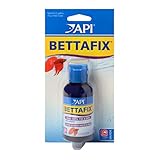
- Contains one (1) API BETTAFIX Antibacterial & Antifungal Betta Fish Infection and Fungus Remedy 1.7-Ounce Bottle
- Heals bacterial infections, repairing damaged fins, ulcers, and open wounds and promotes regrowth of fins
- Treats newly introduced fish to reduce risk of disease outbreak and heal wounds and tissue damage
- Contains healing melaleuca, a variety of tea tree
- Use daily for a week when treating infections and for three days as a preventive when adding new fish
How can I tell ich from velvet?
Ich usually appears as separate, discrete white spots. Velvet may look like a very fine yellow, gold or rust-colored dusting and can be difficult to see on a naturally bright or dark fish. Both parasites can cause rubbing, lethargy and appetite loss, so behavior does not distinguish them.
Do not scrape a spot and assume the result. Merck Veterinary Manual states that microscopic examination is needed to confirm these protozoal diagnoses. If you suspect either parasite, inspect the gills and breathing, isolate equipment that may have moved between aquariums and follow the exact label for any legally available product in your jurisdiction. The U.S. Food and Drug Administration (FDA) describes ich as highly contagious through infected fish and contaminated equipment.
How do I distinguish fin rot from an injury or tail biting?
Fin rot tends to produce a progressing, receding edge that may become discolored. A mechanical injury is more likely to be a single tear matching a sharp ornament, filter intake or other object. Tail biting can leave an irregular, chewed-looking edge without the same progressive pattern.
Photograph the fin from the same angle each day, remove or shield sharp décor and observe whether the damage advances. Correcting water-quality problems is important when disease is suspected, but severe, rapidly worsening or ambiguous damage warrants professional advice rather than an automatic antibiotic.
Rank #2

- For use in freshwater or marine aquaria.
- Easily absorbed through both skin and gills; ingestion not required.
- Does not adversely affect the filter bed and is easily removed with carbon.
- Safely and effectively treats several fungal, and bacterial fish diseases (dropsy, popeye, fin/tail rot, septicemia).
- When used in a medicated food mix, it is excellent for treating bacterial infections in tanks that contain invertebrates.
What does dropsy look like, and is it contagious?
The classic warning pattern is substantial swelling with scales projecting outward like a pinecone. A fish may hang near the surface and stop eating. Ordinary post-meal fullness does not create that characteristic scale pattern.
Dropsy describes fluid accumulation associated with an underlying systemic problem; it is not the name of one disease. Isolate the fish when practical, check the aquarium and seek an aquatic veterinarian promptly. Appearance alone cannot identify the cause or predict recovery, and treatment aimed at a presumed cause can delay appropriate care.
Condition-by-condition response
Columnaris
Cottony or slimy areas around the mouth, gills, fins or body can occur with columnaris, a bacterial disease associated with Flavobacterium columnare. The same visual texture can be mistaken for fungus, so do not choose a “fungus” remedy solely from the word cottony.
Do these 3 things before closing this tab:
1Clear out junk files and repair common Windows errors2Fix the driver behind crashes, sound loss and screen glitches3Repair Windows errors before they cause bigger problemsMove the fish away from possible exposures, document how quickly the lesion is changing and test the aquarium environment. Merck notes that bacterial diagnosis may require laboratory testing to select an effective antibiotic. Delaying evaluation in a rapidly advancing case can make treatment harder.
Rank #3
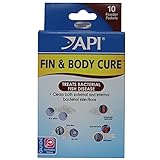
- Contains one (1) API FIN and BODY CURE Freshwater Fish Powder Medication 10-Count Box
- Treats body slime, eye cloud, fin and tail rot, open red sores, gill disease, and hemorrhagic septicemia
- Causes slight discoloration of water that can be fixed by adding activated charcoal
- Use only in freshwater aquariums
- Use daily for four days when symptoms of bacterial diseases appear
Dropsy
Use the pinecone-scale pattern and marked swelling as an urgency signal, not as a complete diagnosis. Record appetite, breathing and swimming, isolate the fish and arrange veterinary assessment. Avoid promising a cure based on a generic dropsy medication, because different underlying illnesses can produce the same fluid-accumulation pattern.
Hole-in-the-head
Pits or sores on the head should prompt a review of diet, cleanliness and any recent husbandry change. The available betta overview associates the condition with nutrition and habitat cleanliness, but a verified betta-specific cause and treatment protocol are not established. Keep the water stable, prevent additional stress and obtain professional advice if lesions enlarge, deepen or affect eating.
Ich
Small white spots accompanied by rubbing or lethargy justify checking all fish and equipment that share water. Isolate the affected fish when feasible and prevent nets, siphons and decorations from moving untreated contamination to another tank.
The Tool Desk
Outbyte Driver Updater FREEFix the driver behind crashes, sound loss and screen glitchesFind Drivers →Outbyte PC Repair FREERepair Windows errors before they cause bigger problemsFix Now →Microscopy is the reliable confirmation method cited by Merck. Use only a product labeled for the species and condition in your location, follow its dosing and water-change directions exactly, and verify current regulatory status. On April 8, 2025, the FDA announced that Faunamor was added to the U.S. Minor Use and Minor Species Index for treating Ichthyophthirius multifiliis in ornamental finfish. The announcement described an immersion solution containing methylthionine chloride, malachite green oxalate and acriflavine chloride and said it was the only legal drug then on the U.S. market for ich. That was a dated, U.S.-specific statement; check the current FDA index and the product label, and do not generalize it to other countries or to other diseases.
Rank #4
Fin or tail rot
Track the edge over several days after removing hazards and correcting environmental problems. If the fin continues to recede, becomes markedly discolored or is accompanied by whole-body illness, ask a fish-health professional whether infection is present and what treatment is justified. A tear that stops progressing may need habitat and behavior changes rather than medication.
Popeye
A bulging eye can affect one or both sides and does not identify its cause. Check water conditions, look for trauma from décor or aggression and watch for appetite, breathing and swimming changes. Because infection and environmental problems can look alike, persistent or worsening popeye should be evaluated rather than treated from the eye appearance alone.
Septicemia
Red streaks or bloody-looking marks can indicate a serious systemic problem, but high nitrite can create similar red stripes. Test the water before labeling the condition bacterial, and remember that red pigmentation can make streaks difficult to see. Rapid breathing, weakness or expanding discoloration increases the need for urgent professional help.
Outdated Drivers Are Slowing You Down
One free scan finds every outdated or missing driver and matches the right update for your exact hardware.Free scan · exact hardware matchWindows Errors? Fix Them Before They Spread
Repair common Windows errors and clear accumulated junk for a smoother, more stable PC - no reinstall needed.Free scan · no reinstallSwim bladder disorder
Floating, sinking, rolling, side-lying or poor depth control has multiple possible causes, including overfeeding and infection. Observe whether the problem began after a meal, a water change, an injury or another illness, and record the fish’s posture and ability to reach food.
Best Value
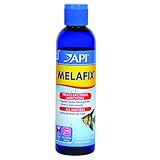
- Contains one (1) API MELAFIX Freshwater Fish Bacterial Infection Remedy 4-Ounce Bottle
- Heals bacterial infections and repairs damaged fins, ulcers and open wounds
- Contains natural, botanical tea tree extract to quickly and rapidly help fish
- Helps treat newly-introduced fish to reduce risk of disease outbreak in freshwater aquariums
- Use daily for a week when treating infections and for 3 days as a preventive when adding new fish
Do not assume that every buoyancy problem requires fasting, salt or antibiotics. Those interventions depend on the cause and can be inappropriate or harmful in some situations. Improve husbandry and obtain advice when the problem persists, recurs or occurs with other disease signs.
Tumor or mass
A new lump may be superficial or internal, benign or malignant; visual inspection cannot tell which. Photograph its size and location, avoid squeezing it and contact a veterinarian. PetMD lists masses among reasons to seek veterinary care, particularly when growth is rapid or the fish’s behavior changes.
Velvet
Fine yellow, gold or rust dusting may be easier to see with a light held at an angle, but coloration can hide it. Rubbing, lethargy and appetite loss are compatible signs, not proof. Isolate suspected cases and handle equipment as contaminated while arranging confirmation; Merck identifies microscopy as the way to verify the parasite.
What should I do when my betta first looks sick?
- Write down the change. Record when appetite, color, swimming, breathing, gill movement, fin edges, spots, lesions or a mass changed. Note recent additions, moves, cleaning, medication and feeding. PetMD specifically lists color change, lethargy, receding fins, prolonged appetite decline, itching, rapid breathing, gill changes, masses and white growths as reasons to contact a veterinarian.
- Check the environment. Test the aquarium water with a freshwater test kit and review filtration, cleanliness, temperature stability, recent water changes and possible chemical exposure. A kit is a monitoring tool, not a diagnosis or cure. Nitrite testing is especially important when red streaks are present because nitrite poisoning can mimic septicemia.
- Reduce exposure. If a contagious parasite or bacterial disease is plausible, use a separate hospital container when you can do so safely and do not share nets, siphons or décor. Ich can enter with new fish or equipment moved from an infected setup.
- Choose treatment only after narrowing the cause. A single sign rarely identifies the disease. Merck notes that laboratory work may be needed for bacterial treatment selection and microscopy for several parasites. Read the current label for any product, check species and country restrictions, and never combine remedies casually.
- Escalate early. Contact an aquatic veterinarian or fish-health professional for pinecone scales, rapid breathing, severe weakness, fast-spreading lesions, persistent appetite loss, a growing mass, major eye swelling or any case that is not improving after environmental correction.
How can I prevent recurring illness?
- Keep conditions stable and clean rather than making abrupt changes whenever a fish looks unwell.
- Observe the betta routinely so appetite, breathing and swimming changes are noticed before advanced lesions develop.
- Quarantine new fish and treat shared equipment as a possible route of parasite transfer; the FDA describes ich as readily spread through infected fish and moved equipment.
- Remove sharp décor and watch for aggression or tail biting before calling every fin injury fin rot.
- Feed appropriately and review nutrition when head lesions or buoyancy problems appear, without assuming diet is the sole cause.
- Do not use temperature changes, salt or antibiotics as universal preventives. Their safety and usefulness depend on the identified disease, the fish and the product label.
When should I contact an aquatic veterinarian?
Seek professional help when the fish has pinecone scales, rapid or labored breathing, severe lethargy, a rapidly enlarging lesion, a new mass, pronounced popeye, persistent inability to swim normally or a sustained refusal to eat. Also call when several fish become ill, because a contagious agent or a shared water-quality problem may be involved.
Bring dated photographs, water-test results, a timeline of symptoms, a list of recent changes and the names of any products already used. This information helps the clinician distinguish infection, poisoning, injury and organ disorder and reduces the risk of stacking incompatible treatments.
Sources and limits of diagnosis
The symptom scope follows the Bettafish.org “Betta Fish Diseases” overview, with veterinary diagnostic context from the Merck Veterinary Manual’s “Disorders and Diseases of Fish” (full review February 2020; updated April 2026). PetMD’s betta care sheet identifies warning signs that justify veterinary contact, and Petco’s care sheet provides a cross-check for common visible problems. The FDA’s April 8, 2025 announcement supplies the dated U.S. regulatory information for Faunamor and ich.
No reliable disease-prevalence or treatment-success statistic is established for these ten conditions here. A visible sign can guide the next check, but confirmation may require microscopy, laboratory testing or a physical examination.
Free tools Windows power users keep installed
One-click scans. No signup required.
Quick Recap
Product prices and availability are accurate as of the date/time indicated and are subject to change. Any price and availability information displayed on Amazon at the time of purchase will apply.





Leave a Reply