The headline’s 32 herds in eight states was an accurate snapshot on April 22, 2024—not a current outbreak total. By May 22, the CDC was reporting 52 infected dairy herds in nine states. The outbreak later involved additional detections and continued surveillance, so readers should check the live USDA and CDC updates rather than reuse either number as today’s count.
For most people—and for pet owners without contact with infected livestock, raw milk, or contaminated animal environments—the CDC has continued to describe the general-public risk from H5N1 bird flu as low. The higher-risk group is people who work with or closely handle infected dairy cattle, poultry, contaminated materials, or raw milk. For pets, the sensible response is exposure prevention: do not let dogs or cats consume raw milk or unpasteurized animal products, approach sick or dead birds, or enter potentially contaminated farm areas.
As an Amazon Associate I earn from qualifying purchases.
The headline’s 32 herds in eight states was an accurate snapshot on April 22, 2024—not a current outbreak total. By May 22, the CDC was reporting 52 infected dairy herds in nine states. The outbreak later involved additional detections and continued surveillance, so readers should check the live USDA and CDC updates rather than reuse either number as today’s count.
For most people—and for pet owners without contact with infected livestock, raw milk, or contaminated animal environments—the CDC has continued to describe the general-public risk from H5N1 bird flu as low. The higher-risk group is people who work with or closely handle infected dairy cattle, poultry, contaminated materials, or raw milk. For pets, the sensible response is exposure prevention: do not let dogs or cats consume raw milk or unpasteurized animal products, approach sick or dead birds, or enter potentially contaminated farm areas.
#1 Best Overall

- High-gloss finish
- Dishwasher safe
- Heavyweight stoneware; Eliminates movement and spillage
- High gloss finish
What the original 32-herd report actually said
USDA confirmed H5N1 in U.S. dairy cattle on March 25, 2024. On April 22, the date of the original report behind this headline, USDA had counted 32 affected dairy herds across eight states:
- Idaho
- Kansas
- Michigan
- New Mexico
- North Carolina
- Ohio
- South Dakota
- Texas
The figure changed quickly. On May 22, 2024, the CDC reported 52 infected dairy herds in nine states. That increase is why the original headline should be read as a dated milestone in the outbreak’s history, not as a live tally.
The research used for this article was timestamped August 13, 2026, but it did not provide a complete, timestamped current herd total from the USDA dashboard. Because herd counts, affected states, human cases, and recommendations can change, a publication updating this article should verify the live USDA and CDC dashboards immediately before publishing.
Outdated Drivers Are Slowing You Down
One free scan finds every outdated or missing driver and matches the right update for your exact hardware.Free scan · exact hardware matchPC Slower Than It Used to Be?
A free scan shows the junk files, broken settings and background clutter dragging Windows down - then fixes them in one click.Free scan · Windows 10 & 11Why H5N1 in dairy cattle was concerning
H5N1 had long been associated primarily with wild birds and poultry. Its establishment in dairy cattle created a new mammalian setting in which the virus could circulate, giving it more opportunities to encounter and infect people working closely with animals.
That does not mean the virus had begun spreading freely among the general public. The concern was epidemiological: sustained circulation in a new mammalian host can create additional opportunities for viral change and occupational spillover. A spillover infection is an infection that moves from an animal into a person; it is different from efficient, continuing person-to-person transmission.
USDA epidemiologic work supported an initial introduction of H5N1 into dairy cattle followed by onward transmission. Interstate spread was associated with cattle movements. Spread between farms within a state appeared to be more complicated and likely involved several direct and indirect routes rather than one proven mechanism for every farm.
Those indirect links can arise through ordinary dairy operations, including shared personnel, vehicles, equipment, and other conveyances. This is why biosecurity is not limited to testing the animals themselves. People, trucks, tools, clothing, and work routines can all matter when an infectious disease is moving between agricultural premises.
Free tools Windows power users keep installed
One-click scans. No signup required.
The outbreak did not follow one simple viral lineage
Later USDA investigation found that H5N1 genotype D1.1 detections in Nevada and Arizona in early 2025 represented distinct introductions from the earlier B3.13 dairy-cattle outbreak lineage. In practical terms, those findings show that the outbreak picture can include separate introductions rather than one uninterrupted chain from a single source.
Rank #2
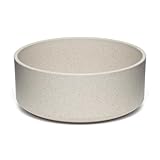
- RENEWABLE & SUSTAINABLE - Dolce Bamboo dogs and cat bowls were crafted using renewable and sustainable resources making them perfect for your pet supplies. This dog dish & bowl set is the perfect choice for conscious pet owners that are looking for both stylish and environmentally responsible puppy essentials and dog accessories.
- DISHWASHER SAFE- Our pet food bowls are designed with your convenience in mind, this bamboo dog bowl is dishwasher safe, making cleanup a breeze! Dog supplies should not be complicated, whether you are using the bowl for dog water bowl or cat food bowl simply place bowls in top rack dish washer. Mealtimes can get sloppy, make clean up easy! Add this eco-responsible bowl to your girl dog accessories, dog travel accessories or dog accessories boy today!
- PREVENTS SPILLS & NOISE - The Dishes skid-free rubber base ensures stability on dog food mat or cat food mat. Prevent spills and reduce mess on your dog mat for food and water or cat feeding station. Expect a dog water bowl no spill, even during your dog’s enthusiastic mealtime, ensuring a clean and mess-free feeding experience. The thoughtful pet feeder design also helps keep your dog’s nose safe from unnecessary friction. Perfect for kitten and puppy essentials!
- AVAILABLE IN THREE SIZES - Small, Medium, and Large—perfectly designed to suit dogs of all breeds and sizes. From small bowls to large dog bowl, these bowls hold from 18 to 76 ounces (2.25 to 9.5 cups) of dog food or water. Whether you need a small dog food bowl for your puppy or a large dog food and water bowl set for your grown dog, we’ve got you covered. These bamboo bowls are ideal for both dog food bowls and cat food bowls. With a versatile design, they are great for puppy bowls, small dog bowls, dog bowls large breed and even a cat water bowl! Elevate your pet’s mealtime with our high-quality dog stuff, dog essentials and puppy supplies!
- AVAILABLE IN THREE COLORS - Dolce Bamboo cat bowl and dog bowls come in three decorative colors to complement any indoor or outside home decor, water mat and dog feeding station, dog water mat : Oat, Slate, and Coffee. Whether you prefer a neutral, modern look or a warmer tone, these bowls seamlessly fit into your space and dog feeding mat. The timeless colors are not only aesthetically pleasing and look great on any cat mat, pet food mat or silicone mat. Choose the color that best matches your style and enhance your mat for dog food and water bowls with a functional yet stylish bowl!
That distinction matters for surveillance and control. A new introduction can require investigators to examine a different pathway, even when the public-facing illness is described broadly as H5N1. It is another reason not to infer the current state of the outbreak from the April 2024 herd count or from one viral lineage alone.
Who faces the greatest human-health risk?
According to the CDC updates cited in the research, the general-public risk has remained low. The higher-risk population consists of people with close or occupational exposure to infected animals or contaminated materials, especially:
- dairy and poultry workers;
- veterinarians and animal-health personnel;
- people handling infected cattle, birds, or contaminated equipment;
- people exposed to raw milk from infected animals; and
- others working in environments where infected animals or their secretions may be present.
The CDC had continued to report sporadic human cases among exposed dairy and poultry workers in its March 6, 2026 situation update cited by the dossier. The cited U.S. updates had not identified person-to-person transmission. That combination—sporadic cases in exposed workers, but no identified sustained human-to-human spread—is very different from a community outbreak affecting people during ordinary shopping, school, or pet-care activities.
Risk is therefore best understood through the exposure route, not simply through the word “bird flu.” A farm worker entering an infected dairy environment and a pet owner buying sealed, pasteurized products do not face the same circumstances.
What pet owners should do
The available research does not provide a current pet-case total, nor does it establish a broad household-pet transmission pattern. Pet owners should not interpret the cattle outbreak as evidence that ordinary contact with a healthy household dog or cat is dangerous. Instead, apply the practical exposure distinction used by public-health agencies.
Keep pets away from raw milk and unpasteurized animal products
Raw milk from infected cows can contain high levels of H5N1 virus. Do not give pets raw milk, raw dairy products, or other unpasteurized animal products from an uncertain source. Pasteurization is a food-safety process; it is not a reason to treat raw milk as safe before processing or to assume that a product’s animal origin makes it harmless.
This precaution is especially important for cats and dogs that are allowed to roam, hunt, or eat food intended for farm animals. Keep raw milk containers and spills away from pets, and clean up accidental spills promptly while avoiding direct contact with potentially contaminated material.
Do these 3 things before closing this tab:
1Repair Windows errors before they cause bigger problems2Fix the driver behind crashes, sound loss and screen glitches3Clear out junk files and repair common Windows errorsDo not let pets investigate sick or dead birds
Wild birds are an important reservoir for avian influenza viruses. A dog or cat that finds a sick or dead bird should be called away rather than allowed to sniff, bite, carry, or eat it. Do not handle the bird with bare hands. If a pet has mouthed or eaten a potentially infected bird, contact a veterinarian and explain the exposure before bringing the animal into a clinic.
Rank #3

- Modern White Cat Bowl with Blue Dot Design: Decorative ceramic cat bowl with stylish dotted pattern. Contemporary cat food bowl that complements modern home décor. making it a tasteful and practical addition to any cat feeding area or pet-friendly home.
- Durable Stoneware Construction: Premium ceramic cat bowl for dry food, wet food, and water. Durable, non-toxic, lead-free cat food bowl designed for everyday feeding. This sturdy pet dish resists tipping, sliding, and scratching, offering a mess free solution for curious cats.
- Care Guidance for Longevity: To preserve the beautiful finish and printed design, we recommend hand-washing only with gentle soap and warm water. Proper care ensures the bowl remains vibrant and functional for years.
- Perfect Size For Cats: With a 1.5 cup / 12 oz capacity, this bowl is perfectly sized for everyday wet food, dry kibble or water — great for kittens and cats of all sizes. The extra-wide, shallow shape reduces whisker fatigue and encourages a natural eating posture.
- Great Gift for Cat Lovers & New Pet Owners: Whether you’re setting up a new cat feeding station, gifting for a friend, or upgrading your current bowls, this piece makes a stylish and practical addition to any pet household. Bowl Size: 5.25" x 5.25" x 2". Holds up to 1.5 Cups.
The same principle applies to poultry, cattle facilities, and farm equipment. Pets should not accompany visitors into an affected livestock area or wander through places where infected animals, manure, milk, bedding, vehicles, or tools may have been present.
Use ordinary hygiene and farm biosecurity
People who move between farms or handle livestock should follow the biosecurity instructions for their workplace. That may include changing or cleaning footwear and clothing, washing hands, controlling vehicle and equipment movement, and keeping pets away from work areas. These measures are particularly important because USDA described local farm-to-farm transmission as multifactorial, with possible indirect links through personnel, vehicles, and other conveyances.
For households with no animal exposure, extraordinary decontamination routines are not warranted by the information in this report. Normal handwashing and safe food handling remain appropriate.
What workers should know about protective equipment
Workers who may enter an infected or potentially infected animal environment should use the respiratory, eye, clothing, hand, and other protection specified by occupational-health and public-health guidance. Equipment selection, training, and fit matter; simply owning protective equipment is not the same as using it correctly.
Where an occupational plan calls for a respirator, N95 respirator masks can be a relevant task-enabling item for farm and animal-exposure protection. They do not diagnose or treat H5N1, do not make raw milk safe, and do not eliminate every exposure route. A respirator should be selected, worn, and fit-tested according to workplace requirements and applicable occupational guidance. This is advice for people with a genuine animal-exposure risk—not a recommendation that ordinary consumers wear an N95 for routine errands or pet care.
Protective eyewear and disposable protective clothing may also be part of a farm’s exposure-control plan. The correct combination depends on the task and the workplace assessment. Workers should follow their employer’s instructions and seek occupational-health advice rather than assemble a makeshift kit based only on the disease name.
Is pasteurized milk safe from H5N1?
The answer depends on distinguishing raw milk, pasteurized milk, and the detection of viral genetic material.
What’s actually slowing this PC down?
Pick the symptom - the matching free tool is one click away.
FDA’s commercial-process study tested the common high-temperature, short-time pasteurization treatment of 161°F (72°C) for 15 seconds. Under the conditions tested, that process completely inactivated H5N1 in nine repeated experiments.
Rank #4

- FINALLY OUR PETS CAN HIT PAUSE TOO: This is more than a pet bowl. Mora is Latin for "Pause", acting as a reminder to slow down your busy life. Pets deserve a calming environment, and our Mora products can help them have that. Modern shapes and clean lines convey a sense of calm in humans, which in turn reflects on the behavior and personalities of our fur babies.
- LEAD FREE ALL NATURAL GLAZE: We know that lead is a poison, but what some of us don't know is that it is in a lot of ceramic glazes since there is no US regulation for lead in pet products. Unlike other ceramic companies, our glazes are lead free, meaning you will never have to worry about lead leaching into your pet's system and making them sick. Since our glaze is all-natural, it tends to change color depending on the lighting. The color may be a tad different from what you see on your screen.
- ROUNDED INSIDE CORNERS FOR ERGONOMIC FEEDING: Some pets struggle to get the food out of the corners of their bowl, sometimes leaving uneaten residue on the edges. Our bowl was designed for every fur baby, making sure their feeding experience is enjoyable, comfortable, and functional. Our bowls are always microwave, dishwasher, and oven safe.
- CERAMIC WITH 20% STRONGER PALADIN CLAY: Our clay was refined and fired with you in mind. Only we have Paladin Clay which is 20% stronger than the competitors, giving you a stronger and more durable ceramic bowl. The heavier bottom gives a sturdy base for even the most excited pets.
- MORA’S PROMISE: We provide a free refund or replacement for any defective products, anytime. Just let us know what happened. We offer daily customer service because you are important to us. Our objective is to help you hit pause, so we won’t settle for anything you don’t love. We’re not happy unless you are.❤
FDA also reported that all 297 retail dairy-product samples in its initial sampling study were negative for viable H5N1 virus. “Viable” means capable of producing an infectious virus; this is a more meaningful finding for infection risk than detecting fragments of viral genetic material alone.
A CDC Emerging Infectious Diseases study illustrates the difference. Researchers detected influenza A viral RNA in 36.3% of pasteurized retail-milk samples collected from April 13 through May 3, 2024. However, the positive samples showed no evidence of viable virus. In a later sampling period, December 2024 through January 2025, 6.9% of samples were positive, all from California processing, and again the research distinction between RNA detection and infectious virus remained important.
In plain language: a test can find genetic remnants without finding live, infectious virus. Those findings should not be reported as proof that pasteurized milk contains infectious H5N1. At the same time, they should not be used to make raw milk sound safe. Raw milk from an infected cow can contain high levels of virus, while FDA’s tested commercial pasteurization process inactivated H5N1 under the study conditions.
Quick wins for a faster PC:
Clear out junk files and repair common Windows errorsFree Scan →Fix the driver behind crashes, sound loss and screen glitchesFind Drivers →Repair Windows errors before they cause bigger problemsFix Now →Do not feed pets raw milk as an alternative to pasteurized products. Do not assume that boiling or home heating is equivalent to a validated commercial pasteurization process, because household handling and heating conditions may vary.
Independent reader supportYour contribution helps us test, update, and keep practical guides available for everyone.How USDA surveillance fits into the response
USDA’s National Milk Testing Strategy was designed to identify affected states and herds, improve understanding of where the virus is present, support biosecurity, and help protect farm workers. Testing is a surveillance-and-response framework; it should not be interpreted as proof that every infected herd is detected instantly or that a negative result removes every possible exposure concern.
Surveillance also helps investigators connect detections with animal movements and farm operations. That information can guide restrictions, testing, cleaning, worker protection, and follow-up investigations. Because the number of herds and states can change, the live USDA dashboard is the appropriate source for a current total.
Key dates in the U.S. dairy-cattle outbreak
| Date | What it tells us |
|---|---|
| March 25, 2024 | USDA confirmed H5N1 in U.S. dairy cattle, according to later USDA and CDC historical summaries. |
| April 22, 2024 | The original headline reported 32 affected dairy herds in eight states. |
| May 22, 2024 | CDC reported 52 infected dairy herds in nine states, showing that the April count had already become outdated. |
| June 28, 2024 | FDA reported its commercial-process pasteurization results: complete H5N1 inactivation under the tested conditions. |
| Early 2025 | USDA documented distinct D1.1 introductions in Nevada and Arizona, separate from the earlier B3.13 dairy-cattle outbreak lineage. |
| March 6, 2026 | The CDC situation page cited in the research continued to describe outbreaks in wild birds, poultry, and U.S. dairy cows, sporadic exposed-worker cases, and low risk to the general public. |
| August 13, 2026 | The research cutoff for this article. A complete, timestamped current herd total was not supplied, so no current number is substituted for the historical 32-herd figure. |
When should a pet owner contact a veterinarian?
Contact a veterinarian promptly if a pet has eaten or handled a sick or dead bird, consumed raw milk from a potentially affected animal, or entered an infected livestock environment. Tell the veterinary practice about the possible exposure before arriving so staff can advise you on safe transport and infection-control procedures.
Recommended Free Tools
Do not attempt to diagnose H5N1 at home, and do not handle a sick pet’s mouth, vomit, feces, or other bodily materials unnecessarily. The exposure history is important even if the pet initially appears well. A veterinarian can decide whether monitoring, testing, or additional precautions are appropriate.
Best Value

- LARGE CAPACITY: Features a large capacity of 13oz (400ml), and a size of 5.1” W x 2” H, it is large enough for both dry food and wet food, or for use as water bowl.
- SAFE FOR CATS: The cute cat bowls are made of food-grade ceramic, it’s cadmium-free, lead-free, non-toxic and hygienic.
- NON-SLIP: This heavy ceramic cat bowl features a non-slip ring base on the bottom, keeping the cat dish firmly in place.
- WHISKER FRIENDLY: The extra wide opening (5.1”) of this cat food bowl can effectively prevent whisker fatigue, helps cat’s get all the kibbles from the bowl and encourages them to drink more water.
- DISHWASHER SAFE: With a glazed surface design, cat food won't easily stick to the bowl, offering extra convenience for cleaning. Simply place it in the dishwasher for effortless cleanup — giving you more spare time to enjoy with your furry friends.
The bottom line for households
The 32-herd, eight-state number belongs to April 22, 2024. It was followed by a 52-herd, nine-state count a month later and by additional detections and investigations. The outbreak deserves continued surveillance because H5N1 is circulating in a mammalian host and can spill over to people with close animal exposure.
That concern should not be confused with equal risk for everyone. CDC has continued to rate the risk to the general public as low, while workers and others who handle infected animals, contaminated materials, or raw milk face greater risk. For pet owners, the most useful steps are straightforward: use pasteurized products, keep pets away from sick or dead birds and livestock areas, follow farm biosecurity, and call a veterinarian after a significant exposure.
Frequently Asked Questions
Are there still only 32 dairy herds affected by H5N1?
No. The 32-herd figure was the USDA count reported on April 22, 2024. CDC reported 52 infected dairy herds in nine states on May 22, 2024, and later surveillance continued. Use the live USDA or CDC dashboard for a current count.
Can people catch H5N1 from infected dairy cows?
CDC has continued to describe the risk to the general public as low. Risk is higher for people with close or occupational contact with infected cattle, poultry, contaminated materials, or raw milk. The U.S. updates cited here did not identify person-to-person transmission.
Can I give my dog or cat raw milk during the bird-flu outbreak?
Do not give pets raw milk or unpasteurized dairy products. Raw milk from infected cows can contain high levels of H5N1. FDA found that commercial high-temperature, short-time pasteurization at 161°F (72°C) for 15 seconds inactivated H5N1 under the tested conditions.
What should I do if my pet catches a sick bird?
Keep pets away from sick or dead birds and from infected livestock areas. If a pet eats or handles a potentially infected bird, consumes potentially contaminated raw milk, or enters an affected farm environment, contact a veterinarian and describe the exposure before bringing the pet to the clinic.
Does detecting bird-flu RNA in pasteurized milk mean the milk is infectious?
FDA testing found no viable H5N1 virus in its initial set of 297 retail dairy-product samples, and its commercial-process study found complete inactivation under the tested pasteurization conditions. Viral RNA detected in some pasteurized milk samples is not the same as finding infectious virus.
The Tool Desk
Outbyte PC Repair FREERepair Windows errors before they cause bigger problemsFix Now →Outbyte Driver Updater FREEScan for outdated or missing drivers - takes under a minuteDriver Scan →The Bottom Line
The 32-herd figure was a dated April 22, 2024 snapshot, not a current total. H5N1 in dairy cattle remains a surveillance and occupational-health concern, but CDC has continued to rate general-public risk as low. Keep pets away from raw milk, sick or dead birds, and infected livestock environments; use pasteurized dairy products and seek veterinary advice after a known exposure.
Quick Recap
Product prices and availability are accurate as of the date/time indicated and are subject to change. Any price and availability information displayed on Amazon at the time of purchase will apply.




