No: a blue-looking tongue in an elite sport horse should not be dismissed as harmless based on a photograph—or diagnosed as cyanosis from one. A small 2025 study found no significant measured tongue-colour change after one standardized exercise test, but it did not test other physiological measures or explain the cause of discoloration in any particular horse. Welfare guidance treats a pinched or blue tongue as an unacceptable mouth sign; persistent or unexplained discoloration warrants veterinary assessment.
Are blue tongues in horses harmless?
There is not enough evidence to say that a blue-looking tongue in an individual sport horse is harmless. Nor does a photograph establish that the horse has cyanosis, identify why the tongue looks blue, or prove that a particular piece of equipment caused it.
As an Amazon Associate I earn from qualifying purchases.
These are separate questions: whether an image accurately represents tissue colour, whether the horse has a clinically significant problem, and what might have caused the appearance. A photograph alone cannot settle them. Athletic performance is not proof that a localized mouth or welfare concern is absent.
What the 2025 exercise study found
Marlin, Mackechnie-Guire and Murray examined nine horses before and after a standardized 20-minute ridden exercise test. The horses wore a bridle, snaffle bit and noseband. Researchers used a reference colour-and-exposure palette to standardize lateral photographs and assessed tongue and gingival colour values. Their abstract reports no significant differences in mean colour measures before and after exercise. Read the 2025 Equine Veterinary Journal conference abstract.
#1 Best Overall
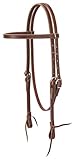
- Single-ply 5/8" brown latigo leather headstall delivers reliable performance at a budget-friendly price
- Soft and supple, this latigo leather headstall offers exceptional comfort to your horse
- Precision stitching offers durability and good looks
- Easy bit changes with latigo leather water ties
- Durable nickel plated hardware includes buckles at both cheeks for a great fit
The result is narrow: it describes photographic measurements in nine horses under one exercise protocol. The authors state that other physiological tests were not performed. It therefore does not show that every blue-looking tongue is harmless, establish the cause of discoloration in elite competition images, or rule out a welfare issue in a particular horse. The study’s nine horses and 25 paired left/right images are methods counts, not prevalence estimates.
Can a photograph diagnose cyanosis?
No. The study authors note that photographic representation of tongue colour had not been validated as a diagnostic measure. They describe standardized photography as a possible research method for investigating colour balance, not an established diagnostic test. The abstract explains the method and its limitations.
Rank #2

- Handcrafted from premium harness leather
- Includes 5/8 inch x 7-1/2' roper reins
- Features an all leather curb strap
- Leather is hand Rubbed for the ultimate performance
- Bit measures 5 inch
A veterinary reference describes cyanosis as bluish discoloration associated with increased absolute reduced hemoglobin, while noting that lighting and pigmentation affect visual detection. That technical description is not a do-it-yourself test: a colour in an image cannot establish the underlying physiology. See the veterinary reference on respiratory-system disorders.
The Tool Desk
Outbyte Driver Updater FREEFix the driver behind crashes, sound loss and screen glitchesFind Drivers →Outbyte PC Repair FREERepair Windows errors before they cause bigger problemsFix Now →Lighting, exposure, image processing and natural pigmentation can all complicate visual interpretation. A standardized image may make colour comparisons more consistent, but consistency does not make the method a validated clinical diagnosis.
Rank #3

- Soft, Supple Burgundy Latigo Leather
- 5" Curb Bit
- Made by Weaver Leather Mt. Hope, Ohio
- All Leather Curb Strap
What welfare guidance says about a pinched or blue tongue
The United States Equestrian Federation’s horse-and-athlete observation guide places “Tongue pinched/turned blue” in its unacceptable/not-okay mouth-sign category. This is a welfare observation, not a diagnosis of cyanosis or an explanation of cause. See the USEF mouth observation guide.
A 2025 critical perspective from the World Equine Veterinary Association discusses prior documentation of tongue discoloration in elite dressage and welfare concerns. It is a perspective piece, not primary evidence establishing the cause or frequency of blue tongues. It also notes that dense oral foam can obscure assessment, so an image that does not clearly show the tongue may not resolve the concern. Read the 2025 perspective.
Rank #4

- PREMIUM CONSTRUCTION: Nylon padded browband headstall with reins, designed for comfort and durability during long rides
- VERSATILE FIT: Available in multiple sizes to accommodate different horse breeds and head shapes
- COLOR OPTIONS: Multiple color choices available to match your preferred style and tack collection
- ADJUSTABLE DESIGN: Features easy-to-use buckles for a customizable and secure fit on your horse
- COMPLETE SET: Includes both the padded browband headstall and coordinating reins for immediate use
What to do about persistent or unexplained discoloration
If a horse’s tongue appears discoloured repeatedly or the change is unexplained, arrange a veterinary assessment rather than relying on a photograph, sport performance or an equipment purchase. A veterinarian can assess the horse and examine the mouth in context; Merck Veterinary Manual describes equine oral disorders and veterinary oral examination. See Merck’s guide to disorders of the mouth in horses.
Recommended Free Tools
The evidence reviewed here does not establish that bit pressure caused discoloration in any depicted elite horse, and the 2025 study did not test that mechanism. Avoid treating a presumed equipment cause as confirmed. A colour impression can raise a question, but determining whether there is a clinical problem and what may be behind it requires more than a photograph.
Quick Recap
Best Value

- Traditional Raised Design: Features an elegant raised browband and caveson that beautifully complements your horse's head, creating a refined and classic appearance in the show ring or during everyday riding
- Quality Leather Construction: Crafted from standard quality leather with durable leather laced reins, providing reliable performance and a comfortable grip for precise control during training and competition
- Cob Size Specifications: Designed specifically for cob-sized horses with a 14-inch browband, 33-39 inch bit-to-bit measurement, 21-25 inch adjustable noseband, and 52-inch reins for proper fit and comfort
- Complete Bridle Set: Includes all essential components except the bit, allowing you to customize with your preferred snaffle bit style to match your horse's training needs and mouth conformation
- Versatile Sizing Options: Available in multiple sizes including Horse, Cob, and Pony measurements to accommodate different breeds and head sizes, ensuring a proper and secure fit for various equines
Product prices and availability are accurate as of the date/time indicated and are subject to change. Any price and availability information displayed on Amazon at the time of purchase will apply.




