The Border Terrier is a small, active working terrier with an affectionate nature and an independent streak. It can be a rewarding companion for an owner who can provide daily activity, training, secure containment, and regular coat care. Its prey drive means it should not be trusted off leash in unfenced areas or around small animals without management.
Border Terriers typically stand 12–15 inches tall, weigh about 13–15.5 pounds for males and 11.5–14 pounds for females, and live approximately 12–15 years. Individual dogs vary, so these figures are useful guidelines rather than guarantees.
Border Terrier at a glance
| Characteristic | Typical Border Terrier |
|---|---|
| Size | About 12–15 inches tall |
| Weight | Males: 13–15.5 lb; females: 11.5–14 lb. The Royal Kennel Club gives comparable ranges of approximately 6–7 kg for dogs and 5–6.5 kg for bitches. |
| Life expectancy | Approximately 12–15 years |
| Coat | Short, dense undercoat with a hard, wiry, somewhat broken outer coat |
| Energy level | Active; needs daily physical activity and mental engagement |
| Temperament | Affectionate, responsive, intelligent, independent, and often eager to please |
| Best containment | Leash outdoors unless in a genuinely secure fenced area |
| Common grooming method | Brushing plus hand-stripping or professional coat maintenance |
The Border Terrier was recognized by the American Kennel Club in 1930. It originated in the border country between England and Scotland, where hunters developed it to work alongside hounds, pursue foxes and other quarry over difficult terrain, and enter underground dens. Its narrow body, stamina, agile movement, weather-resistant coat, and loose-fitting hide reflect that working purpose.
What is a Border Terrier like?
At home, a well-socialized Border Terrier is often affectionate, cheerful, and closely connected to its people. The breed is generally responsive and intelligent, but it is not a mechanically obedient dog. A Border may understand exactly what you asked and still decide that following a scent, chasing movement, or investigating a noise is more rewarding.
#1 Best Overall

- Professional grade pet grooming tool
- The Mars Stripping Knife is ideal for plucking and removing excess undercoat and useful for finish work to help create that "show dog" look
- Lightweight; stainless steel blades for extra durability & rust resistance; revited wooden handles for easier handling, especially when wet
- Manufactured in Germany
- For terriers
That combination can be highly appealing to owners who enjoy training and interaction. It can be frustrating for someone who wants a small dog that automatically complies, settles without much activity, or can be trusted to ignore distractions. The Border’s independence is part of its working heritage.
Harsh punishment and intimidation are poor choices for this breed. Border Terriers tend to respond better to food rewards, play, brief corrections, consistency, and varied practice. Heavy-handed handling can damage the cooperative, sensitive personality that makes the breed a good companion.
Are Border Terriers good family dogs?
They often can be. Border Terriers commonly live successfully with children and other dogs when they are thoughtfully socialized and the household provides supervision and structure. However, “good with children” should not mean leaving a puppy and a child to manage themselves. Puppies are energetic, mouthy, easily overexcited, and still learning how to interact appropriately.
- Teach children not to pull ears or tails, climb on the dog, disturb sleep, or take food and toys.
- Give the dog a quiet retreat that children cannot enter without an adult.
- Supervise play, particularly with puppies and young children.
- Do not expect a young Border to have the emotional steadiness of a mature adult; the parent club notes that some take several years to fully mature.
Early socialization and puppy classes can improve leash manners, public behavior, and acceptance of other dogs. Socialization should mean controlled exposure to people, places, surfaces, sounds, handling, and suitable dogs—not forcing a worried puppy into overwhelming situations.
Border Terriers and cats or small pets
A Border Terrier’s friendliness toward people or other dogs does not eliminate its prey drive. The breed was developed to hunt vermin and pursue quarry. A Border may coexist with a cat already established in the household, especially when introductions are gradual and management is consistent, but that is not a promise of safety.
Stray cats, rabbits, rodents, birds, and other small moving animals may trigger chase or predatory behavior. Individual temperament, early experience, and training matter, but management remains necessary. Use barriers, secure doors, leashes, and supervision rather than relying on a verbal cue when the dog is highly aroused.
How much exercise does a Border Terrier need?
Plan on daily physical activity plus opportunities to use the dog’s brain. The American Kennel Club describes a brisk half-hour walk or active play session as a useful baseline for many Borders. The Border Terrier Club of America gives examples ranging from a 20-minute neighborhood walk to an hour-long park walk. The right amount depends on age, health, weather, and temperament.
A good routine might combine:
- A walk that allows safe sniffing and exploration
- Short training sessions distributed through the day
- Interactive play such as fetch or tug, with appropriate rules
- Scent games, searching, or food puzzles
- Structured activities such as agility, tracking, Earthdog, flyball, lure coursing, obedience, or therapy work
Variety matters. Repeating the same exercise every day may meet some physical needs but leave an intelligent, independent terrier bored. Mental work should complement—not replace—movement, social contact, and rest.
Recommended Free Tools
Off-leash safety and fencing
Do not assume a Border Terrier’s recall is reliable in an unfenced area. A rabbit, squirrel, cat, or other moving target can override months of training. Use a secure leash outdoors, and reserve off-leash running for a genuinely secure fenced area.
Inspect fencing from a terrier’s point of view. Borders may dig or climb, so check for escape opportunities and consider underground protection against digging. A long line can provide more freedom during recall practice, but it is not a substitute for a safe enclosure or supervision.
Rank #2
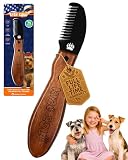
- ✂️【Healthy Skin Starts with Proper Stripping】 Regular hand stripping knife for dogs helps remove built-up dead coat that can trap heat and moisture. The Kizo Eslo stripping comb knife supports natural hair turnover and helps maintain the texture and healthy look of terrier coats. You’ll notice reduced shedding at home and a fresher, more polished appearance in your dog.
- 💤【Gentle Grooming, Zero Resistance】 No more pulling, no more yelping — just calm, stress-free grooming. Paired with industrial-grade shedding blade for dogs and solid Sapele wood, Kizo Eslo dog stripping knife ensures a painless experience for even the most sensitive dogs.
- 🐕🦺【Built for Terriers, Loved by All】 Perfect for wire-haired and double-coated breeds — from Westies and Cairn Terriers to Schnauzers, Norfolk Terriers, Border Terriers, and Fox Terriers. Kizo Eslo carding knife dog grooming tool preserves coat texture while removing dead hair efficiently, making it ideal for terrier grooming and beyond.
- 💪【Hand Stripping, Effortlessly Controlled】 Experience professional-level precision with our ergonomic, anti-slip wooden handle. Whether you’re a beginner or a seasoned groomer, this tool offers easy handling for daily grooming.
- 🔧【Crafted to Last. Trusted Worldwide.】 Made with industrial-grade stainless steel and real hardwood, this dog grooming tool resists rust, breakage, and wear. Loved by professionals and pet parents globally.
For walks and recall training, an escape-resistant dog walking setup can be useful. Choose equipment that fits correctly, check it before every outing, and remember that no leash or long line removes prey drive; it simply gives you a safer margin for management.
Heat precautions
Border Terriers can fade quickly in hot weather. The American Kennel Club advises minimizing outdoor exercise above 85°F. On hot days, move activity to cooler morning or evening hours or a climate-controlled setting, provide water, and monitor the dog closely for signs of overheating. Contact a veterinarian promptly if you suspect overheating.
Do these 3 things before closing this tab:
1Fix the driver behind crashes, sound loss and screen glitches2Clear out junk files and repair common Windows errors3Scan for outdated or missing drivers - takes under a minuteTraining a Border Terrier
Start training and socialization early, but continue teaching throughout adolescence and adulthood. Border Terriers usually learn quickly when training is rewarding and relevant. They may lose interest when exercises become repetitive, so keep sessions short, change locations, and vary the rewards.
A practical training approach
- Reward the behavior you want. Use small treats, praise, play, or access to something the dog enjoys.
- Begin in a low-distraction setting. Gradually make the environment more difficult instead of testing a new cue beside a squirrel.
- Practice in different places. Dogs do not automatically generalize a behavior from the kitchen to the sidewalk.
- Keep repetitions brief. Stop while the dog is still engaged.
- Manage before the dog fails. Use distance, a leash, a gate, or a food lure rather than repeatedly shouting an ineffective cue.
- Avoid physical punishment. It can create fear, conflict, and reduced trust without solving the motivation behind the behavior.
Recall deserves realistic expectations. Build it with high-value rewards in controlled locations, use a long line for additional practice, and do not test it by releasing the dog near wildlife. A Border that comes away from an interesting scent in a fenced field may still chase a rabbit beyond an open trail.
Common behavior challenges
Border Terriers are not usually described as incessant barkers, but they are alert dogs. A visitor, delivery vehicle, passing dog, or unusual sound may produce an announcement. Teach an alternative routine—such as moving to a mat for a reward—rather than expecting the dog never to notice anything.
Digging, chewing, jumping up, and door-dashing are realistic problems, especially during puppyhood and adolescence. Effective management includes:
The Tool Desk
Outbyte PC Repair FREEClear out junk files and repair common Windows errorsFree Scan →Outbyte Driver Updater FREEFix the driver behind crashes, sound loss and screen glitchesFind Drivers →- Using a gate or closed interior door at entrances
- Practicing calm greetings before the dog is allowed access to visitors
- Providing suitable chew items and supervising their use
- Offering planned scent games and food-based enrichment
- Creating an approved digging area if digging is a strong and safe outlet for the individual dog
- Preventing rehearsal of escape behavior with secure fencing and leash routines
An interactive dog puzzle toy or treat-dispensing toy may add useful mental work, provided it is appropriately difficult, supervised at first, and counted as enrichment rather than a replacement for exercise or companionship.
Crates and alone time
A crate can serve as a bedroom, travel space, and short-term safety area. It should be introduced gradually and associated with rest, food, and calm experiences. It should not become a way to isolate a Border Terrier for most of the day.
The parent club cautions against excessive daytime crating and against keeping the dog isolated in a garage, basement, yard, or kennel. Borders are companion dogs that need regular interaction with their people. If your schedule requires long absences, consider how the dog will receive toilet breaks, exercise, training, social contact, and mental stimulation.
A safe dog travel crate can help with transport and household management. Select the correct size, secure it properly in a vehicle, and never use it as a substitute for training, exercise, or appropriate supervision.
Quick wins for a faster PC:
Scan for outdated or missing drivers - takes under a minuteDriver Scan →Clear out junk files and repair common Windows errorsFree Scan →Fix the driver behind crashes, sound loss and screen glitchesFind Drivers →Rank #3

- ✂️【Healthy Skin Starts with Proper Stripping】 Regular hand stripping knife for dogs helps remove built-up dead coat that can trap heat and moisture. The Kizo Eslo stripping comb knife supports natural hair turnover and helps maintain the texture and healthy look of terrier coats. You’ll notice reduced shedding at home and a fresher, more polished appearance in your dog.
- 💤【Gentle Grooming, Zero Resistance】 No more pulling, no more yelping — just calm, stress-free grooming. Paired with industrial-grade shedding blade for dogs and solid Sapele wood, Kizo Eslo dog stripping knife ensures a painless experience for even the most sensitive dogs.
- 🐕🦺【Built for Terriers, Loved by All】 Perfect for wire-haired and double-coated breeds — from Westies and Cairn Terriers to Schnauzers, Norfolk Terriers, Border Terriers, and Fox Terriers. Kizo Eslo carding knife dog grooming tool preserves coat texture while removing dead hair efficiently, making it ideal for terrier grooming and beyond.
- 💪【Hand Stripping, Effortlessly Controlled】 Experience professional-level precision with our ergonomic, anti-slip wooden handle. Whether you’re a beginner or a seasoned groomer, this tool offers easy handling for daily grooming.
- 🔧【Crafted to Last. Trusted Worldwide.】 Made with industrial-grade stainless steel and real hardwood, this dog grooming tool resists rust, breakage, and wear. Loved by professionals and pet parents globally.
Border Terrier coat and grooming
The coat has a short, dense undercoat and a hard, wiry, somewhat broken outer coat. It is designed to resist weather and repel dirt. In ordinary conditions, a quick brushing about weekly or every two weeks is a reasonable starting point; seasonal shedding may require more frequent removal of dead hair.
Hand-stripping versus clipping
Hand-stripping removes dead outer hairs and helps preserve the coat’s characteristic texture and weather resistance. Experienced owners may be able to strip a dog completely in roughly one to two hours, and a new outer coat commonly takes about six to eight weeks to develop. Regular rolling or tidying can maintain the appearance over a longer period. Coat type varies, however, and not every Border is equally easy to maintain this way.
A Border Terrier stripping knife may be part of a suitable grooming setup, but the tool itself does not make hand-stripping automatically safe or effective. Beginners should learn the technique from someone experienced with Border Terrier coats. Stop if the dog is distressed, avoid pulling live hair, and prioritize comfort and skin health over a show-style finish.
Routine clipping is not generally recommended by the Border Terrier Club of America for a normal healthy coat. Clipping cuts the outer hair rather than removing it, which can alter texture and may reduce the coat’s protective function. If hand-stripping is not practical, discuss the least damaging maintenance plan with a groomer who understands terrier coats. A breed-experienced hand-stripping groomer may be preferable to a general salon unfamiliar with the coat.
What’s actually slowing this PC down?
Pick the symptom - the matching free tool is one click away.
Routine grooming checklist
- Brush regularly and check for mats, debris, and skin changes.
- Trim nails before they become overgrown.
- Observe and clean the teeth routinely; ask your veterinarian about an appropriate dental-care plan.
- Check ears and skin during grooming.
- Keep sanitary areas tidy.
- Bathe only when needed, using dog-formulated shampoo. Frequent bathing can remove natural protective oils.
Feeding and weight control
Feed a complete, age-appropriate diet and provide fresh water at all times. A high-quality commercial food can work well; a home-prepared diet should be formulated or supervised by a veterinarian so that it is nutritionally complete.
Border Terriers can gain weight readily. Measure meals instead of feeding by guesswork, include training treats in the daily calorie budget, and assess body condition regularly. The parent club’s practical target is a well-muscled dog whose ribs can be felt without excessive covering. A visible waist and abdominal tuck are useful signs, but your veterinarian can help you assess the ideal condition for your particular dog.
Because treats may be used frequently during training, use very small pieces or reserve part of the dog’s regular food for rewards. Adjust the meal quantity when treats, chews, or table food increase the day’s calories.
Independent reader supportYour contribution helps us test, update, and keep practical guides available for everyone.Border Terrier health
The breed is generally considered healthy, but no breed is free from inherited or acquired disease. Reported concerns include:
- Hip dysplasia
- Cardiac defects
- Progressive retinal atrophy
- Juvenile cataracts
- Seizures
- Allergies
- Bite malocclusion
- Undescended testicles
Border Terriers may be stoic and show illness subtly. An unusual withdrawal, quietness, change in interaction, appetite, movement, or routine deserves attention rather than being dismissed as a personality quirk. Contact a veterinarian when behavior changes are sudden, persistent, or accompanied by physical symptoms.
The BTCA notes that anesthesia induction may be slower in some Border Terriers. Tell your veterinarian that your dog is a Border Terrier before a procedure and discuss any previous anesthetic history, medications, and concerns with the veterinary team. This is a communication point, not a reason to avoid medically necessary care.
Rank #4
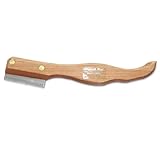
- Professional grade pet grooming tool
- The Mars Stripping Knife is ideal for plucking and removing excess undercoat and useful for finish work to help create that "show dog" look
- Handle made from cherry wood and blades from stainless steel
- Manufactured in Germany
- For fine hair
Health testing when choosing a puppy
The Border Terrier Club of America’s health statement recommends that breeding dogs receive:
- Hip evaluation
- Yearly eye examinations by an ACVO board-certified ophthalmologist through at least age eight
- Patella evaluation
- Cardiac examination by an ACVIM board-certified cardiologist
- DNA testing for spongiform leukoencephalomyelopathy, or SLEM
The club recommends public recording of results through OFA or an accepted equivalent system and considers a CHIC number highly desirable. OFA explains that a CHIC certification means the dog completed the parent-club-recommended screening protocol and that results were made public. A CHIC number does not mean every result was normal. Buyers need to inspect the individual reports and discuss what they mean with the breeder. Testing recommendations can change as breed-health priorities and available tests evolve.
Questions for a Border Terrier breeder
Ask for the sire’s and dam’s registered names and public links or copies of relevant records. Specifically request:
- Hip and patella results
- Eye examination dates and findings
- Cardiac examination information
- SLEM status
- Vaccination and parasite-prevention records
- Information about the parents’ temperament, adult size, and health history
- The breeder’s policy for returning or rehoming a dog if your circumstances change
A responsible breeder should ask questions about your household too. They should discuss socialization, exercise, prey drive, grooming, and whether a particular puppy is suitable for your lifestyle rather than treating the purchase as a simple transaction.
Who is a Border Terrier a good fit for?
A Border Terrier may suit you if you:
- Want a small dog that is active, athletic, and engaged with its people
- Can provide daily walks, play, training, and enrichment
- Are willing to use secure fencing and a leash outside safe enclosures
- Can manage a persistent prey drive around wildlife and small pets
- Enjoy a dog with initiative rather than expecting automatic obedience
- Will maintain a wiry coat through brushing and hand-stripping or professional grooming
- Want a companion that can participate in activities such as tracking, agility, Earthdog, or obedience
The breed may be a poor fit if you want a dog that can stay isolated outdoors, requires little interaction, can reliably roam off leash, never chases small animals, is completely non-shedding, or needs no grooming. Borders can adapt to city, suburban, or rural living, but the environment must support their exercise, companionship, training, and containment needs.
Border Terrier care checklist
- Provide daily walks, play, training, and scent or problem-solving activities.
- Use a leash outdoors except in a secure fenced area.
- Check fencing for digging, climbing, gaps, and door-dashing routes.
- Start socialization and reward-based training early.
- Use short, varied training sessions and avoid harsh corrections.
- Brush at least weekly and arrange hand-stripping or suitable coat maintenance.
- Trim nails and maintain dental hygiene.
- Feed measured portions and monitor body condition.
- Reduce heat exposure above 85°F.
- Ask breeders for hip, eye, patella, cardiac, and SLEM documentation.
- Contact a veterinarian about sudden quietness, withdrawal, or other unusual behavior.
Breed descriptions describe tendencies, not guarantees. Temperament, prey drive, exercise needs, coat behavior, and health outcomes vary with genetics, early environment, training, age, and medical history. This information is educational and does not replace an examination or individualized advice from a veterinarian.
Crashes, No Sound, or Screen Glitches?
Random freezes, missing sound and display glitches usually trace back to one bad driver. Find and replace yours safely.Free scan · under a minuteWindows Errors? Fix Them Before They Spread
Repair common Windows errors and clear accumulated junk for a smoother, more stable PC - no reinstall needed.Free scan · no reinstallFAQ
Are Border Terriers easy to train?
They are intelligent and often motivated by food, play, and interaction, but they are also independent. Short, varied, reward-based sessions generally work better than repetition, harsh corrections, or expecting automatic obedience.
Can Border Terriers live with cats?
Some can live successfully with a cat already established in the home, but the breed retains a strong prey drive. Introductions, barriers, supervision, and ongoing management are important, and no Border should be assumed safe with unfamiliar cats or other small animals.
Do Border Terriers shed?
Yes. Their wiry coat sheds dead hair, with seasonal shedding sometimes requiring extra grooming. Brushing and hand-stripping help remove dead hair; routine clipping can change the coat’s texture and protective qualities.
Can a Border Terrier be off leash?
Only in a genuinely secure fenced area. Wildlife or other moving targets can override recall, so walks in unfenced areas should use a secure leash or appropriately managed long line.
Free tools Windows power users keep installed
One-click scans. No signup required.
How much exercise does a Border Terrier need?
Many need at least a brisk half-hour walk or active play session daily, while some are better served by longer activity. Add training, sniffing, and problem-solving, and adjust the routine for age, health, fitness, and weather.
The Bottom Line
The Border Terrier is best understood as a small working dog, not simply a small companion breed. With daily activity, thoughtful training, secure containment, appropriate grooming, and realistic management around prey animals, it can be an affectionate and rewarding family companion. Choose another breed if your priority is a dog that can be left isolated, roam safely off leash, or require almost no grooming or behavior management.
Quick Recap
Product prices and availability are accurate as of the date/time indicated and are subject to change. Any price and availability information displayed on Amazon at the time of purchase will apply.




