
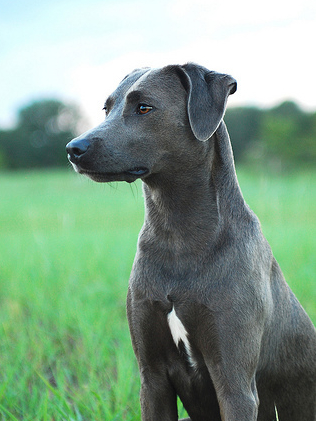
 Photo: TrueBlueLacys · CC BY-SA 3.0
dog breed · 927 on Animalso
Blue Lacy: The Texas Working Dog
- Animal
- Dog
- Origin
- United States
The Blue Lacy, also called the Lacy Dog, is a working-dog breed from the U.S. state of Texas. Its history reaches back to the mid-19th century. The Texas Senate first recognized it in 2001, and Texas adopted it as the official state dog breed in 2005. Most Blue Lacys are still found in Texas, with populations elsewhere growing.
What the Blue Lacy is
The Blue Lacy, or Lacy Dog, is a working-dog breed that began in Texas, United States.
Its documented history places its origin in the mid-19th century.
Where its story begins
The breed’s starting point is Texas. The state remains home to the vast majority of Blue Lacy dogs.
For a wider look at its national setting, see Dog breeds from United States.
What stands out
The Blue Lacy has formal recognition in Texas. The Texas Senate honored it in 2001, and state legislation made it the official Texas state dog breed in 2005.
That designation gives the breed a clear place in Texas history.
Points to keep in mind
Although the breed is becoming more recognized, most Blue Lacys remain in Texas.
Breeding populations have also been established across the United States, Canada and, more recently, Europe.
Pricing
Blue Lacy is a dog breed rather than a software service, so software plan pricing does not apply.
Who may look elsewhere
Someone seeking a breed with a history outside the United States may want to compare other entries in Dog breeds.
Readers focused on Texas working-dog heritage will find the Blue Lacy’s documented background more relevant.
Verdict
Choose the Blue Lacy if its Texas roots and working-dog identity are central to your search. Its official state designation is part of the breed’s record, not a description of behavior or care needs. The breed is now represented beyond Texas, yet its strongest historical connection remains there. Consider it alongside other dogs from the United States when origin matters most to your choice.
What stands out
- Working-dog breed originating in Texas
- Recognized by the Texas Senate in 2001
- Official Texas state dog breed since 2005
- Breeding populations now extend beyond Texas
Worth knowing
- Most Blue Lacys are still found in Texas
- Breed history is closely tied to one U.S. state
- Wider populations are a relatively recent development
Suits
- Readers tracing a dog’s American and Texas origins
- People comparing working-dog breeds from the United States
Think twice if
- You want a breed whose documented origin is outside the United States
- You need size, lifespan or behavior details before deciding
In short
The Blue Lacy is a Texas-origin working dog with a documented mid-19th-century beginning. Texas recognized it in 2001 and adopted it as the state’s official dog breed in 2005. Most examples are still located in Texas, while breeding populations have spread through the United States, Canada and Europe. This breed suits readers who value a clearly recorded American origin and a link to Texas history. The available record here does not describe size, lifespan, temperament or care, so those questions need separate confirmation before choosing one.
Questions
Where did the Blue Lacy originate?
The Blue Lacy originated in the U.S. state of Texas.
What was the Blue Lacy bred as?
It is identified as a working-dog breed.
When was the Blue Lacy first recognized?
The Texas Senate first recognized the breed in 2001.
Is the Blue Lacy an official state breed?
Yes. Texas adopted it as the official state dog breed in 2005.
Where are most Blue Lacy dogs found?
The vast majority are found in Texas, although breeding populations now exist elsewhere.
Is the Blue Lacy found outside the United States?
Yes. Populations have been established in Canada and, more recently, Europe.
More dog breeds from United States
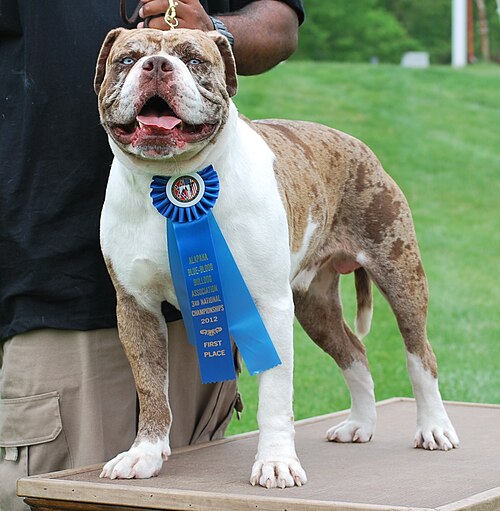
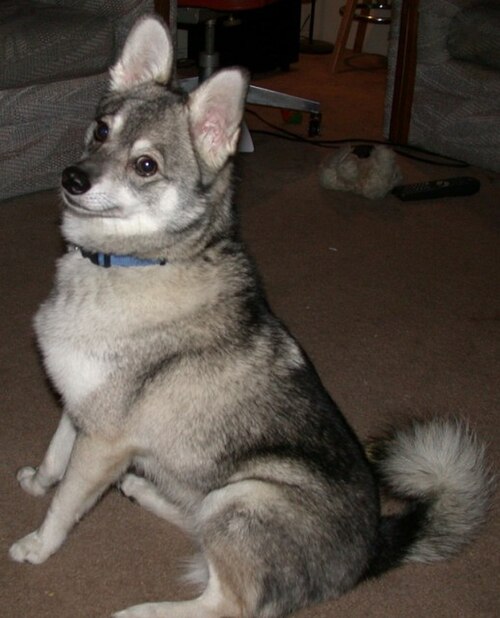
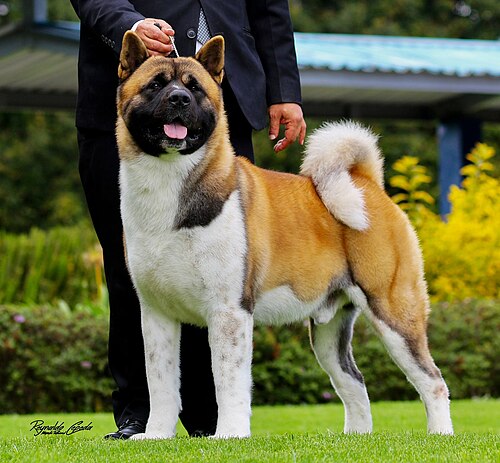
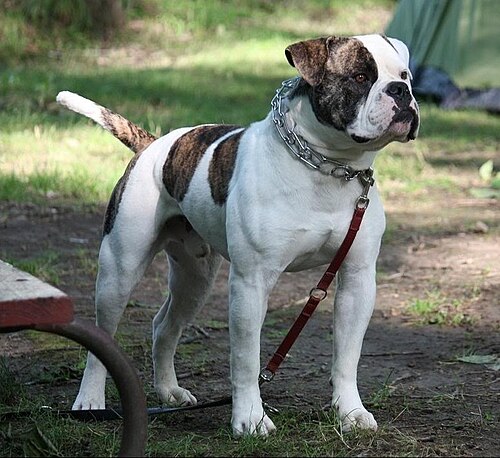 American Bulldog United States Lives 10 yrs Photo: Bully Rascalz · Copyrighted free use
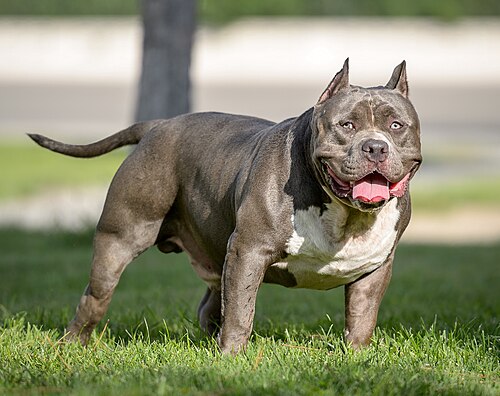
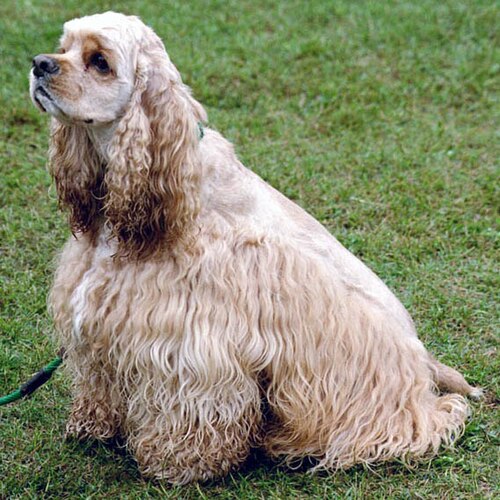
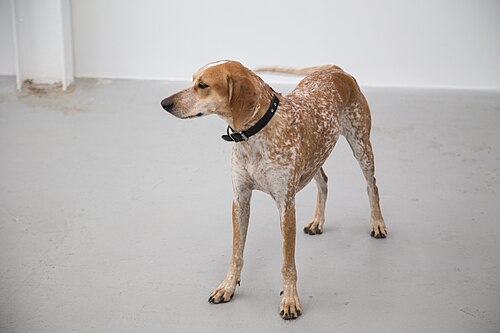
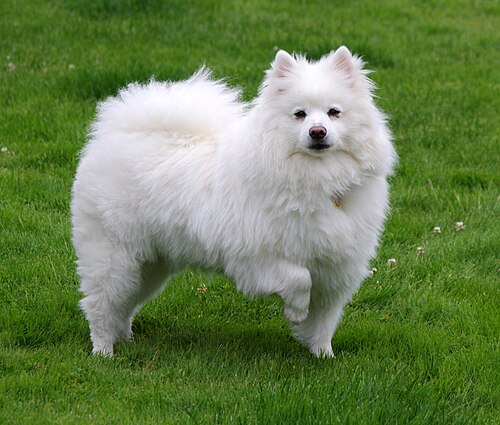
Photo credits9 photographs on this page
- Blue Lacy — TrueBlueLacys · CC BY-SA 3.0 · file page
- Alapaha Blue Blood Bulldog — Mjrustline · CC BY-SA 3.0 · file page
- Alaskan Klee Kai — Gnuyen · CC BY-SA 3.0 · file page
- American Akita — Edwin Campos · CC0 · file page
- American Bulldog — Bully Rascalz · Copyrighted free use · file page
- American Bully — Juan. botti · CC BY-SA 3.0 · file page
- American Cocker Spaniel — Wikimedia Commons contributor · CC BY-SA 3.0 · file page
- American English Coonhound — BurnAway · CC BY 2.0 · file page
- American Eskimo Dog — Christmas w/a K · CC BY-SA 2.0 · file page
Photographs come from Wikimedia Commons under the licence each one names. How Animalso credits photographs.