Do these 3 things before closing this tab:
1Fix the driver behind crashes, sound loss and screen glitches2Repair Windows errors before they cause bigger problems3Scan for outdated or missing drivers - takes under a minuteThe Bullmastiff is a large, powerful English breed developed by gamekeepers to protect estates. It can be a loyal, affectionate family companion, but its size and strength make early training, socialization, and thoughtful handling essential. Breed descriptions and size standards are guides—not guarantees of an individual dog’s temperament or adult size.
What is a Bullmastiff?
Developed in England by gamekeepers to deter poachers and protect estates, the Bullmastiff traces its origins to Bulldog and Mastiff crosses. The American Kennel Club (AKC) standard describes the foundation breeding as 60 percent Mastiff and 40 percent Bulldog; that is the standard’s historical description, not a modern genetic measurement. Today, Bullmastiffs are kept as companions as well as guardian-type working dogs. Their history does not make aggression inevitable or replace the need for responsible training.

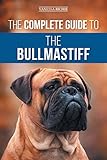


The AKC standard describes a symmetrical, powerful but active dog with a nearly square outline, broad, deep muzzle, and short, dense coat. Accepted colors are red, fawn, and brindle. These are ideal descriptions in a breed standard, rather than a guarantee that every dog will look or behave exactly alike. Read the American Bullmastiff Association’s reproduction of the AKC breed standard.
How big is a Bullmastiff?
The standards differ by registry, especially for females. The AKC figures below come from its standard effective in 1992; the Royal Kennel Club (RKC) gives a lower female weight range. Both are standard measurements, not promises about an individual dog’s adult size.
The Tool Desk
Outbyte PC Repair FREEClear out junk files and repair common Windows errorsFree Scan →Outbyte Driver Updater FREEScan for outdated or missing drivers - takes under a minuteDriver Scan →#1 Best Overall
| Registry standard | Male height | Male weight | Female height | Female weight |
|---|---|---|---|---|
| AKC | 25–27 inches | 110–130 pounds | 24–26 inches | 100–120 pounds |
| RKC | not stated | not stated | not stated | 90–110 pounds |
The RKC cautions that a breed standard is a guide and does not guarantee an individual dog’s size. Ask about a puppy’s parents and growth, while recognizing that neither can establish an exact adult weight. See the RKC Bullmastiff standard, last updated 1 August 2025.
What is a Bullmastiff’s temperament?
The AKC’s short descriptors include loyal, affectionate, and brave. The standard says the breed should be “Fearless and confident yet docile” and describes a dog combining “the reliability, intelligence, and willingness to please required in a dependable family companion and protector.” These phrases describe the intended breed temperament, not a prediction about every dog.
A Bullmastiff’s size makes everyday manners especially important. AKC recommends starting training and socialization early and maintaining a routine. A puppy class can provide structured exposure to other dogs and access to training support. Plan how the dog will be handled around visitors and introduced to people and animals. Supervise interactions with children and other dogs; do not assume that ancestry or a breed description makes any particular interaction safe.
Exercise and daily routine
AKC recommends daily moderate exercise, such as brisk walks and outdoor play. Bullmastiffs are better suited to walking than to being running partners. Secure fencing is important for outdoor time, and puppies should not be overexercised while they are growing rapidly.
Rank #3

- New
- Mint Condition
- Dispatch same day for order received before 12 noon
- Guaranteed packaging
- No quibbles returns
AKC advises against exercise immediately before or after meals because of bloat risk. Ask your veterinarian how to structure activity and meals for your dog’s age and health.
Coat care and grooming
The short, dense coat sheds seasonally. Frequent grooming can help manage loose hair; bathe as needed and keep an eye on skin and coat condition. Trim nails regularly. The coat is not a reason to assume the breed is hypoallergenic.
Feeding a Bullmastiff
For puppies, AKC says most Bullmastiff breeders advise adult dog food or a large-breed puppy food to encourage slow, steady growth. AKC recommends several small meals for puppies and two meals a day for adults. Your veterinarian and responsible breeder can help set an individual feeding plan, including food choice and portions, as needs vary with age, growth, activity, and health.
Independent reader supportYour contribution helps us test, update, and keep practical guides available for everyone.Health considerations and breeder questions
AKC lists the national breed club’s recommended screening tests as hip evaluation, elbow evaluation, cardiac exam, ophthalmologist evaluation, and thyroid evaluation. When speaking with a breeder, ask which tests were completed on both parents and request the results. Screening can provide useful information, but it cannot guarantee that a puppy will remain healthy.
Crashes, No Sound, or Screen Glitches?
Random freezes, missing sound and display glitches usually trace back to one bad driver. Find and replace yours safely.Free scan · under a minutePC Slower Than It Used to Be?
A free scan shows the junk files, broken settings and background clutter dragging Windows down - then fixes them in one click.Free scan · Windows 10 & 11Best Value
AKC notes that Bullmastiffs can develop cancer and bloat. Bloat is a sudden, life-threatening abdominal swelling; ask your veterinarian what signs require urgent attention and what to do if they occur. These are risks to discuss, not diagnoses for an individual dog. The AKC breed profile publishes a lifespan range of 7–9 years; it is a profile figure, not the result of a newly measured study or a prediction for a particular dog. See the AKC Bullmastiff profile and its care and health guidance.
Is a Bullmastiff right for your household?
A Bullmastiff may suit a household prepared to provide daily moderate activity, early and ongoing training, supervised introductions, and practical management for a very large, strong dog. Consider whether every handler can manage the dog safely and whether you can maintain a consistent routine. If you are choosing a puppy, talk with breeders about parent health screening and discuss feeding and care with your veterinarian.
Quick Recap
Product prices and availability are accurate as of the date/time indicated and are subject to change. Any price and availability information displayed on Amazon at the time of purchase will apply.




