
Cat litter may make damp shoes drier, but it has not been shown to reliably remove shoe odor. Clay and silica litters absorb liquid and control odors in litter boxes, yet no credible shoe-specific trial establishes how well they work in footwear. If you try the low-cost hack, use fresh litter inside a breathable pouch, not loose granules or used litter, and treat the result as an experiment rather than a proven cure.
What cat litter can—and cannot—do for smelly shoes
Cat litter is designed to capture urine and other liquid in a litter box. PetMD’s overview by veterinarian Lorie Huston, DVM, describes traditional clay litter as absorbent with some natural odor control, and describes silica-gel litter as absorbent and odor-controlling as well. Those are litter-box properties, not results from putting litter in sneakers or work shoes. The page was published on July 6, 2012, so it is useful for understanding materials, not for choosing a current shoe product: PetMD’s explanation of cat-litter types.
As an Amazon Associate I earn from qualifying purchases.
The sources available for this topic do not include a controlled test, independent shoe-care trial, or measured odor-reduction result for cat litter in footwear. That means there is no defensible number of hours to leave it in, no proven litter formulation, and no percentage improvement to promise. The hack is plausible because reducing moisture can make conditions less favorable for odor, but “plausible” is not the same as proven.
Think of litter as a possible drying aid. It is not a disinfectant, it is not established as a treatment for the microbes that create odor, and it cannot fix shoes that remain wet, dirty, or contaminated at the source.
#1 Best Overall
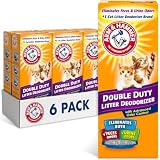
- #1 CAT LITTER DEODORIZER BRAND*: Formulated with ARM & HAMMER Baking Soda Crystals to eliminate tough odors on contact and keep your litter box fresh longer (*Based on units sold).
- EXTRA STRENGTH ODOR ELIMINATION: This kitty litter deodorizer destroys feces and urine odors on contact, leaving your litter box fresher with each sprinkle of this cat litter box deodorizer.
- PROVEN ODOR CONTROL FOR 9 DAYS: Enjoy a prolonged fresh, new-litter scent for up to 9 days with this cat litter odor eliminator. In fact, internal lab tests show lower odor levels with this product compared to using litter alone.
- SAFE FOR DAILY USE AROUND CATS AND OWNERS: This cat litter deodorizer is made with ARM & HAMMER Baking Soda Crystals, safe for daily use when used as directed. Simply sprinkle in this cat litter deodorizer into your litter box.
- COMPATIBLE WITH ANY TYPE OF CAT LITTER: Whether using scented, unscented, clay, scoopable, or natural litter, use this ARM & HAMMER absorbent litter deodorizer daily to deodorize your cat litter box
Why shoes smell in the first place
Foot odor starts with sweat and the organisms living on skin and inside footwear. Cleveland Clinic explains that bacteria consume sweat and produce acidic byproducts that smell. Podiatrist Joy Rowland, DPM, puts the environment plainly: “Bacteria and fungi and all those lovely little bugs love heat, moisture and darkness — and the inside of your shoe is the best place for that to happen.” Read the medical-center explanation at Cleveland Clinic’s guide to smelly feet, published March 31, 2025.
Absorbent material may remove some dampness, but it does not automatically remove sweat residue, skin oils, bacteria, or fungi. A shoe can feel less wet and still smell if it has not been washed or allowed to dry fully. That distinction explains why a litter pouch might help one pair temporarily while doing little for another.
Everyday habits also matter. Cleveland Clinic notes that shoes worn daily may not have enough time to dry. The practical targets are moisture, accumulated soil, and repeated exposure—not simply adding fragrance.
How to try the hack without making a mess
No source-validated procedure exists for using litter in shoes. The steps below are a cautious, untested experiment that limits residue and protects the footwear as much as possible.
- Start with clean, dry shoes. Remove the insoles if they are washable, brush out visible dirt, and let the shoes dry. Litter cannot substitute for cleaning mud, sweat, or spills.
- Choose fresh, unused litter. Do not reuse litter from a cat’s box. Used litter can contain urine, feces, microbes, and allergens that you do not want inside footwear.
- Contain the granules. Put a small amount of dry litter in a breathable fabric pouch, clean sock, or other tightly closed porous bag. Do not pour loose granules directly into the shoe; they can lodge under the insole, abrade linings, and spill onto floors.
- Use one pouch per shoe. Place it in the toe area or under a removable insole only if it fits without stretching or deforming the shoe. Keep the opening secured so granules cannot escape.
- Leave the shoes undisturbed in a dry, ventilated place. Because no footwear test establishes an exposure time, check periodically rather than assuming an overnight or fixed-hour result. Remove the pouch if the lining becomes damp or the material develops a new smell.
- Inspect before wearing. Shake out the shoes, wipe away any dust, and check the lining, seams, and insole for residue. Stop if you notice discoloration, irritation, damp clumps, or material damage.
- Judge the result after the next wear. A short-lived improvement suggests moisture was part of the problem; a returning odor indicates that cleaning, drying, socks, or medical evaluation may be more important than another dose of litter.
Keep the pouches away from children and pets, and wash your hands after handling dusty products. Avoid breathing loose dust, particularly if anyone in the household has asthma or a litter-related allergy.
Rank #2

- ODOR CONTROL SUPPORT: These cat litter deodorizer crystals are designed to help absorb and neutralize common litter box odors, supporting a fresher smelling home environment while fitting easily into daily litter box maintenance routines.
- LITTER BOX COMPATIBLE: Made to be sprinkled directly into most standard litter boxes, these deodorizing crystals work alongside regular cat litter without replacing it, helping manage smells between full litter changes.
- FRESH SCENT FORMULA: Infused with a light fresh scent, the crystals help reduce unpleasant odors without overpowering the space, making them suitable for shared living areas where litter boxes are present in the home.
- SIMPLE TO USE DESIGN: Easy pour container allows crystals to be added as needed, supporting quick refreshes during routine scooping and helping reduce the need for constant full litter replacements during weekly care.
- FOR MULTI CAT HOMES: Helpful for homes with one or more cats, these litter box deodorizer crystals support odor control in high use litter boxes and busy household environments with frequent daily use and activity.
Which kind of litter is relevant?
Clay litter
Clay is the material most directly associated with this hack. PetMD describes traditional clay litter as liquid-absorbing and having some natural odor control in a litter-box setting. That supports the physical idea of using a dry absorbent, but it does not establish that a particular clay brand will deodorize shoes. Clumping behavior can also make residue harder to remove if the product encounters moisture.
Silica gel litter
PetMD describes silica-based litter as absorbent and odor-controlling in the litter box. Silica crystals are not a tested shoe deodorizer, and crushed dust or sharp-feeling particles may be unpleasant in delicate linings. Containment is especially important if you experiment with this type.
Quick wins for a faster PC:
Repair Windows errors before they cause bigger problemsFix Now →Fix the driver behind crashes, sound loss and screen glitchesFind Drivers →Biodegradable litter
Biodegradable litters use plant or other organic materials. Their behavior varies by formulation, and the cited material overview does not provide shoe testing or a reliable odor result for them. Do not assume that “natural” means residue-free, antimicrobial, or safe for every lining.
Scented litter can mask an odor instead of removing its cause. Fragrance may also transfer to fabric or bother people and pets who are sensitive to perfumes. An unscented, fresh product makes it easier to tell whether dampness changed.
Cat litter versus other ways to handle shoe odor
The most useful comparison is not a claimed percentage of odor reduction—none is established here—but what each approach addresses and what evidence supports it.
Rank #3

- #1 CAT LITTER DEODORIZER BRAND*: Formulated with ARM & HAMMER Baking Soda Crystals to eliminate tough odors on contact and keep your litter box fresh longer (*Based on units sold)
- EXTRA STRENGTH ODOR ELIMINATION: This kitty litter deodorizer destroys feces and urine odors on contact, leaving your litter box fresher with each sprinkle of this cat litter box deodorizer
- PROVEN ODOR CONTROL FOR 9 DAYS: Enjoy a prolonged fresh, new-litter scent for up to 9 days, as lab tests show lower odor levels with this product compared to using litter alone
- SAFE FOR DAILY USE: Made with ARM & HAMMER Baking Soda Crystals, this cat deodorizer for litter box odors is safe for daily use around cats and pet owners when used as directed
- COMPATIBLE WITH ALL LITTER TYPES: Whether using scented, unscented, clay, scoopable, or natural litter, use this ARM & HAMMER absorbent litter deodorizer daily to deodorize your cat litter box
| Approach | What it addresses | Evidence or limitation | Main practical concern |
|---|---|---|---|
| Fresh clay litter in a breathable pouch | May absorb some moisture; clay has litter-box odor-control properties | General material information only; no shoe-specific controlled test | Dust, granules, residue, and uncertain compatibility with linings |
| Silica litter in a pouch | Absorbency and litter-box odor control | General litter-box description, not footwear evidence | Dust or abrasive-feeling particles; must be contained |
| Drying and rotating shoes | Reduces time spent in a warm, damp interior | Recommended by Cleveland Clinic for odor prevention | Requires a second pair and enough drying time |
| Cleaning shoes and insoles | Removes sweat, dirt, and odor-holding residue | Routine hygiene approach; follow the shoe maker’s care directions | Water or detergents can damage materials if misused |
| Purpose-made shoe spray | Applies deodorizing or sanitizing ingredients directly to footwear | Claims depend on the product and its own testing | Directions and material restrictions differ |
| Purpose-made shoe powder | Targets moisture with a product formulated for shoes | Manufacturer claims are not head-to-head evidence against litter | Powder can still leave residue and needs correct application |
There is no supported cost or efficacy ranking among these options. Litter may already be available in a household, while sprays and powders are sold specifically for footwear; convenience and price depend on what you already own and the product sold in your region.
Free tools Windows power users keep installed
One-click scans. No signup required.
Prevention steps with better footwear guidance
Give each pair time to dry
Alternate pairs instead of wearing the same shoes on consecutive days. Cleveland Clinic recommends rotation because daily wear can leave too little time for moisture to evaporate. Remove insoles when the shoe design allows it and dry the components separately in a ventilated room. Avoid high heat from radiators, hair dryers, or direct heaters unless the manufacturer specifically permits it; heat can warp adhesives and synthetic materials.
Wash and dry your feet
Clean feet regularly and dry carefully between the toes before putting on socks. Damp skin under a sock recreates the warm, moist environment that supports odor. If sweating is heavy, changing socks during the day may help more than adding an absorbent to the shoe.
Choose moisture-managing socks and breathable uppers
Cleveland Clinic recommends moisture-wicking socks and breathable shoe materials as part of odor control. The Tetra Corporation’s educational page likewise advises thorough foot drying, daily sock changes, breathable footwear, and avoiding the same pair on consecutive days: Tetra’s shoe-odor guidance. Tetra is a company source, so treat it as practical advice rather than independent clinical evidence.
Clean according to the material
Follow the care label for canvas, mesh, synthetics, leather, and removable insoles. Do not soak leather or apply an untested liquid simply because a spray is marketed for sneakers. Let every component dry completely before reassembly.
What’s actually slowing this PC down?
Pick the symptom - the matching free tool is one click away.
Rank #4
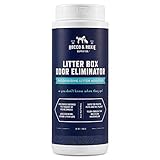
- Cat Litter Deodorizer & Litter Box Odor Eliminator: Our proprietary essential oil blend neutralizes odors at a molecular level, so even the strongest litter box smells stay under control, longer
- Less Scooping, Longer Litter Life: This litter box deodorizer mixes easily into any litter type, wicking away moisture so litter lasts longer between changes and you buy less over time
- Safe For People, Pets & the Planet: Non-toxic, 100% plant-based cat litter odor control made from all-natural corncob granules that absorb moisture and odor from urine and feces
- More Than a Litter Deodorizer: This cat litter odor eliminator also works on trash compactors, garbage cans, kennels, and animal carriers
- Buy With Confidence: Backed by the Rocco & Roxie guarantee — if this cat litter deodorizer doesn't eliminate the smell, contact us and we'll make it right
Purpose-made sprays and powders: read the restrictions
A product designed for footwear may be more convenient than loose litter, but its label still controls how it should be used.
Sprays
Kobayashi’s official information for its Odor Eater sneaker deodorizing and sanitizing mist says to spray sneakers and warns that leather can be damaged. The company qualifies antimicrobial and mold-related statements as its own testing on specified strains and only on areas that were wetted. That is not evidence of universal germ control, and it is not permission to spray every shoe material. Read the manufacturer’s directions at the official sneaker-mist page before use.
Powders
Ito Kanpo’s Cleasist product-development page describes a shoe powder containing silica and notes that efficacy depends on conditions. This is a manufacturer description, not a head-to-head study against cat litter. Product details are available at Ito Kanpo’s Cleasist development page.
Whether you choose a spray, powder, or a household experiment, test a hidden area first, follow the label, and stop if the color, finish, or lining changes.
Crashes, No Sound, or Screen Glitches?
Random freezes, missing sound and display glitches usually trace back to one bad driver. Find and replace yours safely.Free scan · under a minutePC Slower Than It Used to Be?
A free scan shows the junk files, broken settings and background clutter dragging Windows down - then fixes them in one click.Free scan · Windows 10 & 11Common problems and what they mean
The smell returns immediately
The interior may still contain sweat and microbes, or the feet may be introducing substantial moisture each day. Wash the removable parts if allowed, dry the shoes fully, rotate pairs, and change socks more often before trying another absorbent.
Best Value

- HELPS TACKLE TOUGH ODORS: The litter deodorizing powder aids litter in removing tough urine and feces odors.
- USE WITH ANY LITTER BOX: This deodorizer can be used in both automatic and manual litter boxes.
- MULTI-CAT HOME: Nature’s Miracle Litter Box Deodorizer is ideal for multi-cat homes.
- FRESH SCENT: The fresh scent keeps your litter box smelling crisp.
- MADE WITH RECYCLED MATERIAL: Our bottles are made with 25% Post-Consumer Recycled Material.
The litter clumps or leaves dust
Moisture has reached the pouch or escaped into the lining. Remove it, vacuum or wipe according to the shoe-care instructions, and do not repeat the experiment with loose granules. Clumping is a residue problem, not proof that the litter removed odor.
The shoes smell musty even when dry
A persistent musty odor can reflect damp storage or fungal growth. Dry the shoes and storage area, inspect for visible mold, and consider replacing heavily contaminated insoles or footwear rather than covering the smell with fragrance.
Your skin becomes itchy, red, or cracked
Stop using the product and wash the skin. Foot odor accompanied by scaling, itching, peeling, pain, sores, or repeated infections may need a clinician’s assessment; an absorbent cannot diagnose or treat a foot condition.
Bottom line: treat cat litter as an untested drying experiment
Fresh clay or silica litter has a reasonable absorbency rationale, but the available evidence stops at litter-box behavior. No reliable shoe trial proves that it removes odor, kills the organisms involved, or works for a particular brand. If you try it, contain unused litter in a breathable pouch and inspect the shoes afterward. For dependable prevention, prioritize cleaning, complete drying, alternating pairs, breathable footwear, and moisture-wicking socks. Use dedicated sprays or powders only as their labels allow, especially around leather.
Quick Recap
Product prices and availability are accurate as of the date/time indicated and are subject to change. Any price and availability information displayed on Amazon at the time of purchase will apply.





Leave a Reply