
No. Do not put chlorine or household bleach on a cat to kill fleas. Veterinary guidance does not establish bleach as an effective flea treatment, while exposure can irritate or chemically burn the skin, eyes, digestive tract, and airways. The risk depends on the product’s concentration, pH, dilution, route of exposure, and how long the cat was exposed.
If bleach has already touched your cat, treat it as a possible poisoning: move the cat away from the source, contact a veterinarian or animal poison service promptly, keep the product label available, and follow case-specific instructions. Flea control should instead combine a cat-labeled treatment chosen with veterinary advice and environmental control.
As an Amazon Associate I earn from qualifying purchases.
Why chlorine is not a cat flea treatment
Household products sold as chlorine bleach generally contain sodium hypochlorite. Merck Veterinary Manual notes that household formulations commonly contain about 3–10% sodium hypochlorite, but concentration alone does not determine the hazard: pH, dilution, the amount involved, and the route of exposure all matter. A cleaner designed for suitable household surfaces is not automatically safe for an animal’s skin or coat.
The veterinary sources reviewed do not recommend applying bleach to cats and do not establish that it reliably kills fleas on a cat. Even if a chemical damages an insect on contact, spreading it through a cat’s fur exposes the animal during grooming and can injure living tissue. Cats groom themselves, so residue on paws or coat can be swallowed after application.
#1 Best Overall

- Advantage II Large Cat is a leading brand in cat flea treatment and prevention for large cats over 9 lbs., at least 8 weeks of age
- Vet-recommended, easy-to-apply monthly topical treatment – no hard-to-swallow pills, no prescription needed
- Delivers total flea protection – kills adult fleas, flea larvae and flea eggs through contact
- Same-day effectiveness – kills fleas within 12 hours of application and keeps working for 30 days
- Fragrance-free formula, waterproof after 24 hours of application
Fleas also do not live only on the visible surface of one animal. Eggs, larvae, pupae, and adult fleas can be present in the home or in other parts of a cat’s environment. A substance put on the cat therefore cannot, by itself, resolve an infestation.
What bleach can do to a cat
Severity depends on the product and exposure
Merck describes dilute household bleach exposures as more likely to cause mild signs, while concentrated products or products with a pH above 11 can produce significant corrosive injury in the digestive tract. That distinction matters: “bleach exposure” is not one uniform level of danger, but no level should be deliberately applied as flea control.
| Exposure circumstance | Potential concern | What the evidence means for an owner |
|---|---|---|
| Dilute household bleach | Usually mild irritation, although individual cases vary | Do not assume a mild product is harmless; call a veterinarian for advice. |
| Concentrated bleach or product with pH above 11 | Corrosive injury to the mouth, esophagus, stomach, or intestines is possible | Prompt veterinary assessment is important, especially after ingestion. |
| Skin or coat contact | Dermal irritation or chemical injury | Remove the product and rinse thoroughly as directed by a veterinarian. |
| Eye contact | Irritation, ulceration, or other ocular injury | Seek urgent veterinary guidance rather than trying a flea remedy or waiting for symptoms. |
| Concentrated fumes | Substantial respiratory irritation; pulmonary edema can be delayed | Move the cat to fresh air and obtain veterinary advice even if breathing initially seems normal. |
Never mix cleaners
Merck warns that mixing bleach with ammonia produces highly toxic chloramine gas. Never combine cleaners around a cat, and never use a homemade chemical mixture on an animal. A reaction in a poorly ventilated room can expose both the cat and people before anyone realizes what happened.
Recommended Free Tools
Rank #2

- EFFECTIVE, WATERPROOF FLEA TREATMENT FOR CATS: PetArmor Plus is a waterproof, flea & tick topical prevention for cats that kills fleas, flea eggs, flea larvae, ticks, and chewing lice for up to 30 days after application.
- TRUSTED, VET QUALITY FORMULA: Containing fipronil and (S)-methoprene, the same active ingredients as FRONTLINE Plus for Cats. PetArmor Plus for Cats has a powerful formula that starts to kill fleas within 24 hours.
- BREAK THE FLEA CYCLE: Unlike other flea and tick treatments that may temporarily suppress flea activity, PETARMOR Plus Cat Flea Treatment works by effectively breaking the flea life cycle Kill flea eggs and larvae to prevent re-infestation.
- FLEA AND TICK PROTECTION: PetArmor Plus for Cats flea drops protects your furry family members from brown dog ticks, American dog ticks, Lone Star ticks, and deer ticks (which may transmit Lyme disease).
- EASY-TO-USE, LONG-LASTING: PetArmor Plus flea and tick treatment comes with three (3) waterproof topical applications that provides your pet flea protection and control for three (3) months.
What to do if your cat got bleach on its fur, skin, eyes, or mouth
Call a veterinarian immediately when poisoning is suspected. An animal poison service can also provide time-sensitive guidance, but a veterinarian should direct the treatment for the individual cat. Have the product container or a clear photograph of its label ready; the concentration and ingredients help determine the response.
- Stop the exposure. Move the cat away from the spill, wet product, or fumes. If fumes are present, take the cat to fresh air without putting yourself at risk.
- Call for veterinary instructions. Explain the product name, concentration if listed, approximate amount, route of exposure, time, and the cat’s current signs. Do not wait for symptoms after a known exposure.
- Do not induce vomiting or give activated charcoal after ingestion. Merck specifically advises against both for bleach exposure because they can worsen injury or create additional risks. A veterinarian may advise dilution with water or milk in some circumstances; give anything by mouth only as directed for your cat.
- For skin or coat contact, bathe and rinse thoroughly as directed. Removing residue is important because grooming can transfer it to the mouth. Use the veterinarian’s instructions for the safest washing method, and prevent the cat from licking while contaminated.
- For eye contact, seek urgent guidance. Eye tissue can be injured even when the surrounding fur looks normal. Do not delay professional advice to try household products.
- Watch for delayed breathing problems. Concentrated fumes can cause pulmonary edema later. Any breathing change, marked weakness, repeated vomiting, severe drooling, collapse, or obvious eye injury warrants emergency veterinary care.
Do not apply another chemical to “neutralize” bleach. Do not scrub aggressively, and do not assume that the absence of an immediate reaction means the exposure was harmless.
How effective flea control actually works
Effective control addresses the cat and the environment. Merck’s pet-owner guidance says household control commonly takes two to three months because flea stages and environmental conditions continue to affect what you see. Fleas may remain visible while an infestation is being brought under control; that does not mean a stronger household chemical should be put on the cat.
Rank #3
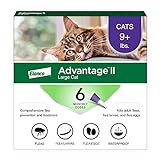
- Advantage II Large Cat is a leading brand in cat flea treatment and prevention for large cats over 9 lbs., at least 8 weeks of age
- Vet-recommended, easy-to-apply monthly topical treatment – no hard-to-swallow pills, no prescription needed
- Delivers total flea protection – kills adult fleas, flea larvae and flea eggs through contact
- Same-day effectiveness – kills fleas within 12 hours of application and keeps working for 30 days
- Fragrance-free formula, waterproof after 24 hours of application
Inspect with a fine-toothed flea comb
A flea comb is an inspection aid, not a complete treatment. Cornell explains that a fine-toothed comb can collect adult fleas and the black specks of flea feces, often called flea dirt. Comb over a light-colored surface so anything removed is easier to see, and tell the veterinarian what you find. A comb can help confirm that fleas are present and track progress without exposing the cat to a corrosive cleaner.
The Tool Desk
Outbyte PC Repair FREEClear out junk files and repair common Windows errorsFree Scan →Outbyte Driver Updater FREEScan for outdated or missing drivers - takes under a minuteDriver Scan →“Cats are grooming animals,” Dr. Miller explains, “and the fleas quickly figure out that a cat can’t get at those areas.”
This is one reason visual inspection alone can underestimate an infestation. Fleas can hide in areas a cat cannot easily reach, and grooming may remove evidence before an owner sees it.
Rank #4

- SHIPMENT CONTAINS: One 6-dose pack of Amazon Basics Flea Topical for Large Cats (over 9 pounds)
- FAST ACTING: Eliminates fleas in just 12 hours, providing your cat with swift relief from discomfort with our effective flea medication
- DUAL INGREDIENT FORMULA: Formulated with Imidacloprid and Pyriproxyfen to kill adult fleas and prevent flea infestations
- LONG-LASTING PROTECTION: Protect your cat from infestations for up to 4 weeks with each application, killing reinfesting fleas within 2 hours and efficiently halting the flea lifecycle
- EASY APPLICATION: Designed for monthly use, apply directly to dry skin between the shoulder blades for best results
Choose a product for cats, not a household disinfectant
Discuss flea-control products with a veterinarian before use. The selection should account for:
- Whether the product is specifically labeled for cats and for the cat’s species, age, and weight.
- The cat’s health status, including illness, pregnancy, nursing, or a history of sensitivity.
- Exact label directions, application site, dosing interval, and precautions against licking.
- Other animals in the home and the cat’s indoor, outdoor, or multi-pet exposure.
- How the animal treatment fits with a plan for the household environment.
Never substitute a dog flea product. Cornell warns that some dog flea treatments can be acutely toxic to cats. A product that is safe for a dog, or a dose intended for a different species or body weight, is not a safe shortcut.
What’s actually slowing this PC down?
Pick the symptom - the matching free tool is one click away.
Address the household at the same time
Ask the veterinarian what environmental measures fit your home and the products being used. The plan may need to cover sleeping areas, other pets, and places where flea stages persist. Continue the plan for the full period advised; Merck’s two-to-three-month timeframe reflects the fact that environmental stages can keep emerging after treatment begins.
Best Value
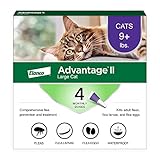
- Advantage II Large Cat is a leading brand in cat flea treatment and prevention for large cats over 9 lbs., at least 8 weeks of age
- Vet-recommended, easy-to-apply monthly topical treatment – no hard-to-swallow pills, no prescription needed
- Delivers total flea protection – kills adult fleas, flea larvae and flea eggs through contact
- Same-day effectiveness – kills fleas within 12 hours of application and keeps working for 30 days
- Fragrance-free formula, waterproof after 24 hours of application
| Approach | Role in flea control | Main limitation or risk |
|---|---|---|
| Chlorine or household bleach on the cat | Not an established flea treatment | Irritant or corrosive exposure; risk from grooming and fumes. |
| Fine-toothed flea comb | Inspection and removal of some visible fleas | Does not address the full infestation or environmental stages. |
| Veterinarian-selected cat flea product | Animal-directed control when used exactly as labeled | Eligibility, dose, health precautions, and timing must be checked. |
| Environmental control | Reduces flea stages outside the cat and supports the animal treatment | Often requires sustained effort over two to three months. |
A practical, safer flea-control sequence
- Confirm the problem. Use a flea comb as an inspection tool and note live fleas or flea dirt. If the cat has skin lesions, heavy scratching, hair loss, pale gums, or seems unwell, arrange veterinary care rather than relying on home inspection.
- Check the cat’s details. Record age, weight, medical conditions, pregnancy or nursing status, and every product already used. This information helps the veterinarian avoid unsafe combinations or doses.
- Start only a cat-appropriate treatment selected with veterinary input. Follow the package label and the veterinarian’s timing exactly. Do not add bleach, disinfectant, essential oils, or a dog product.
- Make an environmental plan. Include the cat’s resting areas and any other pets or locations the veterinarian identifies. Environmental control is necessary because fleas are not confined to the animal’s coat.
- Continue long enough to break the cycle. Expect that control can take two to three months. Seeing an occasional flea during that period does not justify applying a more caustic chemical.
- Recheck when the response is not as expected. If fleas remain abundant, the cat develops a reaction, or another pet is affected, contact the veterinarian. The solution may be a revised product, schedule, diagnosis, or environmental plan—not bleach.
Common mistakes that make a flea problem or exposure worse
- Applying bleach directly: There is no veterinary basis for using it as a cat flea treatment, and it can injure several body systems.
- Making a “safe” dilution: Household concentration and pH vary, and dilution does not turn a surface cleaner into a product labeled for animal use.
- Using fumes or a bleach bath: Inhalation and skin exposure are additional hazards, and respiratory injury can be delayed.
- Mixing bleach with ammonia or another cleaner: Chloramine gas can form and is highly toxic.
- Using a dog flea product: Some are acutely toxic to cats; species and weight labels are not interchangeable.
- Relying on combing alone: A comb helps find fleas and flea dirt but does not treat every life stage or the environment.
- Stopping after one day: Flea control commonly takes two to three months because environmental stages continue to emerge.
When a flea question is really a medical emergency
Seek urgent veterinary help for a cat exposed to concentrated bleach, bleach fumes, or an unknown product; a cat with eye contact; or any cat showing breathing changes, severe drooling, repeated vomiting, marked weakness, collapse, or worsening irritation. Keep the label and any remaining product available, and tell the clinician whether exposure was by mouth, skin, eyes, or inhalation.
For an uncomplicated flea problem, schedule veterinary advice before choosing a treatment, particularly for kittens, older cats, cats with chronic disease, pregnant or nursing cats, and homes with multiple animals. A professional plan protects the cat while addressing the environmental source that bleach cannot solve.
Quick Recap
Product prices and availability are accurate as of the date/time indicated and are subject to change. Any price and availability information displayed on Amazon at the time of purchase will apply.





Leave a Reply