Quick wins for a faster PC:
Scan for outdated or missing drivers - takes under a minuteDriver Scan →Repair Windows errors before they cause bigger problemsFix Now →Different Corydoras species can usually share a peaceful aquarium and may forage or rest together, but that does not mean they form one complete social school. Plan for a suitable group of each species first; mix types only when their care needs and the aquarium’s capacity also match.
Do different Corydoras species school together?
They may group together, but mixed-species association is not the same as meeting every species’ social needs. Aqueon says different species can be mixed and will often group together (Aqueon’s Corydoras care guide). The University of Florida College of Veterinary Medicine, however, says Panda Corydoras prefer the company of their own species (University of Florida’s freshwater aquarium fish guide).
These observations are compatible: corys can tolerate and associate with other types while still benefiting from familiar members of their own species. A study of Corydoras aeneus reports very low adult aggression and benefits from mixed-age, mixed-size shoals, including protection and improved foraging for juveniles (peer-reviewed study of Corydoras aeneus). That evidence supports social flexibility; it does not show that a few unrelated species-specific individuals make an adequate group for every species in an aquarium.
How many of each type should you keep?
Plan group size by species, not by adding all corys together. Aqueon recommends buying Corydoras in groups of five or more. Tropical Fish Co uses at least six compatible conspecifics as a conservative starting policy for commonly sold social species, while noting that six is not a universal biological threshold (Tropical Fish Co’s Corydoras care guide).
PC Slower Than It Used to Be?
A free scan shows the junk files, broken settings and background clutter dragging Windows down - then fixes them in one click.Free scan · Windows 10 & 11Outdated Drivers Are Slowing You Down
One free scan finds every outdated or missing driver and matches the right update for your exact hardware.Free scan · exact hardware match#1 Best Overall

- Adorable Panda Pattern – Panda Corydoras are loved for their unique black-and-white markings and peaceful nature, making them a favorite for community aquariums. Active Bottom Swimmers – These social catfish constantly explore the tank bottom in groups, adding life and movement to the aquarium.
- Care Guide Temperature: 72–78°F (22–26°C) Diet: Sinking pellets, wafers, frozen and live foods Behavior: Peaceful schooling bottom-dweller Recommended: Keep in groups for natural behavior Environment: Soft substrate preferred to protect barbels
For example, one panda, one bronze, one peppered and one sterbai cory do not constitute a group of four for each species. If the aquarium cannot support appropriate groups of multiple types, keeping a larger group of one species is the more defensible choice. The sources do not establish one exact group-size rule that applies to every member of the group formerly commonly called Corydoras.
Check compatibility before mixing types
Confirm the fish’s identity
Common names can conceal meaningful differences. A 2024 phylogenomic revision placed familiar aquarium corys across seven genera, according to Tropical Fish Co. Confirm the scientific identity where possible, then check the adult size and care needs for that fish rather than relying on a shop label alone.
Rank #2
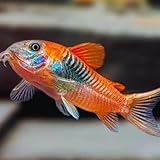
- You can choose from our Corydoras selections: Orange Veneuzela Cory, Panda Cory, Peppered Cory, Sterbai Cory, Julii Cory.
- Corydoras Catfish are peaceful, social bottom-dwellers that make an excellent addition to any freshwater aquarium. Known for their playful behavior and helpful cleaning habits, these small armored catfish thrive in groups and bring life to the lower levels of your tank.
- Corydoras are school fish - Best kept in groups of 5 or more for natural, lively movement
- Community Compatibility: Help keeping your tank clean by scavenging leftover food and enjoy living in groups where they display lively, social behavior.
Match temperature and water chemistry
Aqueon gives 74–80°F and pH 7.0–8.0 as broad conditions for many captive-bred Corydoras relatives. It also notes that wild fish may need softer, more acidic water. These are general guide ranges, not proof that every species in that range is compatible. Check the requirements for the exact fish you intend to keep.
Allow for adult size and bottom area
Choose tankmates by their mature dimensions, not how small they look at the shop. Aqueon says a 30-gallon aquarium is best for most species, with smaller pygmy species an exception. Tropical Fish Co’s house policy for many medium species starts around 60 litres and a 60 × 30 cm footprint, but it does not present that as a universal minimum. Both recommendations underscore the importance of available floor area; neither is a substitute for checking the needs of the particular species and group.
Rank #3

- Distinctive Silver & Black Markings: Pygmy Corys (Corydoras pygmaeus) feature silvery bodies with a prominent dark horizontal stripe, giving them a subtle but distinctive appearance.
- Peaceful Social Aquarium Fish: Calm, social fish that do best in groups and are well suited for community aquariums with other peaceful species of similar size and temperament.
- Ideal for Planted & Community Aquariums: Their small size and gentle behavior make them an excellent choice for planted tanks and natural-style freshwater aquascapes.
- Small & Active Tropical Species: Unlike many larger Corydoras, Pygmy Corys actively explore both the lower and middle areas of the aquarium, adding movement throughout the tank.
- Suitable for Established Freshwater Tanks: Pygmy Corys do well in stable tropical freshwater conditions when properly acclimated and kept in a cycled aquarium with appropriate water parameters.
Provide a safe, usable layout
Use smooth fine sand or fine rounded gravel, leave open space for foraging, and provide cover. A substrate that can injure sensitive barbels or a layout that leaves little accessible bottom area undermines the setup even when the water readings are suitable.
Make sure every fish can eat
Corys are bottom-feeding fish, but they can still compete for sinking food. Offer complete sinking food at more than one point if necessary, and watch to confirm that smaller or shyer fish actually swallow food. Aqueon lists bottom feeder tablets, shrimp pellets, tropical granules and algae rounds as suitable options, and recommends varied, high-quality food in portions consumed within two to three minutes, once or twice daily (Aqueon’s feeding guidance). Aqueon Bottom Feeder Tablets are one specifically named sinking option.
Rank #4

- Adorable Panda Pattern – Panda Corydoras are loved for their unique black-and-white markings and peaceful nature, making them a favorite for community aquariums. Active Bottom Swimmers – These social catfish constantly explore the tank bottom in groups, adding life and movement to the aquarium.
- Care Guide Temperature: 72–78°F (22–26°C) Diet: Sinking pellets, wafers, frozen and live foods Behavior: Peaceful schooling bottom-dweller Recommended: Keep in groups for natural behavior Environment: Soft substrate preferred to protect barbels
Judge the fish in front of you
A peaceful species label cannot guarantee that every individual will coexist well. Watch for persistent chasing, displacement from feeding spots, missed meals or ongoing hiding. If those signs continue, separate the fish rather than assuming that mixed-species grouping will resolve the problem.
Independent reader supportYour contribution helps us test, update, and keep practical guides available for everyone.Should you choose a mixed group or one species?
| What to consider | Mixed types | One species |
|---|---|---|
| Social grouping | Different types may group together, but that does not establish a complete conspecific group for each species. | A single-species group makes it straightforward to provide companions of the same species. |
| Care requirements | Choose only where the exact species’ temperature and water-chemistry needs overlap. | Care planning is focused on one species’ requirements. |
| Space and adult size | Account for each type’s mature size and the combined demand on the tank floor. | Plan the group around one species’ adult size and floor-space needs. |
| Feeding | Check that smaller or less assertive fish can reach and eat the sinking food. | Feeding still needs observation, but there are fewer types with potentially different sizes or behavior to account for. |
| Planning confidence | Depends on reliable identification and enough capacity for proper groups, not just one fish of each type. | Often the clearer option when the aquarium can support only one group. |
Practical decision
- Identify each fish as precisely as possible, including its scientific name.
- Check species-specific adult size, temperature and water-chemistry needs.
- Make sure the aquarium has enough floor area and capacity for a proper group of each species you plan to keep.
- Use suitable substrate and provide open foraging space and cover.
- Feed complete sinking food and verify that every fish eats.
- Monitor behavior and separate fish if persistent chasing, feeding exclusion or hiding develops.
If any of these checks fails, choose one species rather than treating a mixed assortment as a substitute school.
Quick Recap
Best Value

- Bottom feeder fish food that contains up to 40%, nutrient-rich Black Soldier Fly Larvae, the first ingredient
- High in multiple proteins like whole salmon – rich in Omega 3 and 6 for healthy skin, scales and fins
- Fortified with essential vitamins, amino acids and minerals for a balanced daily diet
- Sinking granule format (1.4-1.6mm) – ideal for bottom feeders; feed as much as fish can eat in two minutes, two or three times daily
- Sustainably processed in small batches for quality control and maximum freshness
Product prices and availability are accurate as of the date/time indicated and are subject to change. Any price and availability information displayed on Amazon at the time of purchase will apply.




