
Yes—most healthy dogs can eat a small amount of plain, fully cooked Brussels sprouts. Steam or roast the vegetable until tender, remove tough stalk material, cut the leaves or sprout into tiny pieces, let it cool, and offer only a little at first. Never serve a whole sprout, raw or frozen pieces, or sprouts cooked with garlic, onion, salt, butter, or other seasonings.
Brussels sprouts are an optional treat or topper, not a nutritional requirement. They can cause gas, bloating, vomiting, or diarrhea when a dog eats too much. Keep all treats, including vegetables, to no more than about 10% of daily intake, with at least 90% coming from a complete, balanced dog food. Dogs with medical conditions or prescription diets need individualized advice from a veterinarian before trying them.
As an Amazon Associate I earn from qualifying purchases.
Are Brussels sprouts safe for dogs?
Plain Brussels sprouts are not generally considered toxic to dogs. PetMD, in guidance reviewed by Sandra C. Mitchell, DVM, DABVP and updated June 7, 2023, says healthy dogs may receive properly cooked sprouts in moderation. The American Kennel Club (AKC) likewise treats vegetables as optional additions rather than required parts of a canine diet.
What’s actually slowing this PC down?
Pick the symptom - the matching free tool is one click away.
“Safe” does not mean unlimited. A dog can tolerate a small, soft, unseasoned piece and still develop stomach trouble after eating a bowlful. The practical rule is to use Brussels sprouts as an occasional bite or a small topper while keeping the regular complete diet in control.
#1 Best Overall

- HEALTHY EVERYDAY SNACK OPTION: These wholesome sweet potato dog treats are gently dried to create a chewy texture that keeps your pup happily occupied, offering a satisfying alternative to fatty dog treats while fitting easily into everyday routines for pet parents who want dog treats healthy enough for regular snacking.
- TARGETED WELLNESS SUPPORT: Thoughtfully crafted sweet potato dog treats provide sources of vitamin A and Beta Carotene to help maintain healthy skin, coat, and vision, while gentle dietary fiber and antioxidants help support everyday digestive balance and keep your dog feeling their best during play, rest, and training.
- SIMPLE, TRUSTED RECIPE STANDARDS: Crafted as healthy dog treats with just one primary ingredient, these sweet potato dog treats skip grains and common fillers to help you feel confident about every dog treat you share, ideal for pet parents who read every label.
- IRRESISTIBLE TEXTURE DOGS CRAVE: Specially crafted to satisfy your dog’s natural chewing instincts, these sweet potato dog treats offer a chewy, mouthwatering texture that keeps tails wagging while helping occupy your pup between meals, ideal for pet parents seeking dog treats healthy enough for everyday enjoyment.
- RELIABLE QUALITY YOU CAN TRUST: Healthfuls dog treats are carefully crafted and independently lab-tested in the USA, so you can feel confident every bite meets strict quality standards and supports your pup’s routine as dog treats healthy for everyday rewarding and training moments.
Why Brussels sprouts are optional, not essential
A complete commercial or veterinarian-formulated diet is designed to supply the nutrients a dog needs. Brussels sprouts do not fill a nutritional gap that every dog has. Their fiber and plant nutrients may make them an appealing low-calorie treat for some dogs, but the available veterinary guidance does not establish a Brussels-sprout requirement or a health benefit that justifies replacing balanced food.
PetMD’s general treat guidance is that treats should provide no more than 10% of a dog’s overall intake, while at least 90% should come from balanced dog food. That 10% is a ceiling for all treats combined—not a Brussels-sprout allowance in addition to biscuits, chews, table scraps, or training rewards. If you add sprouts, reduce other extras so the daily diet remains balanced.
How to prepare Brussels sprouts for a dog
Preparation determines whether a small serving is a manageable treat or a choking and digestive hazard. Use fresh sprouts and prepare them separately from the family dish so you can control ingredients.
Free tools Windows power users keep installed
One-click scans. No signup required.
- Trim and inspect. Remove the hard stem end and any damaged outer leaves. PetMD recommends sticking with the leaves and sprout rather than feeding the stalk, which may be difficult to digest.
- Cook until tender. Steam the sprout until a fork can pass through it easily. PetMD also discusses roasting small pieces. Do not rely on a lightly cooked, crunchy center for a dog treat.
- Leave it plain. Do not add garlic or onion; PetMD identifies both as toxic to dogs. Skip salt, butter, oils, sauces, spice blends, and other seasonings as well.
- Cool completely. Food that is hot from the steamer or oven can burn a dog’s mouth. Set the portion aside until it is at room temperature.
- Cut very small. Chop the tender leaves and sprout into bite-sized pieces appropriate for the dog’s mouth. A whole Brussels sprout can be a choking hazard and may contribute to an intestinal obstruction.
- Offer a tiny test bite. Start with one small piece, not the full suggested amount. Observe the dog before offering any more.
Do not feed raw or frozen Brussels sprouts. PetMD warns that uncooked pieces may be bitter and can present choking or blockage risks. Freezing does not make a large or hard piece safer to swallow.
Rank #2
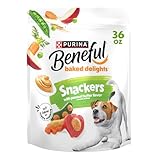
- Made with wholesome grains and peanut butter
- Ideal for training and snacking
- Full of love
- Contains accents of apples, carrots and peas
- Oven-baked with savory soft centers and crunchy outside
Cooked, raw, frozen, and seasoned: what changes?
| Preparation | Recommendation | Reason |
|---|---|---|
| Steamed until tender, plain, cooled, finely cut | Best-supported option for a small serving | Soft texture and controllable ingredients reduce swallowing and seasoning hazards. |
| Roasted in small pieces, plain and cooled | Acceptable according to PetMD’s preparation guidance | Roasting can work when pieces are tender and contain no harmful additions. |
| Raw | Avoid | Hard, uncooked pieces may be bitter and increase choking or blockage risk. |
| Frozen | Avoid | A frozen piece remains hard and can be difficult to chew or swallow safely. |
| Cooked with garlic or onion | Never give | PetMD identifies garlic and onion as toxic to dogs. |
| Cooked with salt, butter, sauce, or spice blend | Do not share | Seasoned people food adds unnecessary ingredients and may upset the stomach. |
| Whole sprout | Do not give | Its size and shape can create a choking hazard or intestinal obstruction risk. |
How much Brussels sprout can a dog have?
PetMD gives general examples for healthy adult dogs, not a prescription or experimentally established safe dose. The figures below are upper-end examples to discuss in the context of the 10% total-treat limit. Begin with a tiny bite even when the table suggests more.
| Dog’s body weight | General example for Brussels sprouts | How to use the figure |
|---|---|---|
| Extra-small, 2–20 lb | 1 teaspoon or less | Start with a single tiny piece; the lower end is more appropriate for a first taste. |
| Small, 21–30 lb | 1–2 teaspoons | Only after the dog tolerates the initial test bite. |
| Medium, 31–50 lb | 1 tablespoon | Measure the total amount for the serving rather than offering a whole sprout. |
| Large, 51–90 lb | 1–2 tablespoons | Keep the amount within the dog’s overall daily treat budget. |
| Extra-large, 91 lb or more | Up to 1/4 cup | This is still a general example for a healthy adult, not a target or a guarantee of tolerance. |
Weight alone does not determine an appropriate portion. Age, activity, body condition, previous food reactions, current treats, and medical needs matter. A small dog that already receives several calorie-dense treats may have little or no room for vegetables that day. Puppies, older dogs, and dogs managing a disease should not be assigned a portion from this table without veterinary advice.
Introducing sprouts without avoidable stomach trouble
Use a one-food test
Offer Brussels sprouts on a day when no other new food is being introduced. That makes it easier to identify the cause if gas, loose stool, vomiting, or discomfort appears. Keep the first piece very small and do not immediately repeat it because the dog begs for more.
Observe the next several hours
Watch for flatulence, a swollen or uncomfortable abdomen, vomiting, diarrhea, reduced appetite, or unusual restlessness. Mild gas can occur because Brussels sprouts contain raffinose, a carbohydrate that is difficult for some dogs to digest. Their fiber can also contribute to digestive upset when the serving is too large.
Rank #3

- VEGETABLE FLAVOR VARIETY: Dog chews flavored with broccoli and carrot for a garden-inspired treat option. Assorted vegetable flavors in one bag help add variety to reward time while keeping ingredients simple and easy to recognize.
- NO ARTIFICIAL ADDITIVES: Made with no artificial colors, flavors, or preservatives and contains no wheat, corn, or soy. Also made without animal products, offering a plant based option for dogs needing treats without common fillers.
- ASSORTED FLAVOR MIX: Includes broccoli and carrot flavored chews in one convenient bag for storage and freshness. Use for training rewards, enrichment, or everyday treating when you want a non-meat chew alternative.
- FIRM WITH CHEWY CENTER: Firm textured treat with a chewy center designed for satisfying chew sessions. Works as a snack between meals and can be offered whole or broken into smaller pieces based on your dog's size.
- INTERMITTENT TREAT ONLY: Intended for intermittent feeding as a treat and not as a meal replacement. Always provide fresh water and supervise chewing, especially for dogs that gulp treats quickly or have specific dietary needs.
Increase only if the dog remains normal
If the test bite causes no problem, a later serving can remain small and fit within the daily treat allowance. There is no reason to work toward the largest amount in the weight table. A dog that tolerates one teaspoon does not need more to obtain a proven benefit.
Will Brussels sprouts make a dog gassy?
They can. PetMD links gas and bloating partly to raffinose, and a larger serving can produce additional stomach upset. Some dogs show no noticeable reaction; others become flatulent after only a modest amount. Tolerance is individual, so a previous normal response to another vegetable does not guarantee that Brussels sprouts will agree with the dog.
Stop offering the sprouts if gas is accompanied by diarrhea, vomiting, abdominal pain, marked discomfort, or a change that persists. The AKC advises veterinary examination when a sudden increase in gas occurs with diarrhea, discomfort, vomiting, or blood in the stool. A veterinarian can determine whether the episode is simple dietary intolerance or a sign of a more serious problem.
What about stalks, leaves, and leftovers?
The stalk is not described as toxic, but PetMD says it may be difficult to digest and can cause gastrointestinal upset. Remove the tough stem and use the tender sprout and leaves instead. Even the soft leaves should be chopped into small pieces and served cooled.
Rank #4

- HEALTHY DOG TREATS: Made with wholesome pumpkin, these tasty treats support healthy digestion and offer a flavor dogs love; They’re the perfect choice for pet parents who want to reward their furry companions with something both nutritious and delicious
- LOW-CALORIE DOG TREATS: With just 8 calories per treat, these low-calorie snacks are ideal for frequent rewards or daily treating without excess calories; They support weight management and help your dog maintain a healthy, active lifestyle every day
- PERFECT FOR DOG TRAINING: Made for training success, these treats feature an irresistible pumpkin and banana flavor that captures your dog’s attention and keeps them engaged; Even the pickiest pups stay focused and motivated with every rewarding bite
- ALLERGY-FRIENDLY INGREDIENTS: Crafted without wheat, corn, or soy, these treats are perfect for dogs with common allergies and sensitivities; They provide a safe, high-quality option that pet parents can confidently offer for a tasty reward with no worry
- CRAFTED FOR HEALTHIER CHOICES: Featuring CalorieSmart nutrition, these treats offer delicious flavors without excess calories; They support healthier snacking habits, letting you reward your dog with tasty, quality treats you can feel good about
Do not give leftovers from a roasted vegetable tray or holiday dish unless you prepared a separate, plain portion. Brussels sprouts cooked with onion, garlic, salty stock, bacon, gravy, or rich sauces are not suitable dog treats. Picking the vegetable out of a seasoned dish does not reliably remove the ingredients that contacted it.
Independent reader supportYour contribution helps us test, update, and keep practical guides available for everyone.When to ask a veterinarian first
Speak with your veterinarian before adding Brussels sprouts when a dog has a diagnosed health condition, a history of food-related digestive problems, or a prescription diet. PetMD specifically recommends checking before introducing new people foods in these circumstances. A prescription diet may be carefully balanced for a medical purpose, and an extra vegetable can affect the plan even if the vegetable itself is not toxic.
- Prescription diets: Ask whether any treat, including a plain vegetable, is compatible with the diet’s nutritional and therapeutic goals.
- Recurring vomiting or diarrhea: Do not use sprouts as a home remedy or test food while symptoms are unresolved.
- Abdominal pain or marked bloating: Withhold the food and seek veterinary guidance rather than waiting for repeated episodes.
- Blood in stool, severe weakness, or persistent symptoms: Contact a veterinarian promptly; these signs need medical assessment, not portion adjustments.
- Dogs that gulp food: The obstruction risk from a whole or inadequately cut sprout makes extra-small pieces and close supervision especially important.
Common feeding questions answered
Can a dog eat one cooked Brussels sprout?
A healthy dog may be able to tolerate a small, plain, tender sprout, but do not serve it whole. Cut it into pieces, cool it, and start with one tiny piece. The appropriate total amount depends on the dog’s size and other treats.
Recommended Free Tools
Can dogs eat Brussels sprouts every day?
There is no established need to feed them daily. If a veterinarian approves them, keep portions small and count them toward the total treat allowance. Rotating or omitting optional vegetables is reasonable because a complete dog food already supplies required nutrition.
Best Value

- Made with Real Fruit - Crafted with real, fresh fruit and human-grade, ingredients, our vegan dog treats are perfect for your furry friend's health. Hypoallergenic and gluten-free, they’re ideal for dogs with allergies or sensitive stomachs.
- Healthy & Wholesome - Our low-sodium, low-protein dog treats contain fresh, delicious plant-based ingredients. It has no corn, wheat, soy, fillers, or processing aids, great for health-conscious pet parents and dogs with special dietary needs.
- Vegan & Vegetarian-Friendly - Our vegetarian dog treats are free of animal protein with a delicious fruity flavor your dog will love. Our line of fruit and vegetable treats makes a great complement to fresh, raw, or traditional diets.
- Crafted with Love - We know you want the best for your dog. Our vegan dog chews are made in the USA in a human-grade, FDA-registered facility. Rest assured knowing we make all our natural dog treats in small batches under the highest standards.
- These are best treats for dogs without teeth. Soft Fruit and Veggie treats are also perfect for mature dogs with dental issues or lost teeth.
Are Brussels sprouts better than other vegetables?
The cited veterinary guidance does not establish Brussels sprouts as superior to other dog-safe vegetables. Their main practical considerations are texture, portion, and the possibility of gas from raffinose. Choose a food your dog tolerates and that can be served plain without displacing balanced meals.
What if a dog steals a large serving?
Remove access to the remaining food and monitor for vomiting, diarrhea, painful or distended abdomen, pronounced lethargy, or choking. A large amount is more likely to cause digestive upset, and a whole sprout can pose a blockage risk. Call a veterinarian or emergency clinic for concerning, severe, or persistent signs, especially if the sprouts contained onion, garlic, or other potentially harmful ingredients.
A simple decision checklist
- Is the dog healthy, eating a non-prescription diet, and free of current digestive symptoms?
- Are the sprouts plain, tender, cooled, and free from garlic, onion, salt, and sauces?
- Have the stalk and tough parts been removed?
- Has the sprout been cut into pieces small enough for the dog?
- Is this a tiny first serving, with all other treats counted in the daily total?
- Can someone watch for gas, bloating, vomiting, diarrhea, pain, or other changes afterward?
If any answer is no, skip the sprouts or obtain veterinary advice first. If every answer is yes, a small piece can be offered as an optional treat while the dog’s complete food remains the foundation of the diet.
Quick Recap
Product prices and availability are accurate as of the date/time indicated and are subject to change. Any price and availability information displayed on Amazon at the time of purchase will apply.





Leave a Reply