
Free tools Windows power users keep installed
One-click scans. No signup required.
Yes—most dogs can eat a small amount of plain, shelled edamame as an occasional treat. The beans are not considered toxic in the guidance from the American Kennel Club (AKC) and PetMD. Remove the pod, avoid salt and seasonings, introduce one or two beans first, and stop if your dog develops digestive or allergic symptoms.
Edamame is optional. A complete, balanced dog food should remain the nutritional foundation; a healthy dog does not need edamame to meet nutrient requirements.
| # | Preview | Product | Price | |
|---|---|---|---|---|
| 1 |
|
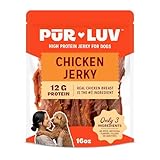
Pur Luv Dog Treats, Chicken Jerky Dog Treat with Real Chicken Breast, 16 oz | $14.09 | Buy on Amazon |
| 2 |

|
Good 'n' Fun Kabobs Long-Lasting Dog Treat Made With Real Protein, 24 oz | $17.97 | Buy on Amazon |
As an Amazon Associate I earn from qualifying purchases.
What “safe edamame” means for a dog
Edamame is an immature soybean. For dogs, the useful distinction is not the variety of soybean but how it is served. The edible inner bean can be an occasional treat when it is plain and the portion is modest. The tough outer pod is a different matter: it is fibrous, difficult to digest, and can create choking or intestinal-obstruction concerns, especially in small dogs. Both the AKC and PetMD advise feeding the bean without the pod.
Crashes, No Sound, or Screen Glitches?
Random freezes, missing sound and display glitches usually trace back to one bad driver. Find and replace yours safely.Free scan · under a minuteWindows Errors? Fix Them Before They Spread
Repair common Windows errors and clear accumulated junk for a smoother, more stable PC - no reinstall needed.Free scan · no reinstall| Serving choice | Guidance | Reason |
|---|---|---|
| Plain, shelled bean | Generally suitable as an occasional treat | The bean is the edible portion addressed by canine safety guidance |
| Whole edamame pod | Do not intentionally feed | Tough fiber can be hard to digest and may cause choking or obstruction |
| Restaurant or seasoned edamame | Avoid | Salt, soy sauce, oil, spices, and sauces can make the serving unsuitable |
| Large or frequent servings | Avoid | Extra fiber or soy may cause gas, diarrhea, or stomach upset |
Why the pod should come off
Dogs often swallow food quickly, so a pod that seems harmless in a human snack can be a hazard. Its fibrous texture is not readily broken down, and a dog may gulp pieces rather than chew them. PetMD identifies choking and obstruction as concerns; the AKC notes that pods can be particularly risky for small dogs. Do not rely on your dog to spit the pod out.
#1 Best Overall
- Real Chicken First: Pur Luv chicken jerky dog treats lead with 100% real chicken breast as the very first ingredient — wholesome ingredients your dog will be thrilled about every single snack time. Dogs love chicken jerky treats!
- Simple Ingredients: These limited ingredient dog treats keep the recipe refreshingly clear, so pet parents always know what's in the bag — because good ingredients and tasty ingredients make every chicken jerky bite worth wagging about.
- High Protein Snack: Made with real meat, these high protein, low fat dog treats deliver a seriously satisfying, flavorful chicken jerky snack your pup will be tail-wagging about — a tasty reward at every treat time they enjoy.
- Chew-Worthy Goodness: Pur Luv chicken jerky for dogs is thoughtfully crafted to satisfy your dog's natural desire to chew, turning every little treat into a joyful, tail-wagging moment full of big treat energy you both share.
- Pack Details: Each bag of Pur Luv dog chicken jerky treats weighs 16 oz and measures 8.07 in x 10.24 in x 3.35 in — plenty of healthy dog treats and dog snacks to keep tails happily wagging all week long.
Remove the beans from the pod before the bowl or treat reaches your dog. If a dog has swallowed a pod, monitor closely and contact a veterinarian for advice, particularly if the dog is small, ate several pods, or shows vomiting, abdominal discomfort, lethargy, trouble swallowing, or difficulty passing stool.
How to prepare edamame safely
- Buy plain beans. Choose fresh or frozen edamame with no seasoning, sauce, oil, or added salt. Processed products may contain additives; Purina’s guidance also cautions against salty or otherwise seasoned edamame.
- Remove every pod. Shell the edamame and use only the inner beans. Smaller pods tend to contain more tender beans, according to PetMD, but the pod still needs to be discarded.
- Rinse the beans. PetMD recommends rinsing to remove contaminants or leftover pod material.
- Choose a plain preparation. PetMD describes beans served raw, steamed, cooked, or frozen. Do not add salt, soy sauce, garlic, onion, chili, butter, or other flavorings.
- Start with a tiny trial. The AKC’s conservative first serving is one or two beans removed from the pod. Offer them when you can watch your dog for the rest of the day.
- Observe before offering more. Look for gas, loose stool, vomiting, itching, hives, facial swelling, or other changes. If signs appear, stop the treat and ask your veterinarian how to proceed.
Frozen beans may be used if they are plain and shelled. Serve them in a size and texture your dog can manage; never substitute a seasoned frozen snack or a prepared dish intended for people.
How much edamame can a dog have?
There is no single portion that fits every dog. Age, body condition, activity, existing disease, and the rest of the diet all matter. For a first taste, one or two beans is more cautious than jumping directly to a full tablespoon. If your dog tolerates that amount, PetMD publishes the following general guide of up to 1 tablespoon per 10 pounds of body weight, no more than once or twice weekly. These figures are a practical recommendation from PetMD, not a universal veterinary standard.
| Dog’s weight | PetMD general amount | How to use the figure |
|---|---|---|
| Extra-small (2–20 lb) | 0.5–1.5 tablespoons | Begin well below the upper end; one or two beans is a sensible trial |
| Small (21–30 lb) | 2–3 tablespoons | Use only if a smaller test caused no reaction |
| Medium (31–50 lb) | 3–5 tablespoons | Keep it occasional and count it among all treats |
| Large (51–90 lb) | 5–9 tablespoons | Do not interpret the range as a daily serving |
| Extra-large (91 lb and up) | 10 tablespoons | Individual veterinary advice is still preferable |
Those ranges describe a maximum-style guide, not a target. A dog that has never eaten soy may need much less, and a dog with a prescribed diet may need none. Treats should not displace the complete food that supplies the dog’s required nutrients.
Plain versus seasoned: why human servings are different
Edamame served at a restaurant or from a shared appetizer is commonly salted or mixed with sauces. That preparation is not equivalent to plain beans. Salt and soy sauce add sodium; oil increases calorie density; spice blends and sauces may include ingredients that are inappropriate for dogs. The AKC, PetMD, and Purina all direct owners toward plain beans and away from flavored preparations.
| Example | Give it to a dog? | What to check |
|---|---|---|
| Plain shelled beans | Usually, in a small occasional portion | Ingredient list contains edamame/soybeans without seasoning |
| Steamed or cooked plain beans | Usually, after shelling | No salt, oil, sauce, onion, garlic, or spice coating |
| Plain frozen shelled beans | Potentially, if tolerated | No additives; use a manageable serving |
| Restaurant edamame | No | Typically salted or sauced, with unknown ingredients |
| Edamame mixed into a seasoned human dish | No | Other ingredients and sodium make the portion unsuitable |
Possible benefits—and why edamame is not required
Edamame can provide variety and a different texture as a treat, but the cited veterinary guidance does not identify it as a necessary food for dogs. AKC Chief Veterinarian Jerry Klein, DVM, states: “When you feed your dog a balanced, quality dog food, they do not require edamame to meet their nutritional requirements.” Read the full guidance at the AKC’s edamame article.
That distinction matters when owners try to use beans as a meal replacement or a way to correct a nutritional problem. Edamame should remain a small addition to an already complete diet, not a protein substitute, detox food, or treatment. If you are changing a puppy’s diet, managing weight, or feeding a dog with a medical condition, ask your veterinarian before adding discretionary foods.
What’s actually slowing this PC down?
Pick the symptom - the matching free tool is one click away.
Digestive upset, soy sensitivity, and allergy
Digestive effects
A sudden increase in fiber or a large serving can lead to gas, diarrhea, or stomach upset. These effects are more likely when a dog eats a bowlful rather than a few beans. If stool becomes loose, withhold edamame, provide the normal diet and water unless your veterinarian advises otherwise, and seek veterinary guidance if signs are severe, persistent, or accompanied by vomiting, weakness, pain, or dehydration.
Soy sensitivity is possible
Soy can trigger a food reaction in an individual dog, but a reaction to one serving does not by itself establish an allergy. The AKC’s broader discussion of soy explains that dogs can react to many food sources and rejects the idea that soy automatically causes an allergic reaction. Review that context in “Everything You Need to Know About Soy in Dog Food.”
Rank #2
- DELICIOUS BEEF HIDE CHEW: Good ‘n’ Fun Triple Flavor Kabobs are made from premium beef hide, savory chicken, delicious pork hide, wholesome duck and hearty chicken liver.
- GREAT SOURCE OF PROTEIN: Wrapped with premium cuts of real chicken.
- KABOB SHAPE: Treat your pup to a fun ‘n’ flavorful chew time with this kabob-shaped chew.
- SATISFIES YOUR DOG’S NATURAL URGE TO CHEW: The natural chewing action helps reduce tartar buildup and remove plaque.
- SNACK FOR ALL DOGS: Your dog is sure to love this truly delightful, long-lasting treat.
Potential warning signs include itching, hives, recurrent ear or skin problems, vomiting, or diarrhea after eating. Facial swelling, breathing difficulty, collapse, or rapidly worsening symptoms warrant emergency veterinary care. Do not conduct repeated home “tests” if your dog has had a serious reaction.
Independent reader supportYour contribution helps us test, update, and keep practical guides available for everyone.Dogs that need individualized advice
Ask the dog’s veterinarian before offering edamame when any of the following applies:
- Your dog has a diagnosed food allergy or is undergoing an elimination diet.
- A veterinarian has prescribed a therapeutic or restricted diet.
- Your dog has a history of pancreatitis, chronic gastrointestinal disease, kidney disease, or another condition requiring controlled nutrition.
- Your dog is very small, a puppy, elderly, or prone to swallowing food without chewing.
- Your dog takes medication or supplements whose use depends on a stable diet.
In these situations, even a plain bean can interfere with a carefully controlled feeding plan or make it harder to identify the cause of symptoms.
What to do if your dog ate the pod or too much edamame
If only one or two plain beans were eaten
For most otherwise healthy dogs, monitor for digestive changes and avoid giving more until you know how the dog reacts. Keep the next meal normal rather than compensating with additional treats.
If several pods, a large quantity, or seasoned edamame were eaten
Call your veterinarian or an emergency clinic for situation-specific advice. Tell them the dog’s weight, approximate amount, whether pods were swallowed, the product’s ingredient list, and when it was eaten. Do not induce vomiting unless a veterinary professional specifically instructs you.
If symptoms develop
Urgent signs include repeated vomiting, a swollen or painful abdomen, choking, breathing trouble, collapse, marked lethargy, facial swelling, or inability to keep water down. These signs need prompt veterinary assessment rather than home observation.
The Tool Desk
Outbyte PC Repair FREEClear out junk files and repair common Windows errorsFree Scan →Outbyte Driver Updater FREEScan for outdated or missing drivers - takes under a minuteDriver Scan →Buying edamame for occasional treats
A bag of plain frozen shelled edamame is a convenient category to consider because PetMD says frozen beans may be served. Check the ingredient panel each time: the product should contain plain beans without salt, sauces, spice mixtures, or other additives. Packaging can change, so do not assume that every frozen edamame product is interchangeable. You do not need to purchase edamame specifically for a dog; it is simply one optional treat among many.
A practical decision checklist
- Is it the bean, not the pod? Shell it completely.
- Is it plain? Reject salted, sauced, oily, or spiced versions.
- Is the first serving tiny? Try one or two beans.
- Did your dog tolerate it? Watch for gastrointestinal or skin reactions before repeating.
- Is it occasional? Follow PetMD’s no-more-than-once-or-twice-weekly general guidance, adjusted by your veterinarian.
- Does your dog have a health or diet restriction? Obtain veterinary approval first.
For a healthy dog, the safest pattern is simple: plain, shelled beans, introduced slowly, in a small occasional portion. The pod, seasoned preparations, and large servings are the avoidable risks.
Quick Recap
Product prices and availability are accurate as of the date/time indicated and are subject to change. Any price and availability information displayed on Amazon at the time of purchase will apply.





Leave a Reply