
Some links on this page are affiliate links: if you buy through them we may earn a commission, at no extra cost to you.
Dogs should not be fed lemons. A tiny accidental taste of peeled lemon flesh is unlikely to cause serious poisoning in most dogs, but lemons are acidic, unpleasant, and offer no nutritional benefit to them. The bigger risks are the peel, white pith, seeds, leaves, plant material, juice in larger amounts, and concentrated citrus oils.
If your dog has eaten lemon, the right response depends on which part was consumed, how much, and whether symptoms are developing.
As an Amazon Associate I earn from qualifying purchases.
Recommended Free Tools
Are lemons toxic to dogs?
Lemon flesh is generally not considered toxic to dogs, but that does not make lemons a suitable treat. The fruit’s acidity can irritate a dog’s mouth and digestive tract, especially if it eats a large amount or drinks concentrated juice. Vomiting, diarrhea, drooling, and reduced appetite are possible.
Veterinary poison-control guidance identifies essential oils and psoralens as the more important toxic principles in lemon. These are concentrated in the peel and other plant material. The risk is therefore not the same for every part of the lemon.
Popular on Amazon
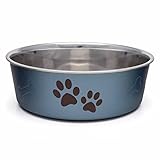
- STAINLESS STEEL & DURABLE - This Bella Bowl (27 oz, 6.75" x 2") features a stainless steel design with a poly-resin exterior great for dog food mat, which makes them dish washer safe and easy to keep clean and hygienic. Perfect cat food bowl or dog water bowl for home & travel.
- REMOVEABLE RUBBER BASE - This feature prevents and ensures no spill water bowl for dogs. It’s perfect for puppy food and makes an excellent addition to your dog feeding station. Watch the bowl stand steady on your pet food mat, making it a great complement to your dog mat and other dog stuff.
- PATENTED AWARD-WINNING DESIGN – Bella Bowls are renowned for being the bestselling bowls in the pet industry. The Bella Bowl Stainless Steel Bowls come in a variety of sizes, making this versatile dog food bowl perfect for all pets—from puppy bowls and small bowls to dog bowls large breed and everything in between! These bowls are also ideal for use as a cat water bowl, with smaller sizes being highly recommended for cat bowls for indoor cats.
- REAL STEEL STYLISH & COLORFUL DOG FEEDER – Available in a wide range of vibrant colors, this dog bowl seamlessly complements any pet supplies collection or dog accessories and makes a fantastic addition to your home’s décor. The Bella Bowls come in beautiful hues like blueberry and artichoke, making them a perfect fit for your dog bowl mat or cat food mat.
- VETERINARIAN RECOMMENDED – This stainless steel dog bowl and stainless steel cat bowls have all the benefits of stainless steel making them hygienic and clean. Bella bowls are truly a must-have for any cat feeding station and essential addition to your dog supplies.
Which parts of a lemon are dangerous?
| Lemon part | What to do | Main concern |
|---|---|---|
| Flesh | Do not offer it intentionally | Acidic and may cause stomach upset; a small accidental bite is usually less concerning |
| Peel, rind, and zest | Keep away from dogs | Essential oils, psoralens, difficult digestion, choking, or intestinal obstruction |
| White pith | Do not feed | Often attached to the peel and can contribute to gastrointestinal irritation |
| Seeds | Do not deliberately give them | Possible choking or obstruction risk if swallowed whole |
| Juice or lemon water | Do not add to food or water | Acidity and concentration can irritate the mouth and stomach |
| Leaves and lemon-plant material | Prevent access | May contain the same potentially harmful compounds as the peel |
| Essential or citrus oil | Treat as a potentially dangerous exposure | Ingestion and skin exposure can cause toxicity, including gastrointestinal and nervous-system effects |
Why lemon peel is more concerning than the flesh
The peel contains aromatic oils and psoralens, compounds associated with lemon toxicity. It is also tough and difficult for a dog to digest. A dog that swallows a strip of rind may develop stomach upset, while a larger or poorly chewed piece can present a choking or intestinal-obstruction hazard.
Do not assume that a product is harmless because it smells like fresh lemon or is labelled “natural.” Lemon essential oil, citrus oil blends, concentrated cleaners, and some fragrance products can be dangerous if a dog licks, swallows, or gets them on its skin. Check the ingredient label and keep concentrated products out of reach.
Also popular on Amazon

- Stainless Steel Pet Bowl: Made for daily food or water use with a simple, practical design
- Silicone Nonslip Bottom: Helps reduce sliding and noise on smooth feeding surfaces
- Wide, Stable Shape: Designed to sit steadily during everyday meals
- Easy to Clean: Smooth stainless steel surface rinses clean and is dishwasher safe
- Stackable Design: Bowls can be stacked for compact storage when not in use
What symptoms can lemons cause?
Watch your dog for:
- Vomiting or diarrhea
- Drooling, lip-licking, or signs of mouth irritation
- Reduced appetite
- Lethargy or depression
- Skin irritation after contact with peel or oil
- Loss of coordination or other unusual neurological signs
- Tremors, collapse, or severe weakness
Serious neurological signs are more concerning after exposure to a concentrated oil or a substantial amount of plant material than after a small taste of lemon flesh. Nevertheless, any sudden or severe symptom warrants prompt veterinary attention.
What to do if your dog ate a lemon
- Remove the remaining lemon or product. Prevent further licking or chewing, particularly if peel, leaves, or oil are involved.
- Identify what was consumed. Note whether it was flesh, peel, seeds, juice, a leaf, or an oil-based product.
- Estimate the amount and time. Your dog’s size, health, the quantity, and the time since exposure help a veterinarian judge the risk.
- Save the packaging. For oils, cleaners, or other products, keep the container or take a clear photograph of the ingredient list.
- Call your veterinarian promptly if your dog ate peel, rind, leaves, essential oil, a large quantity of lemon or juice, or has any symptoms.
- Do not induce vomiting or give home remedies unless a veterinarian or veterinary poison-control professional specifically tells you to. Incorrect attempts can cause aspiration, esophageal injury, or other complications.
In the United States, you can contact ASPCA Animal Poison Control at (888) 426-4435 or Pet Poison Helpline at (855) 764-7661. Consultation fees may apply. If your dog is collapsed, having tremors, struggling to breathe, or severely weak, go directly to an emergency veterinary clinic.
Also popular on Amazon
- Stainless Steel Pet Bowl: Made for daily food or water use with a simple, practical design
- Silicone Nonslip Bottom: Helps reduce sliding and noise on smooth feeding surfaces
- Wide, Stable Shape: Designed to sit steadily during everyday meals
- Easy to Clean: Smooth stainless steel surface rinses clean and is dishwasher safe
- Stackable Design: Bowls can be stacked for compact storage when not in use
Can dogs have lemon water?
No. Lemon water is not a useful way to encourage hydration, and the added juice can irritate the mouth and stomach. Give your dog fresh, plain water instead. If your dog is not drinking, is vomiting, or seems dehydrated, contact a veterinarian rather than flavouring its water with lemon.
Are other citrus fruits safer?
Citrus fruits are not all identical, and the part and concentration matter. Veterinary guidance generally allows many dogs to eat a small amount of peeled orange flesh, for example, while orange peel and citrus oils remain unsuitable. That comparison does not make lemons a good choice: lemons are especially acidic and are more likely to cause an unpleasant reaction or digestive upset.
Crashes, No Sound, or Screen Glitches?
Random freezes, missing sound and display glitches usually trace back to one bad driver. Find and replace yours safely.Free scan · under a minuteWindows Errors? Fix Them Before They Spread
Repair common Windows errors and clear accumulated junk for a smoother, more stable PC - no reinstall needed.Free scan · no reinstallAlso popular on Amazon
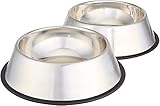
- Set of 2 stainless-steel food bowls for puppies, dogs, cats, or kittens
- Max fill (to the rim) 38 oz / 1.15 L each bowl, recommended fill up to 28 oz/ 0.8 L, perfect for dry kibble, wet food, treats, or water.
- Rust resistant; offers a healthy alternative to plastic; doesn’t hold odors
- No-slip design; rubber base protects floors and prevents bowls from sliding while your pet eats
- Dishwasher-safe for easy cleaning
For treats, use foods known to be dog-safe and give them in moderation. A dog does not need lemon for vitamin C or any other essential nutrient when it is eating a complete, balanced diet.
How to prevent a lemon exposure
- Keep lemons, peels, and kitchen scraps in a covered bin.
- Do not leave sliced lemons or drinks containing lemon juice where your dog can reach them.
- Store essential oils, citrus cleaners, and diffusers securely.
- Prevent dogs from chewing on lemon trees, fallen fruit, leaves, or pruned branches.
- Tell children and guests not to share lemon slices or lemon desserts with the dog.
FAQ
Will one lick of lemon hurt my dog?
A brief lick or tiny taste of peeled lemon flesh is unlikely to cause serious poisoning in most dogs, although it may cause irritation or stomach upset. Remove the lemon, offer plain water, and monitor your dog. Contact a veterinarian if symptoms appear or if the lick involved peel, oil, or a concentrated product.
Also popular on Amazon

- DOG BOWLS & CAT BOWLS FOR FOOD AND WATER: The Bentley pet bowl doubles as a dog or cat bowl - sized for the daily feeding and refill routine every pet parent knows by heart, whether you've got one dog, one cat, or a houseful of both.
- INSULATED STAINLESS STEEL: Food-grade 304 (18/8) stainless steel keeps water cooler for longer between refills - so it's still fresh by the time your dog or cat wanders back for a drink in the afternoon.
- NO TIP, NO SLIP SILICONE BASE: The base is wide, weighted, and features silicone to help keep it steady through eager eaters, excited tail wags, and multi-pet mealtimes - so you're not mopping up a slid-across-the-floor bowl before your morning coffee.
- BPA FREE MATERIALS: Made without BPA, this stainless steel pet bowl is a safer choice for daily food and water bowls - a bowl you can trust for the long run.
- GIFT-READY FOR PET PARENTS: Available in Medium (32oz) and Large (64oz) sizes across various on-trend colors, the Bentley pet bowl is a thoughtful pick for new puppy or kitten essentials, housewarmings, and gifts for the dog and cat lovers in your life.
What should I do if my dog ate lemon peel?
Call your veterinarian for advice, especially if your dog swallowed more than a small fragment, is small, or is showing vomiting, diarrhea, drooling, lethargy, pain, or unusual behavior. Do not induce vomiting unless a veterinary professional instructs you to.
Can dogs eat lemon seeds?
Do not feed lemon seeds deliberately. Swallowed seeds can add choking or obstruction risk, particularly in smaller dogs. Contact your veterinarian if your dog ate several seeds, swallowed them with peel, or develops symptoms.
Free tools Windows power users keep installed
One-click scans. No signup required.
Is lemon essential oil poisonous to dogs?
Lemon and other concentrated citrus oils can be dangerous. Both swallowing the oil and getting it on the skin can cause problems, including gastrointestinal irritation and nervous-system effects. Remove access, keep the product container, and contact a veterinarian or animal poison-control service promptly.
The Bottom Line
Keep lemons away from dogs. A small accidental bite of peeled flesh is usually less serious than eating peel, pith, seeds, leaves, or concentrated oil, but lemons are unnecessary and can upset the digestive system. Contact a veterinarian promptly after a higher-risk exposure or whenever symptoms occur, and never try to make your dog vomit without professional instructions.





Leave a Reply