
No—do not spray or rub Lysol on a cat to kill fleas. Lysol cleaners and disinfectants are labeled for household surfaces, not feline flea control. There is no established controlled test showing that Lysol safely kills fleas on cats, and using a surface disinfectant on an animal can expose the cat to harmful chemicals. Have a veterinarian select a flea product labeled for your cat, and treat the home as well because fleas do not live only on the animal.
What the product labels actually establish
A representative U.S. Environmental Protection Agency registration, LYSOL BRAND ALL PURPOSE CLEANER (EPA Reg. No. 777-89), lists alkyl dimethyl benzyl ammonium chloride at 1.1856% as its active ingredient. The accepted label claims control of specified bacteria, viruses and mold or mildew. Fleas are not among the pests listed in that record. The latest accepted label date shown in that record is May 20, 2022, so the container in your home—not an older database entry—must be treated as the controlling instructions.
As an Amazon Associate I earn from qualifying purchases.
The manufacturer’s Pet Odor Eliminator directions list pet beds, crates, cat trees and other household surfaces. They state: Remove all animals from area prior to use. Allow product to fully dry prior to returning animals to area.
That is a surface-use instruction. It is not permission to apply the product to a cat, and “pet” in a product name does not mean the product is an animal medication.
The Tool Desk
Outbyte Driver Updater FREEFix the driver behind crashes, sound loss and screen glitchesFind Drivers →Outbyte PC Repair FREEClear out junk files and repair common Windows errorsFree Scan →Because formulas and labels can differ by product and market, do not assume every Lysol item has the same ingredients or hazards. Equally, do not assume that a product lacking a flea claim becomes a flea treatment when it is sprayed on fur. A flea-control claim, species directions, dose and age or health restrictions must appear on a product specifically labeled for cats.
#1 Best Overall

- Advantage II Large Cat is a leading brand in cat flea treatment and prevention for large cats over 9 lbs., at least 8 weeks of age
- Vet-recommended, easy-to-apply monthly topical treatment – no hard-to-swallow pills, no prescription needed
- Delivers total flea protection – kills adult fleas, flea larvae and flea eggs through contact
- Same-day effectiveness – kills fleas within 12 hours of application and keeps working for 30 days
- Fragrance-free formula, waterproof after 24 hours of application
What an EPA registration does—and does not—mean
An EPA registration identifies the particular formulation and the uses the manufacturer is allowed to claim. The listed bacteria, viruses or fungi are not interchangeable with fleas, and registration of a surface disinfectant is not approval for application to an animal. A label’s directions, warnings and approved sites matter as much as the brand name.
Check the exact container for its active ingredients, first-aid language, use sites and re-entry directions. A product sold in another country, a newer package or a different Lysol category may have different wording. If the label does not specifically identify cats and fleas, it is not a cat flea medicine.
Why a household disinfectant is the wrong flea treatment
Disinfectants and parasiticides have different jobs
A disinfectant is evaluated and labeled for inanimate surfaces and named microorganisms. A feline flea product is formulated, tested and labeled for use on an animal, with instructions for the cat’s species, weight, age and application site. Those are separate uses governed by separate directions. Moving a surface chemical onto skin or fur bypasses the product’s safety information.
Recommended Free Tools
The available product record does not provide a flea-kill rate for Lysol on cats, a safe feline dose or a treatment schedule. Do not infer effectiveness from the fact that a cleaner can damage organisms on a countertop. A cat can lick residue from its coat, paws or treated surfaces, and an owner cannot reliably control how much product reaches the mouth, eyes or skin.
Phenol is an ingredient-specific warning
The Centers for Disease Control and Prevention says: If you have a cat, do not use disinfectants with “phenol” in the ingredient list (the word “phenol” may be part of a longer word, like “2-Phenylphenol”).
The CDC explains that phenols are very toxic to cats.
This warning should be applied to the ingredient list of the exact product you have. It does not support the blanket statement that every current Lysol product contains phenol. The EPA record described above lists a different active ingredient for that particular cleaner, but one record does not represent every Lysol formulation, country or product version. If the label contains “phenol,” “2-Phenylphenol” or another phenol-containing term, keep it away from cats and ask a veterinarian how to handle any exposure.
Rank #2

- EFFECTIVE, WATERPROOF FLEA TREATMENT FOR CATS: PetArmor Plus is a waterproof, flea & tick topical prevention for cats that kills fleas, flea eggs, flea larvae, ticks, and chewing lice for up to 30 days after application.
- TRUSTED, VET QUALITY FORMULA: Containing fipronil and (S)-methoprene, the same active ingredients as FRONTLINE Plus for Cats. PetArmor Plus for Cats has a powerful formula that starts to kill fleas within 24 hours.
- BREAK THE FLEA CYCLE: Unlike other flea and tick treatments that may temporarily suppress flea activity, PETARMOR Plus Cat Flea Treatment works by effectively breaking the flea life cycle Kill flea eggs and larvae to prevent re-infestation.
- FLEA AND TICK PROTECTION: PetArmor Plus for Cats flea drops protects your furry family members from brown dog ticks, American dog ticks, Lone Star ticks, and deer ticks (which may transmit Lyme disease).
- EASY-TO-USE, LONG-LASTING: PetArmor Plus flea and tick treatment comes with three (3) waterproof topical applications that provides your pet flea protection and control for three (3) months.
How to check whether your cat really has fleas
Fleas can be hard to spot, especially on a dark or long-haired cat. Before applying anything, inspect the coat methodically:
- Use a fine-toothed flea comb, concentrating on the neck, back, belly and base of the tail.
- Comb over a white towel or sheet so moving insects and black specks are easier to see.
- Look for adult fleas or pepper-like debris. Flea feces can be caught in the comb or seen against a white background.
- If you find suspicious material, show a photograph or the combed debris to your veterinarian. Other skin conditions and parasites can cause itching, and a flea product will not treat every cause.
A visible flea is enough reason to seek advice, but the absence of a flea during one brief inspection does not prove the home is flea-free. Eggs and immature stages are found in the environment, while adult fleas may be removed by grooming before you see them.
Safer treatment: choose a product labeled for your cat
Get an individual recommendation
Ask a veterinarian which flea-control product fits your cat’s species, weight, age, health status and other medicines. Cornell University’s feline guidance describes categories that may include over-the-counter topical products or long-acting collars; oral preventatives may require a prescription. The correct choice depends on the current label and the individual animal, not on a household product’s advertising.
Read the entire cat label before use. Confirm the species, minimum age, weight range, application site, dosing interval and warnings. Use only the amount and schedule stated. If the cat is very young, elderly, pregnant, nursing, ill or taking other medication, obtain veterinary advice before treatment. Never substitute a disinfectant for a cat-labeled flea product, and do not combine products unless a veterinarian tells you to.
Why veterinary guidance matters
Flea products can contain chemicals that are harmful if misapplied or accidentally ingested. Cornell advises using over-the-counter or prescription products only with veterinary guidance. A veterinarian can also assess anemia, skin infection, allergic flea-bite dermatitis or another illness that may need treatment beyond killing adult fleas.
Crashes, No Sound, or Screen Glitches?
Random freezes, missing sound and display glitches usually trace back to one bad driver. Find and replace yours safely.Free scan · under a minuteWindows Errors? Fix Them Before They Spread
Repair common Windows errors and clear accumulated junk for a smoother, more stable PC - no reinstall needed.Free scan · no reinstallChecklist before the first dose
- Identify the cat’s current weight, age and health conditions, including pregnancy, nursing or chronic illness.
- List every medicine, supplement and flea product already used.
- Verify that the package explicitly names cats and covers the cat’s weight and age.
- Confirm where the product goes, how often it is used and what contact or grooming precautions apply.
- Keep the package and lot information in case your veterinarian needs to identify an ingredient after a reaction.
Never use a dog product, a household pesticide or a second flea product simply because activity continues. Ask the veterinarian whether the diagnosis and product are correct before changing the plan.
Rank #3
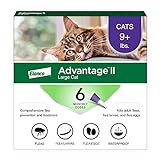
- Advantage II Large Cat is a leading brand in cat flea treatment and prevention for large cats over 9 lbs., at least 8 weeks of age
- Vet-recommended, easy-to-apply monthly topical treatment – no hard-to-swallow pills, no prescription needed
- Delivers total flea protection – kills adult fleas, flea larvae and flea eggs through contact
- Same-day effectiveness – kills fleas within 12 hours of application and keeps working for 30 days
- Fragrance-free formula, waterproof after 24 hours of application
Treat the home as well as the cat
Treating the cat alone often fails because flea eggs, larvae and pupae remain in bedding, carpets, furniture and cracks. Cornell recommends frequent vacuuming and washing pet bedding. Control can take months and may require repeated treatments at the intervals specified by the products you use.
A practical household routine
- Vacuum frequently. Concentrate on areas where the cat rests, including rugs, upholstery edges, under furniture and along baseboards. Empty the vacuum according to its manufacturer’s instructions so captured insects do not re-emerge.
- Wash bedding. Launder the cat’s blankets, removable covers and other washable resting materials using the hottest setting allowed by the fabric-care label, then dry them completely.
- Treat every household pet. Ask the veterinarian for an appropriate product for each species. A plan that covers only the visibly itchy cat can leave an untreated source in the home.
- Use an environmental flea product only for its labeled setting. If a product is labeled for carpets or rooms, remove animals, people or other items exactly as its directions require, ventilate as instructed and keep everyone out until the stated re-entry conditions are met.
- Repeat on schedule. Flea stages emerge at different times. Follow the label’s interval rather than adding extra applications because you still see activity during the first days.
The reviewed information supports environmental flea products when their own labels authorize the intended use. It does not support Lysol as an environmental flea spray, and it does not make a surface disinfectant interchangeable with a pesticide.
Why persistence matters
Finding a flea after the first pet treatment does not automatically mean the product failed. Different stages can emerge from the environment after treatment, and newly emerged adults may be noticed while the household plan is still working. Continue comb checks, vacuuming and bedding care, and follow the stated interval rather than applying an unscheduled extra dose.
Do these 3 things before closing this tab:
1Repair Windows errors before they cause bigger problems2Scan for outdated or missing drivers - takes under a minute3Clear out junk files and repair common Windows errorsIf activity continues despite a complete plan, have the veterinarian review whether every pet was treated, whether the product was applied correctly and whether another cause of itching is present. A professional can also advise whether an environmental product is appropriate for the rooms and surfaces involved.
Lysol versus appropriate flea-control options
| Option | Intended use | What the evidence supports | Key precautions |
|---|---|---|---|
| Lysol surface cleaner or disinfectant | Household surfaces and specified microorganisms | The reviewed EPA record does not list fleas; no safe or effective feline application is established. | Follow the exact surface label. Keep cats away during use and until the product is fully dry when the directions require that. Never apply to the cat. |
| Cat-labeled topical flea product | Application to a cat within stated species, age and weight limits | A veterinarian can select an appropriate product and schedule. | Use only the labeled dose and site. Prevent licking or accidental ingestion as directed. |
| Long-acting flea collar labeled for cats | Continuous flea control on the animal | May be an option for some cats after veterinary or label review. | Check fit, age restrictions, active ingredients and replacement interval. |
| Prescription oral preventative | Systemic flea control for eligible cats | Some oral options require a prescription and veterinary assessment. | Give only to the animal and at the dose prescribed; disclose other medicines and health conditions. |
| Environmental flea treatment | Indoor areas such as carpets or rooms, only where the label permits | Can be part of a months-long household plan alongside pet treatment. | Remove pets before application and observe every ventilation, drying and re-entry instruction. |
| Fine-toothed flea comb | Inspection and removal of some fleas and debris | Useful for checking the coat and monitoring activity. | It is not a complete flea treatment and does not address eggs or immature stages in the home. |
If you already sprayed Lysol on your cat
Stop the exposure. Move the cat away from the product and prevent grooming if you can do so without a struggle or bite. Do not apply another chemical to “neutralize” the first one. Call a veterinarian or emergency veterinary clinic promptly for product-specific instructions, and keep the container or photograph the ingredient panel.
Urgent signs include vomiting, diarrhea, marked lethargy, seizures or difficulty breathing. A cat that licked or swallowed Lysol, had substantial wet contact or is showing any concerning change should be assessed promptly even if the signs seem mild at first. The available information does not establish a safe exposure dose for Lysol products in cats, so do not wait for a presumed threshold.
Rank #4

- SHIPMENT CONTAINS: One 6-dose pack of Amazon Basics Flea Topical for Large Cats (over 9 pounds)
- FAST ACTING: Eliminates fleas in just 12 hours, providing your cat with swift relief from discomfort with our effective flea medication
- DUAL INGREDIENT FORMULA: Formulated with Imidacloprid and Pyriproxyfen to kill adult fleas and prevent flea infestations
- LONG-LASTING PROTECTION: Protect your cat from infestations for up to 4 weeks with each application, killing reinfesting fleas within 2 hours and efficiently halting the flea lifecycle
- EASY APPLICATION: Designed for monthly use, apply directly to dry skin between the shoulder blades for best results
Do not induce vomiting unless a veterinary professional specifically directs you to do so. In the United States, Cornell lists ASPCA Animal Poison Control at 888-426-4435; verify the current number and any applicable fee when you call. Have the exact product name, active ingredients, estimated amount, time of exposure, the cat’s weight and current symptoms ready.
Common mistakes and the safer correction
- Mistake: spraying the cat because the bottle says “pet odor.”
Correction: interpret “pet” in the directions’ context. If the instructions name beds, crates or other surfaces and require animals to be removed, the product is not a cat treatment. - Mistake: assuming all products in a brand have identical ingredients.
Correction: read the exact container. Formulations, active ingredients and labels vary by product and market. - Mistake: treating only the itchy animal once.
Correction: have every household pet evaluated, vacuum and wash bedding, and continue the environmental plan for the intervals stated on the relevant labels. - Mistake: applying extra doses when fleas remain visible.
Correction: ask the veterinarian whether the product is appropriate and follow its schedule. Flea stages in the home can emerge after the first application. - Mistake: using a dog or household product without checking the cat label.
Correction: use only a product whose current directions specifically cover cats and the cat’s age and weight, with veterinary advice when uncertain. - Mistake: waiting for severe symptoms after a cleaner exposure.
Correction: contact a veterinarian promptly after licking, swallowing or substantial contact, and bring the package or label.
What to remember
Lysol is not a flea medicine for cats, and the reviewed EPA registration does not claim that the representative all-purpose cleaner kills fleas. The manufacturer’s pet-odor directions are for surfaces and require animals to be removed until the product is dry. Use a veterinarian-selected, cat-labeled flea product; clean the environment with methods and products approved for that setting; and treat any suspected Lysol exposure as a veterinary question rather than trying a home antidote.
Frequently Asked Questions
Does Lysol kill fleas on cats?
No. Lysol products are labeled for household surfaces and specified microorganisms, not for killing fleas on cats. No safe feline dose or controlled flea-kill result is established. Use a product specifically labeled for cats after consulting a veterinarian.
Can I spray Lysol on my cat for fleas?
No. Do not spray, rub or pour a household disinfectant onto a cat. The Pet Odor Eliminator directions require animals to be removed and the treated surface to dry, which describes surface use rather than animal use.
Is Lysol safe to use around cats?
Follow the exact product label. Keep cats away during application and until required drying or re-entry conditions are met. CDC specifically warns against disinfectants whose ingredient list contains phenol or a longer phenol-containing term because phenols are very toxic to cats.
Quick wins for a faster PC:
Repair Windows errors before they cause bigger problemsFix Now →Fix the driver behind crashes, sound loss and screen glitchesFind Drivers →Clear out junk files and repair common Windows errorsFree Scan →What should I do if my cat licked Lysol?
Contact a veterinarian or emergency veterinary clinic promptly, keep the container or ingredient panel available, and do not induce vomiting unless a veterinary professional tells you to. Vomiting, diarrhea, lethargy, seizures or breathing difficulty require urgent attention.
Best Value
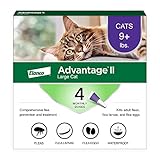
- Advantage II Large Cat is a leading brand in cat flea treatment and prevention for large cats over 9 lbs., at least 8 weeks of age
- Vet-recommended, easy-to-apply monthly topical treatment – no hard-to-swallow pills, no prescription needed
- Delivers total flea protection – kills adult fleas, flea larvae and flea eggs through contact
- Same-day effectiveness – kills fleas within 12 hours of application and keeps working for 30 days
- Fragrance-free formula, waterproof after 24 hours of application
Can I use Lysol on bedding or a cat tree?
Only if that exact Lysol product’s label permits the surface. Remove animals before use and wait until the product is fully dry when the directions require it. Surface cleaning does not replace a cat-labeled flea treatment or laundering and vacuuming.
What is the safest way to treat fleas on a cat?
Have a veterinarian select a cat-labeled topical, collar or, when appropriate, prescription oral preventative. Check the species, age, weight, health warnings, dose and interval, and use only as directed. Treat all household pets and the environment as part of the plan.
Can a flea comb solve the infestation?
A fine-toothed comb can find adult fleas and flea debris and can help monitor progress, but it does not address eggs and immature stages in the home. Combine inspection with veterinary treatment, vacuuming and bedding care.
Free tools Windows power users keep installed
One-click scans. No signup required.
Why do I still see fleas after treating my cat?
Flea stages in bedding, carpets, furniture and cracks can emerge at different times. Continue the veterinarian-approved pet treatment and the labeled household routine, including frequent vacuuming and bedding care. Do not add unscheduled doses; ask the veterinarian to review the plan if activity persists.
The Bottom Line
Bottom line: Lysol is a surface disinfectant, not a flea treatment for cats. Never apply it to a cat. Use a veterinarian-selected, cat-labeled product, manage every household pet and the environment, and contact a veterinarian promptly after licking, swallowing or substantial exposure.
Quick Recap
Product prices and availability are accurate as of the date/time indicated and are subject to change. Any price and availability information displayed on Amazon at the time of purchase will apply.





Leave a Reply