
What’s actually slowing this PC down?
Pick the symptom - the matching free tool is one click away.
Some links on this page are affiliate links: if you buy through them we may earn a commission, at no extra cost to you.
Yes—raw milk can expose cats to H5N1, and the infection can become a rapidly fatal disease involving the lungs, brain, eyes, and other organs. The strongest direct evidence comes from a California household in which three indoor cats drank commercially purchased raw milk later included in a recall after H5N1 testing. One of those cats was laboratory-confirmed infected and developed hind-limb weakness and blindness before recovering; two others died without postmortem H5N1 testing.
That distinction matters. The evidence strongly links the milk to severe feline illness, but it does not prove that every death in the household was laboratory-confirmed H5N1. Raw milk is also only one possible route: raw poultry, uncooked pet food, unpasteurized eggs, infected birds, and contaminated farm environments have all been implicated in feline H5N1 investigations.
As an Amazon Associate I earn from qualifying purchases.
Recommended Free Tools
If your cat has recently consumed raw milk or raw animal products and now has fever, poor appetite, breathing trouble, eye inflammation, tremors, seizures, incoordination, or blindness, contact a veterinarian immediately. Call ahead and disclose the possible H5N1 exposure so the clinic can advise on transport, testing, and infection-control precautions.
What the evidence shows
H5N1 is not simply a respiratory infection in cats. In severe cases, it can spread beyond the lungs and cause systemic disease, encephalitis, retinal injury, severe neurologic dysfunction, and death. Cats appear particularly vulnerable to severe disease after eating or drinking contaminated, uncooked animal products.
Popular on Amazon

- Stainless Steel Pet Bowl: Made for daily food or water use with a simple, practical design
- Silicone Nonslip Bottom: Helps reduce sliding and noise on smooth feeding surfaces
- Wide, Stable Shape: Designed to sit steadily during everyday meals
- Easy to Clean: Smooth stainless steel surface rinses clean and is dishwasher safe
- Stackable Design: Bowls can be stacked for compact storage when not in use
| Investigation | What happened | What it establishes |
|---|---|---|
| California household, November 2024 | Three of four indoor-only cats drank commercially purchased raw milk. The milk was later included in a recall and tested positive for H5N1 RNA. One cat tested positive for H5N1; two died without diagnostic testing. | Strong epidemiologic evidence that the recalled raw milk was the exposure source, with one laboratory-confirmed feline infection. |
| Los Angeles County, November 2024–January 2025 | Nineteen cats from five households developed severe respiratory, liver, or neurologic disease. Fourteen died or were euthanized, and all nine cats tested were positive for H5N1. Owners reported raw milk, raw poultry, or raw pet food exposures. | Feline H5N1 infections were associated with several uncooked animal-product routes, not just milk. |
| Veterinary pathology studies | Naturally infected farm cats had necrotizing or inflammatory encephalitis, lung disease, vasculitis, and retinal inflammation. Influenza A antigen was found in affected retinal tissue in cats from two farms. | H5N1 can involve the brain and eyes, providing a biological explanation for seizures, abnormal behavior, and blindness. |
| Michigan household case | An indoor cat became obtunded and developed cranial-nerve and motor abnormalities before dying within about 24 hours. Testing confirmed H5N1 genotype B3.13. The household had possible exposure to unpasteurized milk transported from farms in a county with infected dairy cattle. | Cats may be infected through indirect farm or raw-milk exposure even when they do not roam outdoors. |
These findings come from a CDC Emerging Infectious Diseases case report, a CDC and Los Angeles County investigation reported in a 2026 MMWR report, USDA information on infected dairy cattle, and veterinary-pathology studies. The outbreak evidence is still developing, so exposure histories and laboratory confirmation should be kept separate.
The California raw-milk case, step by step
The most detailed direct raw-milk report involved four indoor-only cats in Southern California. Three cats drank commercially purchased raw milk between November 17 and November 25, 2024. The milk lots were later included in a California recall after H5N1 was detected in related products.
Free tools Windows power users keep installed
One-click scans. No signup required.
Two of the cats developed lethargy, loss of appetite, and fever. They died on November 28 and November 30. Neither cat was tested for H5N1, so their deaths were clinically suspicious and epidemiologically linked to the same exposure, but not laboratory-confirmed H5N1 deaths.
The third exposed cat developed a fever of 104.2°F, became unable to stand normally, and developed hind-limb paresis. It also lacked a normal menace response in the left eye—a finding that can indicate impaired vision or dysfunction in the brain pathways responsible for vision. H5N1 was detected in this cat, including in a urine sample tested by reverse-transcription PCR. The cat later developed a strong H5N1-specific neutralizing-antibody response and recovered after hospitalization and supportive veterinary care that included oseltamivir.
The fourth cat did not drink the raw milk. It remained clinically normal and seronegative. The milk consumed by the symptomatic cats tested positive for H5N1 RNA. Taken together, the matching exposure history, illness pattern, laboratory-positive cat, unaffected unexposed housemate, and contaminated milk make the raw milk the most plausible source.
However, detection of viral RNA in a product is not the same as proving that every particle of the product contained infectious virus, and the two deceased cats were never tested. A precise account should say that raw milk was the likely exposure and that one cat had confirmed infection—not that all three deaths were confirmed H5N1 deaths.
The Tool Desk
Outbyte Driver Updater FREEScan for outdated or missing drivers - takes under a minuteDriver Scan →Outbyte PC Repair FREERepair Windows errors before they cause bigger problemsFix Now →How H5N1 can cause brain disease and blindness
In cats, H5N1 can progress quickly from general illness to severe neurologic disease. Veterinary-pathology reports have found encephalitis, meaning inflammation and injury of brain tissue, including mononuclear inflammation and necrotizing lesions. The virus may also produce blood-vessel injury, lung disease, and inflammation in multiple organs.
Also popular on Amazon

- Full Dinner Set - Set of 2 Dog Bowls (S:6.9 OZ for each bowl,designed for 【PUPPY VERY SMALL DOGS and CAT (TINY PET) 】★★;M:13.9 OZ for each bowl,designed for small medium dogs and cats;L:29.8 OZ for each bowl, designed for medium dogs, cats and other pets;XL:50.8 OZ for each bowl, designed for large dogs,cats and other pets). Works as a full dinner set with food and water for one. Double bowls also allow you to feed two pets at same time.
- Safe Food Grade Material - Our dog bowls are made of food grade stainless steel and BPA Free silicone mat, This is a fantastic dog cat puppy food and water dish to prevent messy eating and drinking! Handy all in one feeder for messy pups, new puppy or Small Medium Large dogs.
- Double Dog & Cat Bowls - Set of 2 Stainless Steel Dog & Cat Bowls for messy eaters, one for water and another for food. The bowls is made of high quality food grade stainless steel which makes it rust resistant and anti-corrosion. The non slip stainless steel pet bowl is durable for long-term use and healthy for your beloved pets especially for holding hot food, and easy to clean, easy to detachable from silicon mat and dishwasher safe.
- No-Spill Silicone Mat - The raised silicone mat edge can catch most spills and splashes and keep your floor clean, Keep Bowls staying in the same place when your boy or girl dog is eating.The flexible silicone mat is foldable for travel and storage.
- 【Package】:Include a pet food scoop.
Brain involvement can lead to:
- Severe lethargy, confusion, or an apparently obtunded state
- Loss of balance, incoordination, or ataxia
- Tremors and abnormal movements
- Weakness or paralysis, including hind-limb paresis
- Seizures
- Abnormal pupil or cranial-nerve responses
- Sudden or progressive blindness
Blindness does not necessarily come from one identical process in every cat. H5N1-associated blindness may involve the retina, the optic pathways, the visual areas of the brain, or more than one of these structures. In farm-associated cats, researchers reported retinal chorioretinitis— inflammation of the retina and nearby vascular tissue—and detected influenza A antigen in affected retinal tissue. That supports direct ocular involvement. The California cat’s abnormal visual response also illustrates how neurologic disease can affect vision.
“Brain infection” is understandable shorthand, but encephalitis and neurologic disease are more precise terms. Not every infected cat will develop encephalitis, and not every cat that becomes blind will have the same underlying injury.
How widespread is the feline disease pattern?
A separate CDC and Los Angeles County investigation examined 19 domestic cats from five households between November 2024 and January 2025. The cats developed severe respiratory, hepatic, or neurologic disease. Fourteen died or were euthanized, and all nine cats tested were positive for H5N1.
Owners reported feeding commercially purchased raw milk, raw poultry, or raw pet food before the cats became ill. Some of the implicated products also tested positive for H5N1. The reported pattern was often a rapid progression from fever or respiratory illness to ataxia, blindness, tremors, seizures, and sometimes acute death.
This broader investigation changes the practical takeaway. Raw milk is a well-documented exposure in one household and a reported exposure in others, but it is not the explanation for every feline H5N1 infection. A cat eating raw poultry or raw pet food can face a similar concern, particularly when ingredients are uncooked or unpasteurized and come from an infected animal.
Other ways a cat can be exposed
| Potential route | Examples | Practical precaution |
|---|---|---|
| Raw milk | Raw cow’s milk, including commercially sold raw milk from an infected or exposed herd | Do not feed raw milk. Use pasteurized products only when appropriate, and follow ordinary refrigeration and food-safety practices. |
| Uncooked animal products | Raw poultry, uncooked meat, raw pet food, or unpasteurized eggs | Choose diets and treats made with cooking, canning, pasteurization, or another validated virus-inactivating process. |
| Infected birds | Wild birds, poultry, carcasses, or prey animals carrying H5N1 | Keep cats away from sick or dead birds and prevent hunting where possible. Do not let a cat eat a bird carcass. |
| Contaminated environments | Dairy farms, poultry areas, animal waste, equipment, footwear, clothing, or surfaces | Keep household cats away from production areas and change or clean potentially contaminated clothing and equipment before contact with pets. |
An indoor-only lifestyle reduces some risks but does not eliminate them. Contaminated raw food can enter the home, and people can potentially carry contaminated material on clothing, shoes, equipment, or hands. On farms, USDA advises keeping cats and other domestic pets out of production areas, preventing access to milk and waste, and avoiding conditions that bring multiple species into close contact.
Symptoms owners should not ignore
H5N1 should be considered when a cat develops acute illness after eating raw animal products, drinking raw milk, encountering wild birds, or entering an affected farm environment. Concerning signs include:
Also popular on Amazon

- Premium & Safe Stainless Steel: Tifanso cat bowls are made of high-quality stainless steel, sturdy and resistance to cracks and dents compared to plastic or ceramic cat bowl. The cat food bowl effectively avoids problems such as "feline acne", allowing you to be at ease about cat's dietary health. The stainless steel cat food bowls won’t stain or retain smell, even after serving wet food or colorful treats, and cleans easily with a quick rinse for ensuring that every meal is fresh and hygienic.
- Whisker-Friendly Shallow Cat Bowl & Posture Support: Our cat food bowls feature a scientifically shallow and wide design that allow cat's whiskers not to touch the bowl wall when eating, effectively preventing and alleviating "whisker fatigue", thereby enhancing the happiness of eating. The kitten bowls can be used with a elevated stand, helping cats maintain a natural and relaxed posture of their head and neck while eating, reducing pressure on their spine and joints and promoting digestion.
- Multifunctional Stainless Steel Cat Bowls: The 6 pcs cat water bowl meet your cat daily needs, perfectly separating wet and dry food to maintain freshness or provide multiple water stations. The cat food tray establishes a scientific feeding system for cats that require special dietary management, ensuring that cats can enjoy fresh and hygienic food and water. The cat food dish is suitable for kittens, puppy, rabbits, small animals with short noses, and especially great for multi-pet households.
- Easy to Clean & Stackable Design: Engineered with smooth interior that resists food and grease buildup, the kitten food bowl cleans easily with just a quick rinse. The whisker fatigue cat bowl is dishwasher safe for deep cleaning and ensure the pet bowls can be used for a long time. The cat dishes feature a stackable design to save storage space, making it an ideal choice for travel - whether going to the vet or on a trip, the cat plates provide a familiar feeding experience for cats anywhere.
- No-Mess Feeding & Spill-Proof: With its 5.6-inch wide opening and 1.57-inch low walls, this cat bowls for indoor cats create an optimized feeding space for the kitten that effectively discourages cats from pawing at their food. Combined with a sturdy metal material, these cat dishes for food and water are not easily pushed or knocked over by the cat, preventing food from spilling out - keeping your floors clean and reducing daily cleanup.
- Fever, marked lethargy, or sudden weakness
- Reduced appetite or refusal to eat
- Red, inflamed, painful, or watery eyes
- Nasal or ocular discharge
- Coughing or difficulty breathing
- Loss of balance, stumbling, or incoordination
- Tremors, unusual movements, or seizures
- Blindness, dilated pupils, or sudden visual changes
- Abnormal behavior, dullness, or inability to stand
There is no reliable way to rule out H5N1 at home. These signs can also occur with other emergencies, including toxins, trauma, bacterial infection, and other neurologic diseases. The exposure history determines how urgently H5N1 needs to be considered and how the veterinary team should handle the case.
What to do if your cat may be infected
- Call a veterinarian promptly. If the cat is having seizures, struggling to breathe, collapsing, or suddenly blind, treat it as an emergency. Tell the clinic about raw milk, raw food, raw poultry, unpasteurized eggs, wild birds, and farm exposure before arriving.
- Call before transporting the cat. The clinic or local public-health authorities may give instructions for a low-contact arrival, isolation, or testing. Do not bring a potentially infected cat into a crowded waiting room without warning.
- Limit unnecessary contact. Keep the cat away from other pets and avoid face-to-face contact, licking, and handling of bodily fluids. Follow the veterinary team’s instructions for litter, urine, vomit, respiratory secretions, bedding, and cleaning.
- Use protective equipment when advised. Gloves, eye protection, protective clothing, and respiratory protection may be appropriate for veterinary staff, farm workers, or caretakers handling a suspected case or contaminated material. Ordinary cat owners do not need to treat every healthy indoor cat as a high-risk exposure, but they should follow current veterinary and public-health instructions for a suspected case.
- Do not self-treat. Do not give oseltamivir or another prescription drug without veterinary direction. The California survivor received oseltamivir as one part of a case-specific veterinary treatment plan; that single recovery does not establish a universal treatment protocol or guarantee a cure.
- Report human symptoms after close exposure. Anyone who develops fever, respiratory symptoms, eye inflammation, or other illness after close contact with a suspected infected cat should contact a healthcare professional and explain the animal exposure. Local or state public-health authorities may advise monitoring and testing.
Does this pose a risk to people?
H5N1 is a zoonotic virus, so close handling of an infected animal deserves caution. A 2026 CDC and Los Angeles County report identified 139 people who had been exposed to the 19 infected cats. No exposed person had a positive H5N1 respiratory RT-PCR result. One asymptomatic veterinary professional had antibodies consistent with possible H5N1 infection after occupational exposure to an infected cat.
That finding should be described carefully. It is serologic evidence of possible cat-to-human transmission, not proof that sustained cat-to-human spread is occurring or that ordinary household contact commonly transmits H5N1. It does show why veterinary teams and other people handling a suspected infected cat should use appropriate precautions.
Crashes, No Sound, or Screen Glitches?
Random freezes, missing sound and display glitches usually trace back to one bad driver. Find and replace yours safely.Free scan · under a minuteWindows Errors? Fix Them Before They Spread
Repair common Windows errors and clear accumulated junk for a smoother, more stable PC - no reinstall needed.Free scan · no reinstallThere is also no established human case in the cited assessment caused by drinking H5N1-contaminated raw milk, although CDC has said that infection through ingestion cannot be ruled out. Avoiding raw milk protects against H5N1 exposure as well as other well-established foodborne pathogens.
Safer feeding choices for cats
The simplest prevention step is to stop feeding raw milk and other uncooked animal products. USDA reports that infected cattle can shed H5N1 in milk at high concentrations and recommends that milk fed to cats or other animals be pasteurized or heat-treated at times and temperatures comparable to commercial milk pasteurization. Raw milk from sick or exposed cattle that cannot be heat-treated should be discarded safely.
For routine meals and treats, choose a complete commercial diet made with cooking, canning, pasteurization, or another validated virus-inactivating process. A practical category to discuss with your veterinarian is complete canned cat food. The recommendation is about the processing method and nutritional completeness—not a claim that any particular brand is H5N1-free. Check current recalls, follow storage instructions, and do not assume that a product is safe merely because it is labeled natural or premium.
Also popular on Amazon

- ELEVATED CAT FOOD & WATER BOWLS (SET OF 2) – Includes 1 white and 1 gray raised cat bowl, each holding 6.5 oz, ideal for dry food, wet food, or water. Perfect for everyday feeding for cats and kittens.
- PROMOTES HEALTHY EATING POSTURE – The elevated pedestal design helps reduce neck strain, joint stress, and digestive discomfort by encouraging a more natural, comfortable eating position compared to floor-level cat dishes.
- WHISKER-FRIENDLY & ERGONOMIC SHAPE – Features an oval bowl design that minimizes whisker fatigue, plus an easy-access slanted front so cats can eat comfortably without strain or mess.
- MODERN DESIGN THAT COMPLEMENTS YOUR HOME – Sleek pedestal style and neutral colors blend seamlessly into modern home décor, making these elevated cat bowls both functional and visually appealing.
- DISHWASHER SAFE & PET-SAFE MATERIALS – Made from PET-safe plastic, these cat food bowls are top-rack dishwasher safe for easy cleaning. Includes a non-skid base to help keep bowls securely in place during meals.
FDA has specifically required covered cat- and dog-food manufacturers that use uncooked or unpasteurized poultry or cattle ingredients to reanalyze their food-safety plans for H5N1 as a known or reasonably foreseeable hazard. Cooking, canning, pasteurization, or another validated virus-inactivating process is therefore an important distinction when comparing diets.
Quick wins for a faster PC:
Scan for outdated or missing drivers - takes under a minuteDriver Scan →Clear out junk files and repair common Windows errorsFree Scan →Milk products for cats are a separate issue from raw cow’s milk. If a veterinarian recommends supplemental milk for a kitten or a specific medical reason, ask about a processed milk supplement for cats or, for neonatal and orphaned kittens, a commercial kitten milk replacer. These products are not H5N1 treatments, are not automatically appropriate for every adult cat, and should not be used to manage a sick or exposed cat without veterinary advice.
Is pasteurized milk safe?
Pasteurization is effective at inactivating H5N1, and FDA reports that testing of retail pasteurized dairy products has not detected infectious H5N1. Pasteurized milk is therefore substantially safer than raw milk for this specific hazard. It is not accurate to call any food risk-free in every respect: normal contamination, spoilage, allergies, lactose intolerance, and refrigeration issues still apply.
Pasteurization also does not remove the nutritional value of milk, so there is no H5N1-related nutritional reason to choose raw milk over pasteurized milk. For cats, however, cow’s milk is not a necessary routine beverage. The safest choice is generally a nutritionally complete feline diet rather than adding raw milk as a treat or supplement.
Independent reader supportYour contribution helps us test, update, and keep practical guides available for everyone.What farms and multi-animal households should do
- Keep cats and other domestic pets out of dairy and poultry production areas.
- Prevent cats from drinking milk, eating waste, or contacting equipment used around sick or exposed cattle or poultry.
- Do not feed raw milk from sick or exposed cows. If milk cannot be safely heat-treated, discard it according to agricultural and public-health guidance.
- Separate species where possible and avoid bringing contaminated clothing, footwear, or equipment into the home.
- Keep cats away from sick or dead wild birds and report unusual bird or livestock deaths through the appropriate local channels.
- Review current FDA, USDA, CDC, and state veterinary advisories before feeding products involved in a recall.
The bottom line on raw milk and cats
Raw milk is a credible and sometimes directly documented route for H5N1 infection in cats. The resulting disease can move rapidly from fever or respiratory illness to encephalitis, weakness, seizures, retinal injury, blindness, and death. But careful reporting matters: in the best-known California household, only one of the three exposed cats was laboratory-confirmed, while the other two deaths remained unconfirmed.
Do not feed cats raw milk, raw poultry, raw meat, raw pet food, or unpasteurized eggs. Use complete commercial food made with an appropriate virus-inactivating process, protect cats from birds and farm contamination, and seek veterinary help immediately for acute neurologic, eye, respiratory, or systemic signs.
Evidence base: CDC Emerging Infectious Diseases case report on the California household; CDC and Los Angeles County feline investigation reported in 2026 MMWR; CDC and state veterinary guidance on signs and exposure; USDA guidance on H5N1 in dairy cattle and farm biosecurity; FDA guidance on raw milk and H5N1 hazards in pet food; and U.S. veterinary-pathology studies of naturally infected cats.
Also popular on Amazon
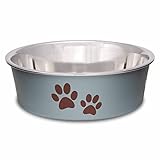
- STAINLESS STEEL & DURABLE: This Bella Bowl (15 oz, 5.5" x 1.75") features a stainless steel design with a poly-resin exterior, which makes them dish washer safe and easy to keep clean and hygienic. Suitable for use as a cat food bowl or dog water bowl for home and travel
- REMOVEABLE RUBBER BASE: This feature prevents spills and ensures stability for water bowls. The bowl stands steady on your pet food mat, making it a useful complement to your feeding station setup
- PATENTED AWARD-WINNING DESIGN: Bella Bowls are renowned for being the bestselling bowls in the pet industry. The Bella Bowl Stainless Steel Bowls come in a variety of sizes, making this versatile dog food bowl suitable for all pets-from puppy bowls and small bowls to dog bowls large breed and everything in between. These bowls are also suitable for use as a cat water bowl, with smaller sizes being highly recommended for cat bowls for indoor cats
- STYLISH & COLORFUL DOG FEEDER: Available in a wide range of vibrant colors, this dog bowl seamlessly complements any pet supplies collection or dog accessories and enhances your home's decor. The Bella Bowls come in beautiful hues like blueberry and artichoke, suitable for your dog bowl mat or cat food mat
- VETERINARIAN RECOMMENDED: This stainless steel dog bowl and stainless steel cat bowls have all the benefits of stainless steel making them hygienic and clean. Bella bowls are essential for any cat feeding station and important addition to your dog supplies
Frequently Asked Questions
Can an indoor cat get H5N1?
Yes. Indoor cats can be exposed through contaminated raw milk, raw meat or pet food, unpasteurized eggs, clothing or equipment from a farm, or contact with infected birds or animals. Staying indoors lowers some risks but does not eliminate food and indirect environmental exposure.
Does every cat with H5N1 become blind?
No. Blindness is a serious but not universal sign. H5N1 can injure the retina, optic pathways, brain, or more than one of these structures. Reported infected cats have also developed fever, respiratory illness, tremors, seizures, incoordination, and weakness without necessarily becoming blind.
What should I do if my cat drank raw milk but seems healthy?
Stop offering the raw milk, retain the product and lot information if available, and contact your veterinarian for exposure-specific advice. Monitor closely for fever, appetite loss, eye or breathing problems, abnormal behavior, weakness, incoordination, tremors, seizures, or vision changes. Call before taking the cat to a clinic.
Can I give my cat oseltamivir if I suspect H5N1?
No. Oseltamivir is a prescription treatment decision for a veterinarian and, where appropriate, public-health authorities. One California cat received it as part of intensive supportive care and recovered, but that case does not establish a universal dose, treatment plan, or guaranteed outcome.
Is pasteurized milk safer for cats than raw milk?
Yes, for H5N1 specifically, pasteurization is effective at inactivating the virus and is substantially safer than raw milk. Pasteurized milk is not risk-free in every respect, and cats generally should receive nutritionally complete feline food rather than raw or routine cow’s milk.
Can people catch H5N1 from an infected cat?
Possible transmission deserves caution, but it is not known to be common. In a Los Angeles County investigation, one veterinary professional had antibodies consistent with possible infection after occupational exposure, while no exposed person had a positive respiratory RT-PCR result. Close handlers should follow veterinary and public-health PPE guidance and seek medical advice if symptoms develop.
Do these 3 things before closing this tab:
1Repair Windows errors before they cause bigger problems2Scan for outdated or missing drivers - takes under a minute3Clear out junk files and repair common Windows errorsThe Bottom Line
Raw milk can expose cats to H5N1, and feline infection can cause encephalitis, eye disease, blindness, and death. Avoid raw animal products, use appropriately processed complete cat food, and contact a veterinarian immediately when acute neurologic, ocular, respiratory, or systemic signs appear.





Leave a Reply