Quick wins for a faster PC:
Fix the driver behind crashes, sound loss and screen glitchesFind Drivers →Repair Windows errors before they cause bigger problemsFix Now →Cat anesthesia lets a veterinary team perform procedures while managing pain, movement, and the cat’s awareness. It may involve sedation, local numbing, general anesthesia, or a combination; the plan depends on the procedure and the individual cat. Anesthesia has real risks, but a veterinarian can assess those risks and explain how they will be managed. Costs vary with the procedure, time under anesthesia, and clinic.
How does anesthesia work in cats?
“Anesthesia” describes several approaches, not one drug or state. Sedation generally reduces anxiety and may leave a cat awake and able to walk. Immobilization limits movement. Local anesthesia blocks pain signals in a specific area, while general anesthesia makes the cat unconscious so it does not experience surgical pain. A veterinarian selects an approach based on the cat, the procedure, and the expected pain and movement.
For general anesthesia, a typical plan may include a sedative, a drug to induce unconsciousness, and a tube placed in the trachea to keep the airway open and deliver oxygen. An inhaled anesthetic such as isoflurane or sevoflurane may then maintain anesthesia. The drugs and sequence vary; not every cat receives the same medications. Cornell’s Feline Health Center explains the process, while PetMD’s veterinarian-authored overview describes other examples of drugs used.
What happens before, during, and after anesthesia?
Before the procedure
The veterinary team should review the planned procedure, the cat’s health and medications, and patient-specific risks before obtaining consent. Follow the clinic’s exact instructions about fasting and medicines; there is no single fasting schedule that applies to every cat. Tell the team about health conditions and every medication or supplement your cat receives. AAHA guidance treats anesthesia as a continuum that includes preparation, induction, maintenance, and recovery.
Recommended Free Tools
#1 Best Overall
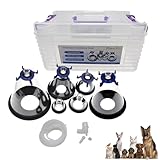
- 【Stable Fit for Reliable Anesthetic Delivery】Six graduated mask sizes help achieve a consistent seal for pets from small mammals to medium-sized dogs, reducing gas loss and supporting efficient induction.
- 【Ready for Standard Veterinary Systems】Universal connector attaches to most anesthesia machines without adapters, allowing rapid transitions between procedures such as exams, imaging, dental cleanings and soft-tissue work.
- 【Designed for Animal Comfort】Light, clear dome and flexible silicone perimeter limit pressure and reduce patient resistance, promoting smoother inductions even with anxious animals.
- 【Durable Build for Repeated Use】Tough medical-grade construction withstands routine handling, while the detachable design simplifies deep cleaning, disinfection and long-term maintenance.
- 【Supports Busy Clinical Environments】A practical solution for surgery centers, teaching facilities, multi-room clinics and high-volume hospitals managing diverse species every day.
During anesthesia
The team monitors the cat’s response and anesthetic depth throughout the procedure. Cornell describes checking physical signs such as pulse, heart rate, gum color, reflexes, and jaw tone, as well as using equipment such as pulse oximetry and blood-pressure monitoring. Monitoring helps the team notice changes and respond; the specific equipment and protocol depend on the patient and clinic.
As Manuel Martin-Flores, DVM, assistant professor of anesthesiology at Cornell University College of Veterinary Medicine, puts it: “Although anesthesia is used primarily for the patient’s benefit, sometimes it’s necessary for the veterinarian’s safety as well.”
Rank #2

- Versatile Design: This anesthesia mask is suitable for various animals, including cats, dogs, rabbits, and rodents, making it a versatile choice for veterinary clinics and animal hospitals.
- Efficient Oxygen Delivery: The mask features a clear dome shape that allows for efficient oxygen delivery and monitoring during anesthesia procedures.
- Secure Fit: The mask is equipped with adjustable straps, ensuring a secure and comfortable fit for animals of different sizes.
- Durable Construction: Constructed from high-quality materials, this anesthesia mask is designed for long-lasting use and easy cleaning.
- Precise Control: Compatible with anesthesia machines and ventilators, the mask provides precise control over oxygen flow and anesthesia administration.
Recovery
After the procedure, a cat gradually wakes as the anesthetic wears off. The team may continue observation or care, and discharge generally waits until the cat is fully conscious. Follow the clinic’s discharge instructions and ask whom to contact if you are concerned about your cat’s recovery. Never give aspirin, ibuprofen, acetaminophen (Tylenol), or another over-the-counter medicine unless your veterinarian specifically approves it; these drugs can be toxic to cats.
Is anesthesia safe for my cat?
Anesthesia is not risk-free. Anesthetic drugs can affect normal body functions, including breathing, heart rate, metabolism, and reflexes. The risks differ among cats and procedures, so a population statistic cannot predict an individual cat’s outcome.
Rank #3

- Versatile Design: This anesthesia mask is suitable for various animals, including cats, dogs, rabbits, and rodents, making it a versatile choice for veterinary clinics and animal hospitals.
- Efficient Oxygen Delivery: The mask features a clear dome shape that allows for efficient oxygen delivery and monitoring during anesthesia procedures.
- Secure Fit: The mask is equipped with adjustable straps, ensuring a secure and comfortable fit for animals of different sizes.
- Durable Construction: Constructed from high-quality materials, this anesthesia mask is designed for long-lasting use and easy cleaning.
- Precise Control: Compatible with anesthesia machines and ventilators, the mask provides precise control over oxygen flow and anesthesia administration.
AAHA’s 2020 client-communication guidance estimates anesthetic-related death risk at 0.11% (1 in 895; 95% confidence interval 0.09–0.14%) in healthy cats. This figure applies to that population estimate, not to every cat or to an individual prognosis. AAHA reports that deaths occurred most frequently in the first three postoperative hours. A cat’s health status, age, breed, expected pain, and surgical plan all matter in individualized assessment. Age alone does not determine whether anesthesia is appropriate. Ask your veterinarian to explain your cat’s specific risks and how the team plans to manage them. AAHA’s anesthesia guidelines describe individualized planning and monitoring.
What are the side effects of anesthesia in cats?
Temporary effects can include sleepiness or grogginess while the cat wakes. Because anesthetic drugs can slow breathing or heart rate and alter normal reflexes, the veterinary team monitors the cat during anesthesia and recovery. The effects and recovery period vary with the drugs, procedure, and patient. Follow the clinic’s instructions and contact the veterinary team if anything about recovery concerns you; do not try to treat discomfort with human medication.
Rank #4
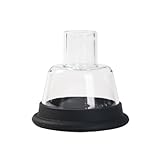
- Versatile Design: This anesthesia mask is suitable for various animals, including cats, dogs, rabbits, and rodents, making it a versatile choice for veterinary clinics and animal hospitals.
- Efficient Oxygen Delivery: The mask features a clear dome shape that allows for efficient oxygen delivery and monitoring during anesthesia procedures.
- Secure Fit: The mask is equipped with adjustable straps, ensuring a secure and comfortable fit for animals of different sizes.
- Durable Construction: Constructed from high-quality materials, this anesthesia mask is designed for long-lasting use and easy cleaning.
- Precise Control: Compatible with anesthesia machines and ventilators, the mask provides precise control over oxygen flow and anesthesia administration.
How much does cat anesthesia cost?
There is no standard anesthesia-only price established for all clinics. PetMD’s U.S.-dollar overview, published June 12, 2024, says that a procedure involving anesthesia can cost “a few hundred dollars to $1,000 or more.” That broad estimate is not a local quote or a current fee schedule for anesthesia alone. Cost depends on the procedure, anesthesia type, time under anesthesia, and whether care is provided by a specialty facility or private practice. PetMD’s cost overview provides that estimate and identifies these factors.
Ask your clinic for an itemized estimate based on the planned procedure and your cat. Confirm whether it includes:
Free tools Windows power users keep installed
One-click scans. No signup required.
Best Value
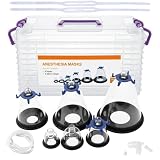
- 📦 How to accommodate different species in one clinic? —— VERSATILE 6-SIZE COMPONENT SET: This kit includes six precisely graduated sizes designed to fit a wide range of animals, from small hamsters to medium-sized dogs. The diverse dimensions ensure a reliable physical interface for various head shapes during routine animal care procedures.
- 🔗 Does it work with existing standard systems? —— UNIVERSAL CONNECTOR COMPATIBILITY: Engineered to meet standard OEM specifications, the connector module ensures a seamless fit with most veterinary equipment. This design focuses on signal and flow stability, allowing for efficient transitions between different animal patients without extra adapters.
- 👁️ How to monitor the patient's condition clearly? —— CLEAR VIEW INTERFACE FOR REAL-TIME MONITORING: The transparent dome structure provides an unobstructed view of the animal’s snout. This allows professionals to observe physical responses, ensuring the component is correctly located on the facial structure of the patient for maximum stability.
- 🛠️ Is the seal reliable for various facial contours? —— FLEXIBLE SEAL DESIGN FOR PHYSICAL STABILITY: Featuring a soft, compliant perimeter, each mask module adapts to unique anatomical contours. This physical structure minimizes space gaps and ensures a consistent fit, focusing purely on the physical integrity of the connection.
- 🧼 How to maintain the kit in a high-volume environment? —— Durable construction and easy maintenance: Designed for long-term use, these components are easy to disassemble and physically clean. The sturdy material can withstand frequent use and provide a professional-level solution.
- Preanesthetic assessment and any testing
- Anesthesia and monitoring
- The procedure itself
- Pain medication and recovery care
- Additional treatment if findings change the plan
Ask whether the estimate changes if the procedure takes longer, your cat has additional risk factors, or extra treatment is needed—and how the clinic will seek approval for additions. Insurance may cover some or all of the cost under some policies, but coverage depends on the actual policy terms.
Quick Recap
Questions to ask when comparing estimates or care plans
- What procedure and type of anesthesia are planned?
- How will the team assess my cat’s health and individual risk?
- What monitoring will be used, and who is responsible for it?
- How will recovery be observed, and what are the discharge criteria?
- What is the pain-control plan?
- What does the estimate include, and how will additional costs be handled?
Product prices and availability are accurate as of the date/time indicated and are subject to change. Any price and availability information displayed on Amazon at the time of purchase will apply.




