When a cat’s behavior changes, start by recording what is happening and contacting a veterinarian about new or concerning changes. Pain or illness can look like a behavior problem, so check health before treating the issue as misbehavior. Then review whether your cat feels safe, can reach essential resources, and has appropriate outlets for play and other normal behaviors. Avoid punishment; if the concern persists, seek qualified behavior support.
1. Describe the behavior, not the cat
Instead of calling a cat “bad” or “spiteful,” write down what you observe. A clear history helps you and your veterinarian look for patterns without assuming a cause. The FelineVMA’s Feline Behavior Guidelines prompt caregivers to consider concerns such as urinating or defecating outside the box, spraying, aggression, fear, destructive behavior, and changes in interactions with household animals.
As an Amazon Associate I earn from qualifying purchases.
- What exactly does the cat do, and where?
- When did it begin, how often does it happen, and how long does it last?
- Who or what is present, and what happens immediately before and after?
- Have routines, household members, other animals, or the home environment changed?
- Have appetite, activity, social behavior, or access to food, water, resting places, litter boxes, or scratching surfaces changed?
Keep notes as the behavior occurs rather than relying on a general label such as “acting strangely.” Include what is normal for this particular cat so a change is easier to recognize.
2. Put health and pain near the top of the checklist
A sudden or persistent behavior change is a reason to contact a veterinarian, not proof that a cat needs more training. Physical illness and pain may show up as nonspecific changes in behavior or disposition. The FelineVMA guidance describes a behavior history and medical examination as critical; the veterinarian may recommend diagnostic testing to distinguish a behavioral concern from a systemic or painful condition.
#1 Best Overall

- Complete Calming Solution: This cat calming diffuser kit includes diffusers and refills (48mL per bottle). Each refill delivers a 30-day supply of continuous support to help ease your cat’s anxiety. Ideal for addressing stress triggered by vet visits, traffic noise, fireworks, thunderstorms, or loneliness, this cat pheromone calming diffuser creates a safe and serene environment for felines of all ages and breeds
- Effective Stress & Behavior Support: Our cat pheromone diffuser works to reduce common signs of feline stress such as excessive scratching, urine spraying, hiding, and restlessness. By mimicking natural feline pheromones, this cat calming diffuser provides gentle, drug-free relief, making it a reliable choice for multi-cat households or cats experiencing tension during home changes or new pet introductions
- Long-Lasting & Wide Coverage: Each refill of the cat calming diffuser releases calming pheromones for up to 30 days, with coverage for areas up to 700 square feet. The diffuser features an automatic operation with a simple press of a button, and proper placement (vents facing up) ensures optimal performance and leak prevention, maximizing the effectiveness of your cat diffuser
- Safe & Non-Toxic Formula: The cat pheromone calming diffuser uses an odorless, non-toxic, and chemical-free formula that is safe for both humans and pets. Unlike harsh treatments, this cat calming diffuser does not cause drowsiness and poses no risk to your cat’s health, making it a trusted choice for daily use in any living space
- Easy to Use & Maintain: Setting up the cat calming diffuser is effortless—simply plug it into a standard outlet, keep the bottle upright, and press the button to activate. The heated diffuser and refill system operates quietly and continuously, requiring minimal maintenance; just replace the refill every 30 days to maintain consistent calming support for your feline friend
For example, urinating outside the litter box can be associated with urinary disease. Arthritis or another mobility problem can also make reaching or entering a box difficult. A litter change or cleaning routine cannot rule out these causes. Share your notes with the veterinarian and ask what examination or follow-up is appropriate for your cat.
3. Audit the home through the five environmental pillars
The FelineVMA and International Cat Care describe environmental needs that can guide a practical household review. Their framework covers safety, access to key resources, opportunities for play and predatory behavior, positive and predictable human-cat interaction, and respect for the cat’s senses. The FelineVMA’s August 28, 2025 indoor-cat position statement announcement also describes these five pillars.
Safe places
Check whether the cat can retreat and rest without being cornered or disturbed. Hiding places and elevated perches can provide options, especially in busy homes or when other animals are present. Consider whether a route to a resting spot leaves the cat exposed to a dog, another cat, or frequent household traffic.
Rank #2
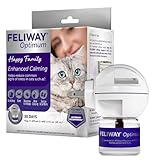
- HELPS REDUCE SIGNS OF STRESS USING A PATENTED PHEROMONE: FELIWAY Optimum is an advanced cat pheromone diffuser that helps reduce signs of stress in cats and helps ease tension between cats.*
- HELPS CATS FEEL CALM IN EVERYDAY SITUATIONS: FELIWAY Optimum is a cat calming diffuser that helps reduce stress‑related behaviors like urine spraying, scratching, hiding, and fearful reactions to change. Cat parents reported noticeable reductions in these behaviors, including a 77% reduction in urine spraying.
- SUPPORTS HARMONY IN MULTI‑CAT HOMES: Helps promote calmer interactions between cats. 72% of cat parents noticed reduced tension between their cats
- SAFE** AND NON-SEDATING: FELIWAY Optimum is not a sedative. It’s safe for use around cats, kittens, people and other pets.
- CONTINUOUS CALMING SUPPORT: This plug‑in cat pheromone diffuser provides 24/7 support when used as directed. To get started, plug into an open outlet with the vents pointed upward, allow at least 4 feet of clearance, and follow the label instructions.
Accessible, separated resources
Each cat should be able to reach food, water, resting places, toileting areas, and scratching surfaces without being blocked or intimidated. In a multi-cat home, review where resources sit in relation to one another and whether one animal can guard a doorway or narrow route. A resource that exists but is unsafe or difficult to reach may not be useful to the cat.
Play and predatory outlets
Consider whether the cat has opportunities for play and foraging that suit its age, health, and preferences. A household audit can include play routines and enrichment that let the cat stalk, chase, and interact with objects safely. The aim is to provide appropriate outlets, not to force an activity the cat avoids.
Positive, predictable interaction
Look at how people approach, handle, and engage with the cat. Consistent routines and interactions that respect the cat’s preferences are more useful than forcing contact. A cat that seeks distance should be allowed to disengage.
Rank #3

- HELPS REDUCE COMMON SIGNS OF TENSION BETWEEN CATS: FELIWAY MultiCat, developed by the #1 vet recommended brand, helps reduce common signs of tension between cats such as: conflict, fighting, chasing, and blocking
- ENHANCED CALM AT HOME FOR MULTICAT HOUSEHOLDS: FELIWAY MultiCat plug-in diffuser uses the science of pheromones to send calming messages that mimic a mother cat’s natural pheromones to help reduce tensions & conflicts. 84% of cat owners saw significant improvement in conflict between cats when using FELIWAY MultiCat
- DRUG FREE & SAFE TO USE: FELIWAY diffusers are drug-free, non-sedating, and while cat pheromone analogs may help your cat, they won't affect humans or other pets
- PROVIDES 4 WEEKS OF CALMING SUPPORT: With just one refill, the diffuser offers up to 30 days of continuous calming benefits, helping your cat feel calmer
- COVERS LARGE LIVING SPACES: Each diffuser covers an area up to 700sqft, ensuring widespread calming support throughout your home for cats of all ages. To get started, simply plug your diffuser into an open outlet with 4+ feet of space to diffuse, with the vents pointed upward
Sensory needs
Notice changes in smells, sounds, surfaces, and household activity. Cleaning products, new items, or unfamiliar animals can change how a space feels to a cat. The FelineVMA’s Setting Up the Environment for Success explains how resource distribution, safety, and sensory conditions relate to feline behavior and house-soiling. A client-level overview, Your Cat’s Environmental Needs, was published by FelineVMA and International Cat Care in 2024.
The Tool Desk
Outbyte PC Repair FREEClear out junk files and repair common Windows errorsFree Scan →Outbyte Driver Updater FREEFix the driver behind crashes, sound loss and screen glitchesFind Drivers →4. If the problem is house-soiling, review the litter setup too
Work on litter-box conditions alongside veterinary assessment, not instead of it. Once you have discussed health with a veterinarian, check whether the box is clean, accessible at all times, and in a quiet place where the cat does not feel trapped. Consider the cat’s age and mobility when assessing the box and its location.
The ASPCA’s Litter Box Problems guidance recommends one box per cat plus one extra and daily scooping. It also advises considering box size, covered boxes or liners, litter depth and texture, and location. Many cats prefer unscented, clumping litter with a medium-to-fine texture, but individual preferences vary; if changing litter, offering a choice can help you learn what this cat accepts.
Rank #4

- HELPS REDUCE CAT STRESS: FELIWAY Classic is a cat calming diffuser that helps individual cats feel calm and reduce stress behaviors like scratching, urine spraying, and hiding
- CREATES A CALMING HOME ENVIRONMENT: FELIWAY Classic uses calming pheromone messages that cats naturally understand to help them feel comfortable and safe during everyday changes in routine or environment. 9 out of 10 cat parents noticed reduced urine spraying and 8 out of 10 saw reduced scratching
- SAFE* AND NON-SEDATING: FELIWAY Classic is not a sedative. It’s safe for use around cats, kittens, people and other pets.
- CONTINUOUS CALMING SUPPORT FOR SHARED SPACES: Plug‑in cat pheromone diffuser provides 24/7 calming support. To get started, plug into an open outlet with vents pointed upward and allow 4+ ft of clearance, and follow the label instructions.
- #1 VET RECOMMENDED BRAND**: FELIWAY is the #1 vet recommended brand, and is backed by 30 years of feline stress expertise
Clean soiled areas thoroughly with an enzymatic cleaner to address odor. Cleaning can help with the mess, but it does not establish why the cat soiled the area or resolve an underlying medical or environmental cause. The ASPCA page also states that at least 10% of all cats develop elimination problems; because the page does not identify the figure’s study, date, or method, treat it as an attributed ASPCA statement rather than a verified current prevalence estimate.
5. Change conditions without punishment
Do not yell, spray water, or use other aversive corrections. The FelineVMA Positive Reinforcement Training Educational Toolkit cautions that punishment and aversives can increase distress and worsen unwanted behavior. A cat’s behavior is information about its physical or emotional state, not evidence of spite.
Instead, use your observations to make a relevant, manageable change: reduce an identifiable stressor, improve access to a needed resource, or introduce a household change gradually. Reward desired actions when appropriate and when the cat is comfortable. Do not force a fearful cat into interaction or training. The toolkit also emphasizes that a veterinarian’s responsibility is to relieve suffering related to physical or emotional pain.
6. Know when to ask for specialist support
Contact a veterinarian when behavior differs from your cat’s normal pattern or otherwise concerns you. If medical causes have been addressed and suitable environmental changes are not enough, the FelineVMA toolkit recommends considering support from a board-certified veterinary behaviorist, a PhD in animal behavior, or a veterinarian with additional feline behavior training. Credentials and availability vary by region, so ask your veterinarian what qualified options are accessible locally.




