
An ear infection in a cat usually means otitis externa—inflammation of the external ear canal, sometimes extending to the ear flap. The same outward signs can come from ear mites, allergies, foreign material, bacteria, yeast, or disease deeper in the ear. Because treatment differs by cause and some problems threaten hearing or balance, a veterinarian should examine a cat with persistent scratching, head shaking, odor, redness, swelling, discharge, or pain rather than relying on home drops.
What “ear infection” means in cats
“Ear infection” is common owner language, but it does not identify a single disease. Most cases discussed in general practice are otitis externa, inflammation of the skin lining the external ear canal. One or both ears may be affected, and signs may appear suddenly or continue for weeks. The ear flap can become inflamed or injured when a cat scratches repeatedly.
As an Amazon Associate I earn from qualifying purchases.
Inflammation may begin with a primary problem such as parasites, an allergy, or a foreign object. Bacteria or yeasts can then multiply in the irritated canal as secondary invaders. A middle-ear infection can also contribute to external canal disease, and disease in the middle or inner ear may occur with few obvious changes at the opening of the ear. Treating only the organisms found on a swab without correcting the initiating problem is a common reason for recurrence.
Why cats develop otitis
Ear mites and other parasites
Ear mites are a frequent cause of feline otitis externa, particularly when several cats share a household or have contact with unknown animals. Mites irritate the canal and can produce dark debris, but appearance alone cannot prove that mites are present. A microscope examination is needed to distinguish mites from other causes of discharge.
#1 Best Overall

- Developed in Collaboration with Veterinary Dermatologists: Recommended for the routine cleansing of sensitive ears in dogs, cats, puppies, and kittens of any age.
- Ideal for Allergic & Active Pets: A powerful yet gentle ear cleaner for dogs and cats with allergies, frequent swimmers, and breeds with floppy ears that are prone to moisture buildup and microbial overgrowth.
- Soothing, Non Irritating Solution: Designed to be sting free with a neutral pH, this solution is well tolerated by sensitive skin and won't interfere with other ear treatments; Can be used 2–3 times per week.
- Cleans Ear Canal: Limits the bonding of microorganisms to the ear canal surface by removing debris and excess wax.
- Patented Anti-Odor Technology: Features a patented formula that doesn't just mask smells but eliminates them, leaving your pet’s ears smelling fresh and clean.
Allergies and skin disease
Allergic skin disease can inflame the ear canal even when no infection is initially present. Food or environmental allergies may also affect the face, paws, or other skin. If an ear problem repeatedly returns after short courses of treatment, the veterinarian may investigate an underlying allergy or broader skin disorder.
Bacteria and yeasts
Bacteria and yeasts can overgrow in a warm, inflamed canal. Different organisms require different medicines, and some infections involve more than one type. A topical product that helps one organism may not address another, which is why an examination and ear-swab cytology are more reliable than choosing drops by color or odor.
Foreign material, blockage, or growths
Plant material, wax, inflammatory tissue, or a mass can obstruct the canal and prevent medicine from reaching the affected skin. A persistent one-sided problem deserves particular attention because a foreign object, polyp, or growth may be hidden behind debris.
Do these 3 things before closing this tab:
1Fix the driver behind crashes, sound loss and screen glitches2Repair Windows errors before they cause bigger problems3Scan for outdated or missing drivers - takes under a minuteMiddle- or inner-ear disease
Infection or inflammation can extend beyond the external canal. Middle- and inner-ear disease may affect balance, movement, facial nerve function, or hearing. These cases often need a more detailed examination and sometimes imaging rather than routine ear drops alone.
Rank #2

- GENTLE CLEANING & EXCELLENT DESIGN: The soft and convenient finger wiping design fits your fingers, is not easy to slip off, and fits the structure of cats and dogs' ears better. The wet wipes are made of high-quality non-woven fabric and are designed with exquisite pearl patterns on both sides, which increases friction, provides deep cleaning and is more comfortable. It is quick and convenient to use and can safely and effectively remove wax accumulation and other debris from the sensitive ears
- NATURAL INGREDIENTS & PLANT FORMULA: Wet wipes are added with natural plant formula, which is non-irritating and does not contain alcohol or any other harmful chemicals. Will help safely and gently remove buildup and discharge that can cause odor, and prevent infections caused by dirt, buildup, and earwax, keeping cats and dogs fresh and healthy at all times!
- REGULAR CLEANING & GROOMING ESSENTIALS: Ear care is an important part of regular pet grooming. Pets’ ear canals need to be cleaned regularly, otherwise they will have odor and be prone to ear canal diseases. MEDUWEDU makes it easy with convenient ear cleaning wipes. Using our disposable wipes helps safely and gently remove dirt from the ear canal, effectively improving ear canal problems. Using dog ear wipes is safer than cotton swabs.
- EASILY DEODORIZE & SOOTHE DISCOMFORT: Fruity scent can reduce odor and leave a pleasant smell, bringing you closer to your pet friends, while reducing the discomfort of shaking your pet's head, scratching, and clawing caused by infection.
- FOCUS ON PET EAR CARE: Our products are not only safe in ingredients, but also come in a variety of sizes (Regular, Large) and a variety of refreshing fruit flavors (Mint, Coconut, Peach, Grapefruit.) for you to choose from. I believe your pet will love ear cleaning. Although the price is affordable, the quality is high. Please rest assured that if you are not satisfied with the product you purchased, please feel free to contact us and we will provide you with the best solution.
Signs owners may notice
Arrange an examination when a cat develops any combination of the following:
- Repeated head shaking or ear scratching
- Unusual odor from one or both ears
- Redness, swelling, heat, or tenderness
- More wax, moisture, pus, blood, or other discharge than usual
- Scaly skin, crusts, scabs, hair loss, or dark debris
- Visible discomfort when the ear or head is touched
- Changes in the ear flap caused by ongoing scratching
A cat that persistently scratches can create wounds or a blood-filled swelling in the ear flap. Do not insert a cotton swab, finger, tool, or other object into an itchy canal; probing can push debris deeper or damage the eardrum.
When an ear problem is urgent
Contact a veterinarian promptly for ongoing scratching, head shaking, odor, redness, swelling, or discharge. Seek urgent care if the cat develops a head tilt, unusual eye or head movements, stumbling, circling, falling, marked balance problems, or a change in facial movement. Those signs can accompany middle- or inner-ear disease. Untreated deeper disease can leave lasting hearing or balance impairment, so do not wait for external discharge to become severe.
How veterinarians diagnose the cause
Diagnosis is more than looking at the ear opening. The clinician combines the history, a physical and skin examination, otoscopy, and laboratory examination of material from the canal.
Rank #3

- HELPS ALLEVIATE – This dog and cat ear cleaner was formulated with properties to help promote healthy ear canals. Rinse pet's ears daily with solution and massage area
- DAILY MAINTENANCE – Helps breakdown buildup in the canal that may be causing foul odors and itching, scratching, and head shaking. Excellent for daily care and maintenance
- GENTLE FOR SENSITIVE EARS – Alcohol-free, mildly scented, and a non-irritating formula, this cat and dog ear wash is suitable for sensitive ears and gentle enough for frequent use
- FOR YOUR PETS – Clinical Care Ear Therapy is great for dogs, cats, and small animals over 12 weeks for daily care and to maintain the ear health of your pet
- EFFECTIVE & AFFORDABLE – Our premium products are high-quality at an affordable price.
- History and general examination: The veterinarian asks when the signs began, whether one or both ears are involved, prior treatments, exposure to other animals, allergy signs, and any changes in balance or behavior. The skin, face, paws, and ear flaps are checked for a wider dermatologic problem.
- Otoscopy: An otoscope can reveal impacted debris, parasites, a foreign object, abnormal tissue, narrowing, or an eardrum problem. Swelling or pain may make a complete view impossible while the cat is awake.
- Ear-swab microscopy: Material from the canal is examined for mites, bacteria, and yeasts. This helps determine whether an infection is present and which treatment categories are appropriate.
- Sedation or anesthesia when necessary: A painful, blocked, or frightened cat may not allow a safe examination or cleaning. Sedation can permit a thorough inspection and removal of material without injuring the ear or the patient.
- Additional testing for persistent or deep disease: A recurring one-sided blockage or suspected middle- or inner-ear disorder may justify biopsy or imaging such as radiographs, CT, or MRI. The choice depends on examination findings and the suspected location of disease.
The veterinarian also needs to establish whether a finding is primary or secondary. For example, yeast on a swab may be part of an allergic process rather than the entire explanation. That distinction determines how recurrence is prevented.
Outer, middle, and inner ear: why location changes the plan
| Area involved | What it means | Clues that may appear | Typical diagnostic emphasis |
|---|---|---|---|
| External ear (otitis externa) | Inflammation of the canal lining, sometimes the ear flap | Itching, scratching, head shaking, odor, redness, swelling, and discharge | Otoscopy and microscopic examination of an ear swab |
| Middle ear | Disease behind the eardrum | Persistent or recurrent signs; pain or head-position changes may occur | Thorough otoscopy; sedation and imaging may be needed |
| Inner ear | Involvement of structures that support hearing and balance | Head tilt, altered movement, stumbling, circling, or facial changes | Prompt neurologic and ear assessment; advanced imaging may be considered |
The table describes patterns, not a way to diagnose a cat at home. Signs overlap, and an apparently mild external problem can coexist with deeper disease.
Treatment is chosen after the examination
There is no single safe “cat ear infection” medicine. Treatment must match the cause, the organisms present, the condition of the eardrum, and whether the disease extends deeper.
Free tools Windows power users keep installed
One-click scans. No signup required.
| Finding or contributing cause | Veterinary treatment may include | Important limitation |
|---|---|---|
| Ear mites | A prescribed antiparasitic treatment and management of exposed animals when indicated | Dark debris alone does not confirm mites; the diagnosis should guide treatment. |
| Bacteria or yeasts in an inflamed canal | Veterinarian-selected topical medicine, often combining antimicrobial and anti-inflammatory action | Choice depends on microscopy, canal condition, and eardrum safety. |
| Allergy or other skin disease | Ear treatment plus a plan for the underlying skin problem | Repeatedly treating secondary organisms without addressing the trigger encourages recurrence. |
| Heavy wax, pus, or blockage | Careful cleaning performed or directed by the veterinarian; sedation may be required | Debris can prevent topical medicine from contacting the canal lining. |
| Chronic, severe, or deeper disease | Pain control and, when indicated, oral or injected medicine, imaging, biopsy, or specialist care | External drops alone may not reach disease beyond the external canal. |
Use every medicine for the duration and frequency prescribed, even if scratching stops quickly. Stopping early can leave inflammation or organisms behind. Recheck appointments allow the veterinarian to confirm that the canal has healed and to change treatment if microscopy or examination shows a different problem.
Rank #4

- Veterinarian Formulated to Gently Clean, Deodorize, Acidify and Dry Your Pets Ears
- Safe And Gentle Ear Cleanser with Aloe Vera for Daily Use. Won't Sting, Burn or Aggravate the Ear Canal
- Eliminates Build Up of Wax, Fluid, Dirt & Debris to Stop Itching, Scratching, Head Shaking and Irritation.
- Helps Relieve Ear Infections Caused by Growths, Buildup, and Itching.
- Made in the USA in Federally Regulated Manufacturing Facilities to Ensure Quality and Safety.
Safe care before and during treatment
What you can do
- Observe which ear is affected, when signs started, and whether appetite, behavior, balance, or hearing seems different.
- Keep the cat indoors and prevent rough contact that could worsen a painful ear.
- Give prescribed medicine exactly as demonstrated. Ask the clinic to show how much to use and how far the applicator should enter.
- Keep follow-up appointments, including visits scheduled after the visible discharge improves.
What to avoid
Do not use leftover antibiotics, human ear medicine, essential oils, mite products intended for another species, or drops chosen from an online shopping list. A product can be unsafe if the eardrum is damaged, and an incorrect medicine can mask signs while the underlying disease progresses.
The MSD Veterinary Manual states: “Pets shouldn’t be treated with home remedies like hydrogen peroxide or vinegar.” Its guidance is to use only ear products and cleaning methods recommended by the veterinarian. Unless a veterinarian advises otherwise, healthy cats generally do not need routine ear cleaning.
Do not force a painful cat through a cleaning session. Struggling can injure the canal and may make future examinations harder. If the clinic recommends cleaning at home, follow its specific product, amount, frequency, and technique instructions.
The Tool Desk
Outbyte PC Repair FREERepair Windows errors before they cause bigger problemsFix Now →Outbyte Driver Updater FREEScan for outdated or missing drivers - takes under a minuteDriver Scan →Recovery, monitoring, and recurrence
Improvement in odor or scratching is useful but does not prove that the infection has resolved. The canal lining may remain swollen, and a hidden middle-ear problem may persist. A recheck is especially important when the episode was severe, one-sided, recurrent, or associated with a blocked canal.
Best Value
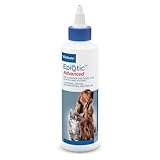
- Developed in Collaboration with Veterinary Dermatologists: Recommended for the routine cleansing of sensitive ears in dogs, cats, puppies, and kittens of any age.
- Ideal for Allergic & Active Pets: A powerful yet gentle ear cleaner for dogs and cats with allergies, frequent swimmers, and breeds with floppy ears that are prone to moisture buildup and microbial overgrowth.
- Soothing, Non Irritating Solution: Designed to be sting free with a neutral pH, this solution is well tolerated by sensitive skin and won't interfere with other ear treatments; Can be used 2–3 times per week.
- Cleans Ear Canal: Limits the bonding of microorganisms to the ear canal surface by removing debris and excess wax.
- Patented Anti-Odor Technology: Features a patented formula that doesn't just mask smells but eliminates them, leaving your pet’s ears smelling fresh and clean.
Record each dose and note changes in discharge, comfort, appetite, hearing, and balance. Call the clinic if medication causes marked irritation, the cat cannot tolerate handling, signs worsen, or new neurologic signs appear. Do not double a missed dose without veterinary instructions.
When episodes recur, ask what primary cause was identified and what evidence supports it. The plan may need parasite control, allergy investigation, treatment of a foreign object or growth, or evaluation for middle-ear disease. Repeating an old prescription without a new examination can delay the correct diagnosis.
A practical appointment checklist
- Write down the first day you noticed scratching, shaking, odor, or discharge.
- List all medicines, cleaners, supplements, and parasite products recently used.
- Tell the veterinarian about other pets with itching or ear signs.
- Mention any head tilt, stumbling, circling, facial asymmetry, hearing change, or unusual eye movement.
- Bring the cat in a secure carrier; avoid cleaning the ear immediately before the visit unless the clinic told you to do so.
Key takeaways for cat owners
Ear inflammation in cats is a sign with multiple possible causes, not a diagnosis that can be confirmed by smell or debris. Veterinary examination, otoscopy, and microscopic testing identify whether parasites, bacteria, yeasts, allergies, foreign material, or deeper disease are involved. Treatment may combine prescribed topical medicine, parasite control, pain relief, professional cleaning, and systemic medication. Prompt attention to balance or facial changes protects hearing and neurologic function, while avoiding home remedies and unprescribed drops prevents additional injury.
Windows Errors? Fix Them Before They Spread
Repair common Windows errors and clear accumulated junk for a smoother, more stable PC - no reinstall needed.Free scan · no reinstallOutdated Drivers Are Slowing You Down
One free scan finds every outdated or missing driver and matches the right update for your exact hardware.Free scan · exact hardware matchQuick Recap
Product prices and availability are accurate as of the date/time indicated and are subject to change. Any price and availability information displayed on Amazon at the time of purchase will apply.





Leave a Reply