
The Tool Desk
Outbyte PC Repair FREEClear out junk files and repair common Windows errorsFree Scan →Outbyte Driver Updater FREEScan for outdated or missing drivers - takes under a minuteDriver Scan →No. Household rubbing alcohol is not an established or proven-safe treatment for ear mites in a cat. The available veterinary guidance does not show that it kills Otodectes cynotis in a feline ear, and it does not establish a safe amount to put into a cat’s ear canal. If your cat has dark debris, itching, head shaking, swelling, odor, or discharge, arrange a veterinary examination instead of pouring alcohol into the ear.
Why rubbing alcohol is the wrong home remedy
The practical answer is straightforward: do not use household rubbing alcohol to treat suspected ear mites in a cat. The evidence available from authoritative veterinary sources does not directly test rubbing alcohol against ear mites in cats, and it does not define a feline ear-canal safety threshold. That means neither the mite-killing claim nor the safety claim is established.
As an Amazon Associate I earn from qualifying purchases.
The evidence does not prove it works
Dark wax and repeated scratching can occur with ear mites, but they can also occur with other ear diseases. A liquid that seems to dry or dissolve wax is not automatically a medication that eliminates mites. Without a controlled feline study or a veterinary label supporting that use, household alcohol should not be treated as an antiparasitic.
Do these 3 things before closing this tab:
1Scan for outdated or missing drivers - takes under a minute2Clear out junk files and repair common Windows errors3Fix the driver behind crashes, sound loss and screen glitchesAlcohol in a medicine is not the same as a bottle of rubbing alcohol
Some approved veterinary products contain isopropyl alcohol as an ingredient. FDA labeling for selamectin products describes a formulated topical dermal medicine for cats and dogs; the product is applied in the labeled location and dose. That does not authorize putting household rubbing alcohol into the ear canal. A finished medicine’s concentration, solvents, delivery system, dosing instructions, and safety testing cannot be assumed from one ingredient on its label.
#1 Best Overall
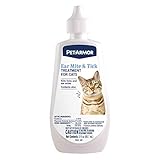
- Kills Ear Mites and Ticks: PetArmor Ear Mite & Tick Treatment contains active ingredients that kill ear mites and ticks.
- Itch Relief: The mite and tick medication contains soothing aloe that helps relieve itchy ears.
- Recommended Use: Apply five drops into each ear twice daily.
- 12 Weeks and Older: This mite and tick control is not for use on kittens under twelve weeks.
- Easy to Use: Cat tick treatment is in a convenient squeeze bottle to ensure accurate dosage.
General ear-cleaning cautions still matter
Cornell’s ear-cleaning guidance for dogs advises avoiding solutions containing alcohol or hydrogen peroxide and asking a veterinarian to select an appropriate cleaner when infection is present. That advice is not a cat-specific experiment, so it should not be presented as proof that every alcohol concentration damages every feline ear. It is, however, a sensible reason not to improvise with alcohol when a cat’s ear is inflamed or the eardrum has not been assessed.
How to recognize a possible ear-mite problem
Cornell describes several signs commonly associated with feline ear mites. These clues justify an examination, but they do not confirm the diagnosis by themselves.
Typical signs
- Repeated scratching at one or both ears.
- Frequent head shaking or tilting.
- An inflamed or reddened outer ear.
- Dark, gooey wax mixed with debris that may look like coffee grounds.
- Discomfort when the ear is touched.
Why appearance is not enough
Yeast or bacterial infection, allergies, foreign material, inflammatory disease, and other ear disorders can produce itching, odor, discharge, and dark material. A cat may also have more than one problem at the same time. Treating the visible debris without identifying its cause can delay effective treatment and may worsen an already painful ear.
Recommended Free Tools
Rank #2

- 【Ear Mite Treatment for Dogs】 Pets that have ear mites will typically shake their heads and scratch their ears frequently. This Aloe Ear Mite Treatment offers relief for pets suffering from ear mites.
- 【PETS EAR DROPS】The formula is 100% natural and skin safe ear cleaner for dogs - contains aloe to help soothe irritated skin, vegan, hypoallergenic, anti-itch, non-stinging, gentle dog ear cleaner
- 【Gently Yet Effective】The ear mite treatment for dogs free from alcohol & fragrance, effective and safe to clear discharge inside the ear canal, clean dog ears to remove built-up wax and dirt.
- 【Multi-Purpose】Besides to assist itchy dog cat skin relief and ear infection treatment, this cat dog ear cleaner also can be used to remove stinky stuff from cat dog ears and relief for dry, irritated and allergy reactive ears.
- 【For Dogs & Cats】Our cleansing ear wash for dogs works gently but effectively, restores the natural balance of the delicate ear environment. Formulated for pets of all ages and sizes, from puppy to senior dogs, kittens to adult cats.
How a veterinarian confirms the cause
If mites are suspected, Cornell recommends prompt veterinary care. William Miller Jr., VMD, a professor of dermatology at Cornell’s College of Veterinary Medicine, advises that an owner should “seek veterinary care without delay” when ear-mite infestation is suspected.
Otoscope examination
The veterinarian can inspect the ear canal with an otoscope. This helps assess inflammation, accumulated material, narrowing, foreign bodies, and the condition of the deeper canal. It also helps determine whether cleaning can be done safely and whether there are signs that disease has moved beyond the outer ear.
Microscopic examination
A sample of ear debris may be collected and examined under a microscope. Finding mites supports the diagnosis; failing to see them does not mean every itchy ear is normal, because other causes can produce the same signs. The examination is important precisely because the treatment depends on the underlying problem.
Rank #3
- 【Clean Up Ear Mites for Fast Relief】Our ear mites treatment for dogs and cats starts working instantly to help clear infestations. Formulated to target mites directly in the ear canal, helping your pet find comfort quickly.
- 【Vet-Recommended Ingredients】Contains Pyrethrins and Piperonyl Butoxide—commonly used in veterinary ear care—to help break the mite life cycle. A reliable at-home solution for maintaining clean, healthy ears between vet visits.
- 【Easy, Direct Application】Just apply the recommended drops directly into the ear canal. Its fluid consistency ensures full coverage without the need for extra tools. Gently massage the base of the ear to help the formula penetrate deeply for effective results.
- 【Weight-Based Dosing for All Sizes】Whether you have a kitten or a large dog, this ear mite treatment offers clear weight-based guidelines. Use 4–15 drops per ear based on your pet’s size for safe, effective care.
- 【Soothing Aloe Formula】Infused with natural aloe, this gentle ear mite oil not only fights mites but also helps calm redness and inflammation, supporting the natural healing process of your pet’s sensitive ears.
Do not probe a painful canal at home
A cat with a swollen or painful ear may resist handling and can be injured if an object is pushed into the canal. If there is marked pain, swelling, bleeding, foul odor, or thick discharge, leave the canal alone and contact a veterinary clinic.
What effective treatment generally involves
Once the cause is established, treatment has two separate goals: remove material that interferes with medication and use a medicine that is appropriate for the diagnosed condition.
1. Cleaning removes wax and debris
Cornell says treatment generally begins with a thorough cleaning because wax and debris can shield mites from topical medication. Cleaning is therefore a preparation step, not proof that the cleaner itself kills mites. The product, amount, frequency, and technique should be chosen for the individual cat and the condition of the ear.
Rank #4
- 【Ear Mite Treatment for Dogs and Cats】Pets that have ear mites will typically shake their heads and scratch their ears frequently. This Aloe Ear Mite Treatment offers relief for pets suffering from ear mites.
- 【Dogs and Cats Ear Infection Treatment 】The formula is 100% natural and skin safe ear cleaner for dogs - contains aloe to help soothe irritated skin, vegan, hypoallergenic, anti-itch, non-stinging, gentle dog ear cleaner.
- 【Gently Yet Effective】The ear mite treatment for dogs free from alcohol & fragrance, effective and safe to clear discharge inside the ear canal, clean dog ears to remove built-up wax and dirt.
- 【Multi-Purpose】Besides to assist itchy dog cat skin relief and ear infection treatment, this cat dog ear cleaner also can be used to remove stinky stuff from cat dog ears and relief for dry, irritated and allergy reactive ears.
- 【Yeast Infection Treatment for Dogs】Easy to Use - Gently dry ear with a cotton ball, soft cloth, or cotton swab, applied the ear mite drops daily for 7 to 10 days, if necessary, repeat treatment in two weeks
2. A mite-directed medicine controls the infestation
Veterinarians may choose a topical, oral, or systemic agent, depending on the cat’s age, health, examination findings, and the product’s approved use. The medicine should be selected and administered according to veterinary instructions and the applicable label rather than substituted with a household chemical.
3. Follow the exact product directions
FDA labeling for Revolution (selamectin) describes a single topical dose for treatment of ear-mite infestation in dogs and cats and recommends cleansing infested ears to remove debris. The labeled route is topical application to the skin, not pouring the product—or rubbing alcohol—into the ear canal.
FDA’s 2023 labeling update for Revolution Plus states that it is indicated for treatment and control of ear mites in cats and kittens at least eight weeks old and weighing at least 2.8 pounds. The topical solution contains isopropyl alcohol and BHT. Those ingredients are part of a formulated veterinary medicine used under its label; the labeling does not support household rubbing alcohol as an ear treatment. Use only the product, dose, and application method your veterinarian recommends.
Best Value
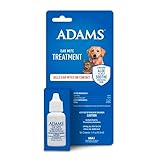
- KILLS EAR MITES: Kills ear mites on contact and is suitable for dogs and cats 12 weeks and older.
- SOOTHES SKIN: ADAMS Ear Mite Treatment contains aloe and lanolin to help soothe irritated skin.
- USE DAILY: Use daily for 7-10 days and repeat treatment in two weeks if necessary.
- EASY-TO-USE: Applicator tube makes it easy to treat your cat or dog’s ears.
- 50 YEARS OF RESULTS: Since 1975, the people who bring you ADAMS have helped owners confidently care for their pets, ensuring they live happy and healthy lives. Complete your flea and tick control system with ADAMS pet, home and yard products.
Cleaning a cat’s ears safely
Cleaning can be useful when a veterinarian has diagnosed the problem and told you which cleaner to use. It is not a substitute for diagnosis, and an ear cleaner should not be assumed to kill mites.
Before cleaning
- Ask the veterinarian whether the ear should be cleaned and which formulation is suitable.
- Tell the clinic if the cat has severe pain, a history of ear disease, balance changes, or a reaction to previous products.
- Use only the amount and frequency instructed for that cat.
During and after cleaning
- Follow the clinic’s demonstrated technique and product directions exactly.
- Stop if the cat shows intense pain, sudden worsening, bleeding, or marked distress.
- Do not add rubbing alcohol, hydrogen peroxide, essential oils, or another household product to the cleaner.
- Contact the veterinarian if discharge, odor, swelling, or scratching persists after the directed treatment.
Because the safe approach depends on the condition of the canal and eardrum, a generic recipe for a homemade solution is not appropriate.
How the options differ
| Option | Primary purpose | Route or role | What the evidence supports |
|---|---|---|---|
| Household rubbing alcohol | Household solvent or disinfectant | Not an established feline ear treatment | Do not use it as a home remedy for suspected ear mites |
| Veterinarian-selected ear cleaner | Remove wax and debris | Ear-cleaning product used as directed | May prepare the ear for medication; it is not automatically a mite-killing medicine |
| Veterinary parasiticide | Kill or control diagnosed parasites | Product-specific topical, oral, or systemic route | Use only the medicine, dose, age range, and application method on the veterinary direction and label |
What can happen if ear disease is ignored
Persistent inflammation is more than a nuisance. Cornell warns that outer-ear disease can progress into the middle and inner ear. Deeper disease may affect hearing or balance. A cat that keeps scratching can also traumatize the pinna and surrounding skin, creating additional swelling and wounds.
Quick wins for a faster PC:
Repair Windows errors before they cause bigger problemsFix Now →Fix the driver behind crashes, sound loss and screen glitchesFind Drivers →Seek veterinary advice promptly for ongoing scratching, head shaking, discharge, odor, swelling, obvious pain, or a cat that becomes unsteady. Sudden balance changes, inability to walk normally, severe swelling, or a rapidly worsening condition should be treated as urgent signs.
Common mistakes to avoid
- Assuming black debris proves mites: debris is a clue, not a diagnosis.
- Using a dog-ear formula without veterinary approval: the cat’s diagnosis and ear condition may be different, and Cornell’s alcohol caution is specifically from dog-ear guidance.
- Confusing an ingredient with an indication: isopropyl alcohol in a labeled veterinary product does not make household alcohol an approved ear medicine.
- Cleaning aggressively: forceful handling can injure a painful canal and make future examinations harder.
- Stopping after debris disappears: visible material can improve while the underlying infection or parasite problem remains.
- Sharing leftover medication: a product prescribed for another animal may have the wrong active ingredient, concentration, route, or dose.
A practical decision path for owners
- Notice the signs. Record scratching, head shaking, odor, discharge, swelling, and whether one or both ears are affected.
- Do not apply rubbing alcohol. Avoid adding household chemicals while you arrange care.
- Book an examination. A veterinarian can inspect the canal and examine debris microscopically when appropriate.
- Use the prescribed plan. Cleaning may come first, followed by a mite-directed medicine selected for the cat.
- Monitor the response. Report persistent discomfort, discharge, swelling, or balance problems instead of changing products on your own.
This approach separates three questions that are often confused: what is causing the signs, how to remove obstructing debris, and which medicine is proven and labeled for the diagnosed condition.
Quick Recap
Product prices and availability are accurate as of the date/time indicated and are subject to change. Any price and availability information displayed on Amazon at the time of purchase will apply.





Leave a Reply