
What’s actually slowing this PC down?
Pick the symptom - the matching free tool is one click away.
An aural hematoma is a pocket of blood between the skin and cartilage of a cat’s ear flap (pinna). It usually develops after vigorous scratching or head shaking has damaged small vessels, often because an ear infection, mites, allergy, inflammation, foreign material, or injury is irritating the ear. The swelling can be painful and may permanently distort the ear if it is ignored. Arrange a veterinary examination rather than trying to puncture or drain it at home: the clinician must treat the fluid pocket and find the problem that made your cat scratch or shake.
Veterinary sources describe several effective approaches, including aspiration, drainage systems, incision with sutures, and selected medical treatment. The right choice depends on the size and age of the hematoma, the cat’s health, the underlying ear disease, and how much aftercare is practical.
As an Amazon Associate I earn from qualifying purchases.
What an aural hematoma is
The pinna is made of thin skin wrapped around cartilage. When vessels tear inside that flap, blood collects in the space between the skin and cartilage instead of flowing away. The result is a localized or widespread swelling that can feel soft and fluid-filled at first, then become thick, firm, or spongy as clots and inflammation develop. Cornell University College of Veterinary Medicine explains that a cat with otitis externa may scratch until vessels rupture; because the blood has nowhere to go, the pinna can resemble a swollen balloon. Cornell’s aural-hematoma guidance was accessed October 13, 2026.
An aural hematoma is not the same as a simple surface cut, an abscess, or a tumor. A veterinarian needs to examine the flap and the ear canal to distinguish these conditions. A hematoma can occupy the entire flap or appear as one bulging area, and the appearance alone cannot identify its cause.
#1 Best Overall

- Developed in Collaboration with Veterinary Dermatologists: Recommended for the routine cleansing of sensitive ears in dogs, cats, puppies, and kittens of any age.
- Ideal for Allergic & Active Pets: A powerful yet gentle ear cleaner for dogs and cats with allergies, frequent swimmers, and breeds with floppy ears that are prone to moisture buildup and microbial overgrowth.
- Soothing, Non Irritating Solution: Designed to be sting free with a neutral pH, this solution is well tolerated by sensitive skin and won't interfere with other ear treatments; Can be used 2–3 times per week.
- Cleans Ear Canal: Limits the bonding of microorganisms to the ear canal surface by removing debris and excess wax.
- Patented Anti-Odor Technology: Features a patented formula that doesn't just mask smells but eliminates them, leaving your pet’s ears smelling fresh and clean.
Signs that should prompt a veterinary visit
Changes you may see or feel
- A puffy area on one side of the ear flap or swelling across most of the pinna.
- A flap that feels warmer, thicker, soft, or water-balloon-like compared with the other ear.
- Progressive thickening or a spongy texture as the blood organizes.
- Head shaking, ear scratching, rubbing the ear on furniture, or holding the ear differently.
- Discharge, odor, redness, debris, or pain when the ear canal is touched, which can point to an underlying ear disorder.
These signs warrant an appointment even if your cat is still eating and acting normally. Cats often conceal pain, and continued scratching can enlarge the pocket.
When to seek urgent care
Contact a veterinary clinic promptly if the swelling appeared suddenly, is rapidly enlarging, is very painful, or follows a bite or other trauma. Seek urgent advice for a cat that is lethargic, weak, pale-gummed, repeatedly vomiting, bleeding elsewhere, or unable to settle; those signs could indicate a broader illness rather than an uncomplicated ear problem. Do not wait for an ear-flap swelling to “burst.”
Why cats develop these blood-filled pockets
Ear-canal irritation and disease
The most common sequence is irritation in the ear canal followed by scratching or head shaking that tears pinna vessels. Possible triggers include otitis externa (inflammation of the outer ear), bacterial or yeast infection, ear mites and other parasites, allergies, inflammatory skin disease, and a foreign object. Cornell, the American College of Veterinary Surgeons (ACVS), and VCA Animal Hospitals all stress that the hematoma is often a consequence of another condition, not the primary disease.
Recommended Free Tools
Rank #2

- GENTLE CLEANING & EXCELLENT DESIGN: The soft and convenient finger wiping design fits your fingers, is not easy to slip off, and fits the structure of cats and dogs' ears better. The wet wipes are made of high-quality non-woven fabric and are designed with exquisite pearl patterns on both sides, which increases friction, provides deep cleaning and is more comfortable. It is quick and convenient to use and can safely and effectively remove wax accumulation and other debris from the sensitive ears
- NATURAL INGREDIENTS & PLANT FORMULA: Wet wipes are added with natural plant formula, which is non-irritating and does not contain alcohol or any other harmful chemicals. Will help safely and gently remove buildup and discharge that can cause odor, and prevent infections caused by dirt, buildup, and earwax, keeping cats and dogs fresh and healthy at all times!
- REGULAR CLEANING & GROOMING ESSENTIALS: Ear care is an important part of regular pet grooming. Pets’ ear canals need to be cleaned regularly, otherwise they will have odor and be prone to ear canal diseases. MEDUWEDU makes it easy with convenient ear cleaning wipes. Using our disposable wipes helps safely and gently remove dirt from the ear canal, effectively improving ear canal problems. Using dog ear wipes is safer than cotton swabs.
- EASILY DEODORIZE & SOOTHE DISCOMFORT: Fruity scent can reduce odor and leave a pleasant smell, bringing you closer to your pet friends, while reducing the discomfort of shaking your pet's head, scratching, and clawing caused by infection.
- FOCUS ON PET EAR CARE: Our products are not only safe in ingredients, but also come in a variety of sizes (Regular, Large) and a variety of refreshing fruit flavors (Mint, Coconut, Peach, Grapefruit.) for you to choose from. I believe your pet will love ear cleaning. Although the price is affordable, the quality is high. Please rest assured that if you are not satisfied with the product you purchased, please feel free to contact us and we will provide you with the best solution.
Direct trauma and less common contributors
A bite, blunt impact, vigorous play, or another injury can damage vessels directly. VCA also notes that bleeding or clotting disorders may matter in some cats. A clinician may therefore ask about medications, previous bleeding, bruising, illness, and exposure to trauma rather than assuming an ear infection is responsible. No single cause can be confirmed from the swelling alone.
How a veterinarian confirms the problem and finds its cause
Examination of the flap and canal
The veterinarian compares both ears, assesses the size and consistency of the pocket, checks for pain, and examines the ear canal and eardrum as far as the cat safely allows. Sedation may be discussed when pain, swelling, or heavy debris prevents a useful examination. The clinician also checks the skin and the rest of the body for clues to allergy, parasites, trauma, or abnormal bleeding.
Tests that may be recommended
Depending on the findings, testing can include an ear-swab examination or cytology to look for yeast, bacteria, inflammatory cells, or parasites; a fine-needle aspirate of the swelling to confirm blood; and other laboratory tests when a systemic or clotting problem is suspected. ACVS describes these options in its aural hematoma overview. VCA likewise describes sampling and ear evaluation as part of identifying the underlying disease. Testing is selected for the individual cat, so not every patient needs every test.
Rank #3

- HELPS ALLEVIATE – This dog and cat ear cleaner was formulated with properties to help promote healthy ear canals. Rinse pet's ears daily with solution and massage area
- DAILY MAINTENANCE – Helps breakdown buildup in the canal that may be causing foul odors and itching, scratching, and head shaking. Excellent for daily care and maintenance
- GENTLE FOR SENSITIVE EARS – Alcohol-free, mildly scented, and a non-irritating formula, this cat and dog ear wash is suitable for sensitive ears and gentle enough for frequent use
- FOR YOUR PETS – Clinical Care Ear Therapy is great for dogs, cats, and small animals over 12 weeks for daily care and to maintain the ear health of your pet
- EFFECTIVE & AFFORDABLE – Our premium products are high-quality at an affordable price.
Veterinary treatment options
Treatment has two jobs: empty the blood-filled space and prevent it from refilling while the ear heals, then control the disease or injury that caused scratching and shaking. There is no source-supported procedure that is best for every cat. Ask the veterinarian how each option fits your cat’s pocket, temperament, health, and likely aftercare.
| Approach | How it works | Follow-up and trade-offs to discuss |
|---|---|---|
| Needle aspiration | A needle removes liquid blood from the pocket. | It is relatively simple but often temporary; the space can refill, so repeat drainage may be needed. It does not correct the irritated ear by itself. |
| Drainage tube or drain system | A tube provides ongoing drainage while the tissue layers begin to adhere. | The cat needs drain protection, monitoring, and a scheduled removal or recheck. Ask how to keep the site clean and what discharge is expected. |
| Incision and drainage with sutures | The veterinarian opens the pocket, removes blood and clots, and places sutures that press the skin against cartilage or eliminate the dead space. | This generally involves anesthesia or heavy sedation, an incision, bandage or support in some cases, and later suture care or removal. Discuss anesthetic risk and recovery restrictions. |
| Bandaging or supportive techniques | A bandage or other support limits movement and helps keep the tissue layers together after drainage. | It must stay correctly positioned and dry. A slipping, wet, foul-smelling, or overly tight bandage needs prompt veterinary attention. |
| Selected medical management | In particular cases the veterinarian may combine drainage with medication or another nonsurgical plan. | Suitability depends on the cat and cause; medication cannot substitute for diagnosing infection, parasites, allergy, trauma, or a clotting disorder. |
Draining the pocket without treating the trigger allows renewed scratching and recurrence. Cornell describes aspiration as commonly a temporary fix, while VCA notes that repeated drainage may be necessary and that surgical approaches can be chosen when a more durable closure of the space is needed. Your clinic should explain the expected number of visits, whether anesthesia is required, and what outcome is realistic for your cat’s ear.
Why home puncture or medication is unsafe
Do not pierce the ear with a needle, squeeze the swelling, insert a drain, flush a painful canal, or give leftover antibiotics, steroids, painkillers, or ear drops. Unsterile puncture can introduce infection; squeezing can worsen tissue damage; and some ear products are unsafe if the eardrum is damaged. Human pain medicines can be toxic to cats. A home treatment may also hide a parasite, infection, foreign body, trauma, or bleeding disorder that needs a different therapy.
Rank #4

- Veterinarian Formulated to Gently Clean, Deodorize, Acidify and Dry Your Pets Ears
- Safe And Gentle Ear Cleanser with Aloe Vera for Daily Use. Won't Sting, Burn or Aggravate the Ear Canal
- Eliminates Build Up of Wax, Fluid, Dirt & Debris to Stop Itching, Scratching, Head Shaking and Irritation.
- Helps Relieve Ear Infections Caused by Growths, Buildup, and Itching.
- Made in the USA in Federally Regulated Manufacturing Facilities to Ensure Quality and Safety.
If scratching is causing immediate damage, ask the clinic whether temporary protection such as an Elizabethan collar is appropriate. A collar can limit self-trauma during recovery, but it does not drain the hematoma or replace the bandage, drain, medication, or examination prescribed by the veterinarian.
Independent reader supportYour contribution helps us test, update, and keep practical guides available for everyone.Recovery and aftercare
What the clinic may send home
Depending on the procedure, your cat may have a head bandage, a drainage tube, an incision with multiple sutures, or medication for pain and the underlying ear disease. Keep every recheck appointment. Follow the clinic’s instructions for cleaning, medication timing, activity, and protecting the ear; instructions differ between an aspirated pocket, a drain, and a sutured repair.
Free tools Windows power users keep installed
One-click scans. No signup required.
Monitor the repair each day
- Check for increasing swelling, heat, redness, bleeding, pus, bad odor, or a drain that has moved.
- Report persistent head shaking, vigorous scratching, appetite loss, marked pain, or lethargy.
- Keep bandages dry and never tighten, trim, or remove them unless the clinic tells you to.
- Prevent rough play and follow the veterinarian’s plan for collar use or other protection.
- Give only prescribed medicines and finish an antimicrobial course if one is prescribed.
Follow-up may include drain or bandage management, repeat examination of the ear canal, and suture removal. The timing depends on healing and the chosen procedure. Call before the scheduled visit if the ear rapidly refills or your cat can reach the repair.
Best Value
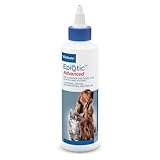
- Developed in Collaboration with Veterinary Dermatologists: Recommended for the routine cleansing of sensitive ears in dogs, cats, puppies, and kittens of any age.
- Ideal for Allergic & Active Pets: A powerful yet gentle ear cleaner for dogs and cats with allergies, frequent swimmers, and breeds with floppy ears that are prone to moisture buildup and microbial overgrowth.
- Soothing, Non Irritating Solution: Designed to be sting free with a neutral pH, this solution is well tolerated by sensitive skin and won't interfere with other ear treatments; Can be used 2–3 times per week.
- Cleans Ear Canal: Limits the bonding of microorganisms to the ear canal surface by removing debris and excess wax.
- Patented Anti-Odor Technology: Features a patented formula that doesn't just mask smells but eliminates them, leaving your pet’s ears smelling fresh and clean.
What happens if an aural hematoma is left untreated?
Some small pockets slowly resorb, but spontaneous resolution can take weeks. Cornell surgeon James Flanders, DVM, cautions that an ear may heal deformed even when a hematoma resolves on its own. Inflammation and scar tissue can permanently thicken the pinna into a wrinkled or “cauliflower” shape. VCA warns of ongoing pain, tissue damage, and cosmetic alteration. A large, tense pocket can also compromise circulation to the flap; ACVS lists pinna necrosis as a possible complication.
Waiting also leaves the initiating ear disease untreated. Ongoing infection, mites, allergy, or foreign material can keep the cat scratching, enlarge the hematoma, and make recurrence more likely. Prompt assessment gives your veterinarian a chance to address both the pocket and its trigger.
Preventing recurrence and protecting the ear
Complete the underlying-ear work-up
Use the treatment plan for confirmed infection, parasites, allergy, inflammation, or another diagnosis exactly as directed. Do not stop drops early because the flap looks smaller; the canal may still be inflamed. Ask whether both ears and the skin elsewhere need examination, since an allergy or parasite problem can affect more than the swollen side.
Reduce self-trauma during healing
Keep recheck appointments and use the protective measures your veterinarian recommends. A recurrence, new swelling, or renewed head shaking after apparent improvement should be reported rather than managed with leftover medication. ACVS notes that recurrence is uncommon when the hematoma and the underlying disease are properly addressed, but it remains a recognized complication.
Questions to ask at the appointment
- Is this definitely a hematoma, and how extensive is the pocket?
- What did the ear examination or cytology show?
- Does my cat need an aspirate, drain, incision, sutures, sedation, or additional blood testing?
- How many rechecks are likely, and when would a drain or sutures come out?
- What signs mean the bandage, drain, or incision needs same-day attention?
- Which treatment addresses the infection, parasites, allergy, trauma, or other cause?
- How can we limit scratching safely while the ear heals?
Outlook for cats with aural hematoma
Most cats can recover when the blood pocket and the initiating problem are managed together. The ear may not regain its original shape, particularly after a long-standing or untreated swelling. Outcome depends on the size and age of the hematoma, tissue viability, the selected procedure, the cat’s ability to tolerate aftercare, and control of the underlying disease. Published guidance from Cornell, ACVS, and VCA describes these outcomes qualitatively; it does not establish a single cat-specific success rate or recurrence percentage that can be applied to every procedure.
For clinical details, see Cornell University College of Veterinary Medicine, the American College of Veterinary Surgeons, and VCA Animal Hospitals. A review of treatment approaches is available through PubMed Central.
Quick Recap
Product prices and availability are accurate as of the date/time indicated and are subject to change. Any price and availability information displayed on Amazon at the time of purchase will apply.
The Tool Desk
Outbyte PC Repair FREERepair Windows errors before they cause bigger problemsFix Now →Outbyte Driver Updater FREEFix the driver behind crashes, sound loss and screen glitchesFind Drivers →




Leave a Reply