
Recommended Free Tools
Some links on this page are affiliate links: if you buy through them we may earn a commission, at no extra cost to you.
A cat with a red, watery, or sticky eye may have conjunctivitis—but “eye infection” is not a diagnosis. Similar signs can come from a scratched cornea, foreign body, blocked tear duct, eyelid problem, glaucoma, uveitis, or trauma. Because some of these conditions can threaten sight quickly, a cat with eye discharge or obvious discomfort should be examined by a veterinarian rather than treated based only on how the eye looks.
What a cat eye infection looks like
Common signs include:
- Redness or swelling of the conjunctiva, the pink tissue around the eye
- Watery, cloudy, yellow, green, or thick discharge
- Frequent blinking, squinting, or holding the eye closed
- Rubbing the face or showing sensitivity to light
- A swollen third eyelid
- A cloudy, gray, or blue-white appearance on the cornea
- Sneezing or nasal discharge alongside the eye problem
Discharge color does not identify the cause. Yellow or green material can occur when bacteria are involved, but viral disease may be the original problem and bacteria may be secondary. A painful eye that is shut tightly is more concerning than a mildly watery eye, regardless of discharge color.
When to contact a veterinarian
Arrange veterinary advice promptly for any cat with eye discharge, redness, or discomfort. Seek same-day or emergency care if your cat:
As an Amazon Associate I earn from qualifying purchases.
- Cannot open the eye or is squinting persistently
- Has a cloudy or bluish cornea
- Is rubbing the eye repeatedly
- Has marked swelling, bleeding, or a visible wound
- May have plant material, dirt, or another foreign object in the eye
- Has a bulging eye, unequal pupils, or signs of reduced vision
- Is lethargic, feverish, not eating, or having significant respiratory signs
A corneal ulcer can deepen and perforate, while acute glaucoma can cause rapid, severe pain and vision loss. An eyeball displaced from its socket is an emergency. Do not wait to see whether these problems improve on their own.
Common causes of eye infections in cats
Feline herpesvirus-1
Feline herpesvirus-1 is a frequent cause of conjunctivitis, upper-respiratory signs, keratitis, and corneal ulcers. After infection, the virus can remain dormant and reactivate later. Repeated episodes therefore do not necessarily mean that a cat has caught a new infection.
Popular on Amazon

- Daily Cleaning - This eye drop for dogs and cats is suitable for daily eye care of pets, removes tear stains and smudges, restores the shine of the hair around the eyes and soothes canine, feline, and dog eye infection treatments, itchy foreign body discharge and other symptoms
- Natural Ingredients - Wellix cat eye drops are made from natural eye-care ingredients, including cod liver oil, vitamin B6, blueberry extract, honeysuckle extract and other natural and gentle ingredients that can better care for your pet's eyes
- Reliable Solution - This dog eye drops for infection are gentle, non-irritating, no alcohol added. Developed to strict standards and trusted by professionals, its natural ingredients and proven effectiveness make it a reliable solution for maintaining optimal eye health in your furry friend
- Easy and Precise Pet Eye Care - The innovative nozzle design of the Wellix PET ensures that every drop of eye drop is dispensed with precision and ease. At the same time, it protects your pet's eyes from accidental injury. This unique design makes the process of rinsing the eyes fast, safe and gentle
- For Cats And Dogs - This pet eye drop is suitable for cats and dogs, easy to operate, and can easily provide eye care for your furry friend. Whether indoors or outdoors, it can be used for cleaning anytime and anywhere
Antibiotics do not eliminate herpesvirus. A veterinarian may prescribe an antiviral for significant, recurrent, or poorly responsive disease and may use an antibiotic if a secondary bacterial infection is suspected.
Chlamydia felis
Chlamydia felis particularly affects young cats and commonly causes pronounced conjunctivitis, discharge, and sometimes sneezing or nasal discharge. It spreads mainly through close contact, so it is more likely in multi-cat homes, shelters, and catteries.
A veterinarian may recommend conjunctival PCR or cytology. Current veterinary guidance generally uses systemic doxycycline for at least four weeks, and sometimes up to six weeks. Because infection can circulate between cats, other cats in the household may also need assessment or treatment.
Other bacteria and mycoplasma
Bacteria can cause primary conjunctivitis, but they also commonly take advantage of an eye surface damaged by a virus or another condition. Prescription antibiotic drops, ointment, oral medication, or a combination may be appropriate depending on the examination and test results.
Also popular on Amazon

- Our formula contains various beneficial ingredients for dog & cat Eye Infection Treatment, Soothe Infection Allergy, Relieve Dry Eyes & Red Eye,Eye Cleaner And Tear Stain Remover such as Artifcial Musk, Gentian Tablets, Borneol,Aloe, chrysanthemum, Cassia Seed.
- Product effectiveness: Under normal circumstances, significant improvement can be seen after three days of continuous use. If the condition is more complicated and serious, you can continue to use this product for your pet. The product ingredients are natural and mild, and the safety of your pet is guaranteed.
- Daily Dosage and Frequency: 1. For initial use, apply 2 drops twice daily to your pet for 15 consecutive days. Starting on the 16th day, apply once daily. 2. Under normal circumstances, apply once daily. If the condition has recovered, apply once every two days.
- Product safety: This product uses natural plant extracts, so the ingredients are non-irritating and can be used normally for your pets. The product is gentle and effective, and is very effective for pet recovery.
- Effect after use: Using this product can keep your pet's eyes bright, moisturized and comfortable, avoiding various eye problems caused by the external environment, making your pet's daily life more pleasant.
Scratches, foreign bodies, and irritants
Dust, chemical exposure, plant material, claws, and rough play can injure the eye. A scratch may become a corneal ulcer. Abnormal eyelashes, eyelids that roll inward, or poor tear production can repeatedly irritate the surface and make an apparent “infection” return.
Quick wins for a faster PC:
Repair Windows errors before they cause bigger problemsFix Now →Scan for outdated or missing drivers - takes under a minuteDriver Scan →Clear out junk files and repair common Windows errorsFree Scan →A problem affecting only one eye is somewhat more suggestive of a foreign body, localized injury, tear-drainage issue, or mechanical irritation than a generalized infection. It is not proof of any one cause, however.
Less obvious but serious conditions
Uveitis, glaucoma, deep corneal disease, and trauma can all resemble conjunctivitis at first. They require different treatment from a routine surface infection. This is why using an old prescription or an over-the-counter eye product can be risky.
How a veterinarian diagnoses the problem
A typical eye examination may include:
- Inspection of the eyelids and eye surface: The veterinarian checks the conjunctiva, third eyelid, cornea, pupils, and surrounding tissues.
- Fluorescein staining: This dye highlights scratches and corneal ulcers. It is especially important when a cat is squinting or holding the eye shut.
- Schirmer tear test: This measures tear production when dry eye is a possibility.
- Eye-pressure measurement: This helps assess glaucoma and uveitis.
- Laboratory testing: Cytology, culture, or PCR may be useful when chlamydia, herpesvirus, or another specific infection is suspected.
- Search for mechanical causes: The veterinarian may look for a foreign body, abnormal eyelash, eyelid defect, or tear-drainage problem.
Fluorescein staining matters because a cat that appears to have “pink eye” may actually have a painful ulcer. Steroid-containing eye medication can worsen an ulcer, so it should not be used unless a veterinarian has examined the eye and prescribed it for that specific situation.
Also popular on Amazon
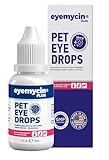
- Daily Cleaning - This eye drop for dogs and cats is suitable for daily eye care of pets, removes tear stains and smudges, restores the shine of the hair around the eyes and soothes canine, feline, and dog eye infection treatments, itchy foreign body discharge and other symptoms
- Effective, Gentle, and Safe - The active ingredient of our eye drops for cats is Hypochlorous Acid (HOCI). HOCI is a naturally occurring substance produced by mammalian white blood cells to boost your pet's immune system. We synthesize a stable immune factor, the HOCI molecule, through EYEMYCIN PET HOCI technology, which has revolutionized safe animal care for all pets and their owners
- Reliable Solution - This dog eye drops for infection are gentle, non-irritating, no alcohol added. Developed to strict standards and trusted by professionals, its natural ingredients and proven effectiveness make it a reliable solution for maintaining optimal eye health in your furry friend
- Easy and Precise Eye Care - EYEMYCIN PET’s innovative nozzle design ensures precise and easy dispensing of each drop, while also protecting your buddies’ eyes from accidental injury. This unique design makes the application of eye rinse quick, safe, and gentle, reflecting our genuine care for your pet’s comfort and health
- For Cats ,Dogs , Horses & Birds - This pet eye drop is suitable for cats and dogs, easy to operate, and can easily provide eye care for your furry friend. Whether indoors or outdoors, it can be used for cleaning anytime and anywhere
How cat eye infections are treated
| Likely problem | Possible veterinary treatment |
|---|---|
| Uncomplicated conjunctivitis | Prescription antibiotic drops or ointment when bacterial infection or secondary infection is suspected; supportive care when appropriate |
| Herpesvirus-associated disease | Antiviral eye or systemic medication in more serious, recurrent, or resistant cases; antibiotics only for bacterial complications |
| Chlamydia felis | Systemic doxycycline, commonly for at least four weeks, with household-cat management directed by the veterinarian |
| Corneal ulcer | Prescription antimicrobials, pain control, treatment for herpesvirus when relevant, an Elizabethan collar, and occasionally surgery |
| Foreign body or eyelid abnormality | Removal of the foreign material or correction of the mechanical problem |
| Glaucoma, uveitis, deep ulcer, or severe trauma | Urgent, condition-specific treatment and sometimes referral to a veterinary ophthalmologist |
Use every medication for the full prescribed duration, even if the eye looks normal after a few days. Stopping early can allow the problem to return. Ask the veterinary team to demonstrate how to apply drops or ointment, particularly if the cat resists treatment or the prescription requires several doses each day.
Free tools Windows power users keep installed
One-click scans. No signup required.
Safe care at home while you arrange care
- Gently wipe discharge away with a clean, soft cloth or tissue moistened with water. Use a fresh section for each wipe and do not scrub the cornea.
- Prevent rubbing. Your veterinarian may recommend an Elizabethan collar.
- If you have several cats, reduce close contact until a contagious cause has been assessed. Do not share bedding, bowls, or grooming items, and wash your hands after handling the affected cat.
- Keep the cat indoors and away from smoke, sprays, dust, and other obvious irritants.
- Follow the prescribed dosing schedule and keep follow-up appointments, even if the discharge improves.
Do not put human eye drops, leftover medication, or another pet’s prescription into the eye unless your veterinarian specifically tells you to. Never use steroid eye medication on an undiagnosed red or painful eye. Some products can worsen an ulcer or delay appropriate treatment.
Common misconceptions
“Green discharge proves the problem is bacterial.”
No. It can indicate a bacterial component, but viral disease—especially herpesvirus—may be involved. The discharge alone cannot determine the right medication.
“Every eye infection needs antibiotic drops.”
No. Antibiotics do not treat viruses, and redness or squinting may be caused by an ulcer, glaucoma, trauma, or a foreign body instead.
Also popular on Amazon
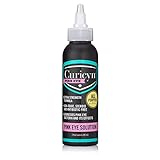
- HELPS RESOLVE PINK EYE FAST in livestock and companion animals with Curicyn Pink Eye Solution. Our painless eye infection treatment for dogs and cats relieves irritation associated with conjunctivitis.
- EXTRA-STRENGTH FORMULA pink eye drops for cats, dogs, horses, cows, and goats contains 96% Purified Acolyte. Non-toxic, pH-balanced, non-irritating, and fast-acting.
- WORKS IN 1-3 DAYS to ease eye irritations and symptoms associated with pink eye. Get in front of animal eye infections with livestock and dog eye drops that are safe to use around the mouth and nose.
- MADE IN THE USA for your peace of mind, Curicyn Dog Eye Drops for infection symptoms are steroid-free. Our dog and cat eye drops are manufactured according to stringent quality control protocols.
- EASY TO ADMINISTER gel-based cat and dog eye ointment for infections should be applied liberally to affected areas. Ensure good contact with the surface of the eye. Repeat in 2-3 days if necessary.
“L-lysine will prevent herpes flare-ups.”
Evidence for L-lysine is inconsistent. It is not a first-line treatment, and some studies have found little benefit or possible worsening of disease. Discuss supplements with your veterinarian rather than relying on them for an active eye problem.
The Tool Desk
Outbyte Driver Updater FREEScan for outdated or missing drivers - takes under a minuteDriver Scan →Outbyte PC Repair FREEClear out junk files and repair common Windows errorsFree Scan →“A cat will outgrow it.”
Some mild conjunctivitis settles without intensive treatment, but waiting can miss an ulcer or another sight-threatening condition. A painful or worsening eye should be assessed.
“The chlamydial vaccine completely prevents infection.”
The vaccine is used selectively and reduces risk rather than guaranteeing complete protection. Ask your veterinarian whether it is appropriate for a multi-cat household, shelter, or other high-exposure situation.
Independent reader supportYour contribution helps us test, update, and keep practical guides available for everyone.Reducing the chance of future problems
Keep vaccinations current, reduce crowding and stress, isolate cats with active respiratory or eye symptoms when advised, and introduce new cats gradually. Good hygiene helps limit spread, but it cannot prevent every herpesvirus flare-up because the virus may remain latent after infection. Recurrent or one-sided eye disease deserves a further examination for an ulcer, foreign body, eyelid abnormality, dry eye, or another underlying cause.
Also popular on Amazon
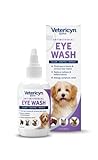
- SOOTHE PET'S IRRITATED EYES: Vetericyn Plus Eye Wash works to effectively flush the pet's eye and provide relief from symptoms of pink eye and other eye irritations
- DAILY PET EYE CLEANING: Safe to use daily to reduce allergy symptoms and redness, and can even help clean and remove tear stains
- ANTIBIOTIC FREE & NON-TOXIC: Vetericyn Plus Eye Rinse is a cost-effective, safe, and pain-free alternative to antibiotics ointments or expensive eye drops that may cause your pet discomfort
- VETERINARIAN RECOMMENDED: An essential pet first aid product giving you the ability to care for your pets from the comfort of your own home
- TRUSTED BRAND: Vetericyn is a leader in at-home animal health products manufactured to help pet owners take the best care of their animals
Important: Eye disease can deteriorate faster than ordinary skin irritation. If your cat is squinting, rubbing the eye, or showing cloudiness, contact a veterinarian rather than trying a household remedy.
What’s actually slowing this PC down?
Pick the symptom - the matching free tool is one click away.
FAQ
Can I treat my cat’s eye infection at home?
You can gently clean away discharge with a clean, moist cloth and prevent rubbing while arranging veterinary advice. Do not diagnose the cause or use human eye drops, leftover prescriptions, or steroid medication without veterinary direction.
How can I tell whether my cat has conjunctivitis or a corneal ulcer?
You usually cannot tell reliably from appearance. Squinting, holding the eye closed, rubbing, and cloudiness can occur with an ulcer, and a veterinarian may need to perform a fluorescein stain to detect it.
Are cat eye infections contagious to other cats?
Some causes, including herpesvirus, chlamydia, and other respiratory infections, can spread between cats. Reduce close contact, avoid sharing bedding and bowls, wash your hands, and ask your veterinarian whether household cats need testing or treatment.
How long does a cat eye infection take to clear?
The timeline depends on the cause. Mild conjunctivitis may improve quickly, while herpesvirus can recur, chlamydial disease often needs at least four weeks of systemic treatment, and ulcers or mechanical problems may require longer treatment and follow-up.
Do these 3 things before closing this tab:
1Fix the driver behind crashes, sound loss and screen glitches2Clear out junk files and repair common Windows errors3Scan for outdated or missing drivers - takes under a minuteThe Bottom Line
Redness and discharge are not enough to identify a cat eye infection. A veterinarian should check for an ulcer, foreign body, glaucoma, and other serious causes—especially if the cat is squinting, rubbing the eye, or showing cloudiness. Until the appointment, clean discharge gently, prevent rubbing, separate the cat from housemates when contagious disease is possible, and use only medication prescribed for this episode.





Leave a Reply