Cat hair loss (alopecia) is a sign, not a diagnosis. Normal shedding usually does not leave bald patches; visible or worsening loss can reflect skin disease, parasites, allergy, injury, overgrooming, or less commonly a nutritional or hormonal problem. The right treatment depends on a veterinarian identifying the cause.
Is your cat shedding normally or losing hair?
Cats naturally shed as part of coat growth. Shedding without bald patches or symmetric areas of thinning may be normal. Alopecia means partial or complete hair loss where hair would normally grow. It can happen when disease damages hair follicles or shafts, disrupts growth, or makes a cat lick, scratch, or chew at itchy or painful skin.
Arrange a veterinary assessment if you notice bald patches or coat loss with redness, scaling, crusts, thickened skin, itching, soreness, or discharge. Cats may hide signs of itching, so not seeing your cat scratch does not rule out an itchy condition.
What can cause hair loss in cats?
Inflammatory skin conditions are common causes of acquired hair loss. Possibilities include parasites, bacterial or fungal infections, and allergies. Trauma or friction can also remove hair, while repeated licking or chewing may cause self-inflicted loss; sometimes this behavior is associated with stress. Nutritional deficiencies and hormonal imbalance are other possibilities, but appearance alone cannot establish the cause.
Quick wins for a faster PC:
Fix the driver behind crashes, sound loss and screen glitchesFind Drivers →Clear out junk files and repair common Windows errorsFree Scan →#1 Best Overall

- Premium Cat Shampoo Formula - Deep cleansing and conditioning in one step.
- Safe for Cats & Kittens - Natural ingredients for sensitive skin.
- Gentle Cat Care - Vet-developed, gentle for regular use.
- Tear-Free & pH-Balanced – Hypoallergenic formula is safe for kittens and sensitive cats.
- Clean & Safe - Free from harsh chemicals, perfect for indoor cats.
The pattern can help the veterinarian decide what to investigate, but it is not a reliable way for an owner to diagnose the problem. A focal patch, widespread loss, or symmetric thinning may each have different explanations.
Could the bald patches be ringworm?
Ringworm is a fungal infection of the skin, hair, or claws—not a worm. It can cause bald, scaly, or crusted patches, often with broken hairs. The face, ear tips, tail, and feet are common sites. Kittens and longhaired cats may have more persistent or widespread disease. The Merck Veterinary Manual reports that about 98% of feline ringworm cases are caused by the fungus Microsporum canis (Merck Veterinary Manual, updated September 2024).
Rank #2
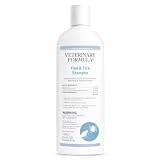
- MAXIMUM FLEA & TICK CONTROL – With up to 3x more active ingredients, this flea and tick shampoo is formulated with pyrethrum – a natural insecticide – to kill and control fleas and ticks on-contact, soothe irritated skin while cleansing & exfoliating
- WORKS FAST – Give your pet relief from symptoms including droppings/flea dirt in dog’s coat, allergic dermatitis, excessive scratching, licking or biting at skin, hair loss, tapeworms and pale gums. Follow directions on bottle for best results
- SOAP AND PARABEN FREE – This flea and tick shampoo for dogs and cats is paraben and soap-free. It contains no harsh soaps or damaging detergents, only the gentlest naturally derived cleansers specifically formulated for your pet’s skin
- FORMULATED FOR PETS – This pet shampoo is safe for dogs, cats, ferrets and horses 12 weeks & older. This pH balanced treatment is ideal for your dog’s skin as human shampoos are formulated at a lower pH level (more acidic)
- EFFECTIVE & AFFORDABLE – Veterinary Formula Clinical Care premium medicated products are created with veterinary-grade ingredients, available at an affordable price. We know dogs and cats are more than just pets because we are pet parents too
Ringworm can spread to people, chiefly through contact with infected cats or contaminated objects such as furniture and grooming tools. If you suspect it, contact your veterinarian and ask about appropriate treatment and household precautions. A fungal culture of hairs and skin scrapings is described as the most accurate diagnostic method, but results can take up to three weeks. An ultraviolet lamp may help identify suspicious hairs, but a positive finding should be verified.
Cornell Feline Health Center notes that ringworm in an otherwise healthy cat may take nine months to a year to resolve without treatment. That possibility is not a reason to wait: hair can continue to fall out while bare skin remains exposed, and the infection may spread to people or other animals (Cornell Feline Health Center, “Ringworm: A Serious but Readily Treatable Affliction”).
Rank #3

- WATERLESS CAT SHAMPOO FOR LONG HAIR : Keep your cat’s fur clean between baths with convenient, no-rinse foam. Helps remove everyday dirt and freshen the coat without preparing a bathtub. Ideal for routine touch-ups between grooming appointments.
- DETANGLING FOAM FOR EASIER BRUSHING : Conditions long fur to help loosen tangles and leave the coat soft and manageable. Follow with gentle brushing to work through loose knots.
- MADE FOR LONG-HAIRED CATS : Designed for Persians, Maine Coons, Ragdolls, Norwegian Forest Cats, Birmans, and other long- or medium-haired cats. Supports regular coat care wherever longer fur needs extra attention.
- GENTLE FORMULA, LIGHT FRESH SCENT : Made without alcohol, parabens, or sulfates. Helps freshen the coat and reduce everyday odors while leaving a light botanical fragrance for a clean finish between baths.
- PUMP, MASSAGE & TOWEL DRY : Dispense foam as directed on the label, gently massage through the coat, and towel dry. No rinsing required. The hand pump makes dispensing easy for targeted touch-ups or a more thorough grooming session.
How a veterinarian finds the cause
The veterinarian will ask about your cat’s history and examine the skin and general health. Depending on what they find, the evaluation may include:
- Looking for parasites or signs of infection, including flea combing, skin scrapings, smears, or cultures.
- Taking a skin biopsy if initial tests do not identify the cause.
- Ordering blood or urine tests when a hormonal disorder is suspected.
Before the appointment, note when the hair loss started, which areas are affected, whether your cat licks or scratches, and whether the skin looks red, scaly, crusted, or sore. This history can help guide the examination; it cannot replace testing where testing is needed.
Rank #4
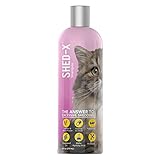
- HELP CONTROL EXCESSIVE SHEDDING – Cat grooming supplies like this shampoo to gently clean, release excess hair, and exfoliate to reduce shedding
- NOURISH THE SKIN – Infuse your pet’s skin and coat with essential amino acids, Omega fatty acids, Vitamins A, D, and E, and antioxidants to promote healthy skin and a soft and shiny coat
- LONG-LASTING FRAGRANCE – The pleasant white ginger and nectarine fragrance of this shampoo for shedding will leave your cat clean, soft, and smelling amazing long after bath time is over
- FOR BEST RESULTS – Wet coat thoroughly with warm water and massage cat shedding shampoo into coat and skin. Allow the lather to remain for several minutes and then rinse thoroughly
- EFFECTIVE AND AFFORDABLE – Our pet supplies are created with premium ingredients at a price that pet parents can afford. We know they are more than just pets because we are pet parents too
How is cat hair loss treated?
Successful treatment depends on the underlying cause and a specific diagnosis, as the Merck Veterinary Manual’s cat-owner guide to hair loss explains (updated May 2025). For example, suspected or confirmed ringworm requires veterinary direction; Merck describes veterinarian-directed topical antifungal dips or shampoos and oral antifungals for widespread infection. The veterinarian may also advise on cleaning the environment.
Do not choose a shampoo, medication, supplement, or diet change based only on how a bald patch looks. The cause may not be what it appears to be, and contagious infection is one possibility. A veterinarian may provide relief for itching while identifying the underlying problem, but the appropriate treatment depends on the cat’s findings.
Free tools Windows power users keep installed
One-click scans. No signup required.
Quick Recap
Best Value
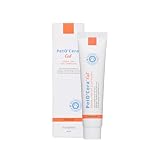
- FAST-ACTING RELIEF: Instantly soothes itchy skin, hot spots, rashes, and scratching. Essential skin care for cats with sensitive and irritated skin.
- MULTI-AREA SKIN SOLUTION: Deeply hydrates cracked paws and soothes dry skin on bellies or areas with hair loss. A vital part of your cat's routine for overall skin health.
- MESS-FREE RELIEF: Soothes irritated skin faster than balms. This non-greasy formula is perfect for indoor cats as it won't leave stains on your floors.
- LICK-SAFE, VET-DEVELOPED: Our vet-developed, non-toxic formula is lick-safe and free from steroids, parabens, petrolatum and mineral oils.
- TRUE UNSCENTED SAFETY: Free from essential oils and artificial fragrances, our formula is gentle on your cat's sensitive nose and skin, providing pure, stress-free relief.
Product prices and availability are accurate as of the date/time indicated and are subject to change. Any price and availability information displayed on Amazon at the time of purchase will apply.




