
What’s actually slowing this PC down?
Pick the symptom - the matching free tool is one click away.
Kidney disease in cats is usually chronic and progressive, but early disease can cause few or no visible signs. A cat that appears well can still have impaired kidney function, while a single abnormal creatinine or SDMA result does not prove chronic kidney disease (CKD). Diagnosis, staging and treatment all require a veterinarian’s interpretation of repeated findings, hydration status and the cat’s overall condition.
This guide explains what CKD means, how veterinarians confirm and stage it, which signs need prompt attention, and how nutrition, hydration, monitoring and treatment decisions fit together.
As an Amazon Associate I earn from qualifying purchases.
What kidney disease means in a cat
CKD describes persistent loss of kidney function or chronic structural change in the kidneys. The kidneys regulate water balance, remove waste products and help control several chemical processes. When damage persists, waste and fluid regulation can become less effective. The condition is generally progressive, although the rate and pattern differ between cats.
The Tool Desk
Outbyte Driver Updater FREEScan for outdated or missing drivers - takes under a minuteDriver Scan →Outbyte PC Repair FREERepair Windows errors before they cause bigger problemsFix Now →CKD is described as common in senior cats, yet no single prevalence percentage applies to every population or practice. Early disease may be clinically silent, so normal behavior does not rule it out. Conversely, thirst, weight loss or vomiting can have many causes and are not diagnostic by themselves. A veterinarian combines the history, physical examination, blood and urine testing, and sometimes imaging before deciding whether chronic kidney disease is present. The 2026 iCatCare consensus guideline emphasizes that diagnosis and staging are separate steps.
#1 Best Overall

- Hill's Prescription Diet k/d Kidney Care with Chicken Dry Cat Food is specially formulated by Hill’s nutritionists and veterinarians to help protect your cat's vital kidney function.
- This dry cat kibble has clinically proven nutrition to improve and lengthen quality of life
- Formulated with ActivBiome+ Kidney Defense, a proprietary blend of prebiotics shown to activate the gut microbiome to help protect kidney function
- Contains wholesome ingredients with more essential amino acids than daily requirements* supports your cat’s natural ability to build lean muscle (*compared to AAFCO minimum)
- Developed with Enhanced Appetite Trigger (E.A.T), which is clinically tested to stimulate appetite & increase food intake. Prescription Diet k/d Kidney Care with Chicken Dry Cat Food is made with chicken and has an irresistible taste that cats love.
Signs to watch for—and when to call
Early CKD may produce no obvious change. As disease advances, caregivers may notice:
- drinking more or urinating more often;
- weight loss or loss of muscle;
- reduced appetite or difficulty maintaining food intake;
- vomiting, nausea or constipation;
- lethargy, weakness or dehydration.
These signs overlap with diabetes, thyroid disease, gastrointestinal illness, infection, medication effects and acute kidney injury. Do not assume every change is “just the kidneys.” Contact the veterinary team promptly if your cat suddenly deteriorates, cannot keep food or water down, or eats markedly less. Cats that stop eating can become seriously ill, so ask what threshold should trigger an urgent examination. IRIS guidance specifically addresses nausea, vomiting and inappetence, particularly in more advanced disease.
How veterinarians confirm CKD
A diagnosis rests on evidence that kidney impairment is persistent or that chronic structural disease is present—not on one laboratory number alone. The veterinarian will consider:
Recommended Free Tools
History and examination
Your observations about appetite, thirst, urination, weight, vomiting, medications and previous illnesses help establish a timeline. Examination assesses hydration, body and muscle condition, blood pressure where available, and other clues to concurrent disease.
Blood tests
Creatinine and symmetric dimethylarginine (SDMA) are kidney-function markers used in staging. Either can be affected by circumstances outside chronic kidney damage. Dehydration can concentrate blood values; acute kidney injury and urinary obstruction can change markers quickly. Muscle loss can also complicate interpretation of creatinine. The veterinarian may therefore repeat testing after addressing an acute problem or restoring hydration.
Rank #2

- Hill's Prescription Diet k/d Kidney Care Chicken & Vegetable Stew Canned Cat Food is specially formulated by Hill’s nutritionists and veterinarians to help protect your cat's vital kidney function.
- This wet cat food has clinically proven nutrition to improve and lengthen quality of life
- Formulated with ActivBiome+ Kidney Defense, a proprietary blend of prebiotics shown to activate the gut microbiome to help protect kidney function
- Contains wholesome ingredients with more essential amino acids than daily requirements* to support a cat’s natural ability to build lean muscle (*compared to AAFCO minimum)
- Available in multiple wet forms & flavors to entice even the pickiest of eaters, this canned food has tasty bite-sized chunks in gravy and is made with wholesome ingredients like chicken & vegetables that cats love.
Urine testing
Urinalysis helps assess concentration and other abnormalities. The urine protein:creatinine ratio (UPC) is used to evaluate proteinuria—excess protein loss in urine—which can affect risk assessment and treatment. A urine sample may also help identify infection or obstruction-related concerns.
Blood pressure and imaging
Systolic blood pressure is important because hypertension can accompany kidney disease and damage organs. Ultrasound or other imaging may identify structural changes, obstruction or an alternative explanation. The choice depends on examination findings and the clinical question.
Ruling out temporary causes
Before labeling a cat with CKD, the team considers dehydration, acute kidney injury, urinary blockage and other reversible or concurrent conditions. Ask what evidence supports chronicity and whether your cat was clinically stable and adequately hydrated when the samples were interpreted.
Diagnosis is not the same as IRIS staging
Staging summarizes the severity of confirmed CKD after the cat is clinically stable and hydrated. It should not be assigned from an isolated increase in creatinine or SDMA. The 2026 guideline recommends fasting creatinine alone, or creatinine together with SDMA, in a stable, hydrated patient. Findings should be consistent on at least two occasions. Read the iCatCare consensus recommendations.
If creatinine and SDMA suggest different stages, the guideline advises repeating measurements within two to four weeks rather than forcing a decision from conflicting results. Your veterinarian may also account for body condition, muscle mass, laboratory method and the complete clinical picture.
Rank #3
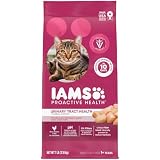
- Urinary Tract Health: IAMS Proactive Health Hairball & Urinary Tract Health dry cat food features clinically proven technology to promote urinary health in 10 days
- Cat Dry Food Reduces Hairballs: This cat food dry recipe includes a unique fiber blend clinically proven to reduce hairballs
- #1 Ingredient Is Real Chicken: IAMS Proactive Health Hairball & Urinary Tract Health cat food is made with real chicken as the #1 ingredient
- Quality Recipe: This recipe provides 100% complete and balanced nutrition for adult cats, delivering the nutrition they need
- Supports A Healthy Heart: IAMS Proactive Health Hairball & Urinary Tract Health dry cat food is crafted with essential nutrients including calcium and potassium to help nourish a healthy heart
What substaging adds
After the primary stage is established, proteinuria and systolic blood pressure provide additional context. UPC results help classify protein loss, while blood-pressure findings identify hypertension risk. These categories can change monitoring and treatment even when the primary kidney stage is unchanged.
PC Slower Than It Used to Be?
A free scan shows the junk files, broken settings and background clutter dragging Windows down - then fixes them in one click.Free scan · Windows 10 & 11Outdated Drivers Are Slowing You Down
One free scan finds every outdated or missing driver and matches the right update for your exact hardware.Free scan · exact hardware match| Assessment | What it contributes | Why context matters |
|---|---|---|
| Creatinine | Primary kidney-function marker used for IRIS staging in a stable patient | Hydration, acute illness and muscle mass can influence the value |
| SDMA | Additional kidney-function marker that can be interpreted with creatinine | Discordant results require repeat assessment, not self-staging |
| Urine protein:creatinine ratio | Substages proteinuria and helps guide management | Persistent protein loss and sample context must be evaluated by the veterinarian |
| Systolic blood pressure | Substages hypertension risk and identifies a treatable complication | Stress, technique and repeated measurements affect interpretation |
| Urinalysis and imaging | Looks for concentration changes, infection, obstruction or structural disease | Findings help distinguish CKD from acute or non-kidney conditions |
Do not use an online chart to assign a stage at home. Ask which results established CKD, whether they were repeated, and what follow-up would clarify the trend. The IRIS guidelines provide the professional staging framework used by veterinarians.
What treatment is trying to achieve
There is no single CKD protocol. The goals are to slow progression where possible, control complications, relieve clinical signs and preserve quality of life. As IRIS states, “All treatments for chronic kidney disease (CKD) need to be tailored to the individual patient.” The 2023 IRIS treatment recommendations outline this patient-specific approach.
Your cat’s stage and substaging, appetite, hydration, blood pressure, urine findings, phosphate and potassium results, anemia status, constipation, nausea, vomiting and other diseases all influence the plan. A treatment that is appropriate for one cat can be unsuitable for another.
Nutrition
Veterinary therapeutic renal diets are a central nutritional option because they are formulated around kidney-care goals. The appropriate product, texture and transition schedule depend on the cat’s medical needs and willingness to eat. A therapeutic diet should be selected with the veterinary team; a generic “senior” food is not automatically equivalent.
Rank #4
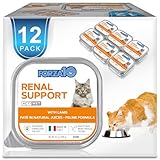
- TRUSTED ITALIAN NUTRITION: Pet food brand for dogs and cats, offering a wide range of recipes crafted with high-quality ingredients and veterinary expertise. Forza10 products are designed to support overall health and well-being, helping pets thrive at every stage of life.
- SUPPORTS HEALTHY KIDNEYS: Specially formulated pet food helps maintain kidney function and supports overall renal and cardiac health. Made with high-quality protein and essential nutrients to promote well-being while providing a taste pets enjoy.
- INGREDIENTS: Formulated with hydrolyzed protein and potato protein for controlled phosphorus and adapted protein content. Enriched with cranberries, dried dandelion, and dried clover extract to support kidney health. Free from GMOs, by-products, wheat, soy, artificial colors, or preservatives.
- WHAT'S INCLUDED: Each pack contains 12 cans of adult wet cat food, 3.5 oz each, in a savory lamb flavor that cats love. Perfect for daily feeding or to mix with dry food for a complete mealtime experience.
- EXPLORE MORE: Discover our full range of premium cat and dog food recipes, crafted with veterinary expertise and high-quality ingredients. Visit the Forza10 store to find the perfect meals to support your pet’s health and well-being
Never withhold food to force a diet change. A practical transition is gradual: offer the recommended food alongside the familiar diet, adjust the proportion only as your cat continues eating, and report refusal early. Your veterinarian can suggest alternate textures or another suitable formulation while protecting total calorie intake. Appetite, other illnesses and nutritional priorities must be weighed together.
Hydration
The team may discuss wet food, multiple water stations, dietary moisture or prescribed fluid support. Whether fluids are needed, how they are given and how often are medical decisions. Do not begin subcutaneous fluids or alter a fluid plan without instruction, because excess fluid can also be dangerous.
Managing complications
Depending on test results, treatment may address hypertension, proteinuria, elevated phosphate, anemia, low potassium, nausea, vomiting, poor appetite or constipation. Medication choice and dose require veterinary oversight, especially when kidney clearance is reduced or another disease is present. Bring a complete list of prescribed drugs, supplements and over-the-counter products to every appointment.
Making a renal-diet transition safer
- Confirm the goal. Ask which nutritional targets matter for your cat and which exact formulations are acceptable.
- Protect appetite. Start with a small portion of the new food beside the familiar food. Keep meals calm and predictable.
- Change slowly. Increase the new proportion only when eating remains steady; the pace can be slower for a suspicious or nauseated cat.
- Track intake. Record approximate amounts eaten, vomiting and body weight so the veterinarian can judge whether the plan is working.
- Call if intake falls. Do not wait for prolonged refusal, repeated vomiting or dehydration before seeking help.
The 2026 consensus material includes practical support for renal-diet transitions, but no formulation is accepted by every cat. The veterinary team may prioritize calories and a tolerable option while addressing nausea or another barrier.
Monitoring at home and at rechecks
A simple log can make subtle trends visible. Record appetite, water intake or drinking changes, vomiting, stool, body weight when you can measure it safely, medication administration and questions for the next visit. Note dates rather than relying on memory.
Best Value

- Purina ONE +Plus Urinary Tract Health cat food made with real chicken to help provide the protein she needs for strong muscles, including a healthy heart
- Urinary care cat food provides low magnesium and supports urinary tract health by reducing urinary pH
- Easily digestible SmartBlend of high-quality ingredients in Purina ONE urinary tract cat food includes four antioxidant sources for a strong immune system
- Deliciously crunchy cat food bites deliver great taste with no artificial flavors or colors
- Urinary health cat food crafted in Purina-owned, U.S. facilities
Recheck timing is individualized. Visits may include weight and muscle assessment, appetite and hydration review, bloodwork, urinalysis, UPC, blood pressure and phosphate or potassium checks. Ask which measurements are due and what result would change treatment. If creatinine and SDMA disagree, repeat testing within the two-to-four-week window recommended by the guideline may be appropriate, provided your veterinarian agrees.
A fountain can be offered if your cat likes moving water, but it is an optional household aid—not a CKD treatment—and there is no evidence in the cited consensus guideline that fountains outperform other water arrangements. Provide the setup your cat actually uses.
Questions to take to the appointment
- What findings support CKD rather than dehydration, acute kidney injury, obstruction or another temporary change?
- Was my cat hydrated and clinically stable when these results were interpreted?
- Which creatinine and SDMA measurements were used, and should they be repeated?
- What do the urine protein:creatinine ratio and blood-pressure readings show?
- What is the current stage and substaging, and which findings would change the plan?
- Which diet is appropriate, how should we transition, and what should we do if my cat refuses it?
- Which signs require an earlier call, and when should weight, appetite, blood pressure, urine and bloodwork be checked again?
These questions address the common caregiver concern of “what questions to ask/additional tests to request?” without turning online advice into a substitute for an examination.
Quick wins for a faster PC:
Scan for outdated or missing drivers - takes under a minuteDriver Scan →Clear out junk files and repair common Windows errorsFree Scan →Quality of life and outlook
A stage is not a countdown and cannot predict an individual cat’s remaining lifespan. Cats at the same stage can differ in appetite, concurrent disease, blood pressure, proteinuria, response to treatment and caregiver support. Judge progress by trends and daily function: eating, comfort, hydration, interaction, grooming and ability to rest.
Management according to the IRIS staging system can lead to prolonged survival and an excellent quality of life for affected cats, according to the 2026 iCatCare consensus guideline. That outcome depends on an individualized plan, monitoring and adjustments as the cat’s needs change. The full guideline explains the evidence and clinical framework.
Quick Recap
Common mistakes to avoid
- Staging from one test: wait for confirmation in a stable, hydrated cat and follow the veterinarian’s repeat-testing plan.
- Ignoring sudden decline: acute kidney injury, obstruction or dehydration can require urgent care.
- Forcing a diet: withholding food can worsen illness; protect intake and call for alternatives.
- Starting products independently: supplements, blood-pressure drugs and fluid therapy can interact with disease and other medicines.
- Focusing only on creatinine: urine protein, blood pressure, SDMA, symptoms and body condition all inform care.
- Assuming a calm-looking cat is stable: early CKD may be silent, so scheduled monitoring matters.
Product prices and availability are accurate as of the date/time indicated and are subject to change. Any price and availability information displayed on Amazon at the time of purchase will apply.





Leave a Reply