
What’s actually slowing this PC down?
Pick the symptom - the matching free tool is one click away.
Some links on this page are affiliate links: if you buy through them we may earn a commission, at no extra cost to you.
A cat that keeps scratching its ears is usually reacting to irritation or inflammation in the ear, ear flap, or nearby skin. The main possibilities are mites, outer-ear infection, allergies, insect bites or other skin disease, a foreign body, inflammatory polyps or deeper ear disease, and injury caused by the scratching itself.
Persistent or forceful scratching deserves a veterinary examination. Discharge, foul odor, pain, marked swelling, a fluid-filled ear flap, head tilt, stumbling, or facial changes require especially prompt attention because disease can extend into the middle or inner ear and affect hearing or balance.
As an Amazon Associate I earn from qualifying purchases.
What ear scratching means in cats
Scratching is a symptom, not a diagnosis. Something may be irritating the ear canal, inflaming the ear flap, or causing pain deeper in the ear. Cats may also shake their heads, rub one side of the face, or scratch until they create sores and swelling.
The same outward behavior can come from a superficial problem such as mites or allergy, or from disease behind the eardrum. A dark discharge does not prove that a cat has ear mites, and home inspection cannot reliably distinguish mites, yeast, bacteria, a foreign object, or a polyp. Diagnosis depends on examining the ear and, often, testing a sample of the debris.
Popular on Amazon
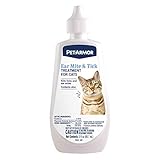
- Kills Ear Mites & Ticks: Pyrethrins and piperonyl butoxide go to work on ear mites and ticks, so your cat can get back to feeling like themselves
- Soothes with Aloe: Soothing aloe helps relieve the itchiness that comes with ear mites and ticks
- Simple Dosing: Apply 5 drops into each ear twice daily; the squeeze bottle helps keep dosing accurate
- For Cats 12 Weeks & Older: Not for use on kittens under 12 weeks
- 3 fl oz Bottle: At-home ear care with no vet visit required, from PetArmor, trusted by over 5 million pets yearly
Seven veterinary causes of itchy ears
1. Ear mites and other mites
Otodectes cynotis is a common feline ear mite associated with intense itch, dark wax or debris, and inflammation of the external ear. Mites can affect one or both ears and may spread among animals that live together.
Other mites cause skin disease around the ears, head, and neck. Notoedric mange, for example, can produce severe itching, redness, crusts, and hair loss. Lesions may extend beyond the ear canal onto the ear flap and surrounding skin.
Outdated Drivers Are Slowing You Down
One free scan finds every outdated or missing driver and matches the right update for your exact hardware.Free scan · exact hardware matchPC Slower Than It Used to Be?
A free scan shows the junk files, broken settings and background clutter dragging Windows down - then fixes them in one click.Free scan · Windows 10 & 11A veterinarian chooses a mite-killing medicine appropriate for the cat and the suspected mite. In-contact cats and other animals, as well as bedding, may need treatment or cleaning under veterinary direction to prevent reinfestation. Do not rely on an over-the-counter product selected only because the debris looks black; the wrong product can delay treatment or be unsafe.
2. Otitis externa (outer-ear infection)
Otitis externa is inflammation or infection of the external ear canal. Typical signs include scratching, repeated head shaking, odor, redness, swelling, increased discharge, and scaly skin. The underlying trigger may be parasites, an allergy, or a foreign object, with bacteria or yeast multiplying secondarily in the inflamed canal.
An ear swab examined under a microscope can help identify mites, bacteria, or yeast. Treatment therefore has to match the finding: a cat with mites needs parasite control, while a cat with yeast or bacteria may need a prescribed antifungal or antibacterial treatment and management of the condition that allowed the infection to develop.
Also popular on Amazon

- 【Ear Mite Treatment for Dogs】 Pets that have ear mites will typically shake their heads and scratch their ears frequently. This Aloe Ear Mite Treatment offers relief for pets suffering from ear mites.
- 【PETS EAR DROPS】The formula is 100% natural and skin safe ear cleaner for dogs - contains aloe to help soothe irritated skin, vegan, hypoallergenic, anti-itch, non-stinging, gentle dog ear cleaner
- 【Gently Yet Effective】The ear mite treatment for dogs free from alcohol & fragrance, effective and safe to clear discharge inside the ear canal, clean dog ears to remove built-up wax and dirt.
- 【Multi-Purpose】Besides to assist itchy dog cat skin relief and ear infection treatment, this cat dog ear cleaner also can be used to remove stinky stuff from cat dog ears and relief for dry, irritated and allergy reactive ears.
- 【For Dogs & Cats】Our cleansing ear wash for dogs works gently but effectively, restores the natural balance of the delicate ear environment. Formulated for pets of all ages and sizes, from puppy to senior dogs, kittens to adult cats.
Untreated outer-ear disease can progress through the eardrum into the middle and inner ear. That progression can damage hearing and the systems responsible for balance.
Quick wins for a faster PC:
Clear out junk files and repair common Windows errorsFree Scan →Scan for outdated or missing drivers - takes under a minuteDriver Scan →Repair Windows errors before they cause bigger problemsFix Now →3. Allergies
Allergic skin disease can make the ear flap and external canal red and intensely itchy even when no parasite is visible. Possible environmental triggers include house dust, dust mites, molds, and pollens. Food allergy is another possibility.
Allergy-related inflammation can create an environment in which bacteria or yeast overgrow, so a cat may have both an allergic trigger and a secondary ear infection. A full skin examination, history, and ear testing help the veterinarian separate allergy from parasites and infection. Management may involve treating the ear problem while investigating the allergic trigger.
4. Insect bites and other skin disease
Mosquitoes, fleas, and flies can inflame the ear flap, especially in cats that spend time outdoors. Bites may leave crusts or sores, and lesions concentrated on the ear tips can be an important exposure clue. Flea-related or other allergic skin disease can affect areas beyond the ears.
Mange and other dermatoses may cause crusting, hair loss, open sores, or relentless itch. The veterinarian may need to examine the entire skin surface and examine skin material under a microscope rather than treating the ear alone.
Also popular on Amazon
- 【Clean Up Ear Mites for Fast Relief】Our ear mites treatment for dogs and cats starts working instantly to help clear infestations. Formulated to target mites directly in the ear canal, helping your pet find comfort quickly.
- 【Vet-Recommended Ingredients】Contains Pyrethrins and Piperonyl Butoxide—commonly used in veterinary ear care—to help break the mite life cycle. A reliable at-home solution for maintaining clean, healthy ears between vet visits.
- 【Easy, Direct Application】Just apply the recommended drops directly into the ear canal. Its fluid consistency ensures full coverage without the need for extra tools. Gently massage the base of the ear to help the formula penetrate deeply for effective results.
- 【Weight-Based Dosing for All Sizes】Whether you have a kitten or a large dog, this ear mite treatment offers clear weight-based guidelines. Use 4–15 drops per ear based on your pet’s size for safe, effective care.
- 【Soothing Aloe Formula】Infused with natural aloe, this gentle ear mite oil not only fights mites but also helps calm redness and inflammation, supporting the natural healing process of your pet’s sensitive ears.
5. A foreign body or chemical irritant
Grass material, debris, or another object lodged in the external canal can cause sudden, often one-sided scratching and head shaking. A foreign body may abrade the canal or pierce the eardrum, allowing disease to reach the middle ear.
Never probe an itchy ear with a cotton swab, tweezers, or another tool. An object that is pushed deeper can worsen injury, and the eardrum cannot be assessed safely from the outside. A veterinarian can use an otoscope, appropriate restraint or sedation when needed, and safe removal followed by treatment of any infection or inflammation.
6. Inflammatory polyps or deeper ear disease
Inflammatory polyps are a recognized cause of feline otitis media. Disease in the middle or inner ear can cause scratching and head shaking, but it may also produce a head tilt, stumbling, loss of balance, or deafness. Facial-nerve changes or abnormal eye movements and other eye changes can occur when nearby nerves are affected.
These signs are more concerning than a mildly itchy ear because they indicate possible involvement beyond the external canal. Chronic, severe, obstructive, or neurologic cases may require imaging such as CT or MRI to define the problem and plan treatment.
The Tool Desk
Outbyte Driver Updater FREEScan for outdated or missing drivers - takes under a minuteDriver Scan →Outbyte PC Repair FREERepair Windows errors before they cause bigger problemsFix Now →7. Self-trauma and an aural hematoma
Violent scratching or repeated head shaking can rupture small blood vessels in the ear flap. Blood then collects between the skin and the cartilage, creating an aural hematoma. The flap may suddenly become thick, soft, warm, or fluid-filled, sometimes involving only part of the ear.
Also popular on Amazon
- 【Ear Mite Treatment for Dogs and Cats】Pets that have ear mites will typically shake their heads and scratch their ears frequently. This Aloe Ear Mite Treatment offers relief for pets suffering from ear mites.
- 【Dogs and Cats Ear Infection Treatment 】The formula is 100% natural and skin safe ear cleaner for dogs - contains aloe to help soothe irritated skin, vegan, hypoallergenic, anti-itch, non-stinging, gentle dog ear cleaner.
- 【Gently Yet Effective】The ear mite treatment for dogs free from alcohol & fragrance, effective and safe to clear discharge inside the ear canal, clean dog ears to remove built-up wax and dirt.
- 【Multi-Purpose】Besides to assist itchy dog cat skin relief and ear infection treatment, this cat dog ear cleaner also can be used to remove stinky stuff from cat dog ears and relief for dry, irritated and allergy reactive ears.
- 【Yeast Infection Treatment for Dogs】Easy to Use - Gently dry ear with a cotton ball, soft cloth, or cotton swab, applied the ear mite drops daily for 7 to 10 days, if necessary, repeat treatment in two weeks
A hematoma is a consequence of another itchy or painful problem, so both the swelling and its trigger need attention. Veterinary treatment may involve aspiration or surgical drainage. If a hematoma is left to heal without appropriate care, the flap can contract and become permanently wrinkled and thickened, often called a “cauliflower ear.”
Signs to document before the appointment
Write down when the behavior started, whether it is getting worse, and whether one or both ears are affected. A photograph of visible debris, redness, crusts, or swelling can help if the appearance changes before the visit.
- Head shaking, face rubbing, or persistent pawing at an ear
- Redness, warmth, swelling, scaly skin, crusts, sores, or hair loss on the flap or nearby head and neck
- Dark, increased, or foul-smelling discharge
- Pain when the ear or head is touched
- A suddenly thick, soft, or fluid-filled ear flap
- Head tilt, stumbling, circling, loss of balance, or apparent hearing loss
- Facial drooping, difficulty blinking, unusual eye movements, or other eye changes
Whether the problem is one-sided or bilateral, whether skin lesions occur elsewhere, and whether the discharge has an odor are useful clues for the veterinarian. They help distinguish a localized foreign body from mites, allergy, infection, deeper disease, or a hematoma, but they cannot confirm a cause at home.
Free tools Windows power users keep installed
One-click scans. No signup required.
When a cat needs veterinary care
Arrange a prompt appointment
Arrange a veterinary visit for persistent or intense scratching, repeated head shaking, ear discharge, odor, pain, marked redness or swelling, open sores, or any swollen ear flap. These signs can worsen quickly and may lead to self-trauma or extension of disease.
Seek urgent assessment
Head tilt, loss of balance, stumbling, facial changes, or other neurologic signs warrant urgent assessment. Middle- or inner-ear disease can affect hearing and balance, and delaying care may make treatment more difficult.
Also popular on Amazon
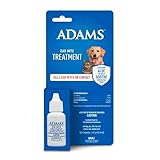
- KILLS EAR MITES: Kills ear mites on contact and is suitable for dogs and cats 12 weeks and older.
- SOOTHES SKIN: ADAMS Ear Mite Treatment contains aloe and lanolin to help soothe irritated skin.
- USE DAILY: Use daily for 7-10 days and repeat treatment in two weeks if necessary.
- EASY-TO-USE: Applicator tube makes it easy to treat your cat or dog’s ears.
- 50 YEARS OF RESULTS: Since 1975, the people who bring you ADAMS have helped owners confidently care for their pets, ensuring they live happy and healthy lives. Complete your flea and tick control system with ADAMS pet, home and yard products.
How a veterinarian finds the cause
- History and full examination: The veterinarian asks about onset, outdoor exposure, other animals in the home, previous ear disease, allergies, and treatments already used, then examines both ears and the rest of the skin.
- Otoscopy: An otoscope allows inspection of the canal and eardrum and may reveal inflammation, a foreign body, obstruction, or a mass. A painful or blocked ear may require sedation for a safe, complete examination.
- Microscopic testing: Material from an ear swab can be examined for mites, bacteria, and yeast. Skin scrapings or other samples may be used when mange or another skin disease is suspected.
- Imaging when disease is deeper or complicated: CT or MRI may be recommended for chronic, severe, obstructive, or neurologic cases, including suspected middle- or inner-ear disease or a polyp.
These steps matter because ear drops that are appropriate for one diagnosis may not treat another and may be unsafe if the eardrum is damaged.
Treatment depends on the diagnosis
| Finding | Veterinary treatment approach |
|---|---|
| Mites | Mite-killing medication selected for the cat; exposed household animals and bedding may also need attention under veterinary direction. |
| Bacterial or yeast otitis externa | Prescribed antibacterial or antifungal therapy, often with treatment of the underlying trigger such as allergy or parasites. |
| Allergic skin disease | Control of the ear inflammation and a plan to investigate and manage environmental or food-related triggers. |
| Insect bites or other dermatoses | Management of the identified skin disease and the exposure or parasite involved. |
| Foreign body or irritant | Safe removal and treatment of injury or secondary infection; never attempt deep removal at home. |
| Inflammatory polyp or middle/inner-ear disease | Cause-specific medical or procedural treatment, with imaging and removal of an obstructive lesion when indicated. |
| Aural hematoma | Aspiration or surgical drainage when indicated, plus treatment of the itch, infection, parasite, or other problem that caused the scratching. |
Use medication exactly as prescribed and do not substitute human ear products, leftover drops, oils, or another pet’s treatment. The correct drug, dose, duration, and cleaning method depend on the diagnosis and the condition of the eardrum.
Safe care while you arrange help
- Observe the cat in good light and photograph visible changes without manipulating the canal.
- Keep the cat from further self-trauma only with a method a veterinarian has advised as suitable for that individual cat.
- Arrange professional assessment rather than waiting for dark debris or scratching to resolve on its own.
- Do not insert cotton swabs, tweezers, oils, or unprescribed ear drops into the canal.
- Do not flush an ear that is painful, blocked, or possibly has a damaged eardrum.
Routine visual inspection can help you notice swelling, discharge, discoloration, or debris early. Inspection should remain external: persistently itchy ears should not be probed in an attempt to find the cause.
Preventing repeat problems
Prevention starts with identifying the original trigger rather than repeatedly treating the symptom. If mites are diagnosed, follow the veterinarian’s instructions for every in-contact animal and any bedding or household measures. If allergy, recurrent infection, or a skin disorder is involved, ongoing management may be needed to keep the ear from becoming inflamed again.





Leave a Reply