
Some links on this page are affiliate links: if you buy through them we may earn a commission, at no extra cost to you.
A cat’s bald patch, scabs, rash, or persistent licking is a sign—not a diagnosis. Fleas, mites, ringworm, allergies, infections, wounds, sun damage, and less common diseases can produce similar-looking skin changes. Cats also tend to hide itching by quietly licking or biting their coat rather than scratching in an obvious way.
The safest approach is to identify the pattern, check for warning signs, and have a veterinarian confirm the cause before applying medication. A photograph can help you track changes, but it cannot reliably distinguish ringworm from allergy, parasites, or infection.
As an Amazon Associate I earn from qualifying purchases.
Common signs of skin disease in cats
Watch for changes in the skin, coat, ears, claws, and grooming behavior. Possible signs include:
- Frequent licking, chewing, biting, or rubbing
- Hair loss or broken hairs
- Scabs, crusts, dandruff, redness, or scaling
- Blackheads or inflamed spots on the chin and lips
- Bumps, pustules, sores, swelling, or draining wounds
- Bad odor or greasy skin
- Head shaking, ear scratching, or swollen ear flaps
- Slow-healing sores on the nose, eyelids, or lightly pigmented ear tips
Itching is called pruritus. A cat may show it through overgrooming, creating smooth bald areas without obvious scratches. Repeated licking and biting can damage the skin, allowing a secondary bacterial or yeast infection to develop. That creates a cycle: the original problem causes itching, self-trauma worsens the skin, and the damaged skin becomes even more uncomfortable.
Popular on Amazon

- High-Quality Flea Comb: Higher grade metal for the teeth, making them stronger than the previous version. Rubber-sheathed handle, increases the comfortableness of holding the comb/dog comb when combing your pet
- Health Profits: Use this dense fine tooth lice comb and brush your pet regularly can effectively remove small objects and dandruff flakes to keep your pet healthy and well groomed. It also helps monitor the condition of your pet’s skin and coat
- Anti-slip handle grip: You don't have to worry about being too cautious when using our pet hair combs for cats, dogs & other small animals. It has been enhanced with a non-slip handle to help avoid accidents
- Widely use: Use for Bunnies, Horses, Puppies, Kitties, Specially designed to work for cats and dogs with all coat type
- Recommendation: Please clear all matted fur before using this lice comb. This flea comb for dogs might get damaged if used in heavily matted fur. We recommend this comb to be used on cats, dogs, and any other equivalent size animals
Cat skin conditions and the patterns they can cause
The location and appearance of a lesion can suggest possibilities, but they do not prove the cause. Several disorders can look alike, and some cats have more than one problem at the same time.
| Condition | Common clues | Important point |
|---|---|---|
| Fleas or flea-allergy dermatitis | Tiny crusted bumps, scabs, hair loss, and overgrooming around the head, neck, back, tail base, groin, abdomen, or thighs | Not seeing fleas does not rule it out |
| Ringworm | Broken hairs, scaling, crusting, dandruff, or circular or irregular hairless patches, often on the face, ears, feet, or tail | It is a contagious fungal infection, not a worm |
| Mites | Severe itching, crusts, redness, hair loss, head shaking, or irritation around the ears, head, and neck | Many types spread between animals and can be hard to find |
| Allergy | Persistent head-and-neck itching, overgrooming, recurrent skin inflammation, or occasional digestive signs | Triggers include fleas, food, and environmental allergens |
| Bacterial or yeast infection | Crusts, scaling, odor, open sores, hair loss, bloody crusts, or draining lesions | Often develops secondarily rather than being the original disease |
| Abscess or bite wound | A painful, hot swelling that may rupture and release pus | A tiny puncture can seal over while infection develops underneath |
| Chin acne | Blackheads, crusts, swelling, or inflammation on the chin and lips | It can become infected and resemble other disorders |
| Sun-related disease | Redness, scaling, crusting, hair loss, or persistent sores on pale ears, the nose, or eyelids | Chronic damage can progress to squamous cell carcinoma |
Fleas and flea-allergy dermatitis
Flea allergy dermatitis is an allergic response to proteins in flea saliva. A sensitive cat may develop intense itching and miliary dermatitis—the veterinary term for numerous tiny, crusted bumps—even after only a few bites. The bumps may be easier to feel by running your hand gently over the coat than to see.
Free tools Windows power users keep installed
One-click scans. No signup required.
Cats groom efficiently, so they may remove every visible flea before you inspect them. An indoor-only cat can still pick up fleas brought inside by people, other animals, or contaminated items. Fleas can survive year-round in a warm home.
Control usually involves an appropriate cat-labeled product for the affected cat, attention to other household pets as advised by a veterinarian, washing bedding, and thorough vacuuming. One treatment does not necessarily remove every flea stage immediately; the household infestation may take time to resolve.
Ringworm
Ringworm is a fungal infection that can cause circular or uneven hair loss, broken hairs, scaling, crusts, inflamed skin, or infected claws. The face, ear tips, feet, and tail are common sites, but the appearance varies. It can be transmitted to people and other animals, and fungal spores may persist in the environment for months.
Do not assume that every bald, scaly circle is ringworm. A veterinarian may use a Wood’s lamp, examine hairs or skin under a microscope, and send samples for fungal culture. A Wood’s-lamp finding alone is not always conclusive, while a culture can take up to three weeks.
Also popular on Amazon

- Packing list:Long handle comb x1, Double sided flea comb x1, long needle comb x1, short needle comb x1,Double-sided tear stain removal combx1,Multifunctional to meet your different needs.
- Material: Each comb adopts round teeth and made of high quality stainless steels and durable anti-slip plastic handle,which are rustproof,sturdy and durabl.
- Versatile Applications: Easily removes fleas, flea eggs, lice, scabs, mucus, floating hair, tangles, hair stains, hair removal,Dematting Tool for Small, Medium & Large Pets.
- humanized design: Every comb tooth is finely polished, won’t scratch your pets’ skin while.
- Suitable for most Pets: comb are suitable for most pets such as dogs, cats, chihuahuas and so on and other furry pets.
Treatment may include topical antifungal therapy, medicated rinses or shampoos, and oral medication for widespread disease. Environmental cleaning and hygiene are part of treatment. Ask your veterinarian how to limit contact with other pets and vulnerable people while testing or treatment is underway.
Mites and mange
Mites can cause severe itching, redness, inflammation, crusting, hair loss, and head shaking. Notoedric mange often begins around the ears, head, and neck. Ear mites primarily affect the ear canals but may irritate nearby skin.
A skin scraping can miss mites, so a negative result does not always end the investigation. When the pattern is strongly suggestive, a veterinarian may recommend treatment while continuing to assess other causes. Because many mite infestations are contagious, bedding, grooming tools, and other animals may also need attention.
Allergies
Flea bites, food, and environmental allergens can all contribute to feline skin disease. Food allergy commonly causes itching around the head and neck; some cats also vomit or develop diarrhea. “Grain-free” food is not a diagnosis and is not a general treatment for skin allergy. The relevant issue is the particular ingredient or ingredients identified through a properly managed trial.
A food allergy is diagnosed with a strict veterinary elimination-diet trial, not a blood test or skin test. The trial can be invalidated by treats, table food, flavored medication, supplements, or access to another pet’s food. Follow the diet exactly for the period recommended by your veterinarian.
Infections, abscesses, and chin acne
Primary bacterial skin disease is relatively uncommon in cats. Bacteria or yeast more often take advantage of skin already damaged by fleas, allergies, mites, or another disorder. Cytology, culture, or other testing may be needed before selecting treatment.
Also popular on Amazon

- 1. Get rid of fleas and lice easily: Our high-quality flea comb is specially designed to effectively remove fleas, lice eggs, and ticks from your pets, promoting a healthy and parasite-free coat. No more annoying itching and scratching!
- 2. Gentle and safe for your pets: Made from premium plastic material, our comb features balanced teeth and rounded tips to protect your pet's scalp and hair from discomfort or pulling. It also stimulates blood circulation and keeps their hair healthy and shiny.
- 3. Versatile grooming tool: Not only does our pet brush eliminate loose fur, tangles, knots, and dandruff, but it also helps prevent fleas, flakiness, and spots. Suitable for all types of pets with different fur textures, keeping them looking their best.
- 4. Convenient on-the-go grooming: Whether you're on a short or long trip, our compact and portable flea comb is the travel companion. Its ultra-fine teeth and lightweight design easily fit into backpacks, carry-on luggage, gym bags, or purses to keep your pet clean and groomed on the go.
- 5. Long-lasting durability: Crafted from high-quality plastic, our combs are built to withstand regular use without scratching your pet's skin. Its sturdy construction ensures years of reliable and effective grooming for your furry friends.
An abscess is usually painful and swollen and may feel warm. Outdoor cats and cats that fight are at increased risk of bite-wound abscesses. A puncture may be nearly invisible at first, then swell or rupture days later. Fever, lethargy, reduced appetite, pain, or drainage calls for veterinary attention.
Chin acne produces blackheads and crusting on the chin or lips. Do not squeeze the lesions or use human acne products. A cat can ingest topical products while grooming, and inflamed acne may need veterinary treatment for secondary infection.
Recommended Free Tools
Sun-related skin damage
White and light-colored cats, especially those with pale ear tips or noses, are more vulnerable to sun-related dermatitis. Redness, scaling, crusts, hair loss, and sores that do not heal normally should not be repeatedly treated at home. Persistent lesions on the ear tips, nose, or eyelids need examination because chronic sun damage can lead to squamous cell carcinoma.
How a veterinarian finds the cause
A useful appointment starts with a complete history. Tell the veterinarian:
- Whether the cat goes outdoors or lives with other animals
- What flea and parasite prevention is used, including the product and date
- When the problem began and whether it changes with the season
- What the cat eats, including treats and flavored medications
- Any new litter, cleaners, bedding, grooming products, or medications
- Whether another animal or person in the household has skin lesions
- Whether the cat is itchy, painful, lethargic, vomiting, or eating less
The examination may include the entire coat and skin, ears, claws, mouth, and lymph nodes. Depending on the findings, the veterinarian may perform:
- Flea combing: to look for fleas or flea dirt.
- Skin scrapings or hair examination: to investigate mites and other parasites.
- Cytology: to check for bacteria, yeast, and inflammatory cells.
- Fungal testing: such as hair examination, Wood’s-lamp evaluation, or culture when ringworm is suspected.
- A controlled diet trial: when food allergy is a possibility.
- Biopsy or additional tests: for unusual, recurrent, nonhealing, or potentially cancerous lesions.
This staged approach matters because treating the visible rash without treating its cause can lead to repeated flare-ups. For example, antibiotics will not solve a flea allergy, and an antifungal product will not cure mange.
What’s actually slowing this PC down?
Pick the symptom - the matching free tool is one click away.
Also popular on Amazon
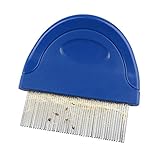
- FINE-TOOTH STAINLESS STEEL: Closely spaced stainless steel teeth, this dog and cat flea comb helps remove dirt, dander, and loose debris during regular grooming checks
- ROUNDED TEETH TIPS: Rounded-tip teeth comfortably glide through your pet’s coat with less pulling and scratching; helps keep cats and dogs more comfortable during face, body, and coat checks
- MULTI-USE PET GROOMING COMB: This dog flea comb can also be used carefully around the face to remove flea, dried tear debris, loose hair, and help loosen minor tangles on cats and for small & large short-haired dog breeds (including Beagles, Boston Terriers, German Shepherds, Retrievers and Rottweilers) and long-haired breeds
- SINGLE-ROW DETAIL FLEA COMB: The fine single-row design makes it easier to see what you are combing out; suitable for detailed grooming around eyes, ears, paws, eyebrows, and small tangled areas
- COMFORTABLE ERGONOMIC HANDLE: The slightly curved handle fits naturally in your palm during grooming; compact, lightweight design is easy to use at home, during travel, or for quick pet care checks
How cat skin conditions are treated
Treatment depends on the diagnosis and the cat’s age, weight, health history, pregnancy status, and other medications. The plan may involve:
- A cat-safe parasite-control program for fleas or mites
- Antifungal treatment and household hygiene for ringworm
- A strict elimination diet for suspected food allergy
- Veterinary-selected medication to control inflammation and itching
- Topical or systemic treatment for a confirmed bacterial or yeast infection
- Drainage and other care for an abscess
- Protection from further sun exposure and examination of suspicious lesions
Itch relief may be necessary, but suppressing itching alone can hide an ongoing infection or parasite infestation. Do not choose an antibiotic, steroid, antifungal, flea product, or dose based only on how a rash looks.
What not to put on a cat’s skin
Never use a dog flea product on a cat. Some dog products contain permethrin, which can cause life-threatening poisoning in cats. Use only a product labeled for cats and for the cat’s exact life stage and weight range.
Also avoid essential oils, concentrated “natural” flea remedies, human creams, and leftover prescription medication unless a veterinarian has specifically confirmed that they are safe. Cats groom treated areas and may swallow topical substances.
The Tool Desk
Outbyte PC Repair FREERepair Windows errors before they cause bigger problemsFix Now →Outbyte Driver Updater FREEScan for outdated or missing drivers - takes under a minuteDriver Scan →After a flea or tick product, drooling, vomiting, diarrhea, depression, wobbliness, poor coordination, tremors, or seizures requires immediate veterinary contact. Isoxazoline products are considered safe and effective for many cats, but neurologic adverse events have been reported in some animals; product selection should take the individual cat’s history into account.
Independent reader supportYour contribution helps us test, update, and keep practical guides available for everyone.When to call the veterinarian
Arrange prompt veterinary care for rapidly spreading redness, heat, swelling, pain, pus, foul odor, or draining wounds. Seek urgent advice for facial swelling, breathing difficulty, widespread hives, nonstop itching, extensive self-trauma, fever, marked lethargy, dehydration, weakness, pale gums, or refusal to eat.
Also popular on Amazon

- THOUGHTFUL SET: Our pet grooming comb set includes 4 combs, 1 tooth comb, 1 double sides lice comb, 1 long-needle & 1 short-needle comb to meet different needs. Perfect for straightening out the knotted tangles hair, as well as finishing and fluffing
- PREMIUM MATERIAL: The combs have high-quality stainless steel teeth tightly embedded in the ergonomic ABS grip. The double-sided comb is made of high-impact ABS, durable & corrosion-resistant, won’t rust or fade, withstands wear & tear in long term use
- ROUNDED EDGES: Every comb tooth is finely polished, won’t scratch pets’ skin, easily removing lice, flea, mess, mucus, stain etc. Ideal for combing soft fur nearby eyes, ears and fine hair of the legs. Let you and your pet enjoy this fun time together
- MULTIFUNCTIONAL & SAFE: Our rounded teeth would also support the pet health by boosting blood circulation, massaging skins, removing loose fur, undercoat, dander, knots, no matter long & short haired dogs, cats with thin & thick coats or sensitive skin
- SUITABLE FOR ALL COAT TYPES: One set of our combs is enough for EASY & EFFECTIVE grooming for rabbits, guinea pigs, ferrets. Regular use of this ergonomic dog comb can help reduce shedding, promote healthy skin & coat, easy to clean by just rinsing
Eye involvement, ear swelling, lesions inside the mouth, suspected poisoning, or a reaction after a topical insecticide also needs prompt attention. Have persistent crusts or sores on white ears, the nose, or eyelids examined. Suspected ringworm deserves timely veterinary guidance, particularly when children, older adults, immunocompromised people, or other pets share the home.
A practical first response at home
- Inspect gently. Note where the problem is located, whether the skin is painful, and whether there is swelling, odor, pus, or bleeding. Do not pick scabs or squeeze lumps.
- Take clear photographs. Photograph the same area in good light so you can show progression to the veterinarian.
- Prevent further self-trauma if advised. Ask the veterinary team about an appropriate collar or other safe barrier rather than improvising.
- Separate suspected contagious cases sensibly. If ringworm or mites are possible, limit contact with other pets and wash hands after handling while arranging veterinary advice.
- Review recent exposures. Record flea products, diet changes, new household products, outdoor access, and contact with other animals.
- Do not medicate by guesswork. A rash that looks mild can conceal an abscess, parasite, infection, or sun-related tumor.
FAQ
How can I tell what skin condition my cat has?
You usually cannot identify it reliably from appearance alone. Fleas, ringworm, mites, allergies, infections, and other diseases can cause overlapping signs. A veterinarian may need flea combing, skin scrapings, cytology, fungal testing, a diet trial, or biopsy.
Do these 3 things before closing this tab:
1Scan for outdated or missing drivers - takes under a minute2Repair Windows errors before they cause bigger problems3Fix the driver behind crashes, sound loss and screen glitchesCan an indoor cat get fleas or ringworm?
Yes. Fleas can enter on people, animals, or contaminated items and survive indoors. Ringworm spreads through infected animals, people, and persistent fungal spores in the environment.
Can I use human cream or a dog flea treatment on my cat?
Do not do so unless a veterinarian has confirmed that the product is safe and appropriate. Some dog flea products contain permethrin, which is dangerous to cats, and cats may ingest human creams while grooming.
When is a cat skin problem an emergency?
Seek urgent veterinary advice for breathing difficulty, facial swelling, widespread hives, suspected poisoning, seizures or tremors after a product, severe self-trauma, rapidly spreading painful swelling, draining wounds, marked lethargy, pale gums, or refusal to eat.
The Bottom Line
Cat skin conditions are best treated by cause, not by appearance. Fleas, mites, ringworm, allergies, infections, wounds, and sun damage need different solutions, and a cat may worsen the original problem through licking or biting. Arrange a veterinary examination for persistent or severe changes, use only cat-labeled products, and never apply dog flea treatments or unapproved home remedies.





Leave a Reply