
Cat sleeping positions can offer clues about warmth, comfort, security, and routine—but no pose has one fixed translation. A curled cat may be conserving heat or simply comfortable; a loaf may be relaxed or tense; a belly-up cat is not automatically asking for a tummy rub. The most useful interpretation combines the posture with loose or tight muscles, breathing, the surroundings, and what is normal for that individual cat.
Use the 13-position guide below as a picture-reading aid, not a diagnostic chart. A sudden or persistent change in sleeping habits matters more than whether a cat matches a familiar internet pose. If a change comes with breathing difficulty, poor appetite, hiding, reduced movement, or other illness signs, contact a veterinarian; open-mouth breathing or obvious difficulty breathing needs urgent attention.
As an Amazon Associate I earn from qualifying purchases.
How to interpret a cat’s sleeping position
Start with observation rather than a conclusion. Describe what the photograph actually shows: the cat’s limb and tail placement, whether the head is supported, whether the muscles look loose or braced, and whether breathing appears quiet and regular. Then consider the setting. A sunny windowsill, a cold room, a noisy shelter, a high perch, and a person’s lap each change the likely reason for choosing a spot.
Finally, compare the moment with the cat’s baseline. Is this how the cat usually rests? Is it eating, drinking, grooming, toileting, walking, and jumping normally? Cats Protection advises looking at the whole body and wider behavior rather than assigning a meaning to one pose. The American College of Veterinary Behaviorists (ACVB) gives the same contextual approach: When trying to interpret body language it is important to look at the whole animal and all signals given, then evaluate the situation, environment, and context, and finally determine whether or how to approach the cat.
This sentence comes from Sara L. Bennett, DVM, MS, DACVB, in the ACVB handout Behavior Tips: Basic feline body language (2014).
#1 Best Overall

- LUXURY COMFORT: The donut dog bed design with raised edges dog pillows provides head and neck support, while the round dog beds for small dogs provide ample security for your pet. The dog cat couch can give your small dog its own space and provide a more comfortable and stable sleep with an anti anxiety dog bed
- SIZE: This dog bed medium size dog soothing bed measures approximately 20 x 20 x 8, making it perfect for a 10 pound cat or snuggle puppy on a furry small dog bed
- WASHABLE DOG BED: The puppy bed is non removable and is recommended for hand washing to facilitate the care of the calming dog bed. If the machine is washed, throw the entire dog donut bed into the washing machine, choose a gentle cycle, and dry it at low temperature after washing
- HIGH QUALITY MATERIALS: The pet soothing plush dog bed is made of durable and soft plush fabric, reminiscent of a pet mother's embrace. The small dog bed donut interior is filled with ultra soft and environmentally friendly PP cotton, which is very suitable for cold winters
- WATERPROOF & ANTI-SLIP: This kitty beds for indoor cats have a waterproof and anti-slip bottom to ensure durability and stability, ensuring the safety of pets
The 13 examples here combine recognizable body postures with common sleeping locations. They are an editorial picture guide, not a scientifically fixed list of every feline sleeping style.
| What the picture shows | Possible everyday explanation | What to check next |
|---|---|---|
| Body tightly curled | Warmth, comfort, or preference | Whether muscles and breathing remain relaxed |
| Long side stretch | Comfort and easier heat release | Normal movement after waking |
| Paws tucked under (loaf) | Settled resting posture | Loose versus tense body language |
| Head lowered in a loaf | Individual resting habit | Breathing, tension, and changes from normal |
| Belly exposed | Possible relaxation | Whether the cat welcomes touch |
| Face covered | Blocking light or retaining warmth | Normal, comfortable behavior elsewhere |
| Twisted or unusual angle | Flexible, comfortable sleep | Ability to rise and move easily |
| On or beside a person | Warmth, comfort, or social closeness | The cat’s choice to stay or leave |
| Elevated furniture or appliance | Security and a broad view | Stability and fall hazards |
| Under a blanket | Warmth, quiet, or a covered refuge | Breathable bedding and the cat’s location |
| With another cat or dog | Warmth, companionship, or bonding | Voluntary, relaxed contact |
| Inside the litter box | Stress, lack of refuge, or a medical issue | Any sudden change and other symptoms |
| Eyes partly open | Normal light sleep in some cats | Eye health while awake |
13 cat sleeping positions and locations explained
1. Curled into a ball
Curling reduces exposed surface area and may help a cat conserve warmth. It can also simply be the position that feels most comfortable. A ball-shaped cat is not automatically frightened, anxious, or unwell. Look for the rest of the picture: loose facial muscles, steady breathing, and an easy stretch when the cat wakes support an ordinary nap. A tightly braced body, repeated repositioning, or a new preference for this posture deserves comparison with the cat’s usual behavior.
2. Stretched out on the side
Side sleeping is common and can be a comfortable way to rest. More body surface is exposed than in a curl, so the posture may also help release heat in a warm room. The position itself is not proof that a cat feels especially safe or especially overheated. Check whether the cat can get up smoothly and resumes normal movement afterward.
Rank #2

- Design Features: Love's cabin dog beds feature nest-like walls, round pet bed offers a safe, warm cozy place for small dog to snooze.In order to better maintain the shape of the donut nest,our interior filling is 25% more than most competition.
- Donut Cuddler Shape: The round dog bed allows pets to curl up while the raised rim creates a sense of security and provides head and neck support. Premium ultra-soft filling offers joint and muscle pain relief, is a great choice for elderly or sick dog pets. The 20 inch round pet bed is perfect for cat or puppy and other pets up to 11 lbs.
- High Quality Fabric: Our product is OEKO-TEX STANDARD 100 certified, ensuring a healthy living environment for dogs and cats! Made of premium quality cut pile fabric, stuffed with soft durable superior suede fabric, offers maximum comfort and warmth for your furry friends.
- Machine Washable: Easy wash and care, wash the entire bed on the gentle cycle with cold water and tumble dry in low heat.
- Non-slip Bottom: It features slip-resistant oxford bottom helps keep the bed in place on smooth surfaces, your pet can play and rest securely in the calming dog bed.
3. The relaxed loaf
A relaxed loaf is a familiar resting posture. The key distinction is muscle tone: shoulders and back look soft, the face is settled, and breathing is quiet. A loaf is not a universal “happy” signal, and a cat can choose it for convenience while remaining alert to the room.
4. Loaf with the head lowered
Some cats naturally rest with the head lowered. Head position alone cannot diagnose pain or illness. Concern rises when the whole body looks tense, breathing changes, the cat seems unable to settle, or this posture replaces normal sleep positions. Compare the cat’s appetite, activity, mobility, and behavior before deciding whether a veterinary call is needed.
5. On the back with the belly exposed
An exposed belly can occur during deep relaxation, but the meaning of an individual pose is difficult to know with certainty. It is not a guaranteed invitation to rub the abdomen. Many cats will grab, kick, or move away if that sensitive area is touched. Let the cat initiate contact and read the ears, tail, muscles, and response to your hand.
Rank #3

- Extra Soft: Indulge your pet in luxurious comfort with the plush sherpa surface, providing fluffy and ultra-cozy softness. It creates a cozy resting environment for your beloved companion to unwind and experience ultimate relaxation.
- Enhanced Comfort: The round bolster design promotes ultimate comfort and security, offering your pet a variety of cozy positions to snuggle. The cushioned bolster shape is deeply filled to support your pet’s head and neck for a more restful sleep.
- Premium Filling: Featuring an ultra-soft polyester fiber filling, this dog bed offers joint and muscle relief. And it can retain its shape and loft even after extended use, ensuring a consistently comfortable experience for your furry friend.
- Pet-Safe: This standard 100 by OEKO-TEX certified cat & dog bed creates a safe and comfortable space for your pet to relax and rejuvenate. The non-skid bottom adds stability, preventing slips and protecting your pet.
- Easy Care: With its removable pillow cushion, this dog bed is easy to maintain. Simply machine wash it entirely in cold water and on a gentle cycle for a like-new restoration.
6. Face covered by a paw or tail
Covering the face may block light, reduce drafts, conserve warmth, or simply feel comfortable. If the cat otherwise appears relaxed and healthy, this usually needs no special interpretation. Do not pull the paw or tail away just to see the eyes; disturbing a comfortable sleeper provides no useful diagnosis.
7. A twisted or awkward-looking pose
Cats are flexible and may sleep in shapes that look impossible to human observers. If the muscles are loose, breathing is normal, and the cat rises and walks easily, the pose is probably comfortable for that individual. Watch for inability to straighten up, stiffness, vocalization, or reluctance to move after waking rather than judging the geometry of the pose alone.
8. On or beside a person
A person provides body heat, a familiar smell, physical comfort, and sometimes social closeness. The choice does not prove one particular emotion, such as absolute trust, and some cats prefer to sleep near a person without being handled. Leave a clear route away so the cat can end the contact voluntarily.
Rank #4

- Private & Cozy: The enclosed bottom area provides a hidden space for cats, small dogs, and rabbits to sleep in, while the upper platform can be used as an all-purpose nap pad to look out the window, lounge, and unwind. Great for multi-cat households.
- Spacious Comfort: The cat hideout's bottom compartment measures 16.5 x 16.5 x 13", ensuring a spacious yet cozy den for cats of all ages. The top platform is larger than most brands, providing plenty of room for your cat to stretch out and get cozy.
- Pet Safe Design: Cat hideaway made from pet-friendly MDF materials with CARB Certification and soft lambswool fabric. This large cat house is equipped with a durable sisal scratching board and plush hanging ball to keep your cat engaged and happy.
- Sturdy & Stylish: Constructed with sturdy and lightweight MDF boards for added durability. The classic style works anywhere in the home, from the living room to your bedroom, an office, the garage, or wherever your pet needs a cozy cat cave. Surroundings of the cat houses & condos and the top cushion is made of lightweight and sturdy MDF boards. Cats under 20 Lbs can jump and play freely.
- Easy Care & Assembly: This cat cube for indoor cats can be quickly assembled or folded flat for easy storage and travel. Portable and lightweight. The removable cushions feature reversible, machine-washable covers that provide all-season comfort.
9. Perched on elevated furniture or an appliance
Elevated locations can offer security and a view of the room. PetMD describes high resting spots as appealing to cats that want to monitor their surroundings. Make the chosen area stable: a wobbly object, hot appliance, narrow ledge, or nearby cable creates a hazard even if the location is behaviorally attractive. A sturdy cat tree or elevated perch can provide a safer designated alternative.
10. Tucked under a blanket or cover
A covered space may supply warmth, quiet, security, or relief from household activity. Use breathable bedding that cannot trap the cat, and check where the cat is before sitting or lying down. If a cat that normally sleeps in open areas suddenly hides under covers for long periods, assess the other behavior changes rather than treating the blanket itself as the problem.
Recommended Free Tools
11. Sleeping with another cat or a dog
Shared sleep may reflect warmth, comfort, companionship, or an established bond. A photograph cannot establish a hierarchy or prove that both animals always get along. Look for voluntary contact and relaxed bodies. Separate resting resources and escape routes remain important, especially in homes with multiple pets.
Best Value
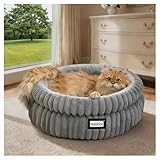
- Secure & Cozy: The cat bed features a higher supportive edge that offers excellent support for your pet's neck and head. It caters to pets who love to curl up, ensure your pet feels safe and snug.
- Non-shedding comfy fabric: This dog bed is made from non-shedding milk plush, helping to maintain a cleaner home, you won't have to worry about loose fibers creating extra mess. Your pet will feel incredibly warm and soft
- Anti-Slip Bottom: The round cat bed features a nonskid bottom, providing stability and preventing it from sliding. Whether it's on the tile floors or hardwood, this feature ensures your pet's safety and comfort.
- Easy Care: With the removable cushion, this kitten bed is easy to maintain. Simply machine wash it entirely in cold water and on a gentle cycle for a like-new restoration.
- Tips: Due to the compressed packaging, the cat bed may appear deformed upon unpacking. Please allow 48 hours for the bed to fully expand and return to its original shape.
12. Sleeping in the litter box
This is an unusual location and warrants attention when it begins unexpectedly. PetMD notes that medical problems can be involved, while stress, a shelter environment, or a lack of safe hiding places can also influence the behavior. Do not try to identify the disease from a picture. Contact a veterinarian, particularly if litter-box time is accompanied by straining, altered toileting, reduced appetite, hiding, or low activity.
13. Sleeping with the eyes partly open
Some cats sleep with their eyes partly or even fully open, and a third eyelid can be visible while they are asleep. Eye swelling, discharge, squinting, pawing at the eye, or a third eyelid that remains visible when the cat is awake calls for veterinary advice. Judge the eye when the cat is alert, not only in a sleep photograph.
Independent reader supportYour contribution helps us test, update, and keep practical guides available for everyone.When a sleeping change may signal illness
No single “sick cat sleeping position” confirms disease or pain. The warning pattern is a sudden or persistent change from the cat’s normal routine, especially when several signs appear together. Contact your veterinarian if a new sleeping habit accompanies:
Free tools Windows power users keep installed
One-click scans. No signup required.
- reduced appetite or a noticeable change in drinking;
- hiding, lethargy, or reduced interest in normal activities;
- reluctance to jump, walk, or move, or visible stiffness;
- changes in grooming, coat condition, or toileting;
- weight loss;
- altered breathing, unusual effort, or a changed resting rate.
Open-mouth breathing, obvious breathing difficulty, or severe respiratory effort requires urgent veterinary attention. Keep the cat as calm as possible while arranging help; do not delay because the cat is still lying in a familiar pose.
What to do after you notice an unusual pose
- Take a quiet look. Note muscle tension, head and limb placement, tail position, and whether breathing appears regular.
- Check the context. Record room temperature, noise, bedding, recent visitors, and whether the cat chose a new location.
- Compare with baseline. Ask whether this is genuinely new or simply a pose you have not photographed before.
- Observe the next activity. After waking, does the cat walk, jump, eat, drink, groom, and use the litter box normally?
- Document a persistent change. A dated photograph or short video can help a veterinarian see how the posture differs from normal.
- Protect comfort and safety. Provide a quiet, stable bed, a safe elevated option if desired, and an undisturbed path away from people or other animals. Never force a belly rub or pull a sleeping cat from a cover.
If your cat frequently curls into a ball and you want to support that preference, PetMD lists a donut-shaped or round bolster cat bed as an optional bedding style. A cat tree or elevated perch is another optional choice for cats that seek height. Neither item explains a health problem or replaces veterinary assessment.
The practical takeaway
Read a sleeping photograph as one observation in a larger story. Warmth, comfort, security, social contact, and personal preference can all produce familiar positions, while the same pose can look different when muscles are tense or behavior has changed. The reliable question is not “What does this pose always mean?” but “Is this normal for this cat, in this setting, with normal breathing and normal behavior?”
Quick Recap
Product prices and availability are accurate as of the date/time indicated and are subject to change. Any price and availability information displayed on Amazon at the time of purchase will apply.
Quick wins for a faster PC:
Scan for outdated or missing drivers - takes under a minuteDriver Scan →Clear out junk files and repair common Windows errorsFree Scan →




Leave a Reply