
Quick wins for a faster PC:
Fix the driver behind crashes, sound loss and screen glitchesFind Drivers →Clear out junk files and repair common Windows errorsFree Scan →Some links on this page are affiliate links: if you buy through them we may earn a commission, at no extra cost to you.
Do you need to give your cat supplements? Usually not. A healthy cat eating a nutritionally complete, balanced food made for its life stage generally gets the vitamins, minerals, amino acids and fatty acids it needs from that diet. Adding a supplement “just in case” can create nutrient excesses, side effects or drug interactions.
Supplements make sense when a veterinarian has identified a deficiency, a medical condition, or a diet that does not meet the cat’s requirements. The ingredient, product and amount should be chosen with that veterinarian; do not diagnose a deficiency from symptoms or copy a label dose.
As an Amazon Associate I earn from qualifying purchases.
Free tools Windows power users keep installed
One-click scans. No signup required.
Start with the food, not the supplement bottle
“Complete and balanced” is the key distinction. A food carrying that nutritional claim for the cat’s life stage is formulated to supply required nutrients when fed as directed. Cornell University’s Feline Health Center says supplements are usually unnecessary with a complete, balanced diet and warns that they can be harmful without veterinary approval.
That advice applies to routine vitamins, minerals, amino acids and herbal products alike. A senior cat, an indoor cat or a picky eater is not automatically deficient. Age, lifestyle or a glossy coat may prompt a conversation with a veterinarian, but they do not by themselves establish a need for a supplement.
Popular on Amazon

- Itchy Dog Skin Relief: Dull coats, scratching, shedding & flaky skin? Salmon oil for dogs is a made of omega 3 fish oil for dogs, providing itch relief for dogs and relief for dry skin & cat dandruff
- Simple Ingredients: Dog fish oil contains wild Alaskan salmon oil, pollock oil (omega 3 for dogs) and vitamin E, providing skin and coat defense for dogs and cats of all ages.
- Easy Daily Dosing: Pump this salmon oil for cats and dogs onto food every day: 1/4 tsp for 5-15 lbs (see label for more). Fish oil for cats and dogs is the perfect meal toppers for dogs and cats.
- Mealtime Topper Pets Love: Pump it over wet or dry food and watch them clean their bowls. Use it alone or with other dog meal toppers; as a cat food topper, adding omega 3 EPA DHA to every meal.
- Less Shedding, Softer Coat: Fur all over the couch and dry, flaky skin? This liquid fish oil dog toppers for dry food adds omega-3s from wild Alaskan salmon and pollock oil, cat stuff with healthy fats that support skin moisture and a silky coat.
Read the diet statement on every food the cat eats, including treats, toppers and homemade recipes. A food intended only for intermittent or supplemental feeding is not designed to be the sole diet. If a cat eats several products, the veterinarian needs the amounts and labels for all of them before deciding whether any nutrient is missing or excessive.
Cornell’s guidance is explicit: “Supplements can be harmful to your cat, and they should never be given without a veterinarian’s approval.” That is a safety instruction, not a claim that every supplement is useless.
The Tool Desk
Outbyte PC Repair FREERepair Windows errors before they cause bigger problemsFix Now →Outbyte Driver Updater FREEFix the driver behind crashes, sound loss and screen glitchesFind Drivers →Situations in which a veterinarian may recommend one
The decision should follow a defined indication. A veterinarian may use examination findings, the diet history, laboratory results and the cat’s diagnoses to decide whether supplementation is justified.
A diagnosed deficiency or disease-related need
Some illnesses, absorption problems or prolonged inadequate intake can leave a cat short of a particular nutrient. In that setting, supplementation is part of a treatment plan, with a specified product and monitoring. Giving a broad multivitamin without knowing the deficient nutrient can obscure the problem or add nutrients the cat already has in adequate amounts.
Also popular on Amazon

- 【15 in 1 Cat Multivitamin】 Rich natural cat supplement containing 15 important nutrients, such as glucosamine, Vitamin C, Vitamin D (Cholealciferol) and many others. Offers a unique and effective blend of cat supplements & vitamins, including 6 probiotics, glucosamine, promoting your pet's overall wellbeing.
- 【Cat Hip & Joint Support】Our cat vitamins multivitamin provides hip and joint support, helping to reduce inflammation & improve flexibility, enabling your cat to enjoy better mobility and a more active lifestyle.
- 【Cat Skin & Coat Health】The cat multivitamins and minerals are great for increasing mobility and flexibility, protecting cat joints health, providing relief in inflammation, skin & coat issues and better the digestive system of your furry friends!
- 【Cat Urinary Tract Support With Cranberry】Empower your cat with a natural pet infection UTI treatment that ensures urinary tract health. Our liquid cat vitamins drops, enriched with cranberry extract provide relief for pets with urinary infections. The cranberries serve as a deterrent to kidney stones and foster bladder health.
- 【15 in 1 Cat Multivitamin Supplement】 We put 15 cat vitamins together for all-round cat health balance. Liquid formula makes it more easy for small or senior cats. Shake well before use. It can be given directly to your cat orally, mixed with their food, or added to their water.
Taurine in a specific deficiency context
Cats require taurine, an amino acid involved in normal vision, heart function and other processes. High-quality commercial cat food formulated for the correct life stage normally supplies it. VCA Animal Hospitals states that a healthy cat eating such a food does not require additional taurine.
VCA describes taurine supplementation for taurine-deficiency diseases, health problems that affect intake or use, or diets that fail to provide enough taurine. This makes taurine a veterinarian-directed option for a defined problem, not a daily purchase for every cat. A product marketed as “cat taurine” does not establish that your cat needs it, and the label does not replace an assessment of the diet and diagnosis.
Do these 3 things before closing this tab:
1Fix the driver behind crashes, sound loss and screen glitches2Clear out junk files and repair common Windows errors3Scan for outdated or missing drivers - takes under a minuteHomemade diets, pregnancy and nursing
A recipe prepared at home can be nutritionally incomplete even when it contains fresh meat and appears wholesome. Calcium is one example: VCA notes that supplementation may be needed with some homemade diets and during pregnancy or nursing. The correct ration depends on the entire recipe, the cat’s life stage and health, so adding calcium to a complete commercial food—or guessing from a human supplement—is inappropriate.
Probiotics for a particular gastrointestinal situation
Probiotics are products intended to support or replenish microbial populations in certain circumstances. A veterinarian might consider one during a specific gastrointestinal problem or after another event that affects the gut. Evidence is limited and product quality varies, so probiotics are not a universal daily requirement. The appropriate organism, formulation and duration depend on the cat and the reason for use.
Also popular on Amazon

- FREEZE DRIED CHICKEN HEARTS CAT TREATS – SOFT, EASY TO EAT REWARDS, 0.8 OZ BAG: High protein, grain free cat treats made with single ingredient chicken heart in a semi-soft, cuttable format for cats of all ages
- HELPS ENTICE EVEN PICKY FELINES: Freeze dried cat treats preserve the aroma cats instinctively recognize, helping attract attention and encourage interest during treating
- USA MADE WITH U.S. AND GLOBALLY SOURCED INGREDIENTS: Made with high-quality animal proteins from trusted suppliers. Chicken cat treats with no fillers, artificial flavors, or colors for nutrition and quality you can trust as a pet parent. Great for picky eaters and cats with allergies
- MEAT-FIRST REWARDS FOR OBLIGATE CARNIVORES: Made with 100% chicken heart, these grain free cat treats deliver the protein-rich nutrition cats are naturally drawn to
- SEMI-SOFT TEXTURE FOR A MORE APPROACHABLE BITE: Gentle to eat, these soft cat treats are ideal for kittens, senior cats, and felines with sensitive teeth
Omega-3 fatty acids and other nutraceuticals
Veterinarians sometimes discuss omega-3 fatty acids, glucosamine or SAMe as adjuncts for particular patients. VCA emphasizes that evidence, risks and interactions differ by product and animal. These ingredients should therefore be treated as options within a diagnosis-specific plan, not as proven preventive care for all cats. A product can be reasonable for one cat and unsuitable for another with a different disease or medication list.
Why “more nutrients” can be harmful
Excess and toxicity
Vitamins and minerals have useful ranges; exceeding them can cause harm. Fat-soluble vitamins are stored in the body, and concentrated minerals can disturb normal physiology. Even a water-soluble nutrient is not automatically risk-free at high doses. The danger increases when a cat receives a complete food plus a multivitamin, fortified treats and a single-nutrient product without anyone totaling the intake.
Interactions with medicines and diagnoses
Supplements can change how medicines are absorbed or metabolized, affect bleeding risk or alter laboratory results. A product that is tolerated by a healthy cat may be unsuitable for a cat with kidney, liver, heart or gastrointestinal disease. Tell the veterinarian about every supplement, treat and medication, including products started recently or used only occasionally.
Unproven claims and uneven evidence
VCA notes that few supplements and herbs have undergone rigorous trials in animals. A testimonial, an appealing mechanism or a study in another species does not demonstrate a clinical benefit for your cat. Ask what outcome is expected, how soon it should be assessed and what would count as failure. If the goal cannot be measured, continuing indefinitely is difficult to justify.
Also popular on Amazon
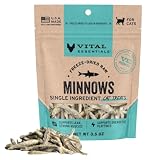
- FREEZE DRIED MINNOWS CAT TREATS – CRISPY, BITE SIZED REWARDS, 0.5 OZ BAG: High protein cat treats made with single ingredient minnows in a light, crispy format designed for cats of all ages
- HELPS ENTICE EVEN PICKY CATS: Freeze dried cat treats preserve the aroma cats instinctively recognize, helping turn even finicky felines into eager treat seekers
- USA MADE WITH U.S. AND GLOBALLY SOURCED INGREDIENTS: Made with high-quality animal proteins from trusted suppliers. Grain free cat treats with no fillers, artificial flavors, or colors for nutrition and quality you can trust as a pet parent. Great for picky eaters and cats with allergies
- AROMA AND FLAVOR CATS INSTINCTIVELY RECOGNIZE: Made with minnows, these high protein cat snacks deliver meat-first nutrition in every bite
- CRISPY CAT TREATS WORTH PURSUING: Freeze-dried minnows provide a satisfying texture that may help support dental health while making treating more rewarding and fun for cats of all ages
“Natural” is not a safety label
Plant extracts, oils and other natural ingredients can have pharmacologic effects, contaminants or dose-related toxicity. VCA’s guidance states: “Just because a product is natural does not mean that it is safe.” Keep essential oils and human herbal products away from cats unless a veterinarian specifically directs their use; cats can be unusually sensitive to some compounds.
How to decide safely: a practical appointment checklist
- Write down the complete diet. Include every main food, flavor, treat, topper and human-food share, with approximate daily amounts. Photograph labels so the veterinarian can see the nutritional statement and ingredients.
- State the goal in one sentence. For example: “I want help with recurrent diarrhea,” “The recipe is homemade,” or “Blood tests showed a deficiency.” A goal such as “general wellness” may not point to a specific product.
- Bring the medical and medication history. List diagnoses, recent laboratory results, prescription drugs, flea or parasite products and any supplement already being used. Mention changes in appetite, vomiting, stool, thirst, urination or weight, but do not interpret those signs as proof of a deficiency.
- Ask whether testing or a diet change comes first. Correcting the underlying diet or disease may be safer than adding a nutrient. A veterinarian can determine whether a deficiency is documented, plausible or unsupported.
- Review the exact product and amount. Confirm the active ingredient, amount per serving, serving size for this cat, carrier ingredients and intended duration. Never substitute a human product or another animal product because the names look similar.
- Agree on monitoring and a stop point. Ask which benefits, adverse effects or laboratory values should be tracked and when to recheck. Stop and call the clinic if the cat develops vomiting, diarrhea, marked lethargy, appetite loss or another unexpected change.
What the main supplement categories can—and cannot—tell you
| Ingredient or category | When a veterinarian might consider it | What the guidance establishes | Important limitation |
|---|---|---|---|
| Taurine | Documented taurine-deficiency disease, inadequate intake or a health problem affecting taurine status | Cats require taurine; healthy cats eating appropriate high-quality commercial food generally do not need extra taurine | Do not treat every healthy cat as deficient or choose a dose without veterinary direction |
| Probiotics | A defined gastrointestinal circumstance in which supporting microbial populations may be useful | Used to support or replenish microbial populations in certain situations | Evidence is limited, products differ and they are not a universal daily requirement |
| Omega-3 fatty acids | A diagnosis-specific plan in which the veterinarian believes the ingredient may help | Listed by VCA among nutraceutical examples used in veterinary care | Risk, evidence, formulation and interactions vary by patient and product |
| Glucosamine | A veterinarian-directed adjunct for a particular patient | Listed by VCA as an example of a nutraceutical | Do not infer proven benefit for every cat from its category or marketing |
| SAMe | A specific clinical plan chosen by the veterinarian | Listed by VCA among nutraceutical examples | Suitability and interactions must be assessed for the individual cat |
| Calcium | Some homemade diets or pregnancy and nursing situations | May be needed when the overall ration does not supply enough | Adding it to complete food can unbalance the diet; the recipe and amount require professional calculation |
How to evaluate a product after the veterinarian says yes
Product selection is part of safety. VCA advises checking more than the front-of-package promise because products may not contain the listed ingredients or consistent levels.
Outdated Drivers Are Slowing You Down
One free scan finds every outdated or missing driver and matches the right update for your exact hardware.Free scan · exact hardware matchWindows Errors? Fix Them Before They Spread
Repair common Windows errors and clear accumulated junk for a smoother, more stable PC - no reinstall needed.Free scan · no reinstall- Active ingredient and amount: Identify the substance and the quantity per tablet, capsule, powder measure or liquid volume. “Proprietary blend” wording can make the actual amount unclear.
- Complete ingredient list: Look for flavorings, sweeteners, oils, preservatives and other carrier ingredients that could matter for an allergic, diabetic or medically fragile cat.
- Manufacturer identity: The package should identify the company and provide usable contact information. Keep the lot number and expiration date.
- Quality-control information: Ask what testing is done for identity, purity and consistency. VCA identifies a prominent USP seal as an indication that contents have been evaluated for accuracy; that seal does not prove the product improves a clinical outcome.
- Species and formulation: Use a product intended for cats when one is prescribed. Human gummies, chewables and flavored liquids may contain ingredients unsuitable for cats.
In the United States, VCA explains that the Food and Drug Administration does not review non-drug health products such as nutraceuticals for safety or effectiveness before they are sold. That describes the category’s premarket status; it does not mean every product is unsafe or that manufacturers have no obligations. It does mean a buyer should not assume that a supplement has undergone the same premarket review as an approved drug.
Independent reader supportYour contribution helps us test, update, and keep practical guides available for everyone.Administration, storage and follow-up
Use the veterinarian’s written instructions rather than the broadest label serving. Give the product by the specified route and schedule, and do not double a dose after a missed one unless the clinic tells you to. If the cat refuses food containing the supplement, ask for another formulation instead of hiding an unknown amount in a full meal.
Also popular on Amazon
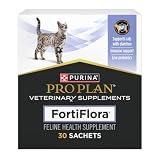
- Number 1 vet-recommended cat probiotic brand to support digestive health (online survey among all US vets who indicated brand as one of 1-3 brands recommended Q4 2025).
- For Cats of All Ages: Purina Pro Plan Sensitive stomach cat food supplement for the dietary management of kittens and adult cats with cat diarrhea.
- Proven Probiotics: Digestive Care Cat Food supplement containing probiotics proven to promote intestinal health and balance.
- Easy-to-Feed: Easy-to-Feed powder supplement includes cat immune system supporting antioxidants.
- Trusted Brand: FortiFlora digestive probiotics for cats are developed in collaboration with Purina nutritionists, researchers and veterinarians.
Store supplements securely and keep them in the original container. A spilled powder or dropped tablet can be attractive to pets; call a veterinarian or animal poison service promptly if an overdose may have occurred. Do not wait for symptoms to decide whether the amount was dangerous.
Track the start date, dose, appetite, stool, vomiting, energy, weight and the problem the supplement was meant to address. Bring that record and the container to follow-up visits. If the intended outcome does not appear within the agreed review period, the veterinarian may stop the product, change the plan or investigate another cause.
Common scenarios and the safer next step
“My cat eats only commercial food but looks tired.”
Fatigue has many possible causes and does not diagnose a vitamin deficiency. Arrange an examination rather than starting an energy supplement. The clinician can evaluate the diet, hydration, pain, infection, anemia, organ disease and other explanations.
“I feed a homemade recipe from the internet.”
Do not add isolated calcium, taurine or a multivitamin by guesswork. Have the entire recipe assessed by a veterinarian with nutrition expertise so the ration can be balanced for the cat’s life stage and medical needs.
“A friend’s cat improved on probiotics.”
Another cat’s response does not establish the cause of your cat’s signs or the identity and dose of a suitable product. Ask the veterinarian whether a probiotic trial fits the diagnosis, which formulation to use and when to reassess.
“The label says the product is natural and safe.”
Marketing language is not a risk assessment. Show the label to the veterinarian, verify active amounts and carriers, and check for interactions with every medicine and food your cat receives.
The bottom line for cat owners
Routine supplementation is not the default for a healthy cat eating complete, balanced food. A supplement earns a place when a veterinarian can explain the indication, select the ingredient and amount, and define how safety and success will be monitored. That approach protects against deficiency while avoiding the false reassurance—and real risks—of giving extra nutrients without a clinical reason.





Leave a Reply