Sporothrix brasiliensis is a fungus that can spread from infected cats to people, but “flesh-eating fungus” is a sensational nickname, not the medical name or a description of what usually happens. Sporotrichosis most often causes skin nodules or ulcers. A serious outbreak has expanded across parts of South America; reported imported cases elsewhere, including the United States, do not by themselves show that the fungus is spreading locally there.
What the fungus is—and why cats matter
Sporotrichosis is an infection caused by fungi in the genus Sporothrix. Several species can cause it. Many infections arise when the fungus in soil or plant material enters a break in the skin. S. brasiliensis is notable because it spreads among cats and can pass from an infected cat to a person.
As an Amazon Associate I earn from qualifying purchases.
In areas where cat-associated transmission is occurring, bites and scratches are common routes of infection. Fungus-containing fluid from skin lesions can also enter broken skin. A 2025 CDC report describes transmission through lesion fluid and says spread in droplets from a cat’s sneeze is probable; that route should be treated as less certain than bites, scratches and lesion contact.
Free tools Windows power users keep installed
One-click scans. No signup required.
This is not cat-scratch disease, which is a bacterial infection. The shared word “scratch” describes a possible route of exposure, not the same illness.
#1 Best Overall

- HELPS SUPPORT HEALTHY SKIN - With a wash and soaking of the coat for 5-10 minutes, our powerful ingredients work to help soothe red, scaly, greasy, or smelly skin that may cause your pet discomfort
- FAST ACTING – Works fast to soothe your pet's sensitive skin that may be affected by environmental stressors
- VET-RECOMMENDED – This pet shampoo is pH balanced for your pet's skin and is paraben and soap-free to promote overall skin and coat health without damaging detergents
- FOR DOGS AND CATS – Our cat and dog shampoo is intended for pets over 12 weeks of age. Use twice weekly until skin clears up, then once a week to help maintain skin health
- APPLICATION: This product is intended for topical use only. Read directions carefully before applying to your pet's coat. Test on a small area to avoid further sensitivity before using
Where it has spread—and what the numbers show
The established outbreak is in South America, particularly Brazil, with cat-transmitted disease also documented in neighboring countries. The figures below come from different types of reports and are not directly comparable: one is a regional summary, another a single-city hospital series, and another a small outbreak investigation.
| Evidence | What was reported | How to interpret it |
|---|---|---|
| World Health Organization fact sheet, 15 November 2023 | More than 11,000 human cases in affected South American areas, mainly Brazil, over the preceding 10 years. | A dated regional total; the fact sheet does not provide a common surveillance denominator for calculating an annual incidence rate. |
| CDC study of Curitiba, Brazil, published July 2023 | From 2011 to 2021, 0.3 to 21.4 cases per 100,000 outpatient visit-years. The retrospective series included 216 cases diagnosed at a tertiary referral hospital from 2011 through May 2022: 84 proven and 132 probable. Of these, 126 (58%) were diagnosed during 2019–2021. | A single-city hospital series, not a national rate. Its case count and outpatient-visit denominator describe that setting. |
| CDC report on Puerto Iguazú, Argentina, published May 2025 | Nine proven feline cases in seven households over seven months. | An outbreak observation from one location, not an estimate for Argentina as a whole. |
The 2023 Curitiba study reported that, by 2022, cat-transmitted sporotrichosis had been reported in 25 of Brazil’s 26 states and in Argentina, Chile and Paraguay. It also described a case in a UK veterinarian in 2022 linked to an imported cat. A CDC report published 18 August 2025 documented cases in Brazil, Argentina, Paraguay and Chile, as well as imported cases in the United Kingdom and United States. An imported case is not evidence, on its own, of ongoing community transmission in the country where it was diagnosed.
Rank #2
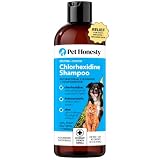
- A HEALING CLEAN : Yes, it’s shampoo for dogs! Yes, it’s shampoo for cats! And yes, it’s shampoo that cleans & heals! It soothes irritated skin, providing itch relief for cats, & dogs. An effective shampoo for dogs with allergies & cats, it promotes a shiny coat, reduces inflammation, & helps heal hot spots. This cat & dog antibacterial shampoo also reduces smelly odors associated with bacteria & fungus. Basically, our cat & dog shampoo for yeast & itching is 16 ounces of a better clean routine.
- FROM THE INSIDE OUT: Made with a veterinary strength formula, our shampoo for dogs with itchy skin & cats is made with soothing aloe & without sulfates, parabens, phthalates, alcohol, & artificial colors. Our shampoo with chlorhexidine & ketoconazole for dogs & cats is a gentle, safe & effective way to help heal skin issues while keeping your pet comfortable & clean.
- THE PET, PET WASH: You know our cat & dog shampoo for sensitive skin provides relief for itchy skin, soothes irritated & inflamed skin, targets smelly odors, & promotes a shiny coat. But did you know that’s it’s the #1 chlorhexidine shampoo on Amazon*? Don’t wait to give your pet the healing wash they deserve. *Based on Stackline Atlas data (had to combine all grooming & other pet health supplies to capture entire market*L52W as of December 2024
- ON THE RIGHT SCENT: Not only does our medicated dog shampoo for itchy skin soothe irritation, promote a health coat & leave your pet feeling fresh & clean, it also has a light cucumber melon scent that helps with unpleasant odors from fungus & bacteria.
- THE HONEST DIFFERENCE: Our products are made with clean, science-backed ingredients for results you can trust, & with no fillers, artificial preservatives, colors, or flavors, you'll have no doubt your dog is getting the best. Proudly supporting pets in need nationwide & using recycled plastic in our packaging, there's also no doubt that we're committed to doing our best. -- All products are made in the U.S.A. | NASC Member Company
For U.S. context, CDC’s 24 April 2024 basics page said spread of S. brasiliensis in the United States had not been reported to that date. The later reports of imported cases are a different finding; the cited information does not establish local U.S. spread or a general-population outbreak.
Quick wins for a faster PC:
Clear out junk files and repair common Windows errorsFree Scan →Scan for outdated or missing drivers - takes under a minuteDriver Scan →Repair Windows errors before they cause bigger problemsFix Now →What symptoms can look like
After the fungus enters through broken skin, a small, often painless bump may appear in 1 to 12 weeks, according to CDC. It can enlarge or become a slow-healing ulcer. Further nodules may develop along lymphatic vessels, sometimes extending up an arm or leg from the original wound. These signs have other possible causes, so they cannot confirm sporotrichosis on their own.
Rank #3

- Supports healthy skin for animals with conditions
- Helps prevent and treat fungal skin
- Can be used on cats, dogs and horses
Most disease affects the skin and tissue just beneath it. Less commonly, infection affects the eye or lungs, or spreads to bones, joints or the central nervous system. People with weakened immune systems are at particular risk of disseminated disease. Persistent or worsening lesions after contact with a sick cat warrant medical advice, especially if the person is immunocompromised.
What to do if a cat may be infected
For the person exposed
- After a bite, scratch or contact between lesion fluid and broken skin, wash the area and contact a healthcare professional promptly, particularly if a persistent bump or ulcer develops.
- Tell the clinician about the cat exposure and where it occurred. Do not try to diagnose the infection from a photograph or treat it with leftover medication.
For the cat
- Contact a veterinarian if a cat has suspicious skin lesions or may have been exposed in an affected area. A veterinarian can assess the animal and decide on testing and care.
- Avoid handling lesions directly. Brazil’s Ministry of Health advises owners and veterinarians to use personal protective equipment when handling sick animals; gloves and protective clothing reduce exposure but are not a guarantee.
- Do not abandon a suspected or sick cat. Early identification and veterinary treatment are recognized measures for limiting spread.
Veterinarians and people who care for or own cats in places where cat-transmitted sporotrichosis is spreading are among the groups CDC identifies as having greater exposure risk. The issue involves animal, human and environmental health, often described as a One Health concern.
Rank #4

- Miconazole shampoo offers soothing relief of symptoms of fungal infections
- Effectively aids in eliminating the scaling that is a by-product of seborrhea
- 2 Percent colloidal oatmeal locks in needed moisture while providing soothing relief
- Free from dyes and fragrances
- Available in 12-ounce size
How diagnosis and treatment work
Clinicians may use microscopy, examination of tissue (histopathology) and fungal culture to diagnose sporotrichosis; other testing can be appropriate depending on the suspected site and severity. Diagnosis matters because several conditions can produce similar-looking skin lesions.
The Tool Desk
Outbyte Driver Updater FREEFix the driver behind crashes, sound loss and screen glitchesFind Drivers →Outbyte PC Repair FREEClear out junk files and repair common Windows errorsFree Scan →Treatment is prescription antifungal care and may take months. WHO lists oral itraconazole or terbinafine for infection and intravenous amphotericin B for rare systemic forms. The right medicine and course depend on the patient and disease severity. Human medicines should not be given to a cat; feline diagnosis and treatment belong with a veterinarian.
Best Value
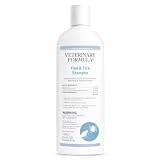
- MAXIMUM FLEA & TICK CONTROL – With up to 3x more active ingredients, this flea and tick shampoo is formulated with pyrethrum – a natural insecticide – to kill and control fleas and ticks on-contact, soothe irritated skin while cleansing & exfoliating
- WORKS FAST – Give your pet relief from symptoms including droppings/flea dirt in dog’s coat, allergic dermatitis, excessive scratching, licking or biting at skin, hair loss, tapeworms and pale gums. Follow directions on bottle for best results
- SOAP AND PARABEN FREE – This flea and tick shampoo for dogs and cats is paraben and soap-free. It contains no harsh soaps or damaging detergents, only the gentlest naturally derived cleansers specifically formulated for your pet’s skin
- FORMULATED FOR PETS – This pet shampoo is safe for dogs, cats, ferrets and horses 12 weeks & older. This pH balanced treatment is ideal for your dog’s skin as human shampoos are formulated at a lower pH level (more acidic)
- EFFECTIVE & AFFORDABLE – Veterinary Formula Clinical Care premium medicated products are created with veterinary-grade ingredients, available at an affordable price. We know dogs and cats are more than just pets because we are pet parents too
How to think about the risk
The reports describe a real and expanding regional outbreak, not a claim that ordinary contact with any cat is highly dangerous. Risk is most relevant where infected cats are present and when bites, scratches or lesion fluid expose broken skin. Geography matters: an imported case signals travel-associated detection, not necessarily local spread. If you live in or travel to an affected area, use veterinary advice for sick cats, avoid direct contact with lesions, and seek care for a persistent skin lesion after exposure.
Quick Recap
Product prices and availability are accurate as of the date/time indicated and are subject to change. Any price and availability information displayed on Amazon at the time of purchase will apply.




