
Do these 3 things before closing this tab:
1Scan for outdated or missing drivers - takes under a minute2Repair Windows errors before they cause bigger problems3Fix the driver behind crashes, sound loss and screen glitchesNo—catnip is not an established treatment for nausea in cats. The veterinary references available for this topic do not recommend it to settle an upset stomach, and the ASPCA reports that catnip can itself cause vomiting and diarrhea. If your cat seems nauseated, focus on identifying the cause and deciding how urgently a veterinarian should assess it rather than offering catnip.
Why catnip is the wrong remedy for nausea
Catnip is the plant Nepeta cataria. Its active compound, nepetalactone, can produce short-lived behavioral changes in cats, but that behavioral effect is not evidence that it calms the gastrointestinal tract. The ASPCA’s “Toxic and Non-toxic Plants: Catnip” entry lists vomiting and diarrhea among possible clinical signs and classifies catnip as toxic to cats. That classification describes the plant and its reported effects; it does not mean every exposure causes severe poisoning.
As an Amazon Associate I earn from qualifying purchases.
“Many cats love catnip, but it can cause vomiting and diarrhea.”
Crashes, No Sound, or Screen Glitches?
Random freezes, missing sound and display glitches usually trace back to one bad driver. Find and replace yours safely.Free scan · under a minutePC Slower Than It Used to Be?
A free scan shows the junk files, broken settings and background clutter dragging Windows down - then fixes them in one click.Free scan · Windows 10 & 11Special offer. See more information about Outbyte and uninstall instructions. Please review EULA and Privacy policy.
Some cats become sedated after exposure, while others become stimulated. Neither response demonstrates relief of nausea. There is no efficacy percentage, recommended dose, or veterinary treatment protocol establishing catnip as an anti-nausea remedy. Giving it to a cat that already feels sick can therefore add a potential irritant without addressing the underlying problem.
#1 Best Overall

- 100% Pure & Single Ingredient – Made with only catnip and nothing else. No fillers, no additives, responsibly sourced from trusted farms in the USA and Canada for clean, naturally aromatic freshness.
- Strong, Natural Aroma – Selected for potency and freshness, our catnip delivers an engaging scent that encourages play, rolling, scratching, and everyday enrichment with just a small sprinkle.
- Freshness You Can Smell – Packed in a resealable, light-blocking jar to help preserve natural oils and aroma, keeping catnip fresher longer than loose or bagged alternatives.
- Easy Daily Enrichment – Sprinkle on toys, scratchers, beds, or favorite spots to refresh interest, encourage active play, and reduce boredom—especially helpful for indoor cats.
- Veteran-Owned Small Business – Founded by Air Force veterans committed to quality, consistency, and supporting the cat community through partnerships with local rescues.
Do not use dried catnip, fresh plant material, catnip tea, infused treats, or concentrated products as a substitute for veterinary advice. The form and amount do not turn an unproven remedy into a proven treatment, and concentrated or mixed products may contain additional ingredients that complicate an assessment.
Nausea and vomiting are not the same thing
Nausea is a sensation or state that can occur before a cat actually brings anything up. Vomiting is the active expulsion of stomach or intestinal contents. A cat can look nauseated without vomiting, and a single episode of vomiting does not reveal the cause by itself.
Signs that may precede vomiting
VCA Animal Hospitals describes possible nausea signs such as restlessness or anxiety, lip licking, increased salivation, and repeated swallowing. Your cat may hide, change position frequently, or appear unable to settle. These signs are not specific to one disease, so they should be interpreted with appetite, energy, stool, urination, and any recent access to plants, medications, chemicals, string, or small objects.
What active vomiting can look like
Active vomiting commonly involves visible abdominal effort or heaving before material is expelled. Food coming back up can also occur through other processes, and the distinction matters to a veterinarian. If possible, note whether there was retching, how long after eating the event occurred, what the material looked like, and whether more than one episode happened. A short video can be useful if it does not delay care.
Rank #2

- Perfect Harmony: Experience our Ultimate Blend, a premium mix of Silver Vine and our signature all-natural catnip, guaranteed to delight your cat.
- American Quality: Proudly made in the USA, ensuring high-quality, safe playtime for your beloved pets. A perfect addition to enhance your indoor cat's playtime and toy collection.
- Dual Delight: Combines the euphoric effects of Silver Vine with the enticing aroma of catnip, perfect for cats who are typically indifferent to catnip alone.
- Rich in Natural Oils: Packed with essential oils and blooming with natural Nepetalactone, our catnip is fresh, powerful, and perfect for easing stress, promoting healthy exercise, and supporting your cat's mental health.
- CAPTIVATE YOUR CAT with aromatic From the Field Catnip. Fresh, potent and non-toxic, it gives your feline a euphoric feeling that may help ease stress and encourage exercise for overall well-being.
Why the distinction matters
Different problems can produce similar-looking episodes, including gastrointestinal disease, systemic illness, toxin exposure, or an obstruction. Treating “nausea” as a standalone condition with a household remedy risks delaying diagnosis. A clinician can decide whether the signs fit vomiting, another form of regurgitation, or a different problem entirely.
When a nauseated or vomiting cat needs veterinary care
Use the cat’s overall condition and the pattern of episodes, not catnip exposure alone, to judge urgency. The following signs warrant prompt veterinary contact; some require immediate care.
| What you observe | Why it matters | What to do |
|---|---|---|
| Vomiting with lethargy, weakness, fever, abdominal pain, diarrhea, dehydration, loss of appetite, or blood | These combinations can indicate illness that needs examination and supportive treatment. | Contact a veterinarian promptly; seek urgent care if the cat is deteriorating or cannot keep fluids down. |
| Possible foreign-object ingestion, such as string, ribbon, plastic, or a small toy | An obstruction can become life-threatening and cannot be ruled out by watching at home. | Call a veterinarian immediately and describe the object and timing. |
| Possible toxin or medication ingestion | Some toxic exposures worsen quickly, and inducing vomiting can cause additional injury. | Call a veterinarian immediately. Do not induce vomiting unless specifically instructed. |
| Vomiting more frequently than once per week | Cornell Feline Health Center advises evaluation at this frequency even when episodes seem separated. | Arrange a veterinary appointment rather than treating repeatedly at home. |
| An otherwise well cat that continues vomiting for more than one to two days | VCA advises veterinary contact when vomiting persists beyond this period. | Contact your veterinarian; do not extend watchful waiting because the cat still appears bright. |
An isolated episode in a cat that quickly returns to normal is not automatically an emergency, but recurrence, a change in appetite or behavior, or any warning sign changes the decision. If you are unsure whether the cat is dehydrated, painful, or unusually quiet, call the clinic and describe exactly what you see.
What to do after your cat has catnip or starts acting nauseated
- Stop the exposure. Remove catnip and any catnip-containing toy, treat, plant material, or spill. Keep the packaging or a sample so the veterinarian can identify the product and ingredients.
- Check the cat’s immediate condition. Look for breathing difficulty, collapse, marked weakness, repeated vomiting, blood, severe pain, or inability to keep water down. Those findings justify urgent care rather than home observation.
- Record the timeline. Write down when the cat encountered catnip, when signs began, how many times vomiting occurred, and whether food, water, stool, or urine changed. Include other possible exposures.
- Call for guidance when signs persist or recur. A veterinary team can tell you whether the cat should be seen immediately, the same day, or at a scheduled visit based on the history and current signs.
- Do not add remedies. Do not give human anti-nausea drugs, leftover prescriptions, supplements, oils, milk, or another dose of catnip unless a veterinarian specifically directs you. Do not induce vomiting after a suspected toxin exposure unless instructed.
Keep the cat in a quiet, safe area while arranging care. Avoid forcing food or fluids into a nauseated cat, because struggling can increase stress and aspiration risk. Follow the clinic’s instructions about feeding, water, and transport; those instructions may differ depending on the suspected cause.
Rank #3
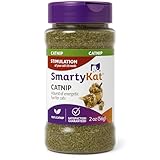
- Premium Natural Catnip for Cats. Made from 100% pure, dried North American catnip that delivers maximum potency and excitement for indoor cats of all ages.
- Irresistible Fun & Energy Boost. Promotes active play, exercise, and excitement while helping to relieve boredom and encourage healthy movement.
- Perfect for Toys & Scratchers. Refresh old toys, scratching posts, or cat condos with a sprinkle of SmartyKat catnip to reignite your cat’s interest.
- Resealable 2oz Canister. Convenient, air-tight packaging keeps your catnip fresh and potent for longer-lasting enjoyment.
- Safe & Veterinarian Approved. Crafted with quality ingredients and tested to meet child-safety standards, ensuring safe, worry-free fun for your feline friend.
How veterinarians approach feline nausea and vomiting
Nausea and vomiting are symptoms, not diagnoses. VCA and Cornell explain that treatment depends on the cause and may require a physical examination, history, laboratory testing, imaging, or other evaluation. The clinician will want to know the cat’s age, medical conditions, medications, diet, access to hazards, episode frequency, and associated signs.
Possible veterinary treatments
Depending on the diagnosis, a veterinarian may use a prescribed or recommended diet, an anti-nausea medication, stomach-support medication, fluids, or additional treatment aimed at the underlying disease. These are case-specific choices. An antiemetic that is appropriate for one cause may be unsuitable when an obstruction, toxin, or another condition is possible, so do not select or dose one yourself.
Why supportive care is not a substitute for diagnosis
Fluids or temporary dietary changes can help some cats, but they do not remove a foreign object, neutralize every toxin, or treat diseases outside the stomach and intestines. Improvement after a home measure also does not prove that the measure treated the cause. If episodes return, the cat needs reassessment even if a previous visit or short-term treatment helped.
The Tool Desk
Outbyte Driver Updater FREEFix the driver behind crashes, sound loss and screen glitchesFind Drivers →Outbyte PC Repair FREEClear out junk files and repair common Windows errorsFree Scan →What catnip actually does for cats
Catnip’s best-known effect is behavioral. VCA notes that responsiveness is genetically determined and estimates that approximately 50% of cats do not respond to catnip at all. Responsive cats may show a brief period of relaxation, excitement, or altered play behavior. The response usually passes quickly, but it concerns behavior rather than nausea, stomach emptying, hydration, or treatment of vomiting.
Rank #4

- 𝗣𝗢𝗣 𝗦𝗢𝗠𝗘 𝗣𝗢𝗣𝗖𝗢𝗥𝗡: because you’ll have a ring-side seat to the greatest show on earth. One hit from our cat crack gives cats a buzz that fuels a feline acrobatic frenzy.
- 𝗧𝗛𝗜𝗦 𝗖𝗥𝗔𝗖𝗞 𝗜𝗦𝗡'𝗧 𝗔𝗗𝗗𝗜𝗖𝗧𝗜𝗩𝗘: since it is Non-GMO and 100% natural. Cat Crack is made cleanly and reliably in North America with fair labor standards.
- 𝗪𝗘'𝗩𝗘 𝗚𝗢𝗧 𝗧𝗛𝗘 𝗚𝗢𝗢𝗗 𝗦𝗧𝗨𝗙𝗙: with a 78%+ Nepetalactone content. It’s the highest and most potent kitty dope commercially available.
- 𝗙𝗥𝗘𝗦𝗛 𝗔𝗦 𝗔 𝗗𝗜𝗠𝗘 𝗕𝗔𝗚: from climate controlled storage and sealed under the lid. Neighborhood cats are sure to appreciate this if being used for some under the hood gifts for cats.
- 𝗡𝗢𝗧 𝗝𝗨𝗦𝗧 𝗙𝗢𝗥 𝗣𝗟𝗔𝗬: Cat Crack can be used for cat training similar to regular cat treats and kitten treats. Introduce new cat accessories by sprinkling some Cat Crack on them. Optionally, Cat Crack can supplement a catnip ball or catnip spray.
A cat that appears relaxed after catnip may still be nauseated. Sedation can make subtle signs harder to notice, while stimulation can increase movement and stress. Neither outcome should be used to decide that the gastrointestinal problem is resolved.
Independent reader supportYour contribution helps us test, update, and keep practical guides available for everyone.Common questions about catnip and an upset stomach
Can I give a tiny amount to see whether it helps?
There is no established therapeutic amount for feline nausea, so a “tiny” dose is not a medically defined trial. Because the ASPCA reports vomiting and diarrhea as possible signs, deliberately testing catnip can worsen or confuse the situation. Contact a veterinarian instead.
My cat vomited after catnip. Is catnip definitely the cause?
Not necessarily. The timing makes catnip a possible contributor, but vomiting has many causes. Tell the veterinarian about the exposure, the product, the amount if known, and every other recent change. Do not assume that removing catnip alone has solved the problem.
Recommended Free Tools
Is catnip toxic even if my cat has used it before?
The ASPCA classifies catnip as toxic and lists vomiting and diarrhea among reported clinical signs. A previous uneventful exposure does not guarantee that a future exposure will be harmless, particularly if the product, amount, or the cat’s health has changed.
Best Value

- Made with only the best parts of the catnip plant, our Zoom Around the Room Oraganic Catnip contains only the leaf & flower
- Zoom on, little floor muffins! This fantastic catnip can be added to your kitty's favorite toy or just given to them as a treat
- Keep it fresh! This organic catnip comes in a zip-sealed plastic bag for a longer shelf life
- Revive old cat toys by rubbing a pinch of catnip right on the toy or simply shake toys in a bag with catnip to bring out that new scent; also works on scratching posts
- Bag contains 0.5 ounces of 100% organic catnip and safe for all cat life stages
Should I make my cat vomit after eating something dangerous?
No. Cornell’s guidance for suspected toxic ingestion is to call a veterinarian immediately and not induce vomiting unless specifically directed. Some substances can injure the mouth or esophagus on the way back up, and home methods can create additional danger.
When is vomiting “too much”?
Cornell advises evaluation when vomiting occurs more than once per week or occurs with signs such as lethargy, weakness, decreased appetite, blood, increased thirst, changed urination, or simultaneous diarrhea. VCA advises contacting a veterinarian when an otherwise well cat continues vomiting for more than one to two days. Any suspected toxin, foreign object, severe pain, dehydration, or rapid decline moves the situation into urgent territory sooner.
A practical decision checklist
- No vomiting and no warning signs: Do not offer catnip as prevention or treatment. Remove access if it triggered concern and monitor normal eating, drinking, energy, stool, and urination.
- Nausea-like behavior without vomiting: Record the signs and contact a veterinarian if they persist, recur, or accompany appetite loss, pain, diarrhea, or unusual quietness.
- One brief vomiting episode with rapid recovery: Call your clinic for individualized advice, especially if the cat has a chronic condition or takes medication. Do not introduce catnip or other remedies.
- Repeated vomiting, blood, dehydration, severe weakness, pain, fever, toxin exposure, or a possible foreign object: Seek prompt or emergency veterinary care according to the severity and your clinic’s instructions.
The useful question is not “Which household remedy settles the stomach?” It is “What signs is my cat showing, how long have they lasted, and could a dangerous cause be present?” Catnip has no supported role in answering that question and can contribute to vomiting or diarrhea. Veterinary assessment, when indicated by the pattern or warning signs, is the safer route.
Quick Recap
Product prices and availability are accurate as of the date/time indicated and are subject to change. Any price and availability information displayed on Amazon at the time of purchase will apply.





Leave a Reply