What’s actually slowing this PC down?
Pick the symptom - the matching free tool is one click away.
Blood when a cat sneezes can come from nasal irritation or injury, but it may also signal infection, a foreign object, dental disease, toxin exposure, a clotting problem, or another illness. Contact a veterinarian promptly for advice; seek emergency care if bleeding does not stop, breathing is difficult, or toxin exposure is possible.
Keep your cat calm, do not put anything into the nostrils, and do not give medication unless a veterinarian advises it. Blood during sneezing is a symptom, not a diagnosis, and its appearance alone cannot identify the cause.
Key takeaways
- Possible causes include trauma, infection, foreign material, dental disease, toxins that affect clotting, tumors, and systemic illness.
- Contact a veterinarian promptly after blood appears with sneezing.
- Keep your cat calm. If tolerated, a wrapped cold pack may be held gently on the bridge of the nose without obstructing breathing.
- Do not insert cotton swabs or other material into the nostrils, and do not give medication unless a veterinarian directs you.
- Bleeding that does not stop, difficulty breathing, or possible toxin exposure warrants emergency veterinary care.
Is a cat nosebleed an emergency?
Seek emergency veterinary care if bleeding does not stop, your cat has difficulty breathing, or toxin exposure is possible. Contact a veterinarian promptly for advice and an appointment if your cat sneezes blood or seems painful.
A small episode that stops does not identify or rule out the cause. Call your veterinarian and describe what happened rather than assuming it was a simple cold.
Free tools Windows power users keep installed
One-click scans. No signup required.
#1 Best Overall

- SECURE AND COZY DEN: The Petmate Two-Door portable dog crate provides easy access with top or front-loading doors, offering a safe and comfortable space for your pet's natural denning instincts
- AIRLINE-APPROVED: This small dog carrier airline approved meets most airline cargo specs. Ventilation holes provide fresh air and 360-degree visibility for your pet
- IDEAL FOR SMALL PETS: Designed as a puppy carrier for small dogs 0-15 lbs, the 24-inch crate offers room for pets to stand, turn, and lie comfortably; with space for a cushion to enhance comfort
- EASY ASSEMBLY AND MAINTENANCE: The plastic dog crate shell is simple to clean; a stay-dry moat directs fluids away from pets
- CONVENIENT: Featuring steel doors with easy-squeeze latches and a foldable handle, this USA-made pet carrier for dogs & cats provides a less stressful travel experience
A cat may swallow blood draining from the nose. Dark stool or vomit containing blood clots can occur after swallowed nasal blood; report these signs to the veterinarian rather than trying to determine the source at home.
What should you do when your cat sneezes blood?
While contacting a veterinarian, keep your cat calm and avoid disturbing the nasal passages.
- Keep your cat calm. Reduce noise and handling as much as possible.
- Keep material out of the nostrils. Do not insert cotton swabs, tissue, or other absorbent material into the nasal passages.
- Consider a wrapped cold pack. If your cat tolerates it and can breathe normally, hold a cold pack wrapped in cloth gently on the bridge of the nose. Stop if your cat becomes distressed, and do not obstruct the nostrils or mouth.
- Give no medication unless a veterinarian advises you to. VCA’s feline nosebleed guidance says, “Do not give your cat any medication unless your veterinarian advises you to do so.”
- Call a veterinarian promptly. Explain the bleeding and ask whether your cat needs an appointment or emergency care.
What information should you record for the veterinarian?
Note when the bleeding began, whether it has stopped or restarted, and any possible injury, toxin exposure, pain, or breathing difficulty. Photos of the discharge may help the veterinarian assess what happened.
Rank #2
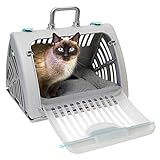
- DESIGNED SPECIFICALLY FOR CATS – PATENTED SIDE-OPENING DOOR - Original SportPet patented wide side-opening door allows cats to walk in naturally reducing fear, stress, and resistance. Ideal for anxious cats, vet visits, grooming, and everyday transport. Veterinarian recommended design for easier handling.
- HARD-SIDED CAT CARRIER WITH COMFORT BED INCLUDED - Includes 1 light gray hard-shell carrier with gray door plus an extra-comfy removable pet bed. Sturdy construction provides a safe, enclosed space cats prefer, while the soft bed adds comfort for travel or waiting rooms.
- TRAVEL-READY & VET VISIT ESSENTIAL - Perfect cat carrier for car travel, road trips, moving, and trips to the veterinarian. Smooth-closing secure door keeps pets safely contained while allowing fast, stress-free loading and unloading.
- EASY TO CLEAN & FOLD-FLAT STORAGE - Wide door opening makes cleaning quick after accidents. Carrier folds down flat for compact storage in closets, cabinets, or vehicles. Machine-washable & dryer-safe bed for hassle-free maintenance.
- IDEAL SIZE FOR LARGE CATS & SMALL PETS - Carrier dimensions: 18.5” L x 15.25” W x 14.25” H. Bed dimensions: 18” L x 13.75” W. Supports pets up to 25 lbs. Works great for large cats, small dogs, and small animals like rabbits, ferrets, and guinea pigs.
Why is my cat sneezing blood?
Blood with sneezing may be a nosebleed or blood-tinged nasal discharge. Possible causes include trauma, infection, a foreign object, dental disease, toxins that affect clotting, nasal tumors, and systemic illness. These are possibilities, not a diagnosis; a veterinarian must assess the individual cat.
| Possible cause | What may be relevant | What to do |
|---|---|---|
| Trauma or irritation | Recent injury or irritation may be part of the history. | Tell the veterinarian about any suspected injury and seek emergency care if bleeding does not stop or breathing is difficult. |
| Infection | Upper-respiratory and fungal infections are among the possible causes. | Contact a veterinarian; blood alone cannot establish that an infection is responsible. |
| Foreign object | A foreign object may irritate or injure the nasal passage. | Do not try to remove or flush anything from the nose; ask a veterinarian for advice. |
| Dental disease or nasal tumor | Both are among the possible causes of feline nosebleeds or bloody nasal discharge. | A veterinarian can examine your cat and decide whether further testing is needed. |
| Toxin exposure or systemic illness | Rodenticide exposure and conditions affecting clotting are possible concerns. | Possible toxin exposure warrants emergency veterinary care. |
VCA identifies trauma and infection as common causes of feline nosebleeds and also lists rodenticide exposure, liver failure, feline leukemia virus, feline immunodeficiency virus, and disseminated intravascular coagulation among other possibilities. PetMD also lists foreign objects, tumors, and dental disease. These lists are not a way to diagnose a cat at home.
Can a URI cause blood in a cat’s sneeze?
An upper-respiratory infection is one possible cause of sneezing and nasal discharge, which may be blood-tinged. However, blood does not prove that a respiratory infection is responsible. Contact a veterinarian, especially if your cat seems painful or has other concerning signs.
Rank #3
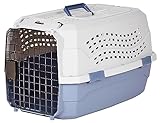
- Hard sided pet carrier with 2 doors for front and top entry; suitable for cat or medium size dog weighing 12 - 20 pounds
- Durable plastic construction with steel wire doors; screws keep the top and bottom sections securely connected
- Spring load latches ensure easy one-handed door opening and closing; top door swings open to the left or right and includes a top carry handle
- Plenty of air ventilation on the sides, top, and back of the carrier
- Note: Be sure to measure the size of the pet when choosing carrier size
When do persistent signs need more investigation?
Tell the veterinarian if bloody sneezing recurs or if nasal discharge persists. The history and examination can help the veterinarian decide whether additional testing is appropriate; a particular pattern does not establish a diagnosis by itself.
What will the veterinarian check?
The veterinarian will take a history and examine your cat, then choose any further tests based on the findings. Possible evaluations include blood or urine testing, imaging, rhinoscopy, biopsy, or nasal lavage. Not every cat needs every test.
How is bloody sneezing treated?
Treatment depends on the cause identified by the veterinarian. Do not give medication, flush the nose, or try to remove suspected material yourself. A veterinarian may recommend supportive care or further treatment after examination and, if needed, testing.
Rank #4
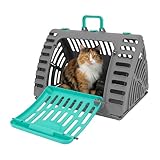
- DESIGNED SPECIFICALLY FOR CATS – PATENTED SIDE-OPENING DOOR - Original SportPet patented wide side-opening door allows cats to walk in naturally reducing fear, stress, and resistance. Ideal for anxious cats, vet visits, grooming, and everyday transport. Veterinarian recommended design for easier handling.
- HARD-SIDED CAT CARRIER - Includes 1 dark gray hard-shell carrier with teal door . Sturdy construction provides a safe, enclosed space cats prefer for travel or waiting rooms.
- TRAVEL-READY & VET VISIT ESSENTIAL - Perfect cat carrier for car travel, road trips, moving, and trips to the veterinarian. Smooth-closing secure door keeps pets safely contained while allowing fast, stress-free loading and unloading.
- EASY TO CLEAN & FOLD-FLAT STORAGE - Wide door opening makes cleaning quick after accidents. Carrier folds down flat for compact storage in closets, cabinets, or vehicles.
- IDEAL SIZE FOR LARGE CATS & SMALL PETS - Carrier dimensions: 23.13” L x 17.25” W x 18.75” H. Supports pets up to 35 lbs. Works great for large cats, small dogs, and small animals like rabbits, ferrets, and guinea pigs.
How should you transport a cat with a nosebleed?
Use a secure carrier for transport and call the veterinary clinic for advice. If your cat is having difficulty breathing or bleeding that will not stop, seek emergency care promptly and follow the clinic’s instructions.
Independent reader supportYour contribution helps us test, update, and keep practical guides available for everyone.When should you skip home observation?
Seek emergency veterinary care rather than waiting at home if:
- Bleeding does not stop.
- Your cat has difficulty breathing.
- Toxin exposure, including possible rodenticide exposure, is suspected.
Even if the bleeding stops, contact a veterinarian promptly for advice.
Crashes, No Sound, or Screen Glitches?
Random freezes, missing sound and display glitches usually trace back to one bad driver. Find and replace yours safely.Free scan · under a minuteWindows Errors? Fix Them Before They Spread
Repair common Windows errors and clear accumulated junk for a smoother, more stable PC - no reinstall needed.Free scan · no reinstallBest Value
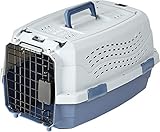
- Hard sided pet carrier with 2 doors for front and top entry; suitable for cat or extra-small dog breeds, such as chihuahuas and toy poodles (up to 11 pounds)
- Durable plastic construction with steel wire front door; screws keep the top and bottom sections securely connected
- Top door can swing open to the left or right for easy access and convenience
- Plenty of ventilation on sides, top, and back of the carrier
- Note: Be sure to measure the size of the pet when choosing carrier size
FAQ
What if my cat is sneezing blood but acting normal?
Contact a veterinarian promptly even if your cat seems normal and the bleeding has stopped. Seek emergency care if bleeding does not stop, breathing is difficult, or toxin exposure is possible.
Can an upper-respiratory infection cause blood in a cat’s sneeze?
An upper-respiratory infection is one possible cause, but blood does not prove that an infection is responsible. A veterinarian can assess your cat and advise whether testing or treatment is needed.
Is a cat nosebleed an emergency?
Seek emergency care if bleeding does not stop, your cat has difficulty breathing, or toxin exposure is possible. Otherwise, contact a veterinarian promptly for advice.
What should I do if my cat is sneezing blood after possible rat poison exposure?
Seek emergency veterinary care immediately if rodenticide exposure is possible. Do not wait for additional bleeding or give medication unless a veterinarian directs you.
The Bottom Line
Bottom line: Blood during a sneeze is a symptom with several possible causes, so contact a veterinarian promptly. Keep your cat calm, do not put anything into the nostrils, and do not give medication without veterinary direction. Bleeding that does not stop, breathing difficulty, or possible toxin exposure requires emergency care.
Quick Recap
Product prices and availability are accurate as of the date/time indicated and are subject to change. Any price and availability information displayed on Amazon at the time of purchase will apply.




