Red, swollen eyes with discharge or squinting usually point to conjunctivitis, which is inflammation of the conjunctiva, the thin tissue that lines the eyelids and covers the front of the eye. The term describes the inflammation, not its cause. Feline herpesvirus is a common trigger, but bacteria, irritants, foreign material, corneal injury, and other eye diseases can produce the same signs. That is why a veterinary eye examination comes before any treatment, and why the right treatment depends on what the exam finds.
What conjunctivitis looks like in a cat
The most common signs are:
- Redness or swelling of the conjunctiva, the pink tissue inside the eyelids
- Watering, or discharge that ranges from clear and watery to thick and yellow or green
- Frequent blinking or squinting
- Sensitivity to light
- A swollen third eyelid, which is the pale membrane in the inner corner of the eye. When it swells, it can partly cover the eye.
Sneezing or nasal discharge can appear alongside eye signs when an upper respiratory infection is involved. Because these signs overlap across many conditions, they cannot tell you the cause on their own.
Causes
Infectious causes
Cornell University’s College of Veterinary Medicine lists feline herpesvirus type 1 (FHV-1), feline calicivirus, Chlamydophila felis (older references use Chlamydia felis), and Mycoplasma among frequent infectious causes. Viral infections can also be complicated by secondary bacterial infection, according to VCA Animal Hospitals, so a cat may have more than one problem at once.
Noninfectious and secondary causes
- Dust and chemical irritants
- Allergens
- Foreign material under an eyelid
- Entropion, where the eyelid rolls inward so the hair rubs the eye
- Corneal injury or corneal ulcer
- Dry eye
- Glaucoma and uveitis, which are serious inflammatory or pressure conditions inside or around the eye
- Eyelid or ocular tumors
Treat eye redness in one eye with the same seriousness as redness in both. The MSD Veterinary Manual notes that infectious disease, foreign material, and other local problems can all begin in just one eye, so a one-eye presentation does not identify the cause.
Outdated Drivers Are Slowing You Down
One free scan finds every outdated or missing driver and matches the right update for your exact hardware.Free scan · exact hardware matchWindows Errors? Fix Them Before They Spread
Repair common Windows errors and clear accumulated junk for a smoother, more stable PC - no reinstall needed.Free scan · no reinstall#1 Best Overall
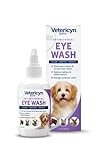
- SOOTHE PET'S IRRITATED EYES: Vetericyn Plus Eye Wash works to effectively flush the pet's eye and provide relief from symptoms of pink eye and other eye irritations
- DAILY PET EYE CLEANING: Safe to use daily to reduce allergy symptoms and redness, and can even help clean and remove tear stains
- ANTIBIOTIC FREE & NON-TOXIC: Vetericyn Plus Eye Rinse is a cost-effective, safe, and pain-free alternative to antibiotics ointments or expensive eye drops that may cause your pet discomfort
- VETERINARIAN RECOMMENDED: An essential pet first aid product giving you the ability to care for your pets from the comfort of your own home
- TRUSTED BRAND: Vetericyn is a leader in at-home animal health products manufactured to help pet owners take the best care of their animals
Age, household setting, and latent infection
Cornell describes feline conjunctivitis as especially common in young animals and in multi-cat environments, where contagious infections spread more easily. Thomas Kern, DVM, associate professor of ophthalmology at Cornell’s College of Veterinary Medicine, puts it this way: “Although conjunctivitis can occur in older cats, this is an infection that occurs primarily in young animals.”
Herpesvirus does not always clear after the first infection. It can stay dormant in the body and reactivate, often in connection with stress or illness. Dr. Kern’s description of the pattern is that most affected cats eventually develop immunity and stop having episodes, while cats that carry the virus may have recurrences periodically, “just as cold sores appear from time to time in humans who carry it.”
Rank #2

- CAT EYE RINSE: Nutri-Vet Eye Rinse for Cats helps relieve irritated eyes caused by pollen, smog, and seasonal allergies; A must-have among cat stuff and cat products, it also helps prevent tear stains with quick, effective, and easy daily eye care
- FIGHTS IRRITATION: This cat eye rinse with Boric Acid helps relieve irritation caused by pollen, air pollution, and debris; A soothing solution for itchy eyes, it's a gentle yet powerful cat eye drop for cleansing and daily eye care
- NO MORE STAINED EYES: This cat eye stain remover eliminates existing stains and helps prevent new ones; A must-have in your cat supplies, cat health supplies, or emergency kit to keep your cat or kitten’s eyes clean, bright, and comfortable every day
- GENTLE YET EFFECTIVE: This eye cleaner for cats offers a soothing cleanse for irritation caused by dust, pollen, or mucus; A key addition to your cat supplies or emergency kit, it supports daily eye care with gentle, effective ingredients
- MADE IN THE USA: Crafted in the USA with globally sourced ingredients, this cat eye rinse meets NASC quality standards; veterinarian formulated to provide safe, gentle, and effective care for your cat’s eyes; Making our products a top kitten essential
When to see a veterinarian
Cornell advises veterinary care whenever a cat shows apparent eye discomfort together with discharge. Book an appointment promptly. Seek same-day care if the eye is held closed, the cat appears to be in marked pain, the swelling is severe, or an injury such as a scratch is possible. A corneal ulcer can threaten the eye, and it needs treatment that matches its depth and severity.
When you call or visit, tell the clinic how long the signs have lasted, whether one or both eyes are affected, whether the cat has sneezing or nasal discharge, whether there are other cats in the home, and whether the cat has recently been ill or under unusual stress. These details help the veterinarian narrow the list of causes.
Free tools Windows power users keep installed
One-click scans. No signup required.
Rank #3

- Soothe Pets Irritated Eyes: Gently cleanses and refreshes sensitive pet eyes while helping flush away debris, discharge, and irritants associated with redness, allergy, dry, cherry, pink eye, and conjunctivitis symptoms, without stinging or causing discomfort.
- Daily Cleaning & Tear Stain Removal: Safe for everyday use to remove crust, gunk, and unsightly tear stains around the eyes and face. This eye cleaner for dogs and cats maintains hygiene for kittens, puppies, and adult animals of all breeds.
- Antibiotic-Free & Non-Toxic Formula: Backed by science and powered by nature, our 3-ingredient solution uses Hypochlorous Acid. This antimicrobial eye rinse is a safe, pain-free alternative to expensive ointments or irritating medicated eye drops.
- Vet Strength Professional Formula: Recommended by veterinarians as an essential pet first aid product. Our pH-balanced, non-irritating eye infection treatment for dogs and cats allows you to provide professional-grade care from the comfort of home.
- Made in the USA – Produced under strict quality guidelines to ensure consistency, safety, and reliability for pets of all ages and breeds.
How the veterinarian diagnoses the cause
VCA’s diagnosis summary states that “diagnosis is based primarily on medical history and physical examination.” Depending on what the exam shows, a veterinarian may then use some of the following:
- Fluorescein corneal stain to detect ulcers or surface injury to the cornea.
- Tear production measurement to check for dry eye.
- Intraocular pressure measurement to screen for glaucoma.
- Conjunctival sampling or biopsy when an infection or growth needs to be examined directly.
- Tear-duct flushing when drainage problems are suspected.
- Blood testing when a systemic cause is possible.
- PCR testing for a suspected infectious agent. A herpesvirus PCR can help identify active infection, but results can be unhelpful when the virus is latent rather than actively shedding.
Treatment depends on the cause
Bacterial infection, suspected herpesvirus, corneal ulceration, foreign material, eyelid abnormalities, and other eye disease are not interchangeable situations, and they do not share one standard treatment. The table below shows how the cause shapes the approach.
Rank #4

- SAFE AND GENTLE, SAY GOODBYE TO IRRITATION: Our pet eye drops are designed specifically for cats and dogs with sensitive eye areas, using a non stinging formula and free of alcohol or irritating ingredients. Gentle and soothing, enhancing the care experience, making it easy for pets who are afraid of pain to accept
- EFFECTIVE INGREDIENTS, QUICK CLEANING AND SOOTHING: This cat and dog eye drops have a gentle daily formula that can effectively remove viscous secretions from the eyes of cats and dogs, rinse off eye dirt, tear stains, and dust, while soothing mild eye discomfort caused by allergies or dust, helping your beloved pet's eyes regain clarity and brightness, achieving a three in one effect of "cleaning+soothing+care"
- SAFE INGREDIENTS THAT CAN BE LICKED: The ingredients of this eye drops for dogs and cats are safe and harmless even if licked by pets. You don't need to worry too much about them accidentally eating after wiping with their paws, adding an extra layer of protection to the health of your beloved pets, especially suitable for cats and small dogs who like to "wash their faces"
- DAILY CARE IS MORE REASSURING: The pet eye wash formula specially formulated by pet doctors is very suitable for daily eye cleaning and care of cats and dogs. It is a safe, and non-irritating alternative to ointments or expensive eye drops that may cause your pet discomfort, making it an ideal choice for healthy pet eye care
- EASY TO APPLY AND EASILY INTEGRATED INTO DAILY CARE: Apply 3-4 times a day, only a few drops each time, and gently wipe with a cotton pad to complete the cleaning, suitable for daily use. Whether it's dealing with cats' tear stains or helping dogs clean their eye area after a walk, they can easily integrate into the daily care process. With just a few simple steps, they can help pets keep their eye area clean and comfortable
| Suspected cause | What the veterinarian checks | Treatment direction |
|---|---|---|
| Nonspecific or bacterial infection | Eye exam, stain, and sampling if indicated | VCA describes broad-spectrum topical medication for some nonspecific infectious presentations |
| Feline herpesvirus | History, exam, and PCR when useful | Specific antiviral or other treatment chosen for the diagnosis. There is no cure; care aims to reduce how severe and how often episodes occur, and to address eye damage or secondary disease. |
| Corneal ulcer or injury | Fluorescein stain | Treated as urgent, with ulcer-specific care chosen by the veterinarian |
| Foreign material or entropion | Eyelid and eye exam | The physical cause is addressed; the specific procedure depends on the finding |
| Dry eye | Tear production measurement | Treated as a tear-film problem, not as simple conjunctivitis |
| Glaucoma or uveitis | Intraocular pressure and wider eye exam | Managed as serious eye disease in its own right |
Using medication safely
- Follow the veterinarian’s instructions for the prescribed product and the full course.
- Do not restart eye medication left over from a previous episode without advice. It may be the wrong product for the current cause.
- Avoid generic eye products that may mask symptoms and delay the examination the cat needs.
L-lysine is not an established treatment
L-lysine is often suggested for feline herpesvirus. VCA states that evidence for reducing herpes-related conjunctivitis is limited, and that the stress of administration can worsen signs. MSD says results vary and that lysine is not first-line treatment. It should not replace veterinary care.
Independent reader supportYour contribution helps us test, update, and keep practical guides available for everyone.Why herpesvirus conjunctivitis tends to return
Cornell reports that up to 97% of cats are exposed to feline herpesvirus during their lives, and that the virus causes lifelong infection in up to 80% of exposed cats. These figures describe exposure and infection; they do not measure how many cats develop conjunctivitis.
Recommended Free Tools
Best Value

- HEALING AID AND SKIN REPAIR: Kickstart the healing process for typical ailments such as cat chin acne, mouth sores, and cuts
- DAILY CAT EYE AND EAR CARE: Apply the rinse a few times daily as a cat ear cleaner or as cat eye drops
- ALLERGY RELIEF FOR CATS: Provide soothing relief to itchy skin and other cat allergy symptoms
- NON-TOXIC SOLUTION: With no antibiotics, steroids, or alcohol, this pH-balanced solution is safe if licked and is used on cats at all life stages
- TRUSTED BRAND: Vetericyn is a leader in at-home animal health products manufactured to help cat owners take the best care of their pets.
VCA’s feline herpesvirus conjunctivitis overview, a page published around 2022, gives a narrower estimate for recurrence: fewer than 45% of adult cats with latent herpesvirus infection develop recurrent ocular disease, and about 80% of infected cats may become permanent carriers. Treat these as estimates from a single source rather than predictions for an individual cat. Many uncomplicated cases do improve, and the course depends on the diagnosis made at the exam.
Quick Recap
Product prices and availability are accurate as of the date/time indicated and are subject to change. Any price and availability information displayed on Amazon at the time of purchase will apply.




