Quick wins for a faster PC:
Scan for outdated or missing drivers - takes under a minuteDriver Scan →Clear out junk files and repair common Windows errorsFree Scan →“Protozoal infection” is an umbrella term, not one disease. The single-celled parasites that fall under it differ in how cats catch them, how much they make a cat sick, how a veterinarian confirms them, and how they are treated. Many infected cats show no obvious signs at all. When signs do appear, diarrhea, vomiting, poor appetite, and lethargy are common to many illnesses, so they cannot identify the parasite on their own. A veterinarian needs to test the cat, and treatment should follow a confirmed or strongly suspected diagnosis.
The protozoa that matter most in cats
The main protozoa that veterinarians discuss in cats are Giardia, coccidia (Isospora), Toxoplasma gondii, Cryptosporidium, and Tritrichomonas foetus. Cornell University College of Veterinary Medicine covers several of these in its feline and zoonotic parasite material. The table below compares them on the points owners most often need.
| Organism | Usual route to the cat | Typical signs | Main diagnostic approach | Relevance to people |
|---|---|---|---|---|
| Giardia | Swallowing cysts shed in feces, often from another infected animal | Often none; acute or chronic diarrhea can occur | Microscopic cyst identification, or detection of Giardia DNA or proteins; several samples may be needed | Transmission between cats and people is uncertain (Cornell) |
| Coccidia (Isospora) | Swallowing environmentally matured cysts; insects can also carry cysts | Adults often none; kittens may have mucousy diarrhea, vomiting, or reduced appetite | Microscopic detection of cysts in feces | Cornell states coccidia of cats do not cause disease in humans |
| Toxoplasma gondii | Eating infected prey or raw meat; oocysts in cat feces are a source for other animals and people | Most infected cats show no illness; clinical disease is more likely when immunity is suppressed | Clinical history plus laboratory tests, including IgG and IgM antibodies; tissue examination for definitive diagnosis | Cats are one possible source; food and soil exposure also matter |
| Cryptosporidium | Fecal contact | Diarrhea, vomiting, fever, abdominal cramps, and dehydration can occur (Cornell zoonotic overview) | Not detailed in the Cornell material reviewed for this article | Discussed by Cornell as a zoonotic protozoan |
| Tritrichomonas foetus | Fecal contact with infected cats | Chronic diarrhea is the sign most associated with this parasite | Specialized InPouch culture of fresh feces; ordinary fecal flotation is not equivalent | Not stated in the Cornell diagnostic material reviewed |
The practical point is that a diagnosis depends on which organism is suspected. A test that works for one parasite may miss another entirely.
How each parasite reaches a cat
Giardia
Cats acquire Giardia by ingesting cysts that were shed in feces, usually from another infected animal. Cornell reports that infection is more common in multi-cat households and catteries, and in cats under one year old. Most infected cats show no signs, but acute or chronic diarrhea can develop. Cornell gives an estimate of less than 5% prevalence in cats overall, with higher rates possible in some environments. That figure comes from Cornell’s gastrointestinal parasite page, updated June 2018, so treat it as a dated estimate rather than a current national count.
#1 Best Overall

- ✅ POWERFUL DAILY ORAL CLEANSE: Formulated with Wormwood & Black Walnut, this herbal supplement gently cleanses your pet’s body, supporting Digestive Antioxidant Support, and promotes overall intestinal wellness.
- ✅ DIGESTIVE HEALTH: Enhanced with probiotics to naturally encourage healthy digestion, balanced gut flora, and intestinal harmony. Daily use helps maintain optimal digestive function in pets of all ages, breeds, and sizes.
- ✅ VETERINARIAN-DEVELOPED: Expertly crafted by qualified veterinarians, ensuring safety, purity, and potency. Gentle enough for puppies and kittens as young as three weeks old, providing trusted care for pets.
- ✅ HASSLE-FREE LIQUID FORMULA: Forget pills or tablets—our convenient liquid drops offer accurate, weight-based dosing, eliminating the stress typically associated with traditional pet supplements.
- ✅ EASY DAILY ADMINISTRATION: Recommended dosage: pets under 10 lbs – ½ dropper, 10–20 lbs – 1 dropper, 20–35 lbs – 2 droppers, 35+ lbs – 3 droppers (1 dropper = 1 ml). The product can be given directly by mouth (slowly and gently) or mixed into food (do not mix with water). Use daily for up to 4 weeks, or as recommended by your veterinarian. Suitable for pets from 12 weeks old.
Giardia cysts resist freezing and municipal water chlorination. That is why environmental persistence matters for household control: cleaning alone may not clear a contaminated setting.
Coccidia (Isospora)
Cats usually become infected by swallowing the cyst stage passed in feces, which must mature in the environment before it is infectious. Insects can also carry cysts. Adult cats often have no clinical problem. Kittens are the group most likely to develop mucousy diarrhea, vomiting, or reduced appetite.
Toxoplasma gondii
Cats are the definitive hosts for Toxoplasma, and they usually become infected by eating infected prey or raw meat. A newly infected cat typically begins shedding oocysts three to 10 days after eating infected tissue, and continues shedding for roughly 10 to 14 days, according to Cornell’s toxoplasmosis article. Oocysts must spend time in the environment before they become infectious; Cornell’s toxoplasmosis article says at least 24 hours, and its intestinal parasite article describes about one to five days. Once in the environment, oocysts can survive for well over a year.
Most infected cats never become ill. Clinical toxoplasmosis is more likely in cats whose immune response is suppressed, including young kittens and cats infected with FeLV or FIV.
Recommended Free Tools
Rank #2
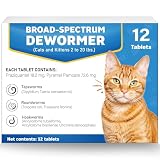
- Broad-Spectrum Dewormer for Dogs - (pyrantel pamoate/praziquantel) Tablets for Dogs (2 to 20 lbs)
Cryptosporidium and Tritrichomonas
Cryptosporidium appears in Cornell’s zoonotic overview of common protozoal infections. Spread is through fecal contact, and it can cause diarrhea, vomiting, fever, abdominal cramps, and dehydration.
Tritrichomonas foetus needs its own diagnostic plan. Cornell’s Animal Health Diagnostic Center explains that trichomonads do not form cysts and break down quickly once they leave the host. Feces for this organism must go into an appropriate InPouch culture system, rather than an ordinary sample container, when the parasite is suspected.
Symptoms and when to call the veterinarian
Signs differ by organism, but they overlap heavily with non-parasitic illness, so the list below is a set of reasons to seek assessment, not a way to name the parasite.
- Diarrhea that persists, recurs, or is severe, especially in kittens or in a cat from a multi-cat home
- Repeated vomiting, or vomiting combined with reduced appetite or weight loss
- Weakness, lethargy, or signs of dehydration
- Fever, breathing difficulty, or jaundice (yellowing of the gums, skin, or eyes)
- Eye inflammation, impaired coordination, behavior change, seizures, or other neurologic signs
The list reflects the disease signs described in Cornell’s material. It is general guidance rather than a formal triage protocol, and any cat showing breathing difficulty, seizures, or marked weakness should be seen promptly.
PC Slower Than It Used to Be?
A free scan shows the junk files, broken settings and background clutter dragging Windows down - then fixes them in one click.Free scan · Windows 10 & 11Crashes, No Sound, or Screen Glitches?
Random freezes, missing sound and display glitches usually trace back to one bad driver. Find and replace yours safely.Free scan · under a minuteRank #3
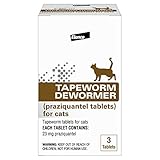
- 3-count bottle of tapeworm dewormer for cats
- Easy effective way to remove common tapeworms in cats
- Tablets may be crumbled and mixed with food or taken by mouth
- Tapeworm Dewormer for Cats will remove the common tapeworms, Dipylidium caninum and Taenia taeniaeformis, from cats and kittens
- For use in cats over 6 weeks of age
How veterinarians confirm a protozoal infection
A veterinarian chooses tests from the cat’s history, age, signs, household setting, and the organism suspected. A typical sequence looks like this:
- Take a history. Note the cat’s age, whether it has contact with other cats, whether it hunts or eats raw food, and when signs started.
- Collect the right sample. For Giardia, Cornell describes microscopic identification of cysts or detection of Giardia DNA or proteins, and notes that several samples may be needed because shedding is intermittent. For Tritrichomonas, the feces should go into an InPouch culture system; ordinary fecal flotation is not an equivalent test.
- Assess Toxoplasma with blood tests and the clinical picture. IgG and IgM antibody measurements are used, but a positive antibody result alone does not establish active disease, and fecal oocyst detection is unreliable because the organisms can resemble other parasites and shedding is brief.
- Consider tissue examination when needed. Cornell says a definitive toxoplasmosis diagnosis requires examining tissue for characteristic changes and tachyzoites.
One negative fecal sample does not rule out Giardia. Likewise, a positive Toxoplasma antibody result must be read against the cat’s signs and history, which is why the veterinarian interprets the results rather than the owner.
Treatment
Treatment depends on the organism and how sick the cat is. It is veterinarian-directed in every case. Over-the-counter dewormers and leftover antibiotics are not a substitute for a diagnosis, and they can delay care or hide the signs a vet needs to see.
Giardia
Cornell says effective medications are available for feline giardiasis, but resistance is common and household elimination can be difficult without thorough sanitation. Expect your veterinarian to pair medication with cleaning and litter management, and to consider retesting if signs continue.
Rank #4

- Broad-Spectrum Intestinal Care Support - Designed to support routine intestinal wellness, helps maintain balance for common intestinal worms, including tapeworms, roundworms, and hookworms, as part of a regular deworming care routine.
- Supports Digestive Health & Daily Vitality - Helps support normal digestive balance and overall wellness by promoting a healthy intestinal, helping cats maintain their active and comfortable lifestyle.
- Easy to Use - Each tablet provides a simple and consistent way to follow your cat’s daily care routine. Tablets can be given directly or mixed with food for flexible use based on your cat’s preferences
- Suitable for Cats at Different Life Stages - Designed for kittens and adult cats, making it a practical choice for multi-cat households, breeders, rescues, and pet owners who prioritize regular feline wellness care.
- Quality Formula for Everyday Cat Care - Made with carefully selected ingredients and quality standards, this cat wellness supplement provides dependable support for your cat’s routine health management and everyday care needs.
Toxoplasmosis in clinically ill cats
For cats with clinical toxoplasmosis, Cornell describes clindamycin as the treatment, sometimes combined with corticosteroids when there is significant inflammation of the eyes or central nervous system. Prognosis depends on which organs are affected, how early treatment starts, and how the cat responds. Pulmonary or liver disease carries a poorer prognosis. Dosing is a matter for the prescribing veterinarian and is not something to replicate from an article.
Coccidia, Cryptosporidium, and Tritrichomonas
The Cornell material reviewed for this article does not give a specific drug plan for these organisms. Your veterinarian will decide on any treatment after diagnosis and may focus on supportive care, such as rehydration, when a kitten or an ill adult cat is losing fluid.
Independent reader supportYour contribution helps us test, update, and keep practical guides available for everyone.Preventing reinfection and household spread
Cornell’s general intestinal parasite advice applies to most of these organisms and rests on a few habits:
- Remove feces daily. Daily removal matters most for Toxoplasma, because oocysts need time to become infectious.
- Wash the litter box regularly with a disinfectant. Cornell suggests diluted household bleach. Follow the product label and your veterinarian’s direction, and never mix cleaning chemicals.
- Avoid overcrowding. Crowded cats and catteries are where Giardia spreads most readily.
- Feed commercially prepared, cooked food and keep cats away from raw meat and prey. This is Cornell’s main advice for lowering Toxoplasma exposure, and it also addresses the raw-meat diet risk for other parasites.
- Control rodents and insects. These can act as intermediate hosts or carriers.
- Wear disposable gloves and wash hands afterward. Gloves are a practical accessory for handling litter, but they do not prevent infection on their own; handwashing is the step that matters.
What this means for people in the home
Owning a cat does not mean a person will be infected. Cornell’s Feline Health Center puts it directly: “Owning a cat does not mean you will be infected with Toxoplasma.” People most often acquire Toxoplasma through undercooked food or contaminated soil, as well as from cat feces. Giardia transmission between cats and people is uncertain, and coccidia of cats do not cause human disease.
What’s actually slowing this PC down?
Pick the symptom - the matching free tool is one click away.
Best Value

- GENTLE FORMULA FOR INTESTINAL COMFORT: This gentle cat dewormer formula is designed to support normal intestinal comfort in both kittens and adult cats. Made for caring cat parents, it provides balanced tapeworm care without unnecessary irritation or harsh additives, helping maintain everyday digestive well-being.
- EASY-TO-GIVE LIQUID WITH SYRINGE: No more struggling with hard-to-swallow pills. Our smooth, liquid formula is designed for stress-free dosing. Simply use the included feeding syringe to give it directly, or mix it effortlessly into wet food or treats—perfect for picky eaters and squirmy kittens.
- RELIEF FOR SCOOTING & SYMPTOMS: Quickly addresses the uncomfortable signs of worm infestation, including bottom scooting, weight loss, and visible "rice-like" segments around the tail. Works fast to restore your cat's digestive health, comfort, and vitality.
- SAFE FOR KITTENS 6 WEEKS & OLDER: Tough on worms but gentle on tummies. Whether you have a tiny 6-week-old kitten or a senior cat, our formula provides safe, reliable treatment. An essential choice for new pet parents, rescuers, shelters, and foster homes managing multi-cat environments.
Pregnant people and anyone with a weakened immune system should follow their clinician’s advice. Where practical, another household member should clean the litter box so that exposure is reduced at the source. Cornell’s toxoplasmosis article provides the guidance cited here; check it alongside your own physician’s advice, since a specific person’s risk depends on their health and pregnancy status.
Some of the Cornell pages cited here do not display a clear publication date. Veterinary diagnostic protocols and treatment recommendations change, so confirm current guidance with your veterinarian before acting on any detail in this article.
Before you start any new treatment, bring the cat’s history and any stool or blood results to the appointment.
Cornell’s guidance is not affected by how your cat looks. A cat that appears healthy may still be shedding or infected, which is why testing matters in multi-cat homes and before pregnancy in the household.
Cats that are ill need care from a veterinarian, and cats that are not ill still benefit from clean litter habits and a diet free of raw meat.
If you have questions about whether your household’s exposure is a concern, ask your veterinarian and your physician together so the advice is consistent.
Quick Recap
“
Product prices and availability are accurate as of the date/time indicated and are subject to change. Any price and availability information displayed on Amazon at the time of purchase will apply.




