Recommended Free Tools
A cloudy, squinting, or persistently closed eye can signal a painful corneal ulcer. Arrange prompt veterinary care rather than waiting to see whether it improves: an ulcer can deepen, become infected, or threaten the eye, and its cause and severity cannot be determined by appearance alone.
What a corneal ulcer is—and why it matters
The cornea is the clear front surface of the eye. A corneal ulcer is a loss of its outer surface cells; damage can extend into the deeper supporting tissue, called the stroma. As tissue is lost, the cornea may become cloudy. A severe ulcer can rupture, putting vision and the eye itself at risk. Cornell University College of Veterinary Medicine and the Merck Veterinary Manual describe this range of disease.
As an Amazon Associate I earn from qualifying purchases.
What causes corneal ulcers in cats?
Ulcers can arise from injury or an underlying eye or health problem. Feline herpesvirus is an important cause, but it is not the only one; treatment depends on identifying what is driving the damage.
Quick wins for a faster PC:
Repair Windows errors before they cause bigger problemsFix Now →Scan for outdated or missing drivers - takes under a minuteDriver Scan →Clear out junk files and repair common Windows errorsFree Scan →- Trauma or irritation: A scratch from another animal, a thorn or other object, debris trapped beneath an eyelid, or a blow to the eye can injure the cornea.
- Feline herpesvirus (FHV-1): Recurring viral disease can cause ulcerative keratitis, and a herpesvirus-associated ulcer may heal slowly or recur. Secondary bacterial infection can make damage worse.
- Eyelid or eyelash problems: An inward-rolling eyelid (entropion), abnormal eyelashes, or another eyelid defect can repeatedly rub the cornea.
- Chemical injury, low tear production, or other disease: Caustic substances, inadequate tears, bacterial infection, and some systemic conditions can contribute.
Cornell ophthalmology professor Thomas Kern, DVM, explains that when herpesvirus affects the eye’s surface, “it will cause ulceration.” That describes one cause, not a diagnosis for every cat with an ulcer.
#1 Best Overall

- Our formula contains various beneficial ingredients for dog & cat Eye Infection Treatment, Soothe Infection Allergy, Relieve Dry Eyes & Red Eye,Eye Cleaner And Tear Stain Remover such as Artifcial Musk, Gentian Tablets, Borneol,Aloe, chrysanthemum, Cassia Seed.
- Product effectiveness: Under normal circumstances, significant improvement can be seen after three days of continuous use. If the condition is more complicated and serious, you can continue to use this product for your pet. The product ingredients are natural and mild, and the safety of your pet is guaranteed.
- Daily Dosage and Frequency: 1. For initial use, apply 2 drops twice daily to your pet for 15 consecutive days. Starting on the 16th day, apply once daily. 2. Under normal circumstances, apply once daily. If the condition has recovered, apply once every two days.
- Product safety: This product uses natural plant extracts, so the ingredients are non-irritating and can be used normally for your pets. The product is gentle and effective, and is very effective for pet recovery.
- Effect after use: Using this product can keep your pet's eyes bright, moisturized and comfortable, avoiding various eye problems caused by the external environment, making your pet's daily life more pleasant.
Signs to watch for and when to seek care
A cat with an ulcer may show one or more of these signs:
- Squinting, rapid blinking, or keeping the eye tightly shut
- Rubbing or pawing at the eye
- Excessive tearing or discharge
- Redness around the eye or sensitivity to light
- Cloudiness or an abnormal-looking corneal surface
A painful or persistently closed eye, visible cloudiness, or known eye injury warrants prompt veterinary evaluation. Worsening pain or cloudiness, concern for a deep injury, or deterioration in the eye’s appearance raises the urgency further. An owner cannot tell by looking whether an ulcer is shallow, infected, or close to perforating. Although some minor ulcers may heal unnoticed, that possibility is not a safe reason to wait with a painful or abnormal eye.
How a veterinarian diagnoses an ulcer
The veterinarian asks about the cat’s symptoms and history, then examines the eye. Fluorescein dye highlights damaged corneal tissue, helping the veterinarian see whether an ulcer is present and assess it during the examination. This is part of a veterinary assessment, not a reliable home test.
Rank #2
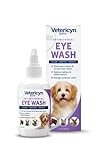
- SOOTHE PET'S IRRITATED EYES: Vetericyn Plus Eye Wash works to effectively flush the pet's eye and provide relief from symptoms of pink eye and other eye irritations
- DAILY PET EYE CLEANING: Safe to use daily to reduce allergy symptoms and redness, and can even help clean and remove tear stains
- ANTIBIOTIC FREE & NON-TOXIC: Vetericyn Plus Eye Rinse is a cost-effective, safe, and pain-free alternative to antibiotics ointments or expensive eye drops that may cause your pet discomfort
- VETERINARIAN RECOMMENDED: An essential pet first aid product giving you the ability to care for your pets from the comfort of your own home
- TRUSTED BRAND: Vetericyn is a leader in at-home animal health products manufactured to help pet owners take the best care of their animals
The vet also looks for a cause—such as an object beneath the lid, an eyelid abnormality, or a tear-production problem—because that affects treatment. A recent, superficial lesion may require little additional testing. Chronic or deep ulcers may call for samples for culture or microscopy, and herpesvirus testing may be considered.
How treatment is chosen
There is no single treatment suitable for every ulcer. The plan depends on depth and stability, suspected cause, infection or tissue breakdown, and whether healing is progressing at follow-up checks.
- Superficial ulcers: Veterinary-prescribed medication and monitoring may be enough. Topical antibiotics may be used to address or prevent secondary bacterial infection, while pain relief is part of care as appropriate.
- Suspected herpesvirus disease: The veterinarian may prescribe antiviral therapy. Herpesvirus-associated disease can be slow to heal and may recur, so follow-up and attention to the underlying cause matter.
- Deep, unstable, infected, or nonhealing ulcers: These may need more intensive treatment, removal of damaged tissue, a healing-promoting procedure, protective surgery such as a graft, or referral for specialist care.
- An identifiable source of repeated injury: A foreign body, eyelid defect, or tear problem may need to be addressed as part of treatment; medication alone may not remove the cause.
Serious ulcers can leave a corneal scar or threaten vision despite treatment. Give medications only as prescribed, and do not stop them without the veterinarian’s direction.
Rank #3
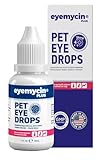
- Daily Cleaning - This eye drop for dogs and cats is suitable for daily eye care of pets, removes tear stains and smudges, restores the shine of the hair around the eyes and soothes canine, feline, and dog eye infection treatments, itchy foreign body discharge and other symptoms
- Effective, Gentle, and Safe - The active ingredient of our eye drops for cats is Hypochlorous Acid (HOCI). HOCI is a naturally occurring substance produced by mammalian white blood cells to boost your pet's immune system. We synthesize a stable immune factor, the HOCI molecule, through EYEMYCIN PET HOCI technology, which has revolutionized safe animal care for all pets and their owners
- Reliable Solution - This dog eye drops for infection are gentle, non-irritating, no alcohol added. Developed to strict standards and trusted by professionals, its natural ingredients and proven effectiveness make it a reliable solution for maintaining optimal eye health in your furry friend
- Easy and Precise Eye Care - EYEMYCIN PET’s innovative nozzle design ensures precise and easy dispensing of each drop, while also protecting your buddies’ eyes from accidental injury. This unique design makes the application of eye rinse quick, safe, and gentle, reflecting our genuine care for your pet’s comfort and health
- For Cats ,Dogs , Horses & Birds - This pet eye drop is suitable for cats and dogs, easy to operate, and can easily provide eye care for your furry friend. Whether indoors or outdoors, it can be used for cleaning anytime and anywhere
Rechecks, healing time, and protecting the eye
Healing time varies with the ulcer’s cause and severity. VCA states that corneal abrasions and superficial ulcers generally heal within three to five days; that is a general timeline for those cases, not a promise for an individual cat. Cornell gives a different estimate for simple herpesvirus-associated ulcers treated with the antiviral approach it describes: one to two weeks. These figures refer to different circumstances and should not be treated as a universal recovery schedule.
Follow-up matters because the veterinarian may repeat fluorescein assessment at intervals based on severity and progress. If the eye is worsening or is not healing as expected, contact the clinic for reassessment rather than changing treatment on your own.
Preventing rubbing or pawing can help protect fragile healing tissue. An Elizabethan or recovery collar may reduce self-trauma, but it is not a treatment for the ulcer, and collar use should be individualized in cats. Ask the veterinarian whether one is appropriate and how it should fit.
Quick Recap
Sources
- Cornell University College of Veterinary Medicine, “Corneal Ulcers”
- Merck Veterinary Manual, “Disorders of the Cornea in Cats” (updated September 2024)
- VCA Animal Hospitals, “Corneal Ulcers in Cats”
- NC State Veterinary Hospital, “Small Animal: Ophthalmology”
- Today’s Veterinary Practice, “Feline Corneal Ulcers: Diagnosis and Management” (published September 1, 2026)
Product prices and availability are accurate as of the date/time indicated and are subject to change. Any price and availability information displayed on Amazon at the time of purchase will apply.




