Do these 3 things before closing this tab:
1Scan for outdated or missing drivers - takes under a minute2Repair Windows errors before they cause bigger problems3Fix the driver behind crashes, sound loss and screen glitches“Daily Rounds: Planning a Pathway” is a Best Friends Animal Society playbook for animal shelters. Its core idea is that a daily walkthrough should be a coordinated team review, not only a sanitation pass or a medical check. For each animal, staff look at health, behavior, food and water intake, elimination, housing and records. Then they decide what happens next and who does it. The goal is a route toward an outcome such as adoption, foster placement or transfer. The playbook’s resource page lists its last update as May 2022.
What “planning a pathway” means
Pathway planning means working out which services and next steps each animal needs while in the shelter. The playbook names several possibilities:
- entering the adoption program
- extra enrichment or behavior support
- placement in a foster home
- transfer to another agency
- promotion through social media or events
Planning can start during a stray hold, so a suitable plan is ready when the hold ends. Best Friends files the playbook under its wider work on strategic intake and pathway planning. It describes that work as managing intake and planning how each pet can move toward a home, adapted to local community and shelter conditions.
The playbook states the principle this way: “Daily rounds should be seen as the pathway to these goals by ensuring that we provide not only the medical attention they may need, but also observing and monitoring the animals’ behavior patterns, food and water consumption, and elimination patterns.”
#1 Best Overall

- Efficiency: The kennel cage cards for boarding neatly break out information to be completed by the customer and care instructions for their dogs, cats, and other pets
- Save Money: Using these dog or cat kennel cards, you can learn how pet parents heard about you for effective use of advertising budget. This reduces expenses and could allow you to increase sales! Also terrific to be used as shelter kennel cards, veterinary kennel cards, and any other animal identification cards for kennels
- Release: Modern release form on our cage cards for kennel gently gives you the right to obtain emergency treatment
- Values: Each kennel cage card is Made in the USA.
How to run rounds
1. Assemble the right group
The playbook recommends group rounds so people can discuss problems and decide on the spot. Ideally the group covers medical, foster or rescue, behavior and adoption. In a small shelter, people with the relevant knowledge and authority can cover several of those areas. It also suggests that someone responsible for online marketing join at least weekly.
2. Start from a current population list
Use the shelter’s population list to check animal information and record updates. The playbook says shelter software can usually generate it.
Rank #2
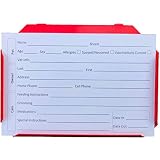
- Efficiency: Fitting in a standard kennel card holder 4X6, the kennel cage cards for boarding neatly break out information to be completed by the customer and care instructions for their dogs, cats, and other pets
- Save Money: Using these dog or cat kennel cards, you can learn how pet parents heard about you for effective use of advertising budget. This reduces expenses and could allow you to increase sales! Also terrific to be used as shelter kennel cards, veterinary kennel cards, and any other animal identification cards for kennels
- Release: Modern release form on our cage cards for kennel gently gives you the right to obtain emergency treatment
- Values: Each kennel cage card is Made in the USA. Satisfaction Guaranteed.
3. Time the walkthrough with cleaning
Where practical, walk through before or during daily cleaning. That lets staff see food and water consumption, elimination, visible health concerns and the condition of each animal’s space.
4. Ask the caregivers
Caregivers see the animals every day. They are the most likely to notice changes in eating, weight, behavior or general well-being. The playbook builds their observations into the discussion.
Free tools Windows power users keep installed
One-click scans. No signup required.
Rank #3
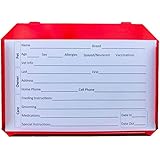
- Efficiency: Fitting in a standard kennel card holder 3X5, the kennel cage cards for boarding neatly break out information to be completed by the customer and care instructions for their dogs, cats, and other pets
- Save Money: Using these dog or cat kennel cards, you can learn how pet parents heard about you for effective use of advertising budget. This reduces expenses and could allow you to increase sales! Also terrific to be used as shelter kennel cards, veterinary kennel cards, and any other animal identification cards for kennels
- Release: Each kennal cage card is a modern release form on our cage cards for kennel gently gives you the right to obtain emergency treatment
- Values: Our dog kennel id cards are Made in the USA. Satisfaction Guaranteed.
5. Assess behavior and housing
Ask whether the animal seems fearful, friendly, defensive or unusually active, and whether enrichment or behavior support might help. The playbook’s housing questions are practical:
- Is this the right kennel location for this animal?
- Is each kennel clean and safe, and does it have bedding and some toys or other enrichment items?
6. Check records and name actions
Reconcile the population list with kennel cards. Check that behavior notes are being recorded, review routine medical procedures, and follow up on owner notifications where they apply. Document each concern and assign one person to fix it.
Rank #4

- Our 4”x 6” Medium Clip Card offer space for pet description, medical problems, referral, birthday, vet phone and clip. Popular pet profile checklist denotes conditions about the pet. Back has date, services, charges and reminder sent date.
- The 5" x 8" cards feature a dog diagram for notating old injuries, skin anomalies, and sensitive areas. Sketch the clip right on the card. Includes emergency information, a size chart for easy sales reference, and a Pet Profile Checklist. There is lots of space on the back for date, charges, services, and groomer and reminder sent dates.
- Back of card has columns for date, services, charges, and reminder date
- Medium Cards measure 4" x 6" and Giant Cards measure 5" x 8" containing 100 cards per pack
7. Distribute the task list
After all animals are reviewed, the playbook suggests sending a master list of needs to supervisors with deadlines. A visible board can help staff track work through a shift.
Independent reader supportYour contribution helps us test, update, and keep practical guides available for everyone.What you need
- A daily population printout
- Clipboards and pens for notes
- Kennel markers to flag animals with issues
- A current list of foster families and rescue groups, with notes on the kinds of animals each can take
The playbook does not endorse specific products. Any clipboard works. It also names no software vendor, only that shelter software can usually produce the population list.
Best Value

- Product Specifications: includes 20 kennel card holders, applied in animal shelters, and veterinary clinics to clearly display customer entered information and care instructions for dogs, cats, and other pets
- Material: these kennel card holders are made of 40 mil thick galvanized iron, offering a stable, weather-resistant structure that resists rust and breakage; They withstand frequent cleaning, disinfectant sprays, humidity, and even outdoor exposure, ensuring long lasting use; There are two stainless steel clips on the back for secure attachment to any standard cage
- Ideal Dimensions: the kennel card holders measure 5 inches/ 13 cm long by 3 inches/ 8 cm wide to accommodate about 3 x 5 inches/ 8 x 13 cm cards horizontally or vertically fit typical kennel systems for clear identification
- Interchangeable Card Design: the metal kennel card holders allow quick card changes and updates, supporting temporary notes such as medication, diet, and behavioral precautions while enabling staff to add new reminders
- Wide Application Range: the card holder can be applied in animal shelters, veterinary clinics, foster/boarding facilities, and more; Each holder functions as a reminder for key pet care details
Adapting the process to your shelter
The playbook does not compare rounds systems, so use its guidance as a checklist for your own setup:
| Check | Question to ask |
|---|---|
| Staff coverage | Are medical, behavior, foster or rescue, and adoption knowledge all in the room, even if one person covers several? |
| Timing | Do rounds happen before or during cleaning, when intake, elimination and housing can be seen? |
| Completeness | Are both the animals and their records checked against the current list? |
| Pathway clarity | Does each animal leave rounds with a next step, such as adoption program, foster, transfer, enrichment or promotion? |
| Follow-up | Does every task have an owner and a deadline? |
What the evidence does and doesn’t show
Best Friends says the process can help reduce length of stay and support healthier animals with better adoption potential. The playbook gives no figures and no independent evaluation of those effects. Treat it as operational guidance from an established animal welfare organization, not as proof of a measured result.
Quick Recap
Product prices and availability are accurate as of the date/time indicated and are subject to change. Any price and availability information displayed on Amazon at the time of purchase will apply.




