
Recommended Free Tools
There is no reliable Texas statistic that ranks ten marine animals by danger to people. The best-supported hazards for swimmers and waders are three sharks identified by Texas Parks and Wildlife Department (TPWD), stingrays, Portuguese man-of-war, and other jellyfish. Encounters with sharks are uncommon, while stingray and jellyfish injuries usually result from accidental contact or a defensive response. Currents, tides, and sudden drop-offs can be more immediate beach hazards than wildlife.
This guide explains what is established about ten animals found or discussed in Texas Gulf waters, how each could affect a person, and how to reduce risk without turning a species-presence list into a misleading “top ten.”
As an Amazon Associate I earn from qualifying purchases.
Why a ranked “ten most dangerous” list would be misleading
Texas’s ocean-facing water is the Gulf of Mexico, including surf beaches, bays, passes, and shallow flats. TPWD identifies white, tiger, and bull sharks as the three shark species with the strongest record of attacks and fatalities worldwide, but that statement is not a Texas ranking of attack probability. The agency also says that sharks are a potential threat to anyone in the water while emphasizing that the overall threat is not great. Its historical Texas incident examples are partial and old, so they cannot be converted into a current attack rate.
Quick wins for a faster PC:
Scan for outdated or missing drivers - takes under a minuteDriver Scan →Repair Windows errors before they cause bigger problemsFix Now →TPWD’s Gulf guide names several other sharks, rays, and barracuda that live in the region. Presence alone does not show that an animal commonly injures swimmers. The table below therefore separates evidence of human danger from evidence that a species occurs in Gulf waters.
#1 Best Overall

- EFFECTIVE SHARK DETERRENT - Using patented magnetic technology, Sharkbanz overwhelm sharks’ electroreceptors causing a highly unpleasant sensation that turns sharks away. Technology based on proven science, published research, and testing by the Western Australian Government and verified by an independent third party University.
- SIMPLE, SAFE TECHNOLOGY - No Batteries, No Charging; Always on. Lightweight (3 oz). Wear on your ankle or wrist. Waterproof to 100M / 330 ft. TSA and Airline Travel Friendly. Magnetic Shielded Box included for safe storage.
- WORN BY OCEAN PROFESSIONALS & FAMILIES - Universal Fit, Ages 5+. Our mission is to provide greater ocean safety for everyone. Wear one or multiple for greater coverage. Hundreds of testimonials from swimmers, divers, Navy SEALS, triathletes, pro surfers, and ocean athletes of all ages and backgrounds.
- PREMIUM MANUFACTURING - Ergonomic design and premium materials used for enhanced comfort and durability, including soft silicone band and stainless steel Sharkbanz can be worn over or under wetsuits and will not affect ocean athletic performance. This product is fully guaranteed against faulty workmanship and materials for 3 years.
- AWARD WINNING & TRUSTED PRODUCT - Winner of Popular Science’s Greatest Innovations, Weather Channel Best Summer Tech, Forbes Best Health Tech, and many more. Sharkbanz has been trusted and used as a way to reduce the risk and enjoy greater peace of mind since 2015 from customers around the world.
Ten animals and what the evidence actually shows
| Animal | What is established | How a swimmer might be hurt | Practical response |
|---|---|---|---|
| Bull shark (Carcharhinus leucas) | TPWD places it among the three shark species most dangerous to people and says it may be particularly dangerous on tropical and subtropical continental coasts. | A bite is possible, but Texas-specific encounter or attack frequency is not established. | Use general shark precautions and leave the water calmly if a shark is seen. |
| Tiger shark (Galeocerdo cuvier) | TPWD includes it among three species with numerous recorded attacks and fatalities. | A bite can be severe; the source does not show that beach encounters in Texas are common. | Stay in groups, remain near shore, and avoid low-light swimming. |
| White shark (Carcharodon carcharias) | TPWD lists it in the same three-species group. | Potentially serious bite; no Texas-specific frequency is supplied. | Follow NOAA’s general shark-avoidance advice. |
| Atlantic stingray (Dasyatis sabina) | TPWD says it lives mostly on the bottom and may sting someone who steps on it while wading in a Texas bay. | A defensive barb injury to a foot or ankle can be painful and may bleed. | Shuffle your feet rather than taking large steps through shallow water. |
| Portuguese man-of-war (Physalia physalis) | TPWD describes a colonial organism, not a true jellyfish, that can wash onto Texas beaches from spring through late summer. Tentacles can reach 15 meters. | 触 Tentacles deliver painful stings; stranded or apparently dead animals can still sting. | Do not touch one. Keep children and pets away and follow local beach guidance. |
| Jellyfish | National Park Service (NPS) guidance says jellyfish and man-of-war can cause painful local swelling, redness, burning, and related symptoms. NOAA notes some stranded jellies can still sting. | Contact with tentacles causes a surface sting; severity varies by species and person. | Leave the water after a sting and use current park or medical guidance for first aid. |
| Great hammerhead | TPWD’s Gulf guide lists it as an animal of Gulf waters; the supplied evidence does not establish a meaningful swimmer-danger ranking. | No specific Texas swimmer-risk rate is provided. | Do not treat a sighting as proof of imminent attack; exit calmly if uneasy. |
| Lemon shark | Listed by TPWD among Gulf-water animals, without a comparable Texas injury statistic. | Human-risk frequency in Texas is not established by the listing. | Apply the same general precautions used for any shark sighting. |
| Blacktip shark | Present in the TPWD Gulf guide; that presence entry is not a danger ranking. | No Texas-specific swimmer hazard estimate is supplied. | Keep distance, avoid chasing or feeding wildlife, and leave the water if directed. |
| Cownose ray | TPWD lists it in Gulf waters, but the evidence does not show that it commonly injures swimmers. | Like other rays, accidental contact could cause a defensive injury, but a Texas rate is not stated. | Watch where you step and use the shuffle-foot technique in shallow water. |
The last four entries demonstrate why a species list is not a risk ranking. They are documented Gulf animals, but the available sources do not support calling them among Texas’s ten most dangerous animals.
Sharks: serious consequences, low overall odds
Bull sharks
TPWD says bull sharks may be especially dangerous among sharks living along tropical and subtropical continental coasts. That ecological description does not mean a person swimming at a Texas beach is likely to encounter one or be attacked. Bull sharks can use coastal and estuarine habitats, so avoiding unnecessary close approaches remains sensible.
Tiger and white sharks
TPWD groups tiger and white sharks with bull sharks as species that have a record of numerous attacks and fatalities. The source supports concern about the potential severity of a bite, not a claim that either species regularly patrols Texas swimming areas. Do not infer a Texas frequency from global records.
Do these 3 things before closing this tab:
1Clear out junk files and repair common Windows errors2Fix the driver behind crashes, sound loss and screen glitches3Repair Windows errors before they cause bigger problemsRank #2

- BETHANY HAMILTON SIGNATURE EDITION - Limited Edition Color, Box, and Packaging Insert with note from Bethany.
- EFFECTIVE SHARK DETERRENT - Using patented magnetic technology, Sharkbanz overwhelm sharks’ electroreceptors causing a highly unpleasant sensation that turns sharks away. Technology based on proven science, published research, and testing by the Western Australian Government and verified by an independent third party University.
- SIMPLE, SAFE TECHNOLOGY - No Batteries, No Charging; Always on. Lightweight (3 oz). Wear on your ankle or wrist. Waterproof to 100M / 330 ft. TSA and Airline Travel Friendly. Magnetic Shielded Box included for safe storage.
- WORN BY OCEAN PROFESSIONALS & FAMILIES - Universal Fit, Ages 5+. Our mission is to provide greater ocean safety for everyone. Wear one or multiple for greater coverage. Hundreds of testimonials from swimmers, divers, Navy SEALS, triathletes, pro surfers, and ocean athletes of all ages and backgrounds.
- PREMIUM MANUFACTURING - Ergonomic design and premium materials used for enhanced comfort and durability, including soft silicone band and stainless steel Sharkbanz can be worn over or under wetsuits and will not affect ocean athletic performance. This product is fully guaranteed against faulty workmanship and materials for 3 years.
How to lower shark risk
NOAA characterizes the relative risk of a shark attack as very small but advises minimizing it whenever possible. Its general recommendations are to swim with other people, stay relatively close to shore, avoid darkness and twilight, and do not enter the water with a bleeding wound. These are broad safety measures, not a Texas-specific probability estimate.
- Check the day’s beach warnings and surf conditions before entering.
- Choose a supervised, populated swimming area when available.
- Stay with your group and avoid prolonged swimming far from shore.
- Skip dawn, dusk, and night swimming, when visibility is reduced.
- Do not enter with an actively bleeding wound, and leave calmly if a shark is observed nearby.
Stingrays: the classic shallow-water injury
Atlantic stingrays spend most of their time on the bottom. In Texas bays, a person can step on a buried ray while wading. TPWD’s plain-language warning is that stingrays do not seek people but may deliver a painful sting when stepped on. The injury is defensive and accidental rather than an attack.
Shuffle instead of stepping
Slide or shuffle each foot along the bottom as you move through shallow water. The vibration gives a ray an opportunity to move away and reduces the chance of planting a foot directly on it. This technique does not make a person immune to injury, and no footwear performance claim is established by the available evidence; water shoes can protect against some sharp surfaces but should not replace careful movement.
Rank #3

- EFFECTIVE SHARK DETERRENT - Using patented magnetic technology, Sharkbanz overwhelm sharks’ electroreceptors causing a highly unpleasant sensation that turns sharks away. Technology based on proven science, published research, and testing by the Western Australian Government and verified by an independent third party University.
- SIMPLE, SAFE TECHNOLOGY - No Batteries, No Charging; Always on. Lightweight (3 oz). Wear on your ankle or wrist. Waterproof to 100M / 330 ft. TSA and Airline Travel Friendly. Magnetic Shielded Box included for safe storage.
- WORN BY OCEAN PROFESSIONALS & FAMILIES - Universal Fit, Ages 5+. Our mission is to provide greater ocean safety for everyone. Wear one or multiple for greater coverage. Hundreds of testimonials from swimmers, divers, Navy SEALS, triathletes, pro surfers, and ocean athletes of all ages and backgrounds.
- PREMIUM MANUFACTURING - Ergonomic design and premium materials used for enhanced comfort and durability, including soft silicone band and stainless steel Sharkbanz can be worn over or under wetsuits and will not affect ocean athletic performance. This product is fully guaranteed against faulty workmanship and materials for 3 years.
- AWARD WINNING & TRUSTED PRODUCT - Winner of Popular Science’s Greatest Innovations, Weather Channel Best Summer Tech, Forbes Best Health Tech, and many more. Sharkbanz has been trusted and used as a way to reduce the risk and enjoy greater peace of mind since 2015 from customers around the world.
If a stingray injury occurs
Get out of the water and assess bleeding. NPS Padre Island guidance describes controlling bleeding and using hot water as tolerated for stingray wounds, while directing people with severe symptoms to emergency care. Because wound location, retained spines, infection risk, and heat tolerance matter, use current local park or medical instructions rather than treating a general web description as a personalized treatment plan.
Portuguese man-of-war and jellyfish
Portuguese man-of-war
TPWD explains that Physalia physalis is a colony of specialized organisms rather than a single true jellyfish. Its floating body may be accompanied by tentacles up to 15 meters long. On Texas beaches, wash-ups are most likely from spring through late summer. A beached specimen is not harmless: tentacles can remain capable of stinging after the animal dies.
Never pick one up, step on it, or rub a tentacle across skin. Keep children and animals away from stranded specimens and notify beach staff if a concentration creates a public hazard.
Rank #4
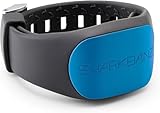
- EFFECTIVE SHARK DETERRENT - Using patented magnetic technology, Sharkbanz overwhelm sharks’ electroreceptors causing a highly unpleasant sensation that turns sharks away. Technology based on proven science, published research, and testing by the Western Australian Government and verified by an independent third party University.
- SIMPLE, SAFE TECHNOLOGY - No Batteries, No Charging; Always on. Lightweight (3 oz). Wear on your ankle or wrist. Waterproof to 100M / 330 ft. TSA and Airline Travel Friendly. Magnetic Shielded Box included for safe storage.
- WORN BY OCEAN PROFESSIONALS & FAMILIES - Universal Fit, Ages 5+. Our mission is to provide greater ocean safety for everyone. Wear one or multiple for greater coverage. Hundreds of testimonials from swimmers, divers, Navy SEALS, triathletes, pro surfers, and ocean athletes of all ages and backgrounds.
- PREMIUM MANUFACTURING - Ergonomic design and premium materials used for enhanced comfort and durability, including soft silicone band and stainless steel Sharkbanz can be worn over or under wetsuits and will not affect ocean athletic performance. This product is fully guaranteed against faulty workmanship and materials for 3 years.
- AWARD WINNING & TRUSTED PRODUCT - Winner of Popular Science’s Greatest Innovations, Weather Channel Best Summer Tech, Forbes Best Health Tech, and many more. Sharkbanz has been trusted and used as a way to reduce the risk and enjoy greater peace of mind since 2015 from customers around the world.
For a suspected man-of-war sting, TPWD advises not rubbing the area, carefully scraping away visible tentacles with a card, and using hot—not scalding—water or a warm compress for pain. Severe allergic reactions require medical attention. Stop and seek urgent help for breathing difficulty, faintness, widespread symptoms, or rapidly worsening pain.
Jellyfish
NPS lists local swelling, redness, burning, and pain among possible jellyfish and man-of-war symptoms. NOAA likewise warns that some stranded jellyfish can still sting. Species differ, so the appearance of an animal does not reliably predict how severe a reaction will be.
Padre Island National Seashore’s guidance recommends rinsing a jellyfish sting with seawater, testing a small area with vinegar, and seeking emergency care for severe symptoms. Follow the current instructions posted at the beach or supplied by medical professionals, since first-aid recommendations can depend on species and local policy. Do not use freshwater, scrape aggressively, or apply an unverified substance unless current local guidance tells you to.
Best Value
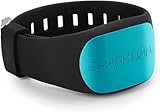
- EFFECTIVE SHARK DETERRENT - Using patented magnetic technology, Sharkbanz overwhelm sharks’ electroreceptors causing a highly unpleasant sensation that turns sharks away. Technology based on proven science, published research, and testing by the Western Australian Government and verified by an independent third party University.
- SIMPLE, SAFE TECHNOLOGY - No Batteries, No Charging; Always on. Lightweight (3 oz). Wear on your ankle or wrist. Waterproof to 100M / 330 ft. TSA and Airline Travel Friendly. Magnetic Shielded Box included for safe storage.
- WORN BY OCEAN PROFESSIONALS & FAMILIES - Universal Fit, Ages 5+. Our mission is to provide greater ocean safety for everyone. Wear one or multiple for greater coverage. Hundreds of testimonials from swimmers, divers, Navy SEALS, triathletes, pro surfers, and ocean athletes of all ages and backgrounds.
- PREMIUM MANUFACTURING - Ergonomic design and premium materials used for enhanced comfort and durability, including soft silicone band and stainless steel Sharkbanz can be worn over or under wetsuits and will not affect ocean athletic performance. This product is fully guaranteed against faulty workmanship and materials for 3 years.
- AWARD WINNING & TRUSTED PRODUCT - Winner of Popular Science’s Greatest Innovations, Weather Channel Best Summer Tech, Forbes Best Health Tech, and many more. Sharkbanz has been trusted and used as a way to reduce the risk and enjoy greater peace of mind since 2015 from customers around the world.
Beach conditions can be more dangerous than wildlife
NPS warns that Padre Island swimming may involve strong currents, changing tides, and sudden drop-offs in addition to jellyfish and stingrays. NOAA’s beach-safety material likewise treats surf-zone conditions as a primary hazard. A calm-looking surface can conceal a current that carries a swimmer away from shore.
- Read posted warnings and check the current NOAA surf-zone forecast before swimming.
- Ask lifeguards or park staff about rip currents, closures, and recent wildlife sightings.
- Do not swim alone, and keep non-swimmers within arm’s reach.
- Use a flotation aid only as a supplement to supervision; it does not cancel current risk.
- If caught in a current, avoid exhausting yourself by fighting it straight toward shore; signal for help and follow local rip-current instructions.
Conditions change during the day. Recheck forecasts after storms, strong winds, or a rapid tide change rather than relying on an earlier glance.
A practical decision guide for swimmers and waders
Before entering
- Identify whether you are at an open Gulf beach, a bay, or a park shoreline; the likely hazards differ.
- Read the location’s current signs and check the NOAA surf-zone forecast linked through local park guidance.
- Cover open bleeding wounds and decide who will supervise children.
While in the water
- Stay with your group and near shore.
- Shuffle your feet in shallow bay water.
- Do not touch any jellyfish, man-of-war, or other stranded animal, even if it appears dead.
- Leave immediately when lifeguards issue a warning or when currents become difficult to manage.
After an incident
- Move out of the water and call for help for severe pain, uncontrolled bleeding, breathing problems, faintness, or widespread allergic symptoms.
- Tell responders what happened, where on the body, and whether a spine or tentacle may remain.
- Follow current NPS, TPWD, lifeguard, or emergency-medical instructions rather than combining home remedies from different species’ guidance.
What “dangerous” means in Texas Gulf water
Risk has at least four separate dimensions: how often a swimmer encounters an animal in shallow water, how severe an injury could be, whether the animal actively pursues people or reacts defensively, and how easily the encounter can be avoided. The available Texas sources support a high-consequence but rare shark risk; a more foreseeable accidental sting from a bottom-dwelling ray; and seasonal contact hazards from jellyfish and Portuguese man-of-war. They do not support a numerical ranking across ten species.
Outdated Drivers Are Slowing You Down
One free scan finds every outdated or missing driver and matches the right update for your exact hardware.Free scan · exact hardware matchWindows Errors? Fix Them Before They Spread
Repair common Windows errors and clear accumulated junk for a smoother, more stable PC - no reinstall needed.Free scan · no reinstallGlobally, NOAA notes that roughly 70 of the approximately 2,000 known jellyfish species seriously harm or may occasionally kill people. That figure is worldwide context, not a count of dangerous jellyfish species in Texas. For Texas visitors, checking local conditions, avoiding contact, and recognizing severe symptoms are more useful than memorizing an unsupported top-ten order.
Quick Recap
Sources and current guidance
- Texas Parks & Wildlife Department Fishing FAQ — shark-risk framing and historical Texas incidents.
- TPWD: Jellyfish and Their Kin — Portuguese man-of-war biology, seasonality, avoidance, and sting response.
- National Park Service: Padre Island National Seashore Safety — local jellyfish, man-of-war, stingray, and emergency guidance.
- TPWD: Atlantic Stingray and Animals of the Gulf Waters — stingray behavior and species presence.
- NOAA Ocean Service: Dangers at the Beach — general shark, jellyfish, and surf-safety context.
- National Park Service: Swimming — Padre Island swimming conditions and forecast advice.
Product prices and availability are accurate as of the date/time indicated and are subject to change. Any price and availability information displayed on Amazon at the time of purchase will apply.





Leave a Reply