Free tools Windows power users keep installed
One-click scans. No signup required.
There is no evidence-based universal ranking of the “10 most dangerous” cat diseases: danger can mean a sudden, potentially fatal illness, a contagious infection, a condition that progresses quietly, or a disease that causes serious complications. The eight conditions below are serious examples, not a ranked or complete top ten. Some have recognizable symptoms; others may show few signs early. A veterinarian must diagnose them.
When a cat may need urgent veterinary care
Panleukopenia can become life-threatening, especially in kittens. Cornell Feline Health Center advises contacting a veterinarian immediately if a cat has signs such as vomiting, diarrhea, fever, lethargy or depression, loss of appetite, dehydration, abdominal pain, or sudden collapse. These symptoms do not establish the cause, but they warrant prompt veterinary advice.


As an Amazon Associate I earn from qualifying purchases.
Eight serious diseases in cats
1. Feline panleukopenia
Feline panleukopenia, caused by feline parvovirus, is highly contagious and can be deadly. Kittens are particularly vulnerable. Signs may include vomiting, diarrhea, fever, lethargy, poor appetite, dehydration, and abdominal pain; sudden death can occur. It is caused by a feline virus, not canine distemper.
A veterinarian assesses the cat’s history and signs and may use rapid tests and blood-count results to help diagnose it. Treatment involves intensive supportive veterinary care. Merck Veterinary Manual notes that the virus can persist in the environment for up to a year in favorable conditions, making prevention and veterinary guidance on cleaning important.
#1 Best Overall
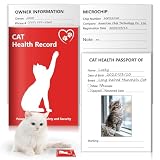
- 1.You’ll Get:When you choose our cat vaccines records tracker, you'll receive one notebook.This 12-page Kitty health journal has 8 dedicated pages for tracking your pup’s health, vet visits, and key details, with 4 blank pages at the end for jotting down extra notes, pet cat-related info, or anything else you want to record.
- 2.Ideal Size for Record Keeping:Each cat vaccine record book measures 5x3.5 inches folded; 5x7 inches unfolded, allowing for easy portability and storage.These handy health records notebook for cats with double sided printing, featuring enough space for all your pets important information,plus, it has dedicated spots for sticking on vaccine stickers and adding cute kitten photos.They offer a stylish and organized approach to pet health documentation, a must have addition to your pet supplies.
- 3.Premium Quality: The cat health record tracker’s cover features 300gsm coated paper with vibrant full-color printing and a protective laminate finish. Inside, 80gsm high-quality offset paper pages are durable and ink-resistant, ensuring no bleeding from pens or markers—so your records stay neat and easy to read.
- 4.Essential for cat owners: This kitten health record book is designed for vet clinics & owners. Track key health info (vaccines, exams, treatments) easily. When you’re away, pet sitters/family can quickly check medical history for seamless care. Kitten record book with photo, vital signs & ID sections, it helps in emergencies—even if your kitten gets lost.
- 5.Effortlessly Track Vaccinations and More:The cat canine health record booklets pages include:owner and cat information,medical history and hospitalizations,vaccination record and sticker,cat service providers,fecal examinations and de-worming,heartworm screening, prevention and treatment etc.This record keeping tool will ensure every important detail is accounted for and make this task easy, organized, and straightforward.Add this essential tool to your pet supplies for a happier, healthier pet.
2. Feline leukemia virus (FeLV)
FeLV is a retroviral infection that can cause anemia, cancer, and immune suppression. It can spread through saliva and other secretions, so contact with infected cats affects risk. Some cats show no obvious signs early, and outcomes vary. Testing may need to be repeated or performed using a different method to clarify a result; a veterinarian can advise what is appropriate.
3. Feline immunodeficiency virus (FIV)
FIV can weaken a cat’s immune function and make other infections more likely. A vaccine is available, but it may not protect every vaccinated cat. Ask a veterinarian about an individual cat’s exposure risk and prevention options rather than assuming vaccination is suitable or fully protective.
Rank #2

- COMPLETE HEALTH RECORDS FOR CATS & SMALL PETS: Comprehensive veterinary record booklets designed to track vaccinations, exams, deworming, and treatments. Perfect for maintaining organized, up-to-date medical histories for cats, kittens, and small animals."
- 25 INDIVIDUAL BOOKLETS PER PACK: Includes 25 separate records—ideal for multi-pet households, shelters, rescues, breeders, or veterinary clinics that manage multiple animals. Each booklet provides structured documentation for easy organization."
- CLEAR, CUSTOMIZABLE FORMAT FOR EASY RECORDING: Each page features clearly labeled sections for vaccines, dates, treatment details, and veterinarian notes. The user-friendly layout allows for quick, legible recordkeeping at home, during exams, or on the go."
- PORTABLE AND CONVENIENT DESIGN: Compact and lightweight, these cat health record booklets fit easily into folders, travel bags, or adoption packets. Keep vital health information accessible during vet appointments, travel, or transfers."
- IDEAL FOR PET OWNERS, BREEDERS & PROFESSIONALS: Perfect for breeders, shelters, veterinarians, and pet owners who want a professional way to document a cat’s medical care. Simplifies communication between caregivers, adopters, and clinics."
4. Feline infectious peritonitis (FIP)
FIP can develop when feline coronavirus mutates within an individual cat. Cornell Feline Health Center says evidence that the lethal form of FIP spreads efficiently between cats is scant, although shelter outbreaks have been reported. A cat’s coronavirus exposure should not be treated as proof that it has FIP. Cornell also says FIP vaccination is generally considered ineffective and is not usually recommended.
Do these 3 things before closing this tab:
1Scan for outdated or missing drivers - takes under a minute2Clear out junk files and repair common Windows errors3Fix the driver behind crashes, sound loss and screen glitches5. Chronic kidney disease (CKD)
CKD is progressive loss of kidney function and is common in older cats. Early disease often has no obvious signs. Later, a cat may drink and urinate more, lose weight or appetite, become lethargic, or develop a poor coat.
Blood tests and urinalysis are commonly used to assess kidney function. Management is individualized and may address hydration, nutrition, electrolyte balance, and blood pressure, with the aim of slowing progression and maintaining quality of life. Cornell Feline Health Center’s page, updated in 2025, cites estimates of up to 40% of cats over age 10 and 80% of cats over age 15 being affected; these are estimates, not universal rates.
6. Hypertrophic cardiomyopathy (HCM)
HCM thickens the heart muscle and can interfere with its function. Possible complications include congestive heart failure, fluid in or around the lungs, blood clots, sudden death, or a clot-related loss of blood flow to a hind limb that causes acute pain or paralysis. Not every cat with HCM develops these complications.
Rank #4

- Impressive Quantity and Appropriate Size: the package includes 25 cat health records, offering a generous quantity for pet owners with multiple cats or veterinary practices; The unfolded size measures 7.87 x 10.63 inches/ 20 x 27 cm, and the folded size is 7.87 x 3.54 inches/ 20 x 9 cm, making it ideally suited for easy storage and convenient access of your pet's vital health information
- Distinctive Color and Reliable Material: presented in aesthetically pleasing shades of blue and white, these cat shot record booklets ensure that your pet's health data stands out; Crafted from durable 120 g offset paper, these records offer long lasting quality, ensuring the preservation of critical information for an extended period
- Ideal for Multiple Users and Various Occasions: from individual pet owners to professional veterinarians, these cat vaccine record books cater to a wide range of users; Their practicality makes them equally suited for various occasions, ranging from regular vet appointments to emergency visits
- Meaningful Gift for Pet Lovers: a thoughtful gift for any cat owner, these kitten health records not only indicate care for the pet but also understanding of the owner's responsibility; Gift these records to promote responsible pet ownership and foster better pet health
- Tri Fold Design for Enhanced Convenience: with a practical tri fold design, these animal health records provide an organized structure, making it easy for users to track the health history and vaccination records of their pets
Echocardiography can help diagnose HCM. Other conditions, including high blood pressure and hyperthyroidism, can also cause heart-wall thickening, so a veterinarian must interpret findings in context.
7. Hyperthyroidism
Hyperthyroidism is common in middle-aged and older cats. Signs may include weight loss despite a good appetite, increased thirst or urination, vomiting, diarrhea, and hyperactivity. Untreated disease can affect heart function and blood pressure.
Best Value
Diagnosis usually involves a physical examination and thyroid blood testing. A veterinarian may recommend additional tests when results and clinical suspicion do not agree. Treatment options include medication, radioactive iodine, surgery, and dietary therapy; monitoring, including checks of kidney function, is important. Cornell Feline Health Center describes the prognosis as generally good with appropriate treatment.
8. Diabetes mellitus
Diabetes affects how a cat regulates blood glucose. Increased thirst or urination may raise concern, but neither sign alone diagnoses diabetes. Cornell Feline Health Center describes diagnosis as requiring persistently elevated blood and urine glucose alongside consistent clinical signs; stress can temporarily raise a glucose reading taken at a clinic.
Injectable insulin is a mainstay of treatment, and some cats may enter remission. Care requires veterinary monitoring and an individualized treatment plan; owners should not try to diagnose or treat diabetes on their own.
PC Slower Than It Used to Be?
A free scan shows the junk files, broken settings and background clutter dragging Windows down - then fixes them in one click.Free scan · Windows 10 & 11Outdated Drivers Are Slowing You Down
One free scan finds every outdated or missing driver and matches the right update for your exact hardware.Free scan · exact hardware matchQuick Recap
How prevention and early detection differ
- Vaccination: The FVRCP vaccine includes protection against panleukopenia. Kitten vaccination timing accounts for temporary maternal antibodies. Recommendations for infectious-disease vaccines vary with age, exposure, geography, and health, so discuss a schedule with a veterinarian.
- Exposure and testing: FeLV risk depends in part on contact with infected cats. Ask a veterinarian about testing and whether FeLV vaccination fits your cat’s circumstances. FIV vaccination may not protect all vaccinated cats.
- Quiet early disease: FeLV and CKD may have few or no visible signs at first. Veterinary monitoring and testing can matter even when a cat appears well, particularly when age or exposure makes screening relevant.
- Changes with age: Hyperthyroidism and CKD are especially relevant in middle-aged and older cats. Tell your veterinarian about changes in weight, appetite, thirst, urination, energy, or coat condition.
What to do if you notice a change
- Contact a veterinarian about sudden or severe illness. For signs consistent with panleukopenia, Cornell advises immediate contact. If a cat has acute hind-limb pain or paralysis, HCM-related thromboembolism is one possible serious complication; seek urgent veterinary assessment rather than trying to identify the cause at home.
- Describe what changed and when. Note appetite, drinking, urination, vomiting or diarrhea, weight changes, energy, and any possible contact with other cats. These details can help the veterinarian decide what examination or tests are appropriate.
- Do not substitute home treatment for diagnosis. Similar signs can have different causes, and treatment varies by disease. Do not give medication or start a prescription diet without veterinary direction.
Product prices and availability are accurate as of the date/time indicated and are subject to change. Any price and availability information displayed on Amazon at the time of purchase will apply.




