
Pet birds can become quieter, less active, less interested in people, or less engaged with their surroundings. Owners often describe that pattern as depression, but behavior alone cannot diagnose depression in a bird. Boredom, loneliness, stress, poor sleep, unsuitable housing, feather-destructive behavior, pain, infection, and other illnesses can look similar.
The safest approach is to compare the bird with its own normal routine, note exactly what changed and when, and arrange veterinary advice for any new or persistent change. Birds often hide weakness, so a bird that merely seems “sad” may actually need medical care.
As an Amazon Associate I earn from qualifying purchases.
What “depressed” behavior can look like in a pet bird
Birds are intelligent, social animals. A solitary bird kept in a small indoor cage with little exercise or stimulation can develop physical and psychological problems, according to the Merck Veterinary Manual’s overview of pet birds (full review September 2021; page updated June 2026). That does not mean every quiet bird has a mood disorder. It means the bird’s behavior, environment, and health need to be considered together.
Owners may notice one or several of these changes:
- Less movement, climbing, flying, or play
- Less interest in the owner, family members, toys, or usual activities
- Reduced or altered vocalizing, including not calling in the morning when it normally does
- More time sleeping or resting during the day
- A change in appetite, drinking, or enthusiasm for favorite foods
- A different posture, such as sitting fluffed up or remaining in one place
- Feather picking, chewing, or other feather-destructive behavior
- New irritability, biting, screaming, or withdrawal
These signs describe a change worth investigating, not a confirmed diagnosis. Merck’s illness guidance specifically advises looking at activity, appetite, behavior, posture, and appearance rather than assigning a label from a checklist.
#1 Best Overall
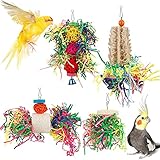
- 【Safe To Play】: These Parrot Cage Shredder toys are made of natural loofah, rattan balls,wood, stuffe with brightly colored crinkly papers which is very safe for your bird friends to chew. Hand-woven bird toys you can hide their treats in it which is an excellent selection for your pet friends who have a urge to chew and forage.
- 【Keep Active】:A busy Mr. or Mrs. bird is a happy Mr. or Mrs. bird.Those bird shredder toys are stuffed with brightly colored crinkly paper, which will catch bird's eyes immediately.And then they will pull them out just for great fun.It's a great chose to give your bird entertainment and physical exercise.
- 【The Bird Rope Perch】:The bird rope perch is made of the flexible, soft, durable, multi-colored cotton which is easy to connect to your bird cage.You can create different shape of perches for your lovely birds.
- 【Excellent for foraging】:Chewing and shredding is a bird natural behavior, which can improve your bird’s physical and emotional active.With the pretty colorful things to chew on,your birds will fall into a good way immediately, excellent for foraging.
- 【Easy to install】: All bird cage accessories toys come with a hook which can attach to the bird cage simply can provide hours of fun every day.Save space and a good decoration of your bird cage.Nice for small to medium birds,such as small parakeets, cockatiel, conures, macaws, parrots, love birds, Mynah, finches ,pineapple and so on.
Why a behavior change can be a medical warning
Prey animals commonly conceal weakness. Merck’s clinical management guidance notes that attentive owners may detect subtle clues, such as a bird that stops vocalizing in the morning or interacts less with the family. By the time a bird looks obviously ill, the underlying problem may already be advanced.
Possible medical explanations include pain, respiratory disease, gastrointestinal disease, nutritional problems, toxin exposure, reproductive complications, parasites, or other disorders. VCA Animal Hospitals likewise lists listlessness, inactivity, sleeping more, appetite changes, “depression,” and altered personality among signs of illness, while cautioning that birds can hide weakness.
Feather pulling deserves the same caution. Merck recommends a diagnostic evaluation to rule out medical causes before treating it as a behavioral or emotional problem. Treatment may involve correcting nutrition, adding enrichment and foraging, addressing the environment, and in some cases using medication prescribed by a veterinarian.
Free tools Windows power users keep installed
One-click scans. No signup required.
How to judge whether the change is urgent
Use the bird’s individual baseline. A naturally quiet species or an older bird may have a different normal pattern from a young, highly vocal companion. The important question is whether this bird’s activity, eating, posture, droppings, sleep, or social behavior has changed from its usual routine.
| What you observe | What to do |
|---|---|
| A mild, clearly explained variation lasting only briefly, with normal eating, droppings, posture, and breathing | Record the change, check the environment and routine, and monitor closely. Contact an avian veterinarian if it does not promptly resolve or keeps recurring. |
| New withdrawal, reduced vocalizing, sleeping more, appetite or thirst change, altered droppings, or a persistent decline in interest | Arrange veterinary advice rather than assuming boredom or loneliness. Describe the timing and all associated changes. |
| Huddling, marked weakness, unresponsiveness, breathing difficulty, collapse, or lying on the cage bottom | Seek prompt veterinary care. These signs are especially concerning in a bird and should not be watched at home as a presumed mood problem. |
Do not wait for a long list of symptoms. A single significant change can matter, and several subtle changes together are more concerning than any one sign in isolation.
Rank #2
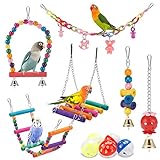
- 11 PIECES BIRD TOYS: The bird toys include 11Pieces parrot toys to meet most bird's needs.Crisp bells' sounds and colorful wooden toys will catch the attention of your birds,they will spend most time to play with their interesting new toys. they are suitable for bird sports,standing,climbing, playing, chewing, resting,etc. It's the perfect gift for your bird friends.
- FOR VARIOUS BIRDS:Our bird toys provide your birds a good elevated place to meet your birds' natural needs; Make most birds do exercise ,strengthen their muscles, exactly suit for small parakeets, cockatiels, conures, macaws, parrots, love birds, Mynahs, finches ,pineapples ect.
- SAFE: These small interesting Bird toys are made of natural wood that dyed with edible color,which ensure the health and safety of your pet birds. They are completely handmade, very durable and bite-resistant. They can easily draw the attention of your pet parrots in a short time,climbbing and exploring.
- EASY TO INSTALL: All bird cage toys come with an hook which can attaches to the top of the bird cage easily.With these interesting bird toys attached in their cage,saving space and decorating the cage, your birds will have fun every day.
- GUARANTEE: If you are not satisfied with our products, just return it and a refund will do; we provide 24 hours customer services, please feel free to contact us.
What to record before calling the veterinarian
A short, factual record helps a veterinarian distinguish a health problem from a change in stimulation or routine. Note the bird’s species, age if known, sex if known, and any existing conditions, then record:
- The exact date and approximate time the change began
- Whether the change was sudden or gradual
- Food and water intake compared with normal
- Dropping frequency, amount, color, and consistency
- Breathing effort, tail movement, sneezing, discharge, or voice changes
- Time spent sleeping, resting, playing, and interacting
- Changes in weight, if you already monitor it safely
- Recent changes to food, cage location, household activity, cleaning products, temperature, lighting, or other pets
- Any fall, injury, chewing of an unsafe object, or possible toxin exposure
A dated video of unusual breathing, posture, movement, vocalizing, or feather behavior can be useful because birds may act differently in a clinic. Do not delay urgent care while trying to collect a complete record.
When loneliness or boredom may be part of the picture
Merck’s article on pet-bird behavior (full review April 2025; page updated March 2026) explains that birds are social and may become lonely when they do not receive enough attention. Insufficient stimulation can contribute to biting, screaming, or feather pulling. These are welfare and behavior concerns, but they do not exclude illness.
Look at the bird’s daily experience:
- How many hours does it spend outside the cage safely, moving and exploring?
- Does it receive predictable, calm interaction rather than attention only after screaming?
- Are toys rotated before they become ignored, with choices for chewing, climbing, and manipulating?
- Can it forage by safely searching, shredding, or working for part of its food?
- Does the cage provide usable perches, room to move, and a clean, stable location?
- Does it get a consistent dark, quiet sleep period appropriate to its species and household?
Merck’s overview identifies appropriate housing, perches, sanitation, nutrition, social interaction, toys, and foraging opportunities as parts of basic care. Enrichment is not a substitute for diagnosis; it is what you improve after immediate medical concerns are being addressed or while your veterinarian helps you plan care.
Safe enrichment ideas after medical concerns are addressed
Increase interaction without forcing contact
Offer brief, predictable sessions of talking, training, or shared activity. Let the bird choose whether to approach. Reward calm engagement, and avoid chasing, grabbing, or punishing a bird that is fearful or overstimulated. A bird that suddenly refuses familiar interaction should still be medically assessed.
Rank #3

- COLORFUL AND ENGAGING DESIGN: The set includes five vibrant and colorful chewing toys that are visually appealing to small and medium parrots, cockatiels, parakeets, conures, macaws, lovebirds,budgies,finch,parrotlets and so on.You can also hide their treats into the toys to capture their attention and encouraging play.
- FORAGING AND SHREDDING STIMULATION: Coming a hanging hand-woven basket and rattan balls of confetti,brightly colored popsicle sticks,interesting plastics beads,the bird toys are designed to promote natural foraging and shredding instincts in birds, helps keep their beaks healthy and provides mental stimulation and prevent boredom.
- DURABLE AND SAFE MATERIALS: Made from bird-safe materials,like rattan ,wooden blocks,bamboo,bird-safe shredded paper,plastics,these toys are durable and withstand the vigorous chewing habits of parrots, ensuring they can be enjoyed for an extended period of time.
- EASY INSTALLATION: The bird toys come with hanging hooks, allowing for easy attachment to bird cages or play areas, ensuring quick and convenient setup.
- COMFY BIRD ROPE PERCH: The set also includes a comfy cotton rope perch for birds to chew on,climb,rest and relax on. This adds variety to their environment and provides a comfortable spot for them to perch and play.
Build supervised movement into the day
Provide a safe area for climbing or flight appropriate to the species and the bird’s physical ability. Close doors and windows, switch off unsafe fans, remove toxic plants and fumes, and keep other animals away. Sick, weak, or unsteady birds should not be encouraged to exercise until a veterinarian advises that it is safe.
PC Slower Than It Used to Be?
A free scan shows the junk files, broken settings and background clutter dragging Windows down - then fixes them in one click.Free scan · Windows 10 & 11Outdated Drivers Are Slowing You Down
One free scan finds every outdated or missing driver and matches the right update for your exact hardware.Free scan · exact hardware matchUse food-based foraging
Instead of placing every item in one bowl, hide a portion of the normal diet in simple, bird-safe paper folds, cups, or approved foraging devices. Introduce one change at a time so the bird can learn the task and still eat enough. Avoid starvation-based “training” and avoid materials that can shed fibers, trap toes, or be swallowed.
Rotate toys and observe preferences
Offer several types of activity, such as shredding, manipulating, climbing, and searching, then remove damaged or ignored items and rotate them. Inspect toys frequently for loose parts, frayed fibers, exposed hardware, or toxic finishes. Species, size, beak strength, and individual habits determine whether a toy is safe.
Protect sleep and predictability
Keep feeding, interaction, and bedtime reasonably consistent. Sudden noise, a cage moved to a busy walkway, or repeated nighttime interruptions can cause stress. A quiet sleeping arrangement is especially important when a bird is already showing a change in behavior.
Should you get a second bird?
A companion bird is not an automatic treatment for loneliness. VCA’s guidance on introducing a new pet bird recommends considering enrichment first and points out that a bird strongly bonded to its owner may not want another bird. The existing bird may become stressed, territorial, or less engaged with people, and the new bird brings additional housing, quarantine, veterinary, diet, and daily-care demands.
The Tool Desk
Outbyte Driver Updater FREEScan for outdated or missing drivers - takes under a minuteDriver Scan →Outbyte PC Repair FREEClear out junk files and repair common Windows errorsFree Scan →Rank #4

- 【Safe Material】Our bird platform toys are made from all-natural corrugated cardboard. The entire production process avoids the use of harmful substances, ensuring that the birds' health is not affected. This allows birds to feel close to nature and comfortable while tearing at and resting on the toys.
- 【Meeting Instinctive Needs】Our bird toys are specially designed to meet the instinctive needs of birds. Many birds have a strong desire to explore and a keen curiosity about their surroundings. They often use their beaks to perceive the world, engaging in behaviors such as pecking, chewing, shredding, simulated hunting, and gnawing. These activities help them relieve stress, effectively alleviate boredom, and enhance their foraging and chewing abilities.
- 【Bird Resting Platform】This bird platform provides a safe and comfortable resting space for birds, while also allowing them to observe their surroundings. The cardboard surface is smooth and slightly soft, offering comfort to the birds and reducing pressure on their feet from standing for long periods. Additionally, the breathability and moisture-absorbing properties of the cardboard help keep the platform dry and clean.
- 【Beak Cleaning Assistant】This bird toy is not only a fun toy and a resting platform but also a beak cleaning assistant. Its rough surface and moderate hardness provide an ideal environment for birds to clean their beaks. By offering an easy-to-bite and safe paper material, it allows birds to enjoy the fun of exploration while playing, helps remove dirt and aged keratin from their beaks, promotes the exercise of oral muscles, and keeps their beaks healthy. It satisfies their natural instincts while bringing them a sense of fulfillment and joy.
- 【Easy to Install】This bird platform toy features a knob-fastening design. This design is simple and efficient, allowing users to place the toy at the desired location in the wire cage and secure it by simply turning the knob. The installation process requires no additional parts or tools.
Before making that major change, discuss the situation with an avian veterinarian and consider:
- Whether the current bird’s behavior has been medically evaluated
- Whether you can provide separate cages and a safe introduction process
- How you would manage quarantine and disease risk for the newcomer
- Whether both birds’ species, size, temperament, and social needs are compatible
- Whether you can continue individual attention for each bird
- What you will do if they never bond or must remain permanently separated
Never place an unfamiliar bird directly into the resident bird’s cage. A second bird may eventually enrich some households, but the decision should follow an honest care assessment, not an assumption that the first bird is simply sad.
Independent reader supportYour contribution helps us test, update, and keep practical guides available for everyone.Common mistakes that delay help
Assuming quietness means contentment
A bird that is unusually quiet may be resting, frightened, or ill. Compare the behavior with the bird’s normal morning and evening patterns, and investigate a persistent change.
Waiting for obvious weakness
Birds can mask illness, so waiting until a bird collapses or stops eating can lose valuable time. Early veterinary advice is appropriate for a new decline in activity, appetite, vocalizing, or interaction.
Changing everything at once
Moving the cage, changing food, introducing many toys, and adding a new bird simultaneously makes it difficult to identify a cause and may increase stress. Make one safe adjustment at a time while seeking professional guidance.
Best Value

- 🌿 Natural & Safe Materials Carefully selected natural materials beloved by parrots - featuring an eco-friendly cardboard base combined with chewable dried starfruit, palm fiber stars, apple wood blocks, corn cob strands, soft silky grass bundles, and natural wooden beads. Completely safe and healthy, allowing your feathered bird friends to fully enjoy exploring and chewing!
- 🐦 Instinct Stimulation Multi-layer cardboard design incorporates natural elements perfect for bird tearing, rolling, and chewing, simulating wild foraging environments. Parrots can peck at corn cob strands, nudge wooden beads, tear rush grass, or gnaw on apple wood blocks - ensuring hours of interactive fun for your birds every day!
- 📦 Effortless Installation Kyouki Parrot Toy comes with durable hooks for 3-second bird cage mounting. Perfect for budgies, cockatiels, and lovebirds to instantly create an entertaining playground!
- 🎁 Anxiety Relief Kyouki parakeet toy helps parakeets release stress and reduce feather-plucking through natural behaviors like chewing carambola and tearing palm fiber stars. The rustling corn cob strands and swaying wooden beads mimic natural sounds to help birds relax.
- 🎨 Fun Challenges Your birds can explore various play styles - pecking through cardboard holes, dismantling palm fiber stars, or batting at corn cob "toys"! The dynamic hanging design encourages climbing and exploration, keeping parrots active and engaged!
Using human medication or internet remedies
Birds have specialized metabolisms, and a dose that is harmless to a person or another animal may be dangerous to a bird. Do not give medication, supplements, essential oils, or household remedies unless an avian veterinarian has prescribed or approved them.
Calling feather damage a mood problem
Feather-destructive behavior can have medical, nutritional, environmental, or behavioral contributors. It requires evaluation rather than a quick label.
What an avian veterinarian can do
The veterinarian will use the history and examination to decide whether testing is needed. Bring the record of behavior, diet, droppings, sleep, environmental changes, and any video. The clinician may assess weight, hydration, breathing, posture, feathers, mouth, abdomen, and neurologic function, then recommend tests or treatment based on the findings.
Describe observations rather than conclusions: “She stopped calling in the morning three days ago and has eaten less,” is more useful than “She is depressed.” A veterinarian must diagnose illness and prescribe specific treatment; an owner’s checklist cannot do that.
A practical decision path
- Notice and describe the change. Compare activity, interaction, vocalization, appetite, sleep, posture, appearance, and droppings with the bird’s normal baseline.
- Check for emergency signs. Huddling, severe weakness, unresponsiveness, breathing difficulty, collapse, or lying on the cage bottom warrants prompt veterinary care.
- Contact an avian veterinarian for new or persistent changes. Do this even when the bird is still eating or appears only mildly withdrawn.
- Keep the environment calm while arranging care. Maintain normal access to food and water, reduce handling, and avoid sudden major changes.
- After medical concerns are addressed, improve enrichment. Add suitable interaction, movement, food hiding, foraging, sleep, and housing improvements gradually and safely.
- Reassess with objective observations. Track whether the bird resumes its normal activities, while reporting any deterioration or new sign to the veterinarian.
The useful question is not whether a bird fits a human definition of depression. It is what changed, whether the change signals illness or unmet needs, and what action protects the bird now.
Quick Recap
Product prices and availability are accurate as of the date/time indicated and are subject to change. Any price and availability information displayed on Amazon at the time of purchase will apply.





Leave a Reply