
Crashes, No Sound, or Screen Glitches?
Random freezes, missing sound and display glitches usually trace back to one bad driver. Find and replace yours safely.Free scan · under a minutePC Slower Than It Used to Be?
A free scan shows the junk files, broken settings and background clutter dragging Windows down - then fixes them in one click.Free scan · Windows 10 & 11For most stores, “dinosaur bichir” means the Senegal bichir, Polypterus senegalus. Plan for a long-bodied adult, not the small juvenile in the sales tank: published guidance ranges from 25–35 cm to 40 cm, and recommendations range from a 120 cm swimming length to a 120 × 38 cm (48 × 15 in) footprint. The practical priority is a broad floor area, a secure cover with an air gap, and a meaty diet the bichir can actually reach before faster tankmates eat it.
This fish is not an eel. “Dinosaur eel” is an inaccurate trade name, and other Polypterus species can grow much larger. Confirm the scientific name before applying any tank-size number.
As an Amazon Associate I earn from qualifying purchases.
Identify the fish before planning its aquarium
Senegal bichirs are air-breathing, bottom-oriented fish from the genus Polypterus. Shops may label them “dinosaur bichir” or “dinosaur eel,” but the latter name does not describe an eel. This guide concerns Polypterus senegalus, the species most commonly sold under the dinosaur-bichir name.
Free tools Windows power users keep installed
One-click scans. No signup required.
Common names are not precise enough for a purchase decision. Other bichirs, including larger members of the genus, need different adult dimensions and potentially different tank plans. Ask for the scientific name on the invoice or care label, then verify the expected adult size for that species rather than carrying Senegal-bichir numbers across the genus.
#1 Best Overall

- Superior Benefits Over Live Foods: Specially developed for the needs of most carnivorous fish, without the potential for parasite or bacteria transfer common with live foods. Offers balanced nutrition with all the necessary ingredients your pet desires;
- Extremely Palatable: Developed after extensive study and analysis of the sense of sight, smell and taste of numerous carnivorous fish. The inclusion of key ingredients allow us to produce a food most larger carnivorous fish eagerly attack;
- An X-Large Pellet Big Fish Love: A porous pellet that softens quickly by rapidly absorbing water. This nugget sized pellet will satisfy the hunger of your monster fish by retaining its shape. Best of all, when used as directed, it will never cloud or negatively impact your pet's water;
- Natural Beauty They Desire: Most monster fish come from the natural environments high in UV which promotes vibrant coloration. Using modern bio-technology and the highest grade of carotenoids, Massivore Delite can help your fish develop their true coloration in UV deficient aquatic environments. Now your fish can look as good as you expect, always;
- Developed, produced and packaged in our facilities so we can be assured you'll always get the Hikari quality you expect.
Senegal bichirs are nocturnal or crepuscular ambush predators. They spend much of the day resting on the bottom or in a retreat and become more active when the aquarium is dim. Their behavior explains several care requirements: they need unobstructed floor space, sheltered resting places, sinking food, and tankmates that will not steal every meal.
How big of a tank does a dinosaur bichir need?
There is no universally accepted minimum gallon figure in the published guidance reviewed for this species. The numbers below are source-specific recommendations or records, not a single industry standard. Use the adult fish’s likely length, the tank’s internal footprint and the layout of décor to make the final decision.
| Source | Adult-size figure | Tank recommendation or profile value | How to interpret it |
|---|---|---|---|
| Aquarium Compass Editorial profile (reviewed 2026-07-31; dataset 2026-08-03) | 25–35 cm | 300 L (79 US gal) minimum; 120 cm minimum swim length | A profile recommendation for a Senegal bichir; not a consensus standard. |
| Keeping Polypterus (Bichirs) in the Aquarium | Smaller species can reach 25–30 cm in aquaria; its species table lists P. senegalus at 16 in (40 cm) | 120 × 38 cm (48 × 15 in) base suggested for smaller Polypterus | A specialist guide’s footprint-based advice; publication date is not shown on the retrieved page. |
| Aquariadise (updated March 2026) | Up to 20 in | 90 gallons | A published recommendation that differs from the other sources; attribute it to that article rather than treating it as settled consensus. |
Why footprint matters more than height
The specialist guide puts it plainly: “Floor space is more important than the height of the tank, so opt for a shallower tank with a large footprint where possible.” A long, wide base gives a bichir room to turn, patrol and reach food. An unnecessarily tall aquarium adds water volume without adding equivalent usable bottom area.
Measure the tank’s internal length and width, not just its advertised gallons. A 120 cm swimming length is a useful minimum reference from Aquarium Compass, while the 120 × 38 cm base in the specialist guide shows why width matters as well. Décor, internal filters and dividers reduce usable area, so leave clear routes along the bottom.
Rank #2

- High Palatability : A blend of wild sword prawns, akiami paste shrimp, vegetables and seaweed. A perfect 9:1 meat/vegetable protein ratio and well balance nutrients for carnivore cichlids, oscar fish, peacock, bass, arowana, Pufferfish, and all other large picky tropical fish
- Superior Quality Ingredient : All natural protein from fresh meat, vegetables and seaweed. No additives, no artificial flavors or coloring, no byproducts and other harmful ingredients. Made from carefully selected ingredients
- Natural Coloration: The Ultra-enhanced formulation of natural seaweed, Australian spirulina, and premium fresh sword prawns enhances the natural coloration of your monster fish, presenting them in their most natural and vibrant colors
- Healthy Growth Formula : Rich in calcium and vitamin D. It's not only tasty but also keeps cichlids healthy! Jam-packed with a variety of vitamins (A, C, D3, E, B1, B2, B6, B12) great for growth, keeping color vibrance and boost immunity
- 3 Million CFUs/g Probiotics : 3 million CFUs/g probiotics are within the food to help dissolve fish excrements, residuals and keeps water clean. Probiotics also increase the feed conversion rate, improve immune system and gut health
Buy for the adult, not the shop juvenile
A juvenile may look comfortable in a much smaller aquarium, but that is temporary housing. Upgrade planning, filtration capacity and the final footprint before the fish outgrows the current setup. If the animal’s identification is uncertain, delay a permanent stocking decision until the species is confirmed; a larger bichir can invalidate a tank chosen for P. senegalus.
Can a dinosaur bichir breathe air?
Yes. Bichirs rise to the surface and gulp atmospheric air. Surface access is a biological requirement, not an optional trick, so the aquarium must provide an unobstructed route from the bottom to the waterline.
Fit a secure lid without blocking the air gap
- Use a snug, escape-resistant cover or fitted lid sections.
- Leave a clear air space between the water surface and the underside of the cover so the bichir can surface-gulp.
- Close cable gaps and filter cut-outs as far as practical; a determined bichir can exploit surprisingly small openings.
- Check the cover after maintenance and after moving equipment. A lid that fits an empty tank may leave a gap once hoses or heaters are installed.
A tight cover reduces escape risk, while the air gap preserves normal breathing. Do not seal the aquarium airtight or fill it so high that the fish cannot reach the surface.
Dinosaur bichir diet: what to feed and how to deliver it
Polypterus are opportunistic carnivores. The documented food categories include cockle, mussel, prawn or shrimp, earthworms, baitfish, sinking catfish-style pellets and smaller frozen foods such as bloodworm for young fish. These categories support a varied, meaty diet; they do not establish one universal portion size or feeding schedule.
Rank #3

- High Palatability : Sword Prawn Flavor - A blend of wild sword prawns, fresh squids, vegetables and seaweed. A perfect 7:3 meat/vegetable protein ratio even the pickiest bottom feeding fish can’t resist. Quickly soften with water and does not disintegrate easily. Suitable for bottom feeder that use live bait as their staple food
- Superior Quality Ingredient : Made from carefully selected ingredients. All natural protein from fresh meat, vegetables and seaweed. No additives, no artificial flavors or coloring, no byproducts and other harmful ingredients
- Healthy Growth Formula : Rich in protein and vitamin D. It's not only tasty but also keeps fishes healthy! Jam-packed with a variety of vitamins (A, C, D3, E, B1, B2, B6, B12) great for bottom feeding fish's growth and keeping color vibrant. Added probiotics to increase the feed conversion rate, improve immune system and gut health
- Supplemental Use : Ultra Fresh food do not contain adhesives, the flat food sticks to the glass simply by applying pressure. Can be combined with the original feed to supplement additional nutrition. Adequate and diversified sources of nutrients will make the fish more healthy and strong. *Feed 1-3 times per day, no more than your fish can consume within 3 minutes
- No More Cloudy Water : 3 million CFUs/g probiotics are within the food to help dissolve fish excrements, residuals and keeps water clean. Tablets won’t dissolve or break down easily, so the food will not cloud the water
| Food category | Why it is used | Practical delivery |
|---|---|---|
| Shrimp or prawn | Meaty marine or freshwater food listed for bichirs | Offer pieces that can be swallowed safely; place them on the bottom. |
| Mussel or cockle | Shellfish food listed in specialist guidance | Use appropriately prepared pieces and remove leftovers before they decay. |
| Earthworms | Whole-animal prey item described by Aquarist Atlas | Rinse and offer where the bichir can locate them by smell. |
| Bloodworm and other small frozen foods | Particularly noted for young fish | Thaw first and use a sinking delivery method. |
| Sinking carnivore or catfish pellets | Convenient formulated food that reaches bottom feeders | Drop near the bichir or use feeding tongs so it is not lost in décor. |
| Baitfish or feeder-type fish | Listed as a possible prey category, not a requirement | Live feeders are not established as necessary; avoid any fish small enough to become an uncontrolled prey item in a community tank. |
Make sure the bichir, not its tankmates, gets the meal
Bichirs may feed slowly and rely heavily on smell. Fast, sight-oriented tankmates can consume food before the bichir finds it, leaving a fish that appears interested but gradually loses condition. Feed when the aquarium is dim or after dark, and place food close to the bichir’s resting area. A long feeding tong, narrow feeding tube or a dedicated feeding dish can keep food on the bottom and away from surface feeders.
Observe actual consumption rather than assuming that food added to the tank was eaten. Remove uneaten meaty food before it fouls the water. Adjust the amount to the individual’s body condition and activity; the available guidance does not support a single portion or frequency that applies to every age, temperature and tankmate combination.
Build a safe, usable bottom
Substrate and retreats
The specialist husbandry guide recommends a thin layer of soft sand and retreats made from smooth rocks or bogwood, with tubes as an alternative shelter. Avoid sharp edges that can abrade the bichir’s underside or snout. Keep the substrate shallow enough to vacuum easily, especially because meaty foods can lodge beneath décor.
Do these 3 things before closing this tab:
1Scan for outdated or missing drivers - takes under a minute2Repair Windows errors before they cause bigger problems3Fix the driver behind crashes, sound loss and screen glitchesArrange caves so the fish can enter and turn around, and anchor heavy pieces directly on the tank base before adding sand. Leave an open corridor for swimming and a clear path to the surface. More décor is not automatically better: each object should provide shelter without removing the floor area the fish needs.
Rank #4

- Complete Bottom Feeder Diet Formulated for Corydoras, Plecos, loaches, and other bottom-feeding fish, providing balanced daily nutrition in one easy-to-use blend.
- 3-in-1 Feeding Blend Includes sinking pellets, algae wafers, and granules to support natural feeding behavior and ensure all fish get the nutrition they need.
- Supports Growth & Energy High-protein formula combined with plant-based ingredients helps support active fish, growth, and long-term health.
- High-Protein Nutrition with Algae Support Formulated to support growth, energy, and overall fish health with a balanced mix of plant and protein-based ingredients.
- MADE FOR SMALL & MEDIUM AQUARIUMS Perfect size pieces for: Corys Plecos Loaches Catfish Shrimp Snails Crabs Bottom feeders Resealable 3 oz pouch keeps food fresh.
Filtration and water maintenance
Protein-rich foods create a substantial waste load. Use adequate biological filtration and maintain it with routine water changes. Siphon uneaten food and debris from the open bottom, but avoid dismantling established biological media unnecessarily. Test water after feeding changes, stocking changes and filter maintenance rather than relying on appearance alone.
One Aquarium Compass profile lists 24–28°C, pH 6–8 and GH 5–20 dGH. The specialist guide gives 25–28°C as an ideal temperature range and says chemistry is less critical when water quality is maintained. These are source-specific husbandry ranges, not laboratory standards; keep temperature stable and make changes gradually.
Independent reader supportYour contribution helps us test, update, and keep practical guides available for everyone.Choosing tankmates
Any fish small enough to fit in a bichir’s mouth should be considered prey. This is a feeding-risk rule, not a guarantee that a larger fish will be compatible. A tankmate can be too large to swallow yet still bully the bichir, injure it at night or outcompete it for food.
The Tool Desk
Outbyte PC Repair FREERepair Windows errors before they cause bigger problemsFix Now →Outbyte Driver Updater FREEFix the driver behind crashes, sound loss and screen glitchesFind Drivers →- Exclude nano fish and elongated species that can be swallowed.
- Assess aggression, adult size and nocturnal behavior, not temperature compatibility alone.
- Watch feeding sessions: repeated food theft is evidence that the combination needs a different feeding method or separation.
- Provide enough floor space and retreats for every bottom-oriented fish; crowding removes the very shelter the bichir uses.
The Aquarium Compass profile summarizes the key safety point: “A secure lid is essential; any tank mate that fits in its mouth should be considered prey.” Treat that as a practical stocking screen, not as a promise of compatibility for all larger fish.
Best Value
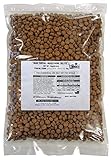
- Scientifically blended nutrient mix specifically for larger carnivorous fish
- Higher levels of carotenoids promote the development of brilliant colors
- Free of unwanted parasites and bacteria common hitchhikers in live foods
- Each pellet is the nutritional equivalent of 1.8 live goldfish
- Stabilized vitamin C to support immune system health
A step-by-step setup plan
- Confirm the species. Record Polypterus senegalus and check whether the seller’s fish could instead be another, larger bichir.
- Choose the adult footprint. Use the published 120 cm swim-length and 120 × 38 cm base references as planning points, then allow additional room for décor and tankmates. The 300 L (79 US gal) profile minimum and the separate 90-gallon recommendation are source-specific, so do not treat either as a universal guarantee.
- Install filtration before stocking. Size biological filtration for a carnivorous fish and establish the aquarium’s nitrogen cycle. Make sure intakes cannot trap fins or block the bichir’s route to the surface.
- Add a thin, soft substrate. Use sand or another smooth, cleanable bottom and avoid deep pockets where shellfish or pellets can disappear.
- Place stable shelters. Add smooth rock, bogwood or tubes, anchoring heavy pieces so they cannot collapse when the fish pushes underneath.
- Set temperature and test water. Keep the aquarium stable within the source ranges, and verify pH, hardness and nitrogen compounds with reliable tests.
- Fit the cover and verify the air gap. Close escape routes while leaving enough space for surface gulping. Recheck gaps around every cable and hose.
- Introduce food deliberately. Start with sinking meaty food near the bichir’s retreat, feed in dim light and watch until you know the fish is eating.
- Add tankmates only after observing the bichir. Confirm that it is feeding and that proposed companions cannot be swallowed or monopolize meals.
Common mistakes and how to correct them
Using a gallon number without checking dimensions
Two tanks with the same volume can have very different floor areas. Compare length and width, then account for equipment and décor. If the footprint is short or narrow, more height does not solve the movement problem.
Leaving the top open for ventilation
Surface breathing does not mean an open aquarium is safe. Replace open-top arrangements with a fitted cover that retains an air gap. Inspect it whenever equipment is moved.
Assuming pellets dropped anywhere were eaten
Food that vanishes may be buried, trapped or taken by another fish. Feed close to the bichir, use sinking food and remove leftovers. Track body condition and behavior over time.
Quick wins for a faster PC:
Clear out junk files and repair common Windows errorsFree Scan →Fix the driver behind crashes, sound loss and screen glitchesFind Drivers →Adding tiny “clean-up” fish
A fish that fits in the bichir’s mouth is prey, regardless of its role in the aquarium. Choose maintenance methods—siphoning, filter cleaning and water changes—that do not depend on sacrificial tankmates.
Overlooking the waste from a meaty diet
Shellfish, worms and frozen foods can quickly degrade water quality when uneaten. Match feeding to filtration, vacuum the bottom and keep a consistent maintenance schedule.
What the published numbers do—and do not—prove
The 25–35 cm adult range, 300 L (79 US gal) minimum and 120 cm swim length come from Aquarium Compass Editorial’s 2026 profile, reviewed July 31 with a dataset dated August 3. The specialist guide’s 120 × 38 cm base and 16-inch (40 cm) species-table entry provide a different planning perspective. Aquariadise’s March 2026 update gives 90 gallons and up to 20 inches, which conflicts with those figures.
These discrepancies are why a responsible care plan states the source and measurement, prioritizes adult footprint and leaves margin for the individual fish. None of the cited figures is a population study or a universally ratified minimum. They are practical husbandry recommendations and profile values that should be checked against the fish’s confirmed species, actual growth and tank layout.
Quick Recap
Quick checklist before purchase
- Scientific name confirmed as Polypterus senegalus.
- Adult-sized, long and broad footprint selected—not merely a temporary juvenile tank.
- Secure fitted lid installed with a clear air gap for surface breathing.
- Soft, shallow substrate and smooth retreats arranged without blocking movement.
- Biological filtration and a water-change routine sized for meaty feeding.
- Sinking carnivore foods available, with a plan to feed after dark or directly near the fish.
- No proposed tankmate is small enough to swallow or fast enough to steal every meal.
- Temperature and water tests ready, with stability prioritized over chasing a single “perfect” number.
Product prices and availability are accurate as of the date/time indicated and are subject to change. Any price and availability information displayed on Amazon at the time of purchase will apply.





Leave a Reply