
Recommended Free Tools
There is no universally proven, safe, effective DIY cat-litter recipe for home use. A homemade material may seem attractive, but the result still has to satisfy your cat’s preferences for texture and scent while absorbing urine, controlling odor, staying clean and being comfortable to dig in. Veterinary guidance commonly describes unscented, small-grain or clumping litter as acceptable to many cats, while warning that regular shredded newspaper is messy and poor at odor control. A sudden change can trigger box avoidance, and accidents outside the box can also signal illness. If you test an alternative, treat it as a cautious preference trial—not as a validated substitute for commercial litter.
Why people consider DIY cat litter
Owners may look at homemade litter because of cost, waste, convenience or concern about ingredients. Those are understandable motivations, but none guarantees that a household material will work in a litter box. The practical question is narrower: can your cat comfortably use the material, and can you keep the box acceptably dry, clean and odor-controlled?
As an Amazon Associate I earn from qualifying purchases.
A litter that fails any one of those tests can create a larger problem. If the cat dislikes the feel or smell, it may avoid the box. If the material does not absorb or separate urine, daily cleaning becomes harder. If it stays damp or scatters through the home, hygiene and maintenance suffer. The evidence reviewed for this topic does not establish a single homemade formula that solves all five requirements.
Free tools Windows power users keep installed
One-click scans. No signup required.
What cats tend to prefer
Individual cats vary, but veterinary sources identify several recurring preferences.
#1 Best Overall
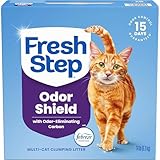
- FRESH STEP CLUMPING CAT LITTER: One 14 lb. box of Fresh Step Multi Cat Clumping Litter, Extra Strength Formula With Febreze Freshness, designed for multi cat homes.
- 15 DAYS OF ODOR CONTROL: Ammonia Block technology helps fight multi cat litter box odors and guarantees 15 days of odor control (1).
- RAPID LIQUID ABSORPTION: Fresh Step Clumping Cat Litter quickly absorbs liquid, ensuring a dry and clean litter box environment for your cat's comfort.
- FORMS TIGHT CLUMPS: Fresh Step ClumpLock technology locks in liquid and odor on contact and causes immediate kitty litter clumping to make scooping easy and prevent crumbles from being left behind.
- FRESH, CLEAN SMELL: Fresh Step clumping cat litter with Febreze freshness is an effective litter box odor fighter that helps keep your cat’s litter box smelling fresh, clean and inviting.
- Unscented material: The 2022 International Society of Feline Medicine/American Association of Feline Practitioners guidelines say unscented clumping litters are generally preferred. Strong smells from wood or recycled-paper products can put some cats off. Read the ISFM/AAFP Cat Friendly Veterinary Environment Guidelines.
- Small, easy-to-dig particles: The Merck Veterinary Manual reports that many cats prefer small, clumping particles, including clay-based products, and often recommends unscented litter. “Many” is not “all,” so acceptance must be judged for your own cat. See Merck’s litter-box guidance.
- Comfort under the paws: Pellets are larger and firmer than fine particles. The ISFM/AAFP guidelines note that some cats, particularly those with degenerative joint disease, may find pellets painful to stand on.
- Predictability: Cats can respond badly to an abrupt change in substrate. A cat that previously used a familiar litter may reject an unfamiliar texture even when the new material seems sensible to you.
These preferences explain why a material that is biodegradable or inexpensive in theory can still be unsuitable in practice. Palatability and comfort come before an owner’s preferred ingredient list.
How common DIY materials compare
No cited veterinary source provides a controlled, head-to-head ranking of homemade materials. Use the table as a decision framework rather than a performance scorecard.
| Material or approach | What the evidence says | Questions to check at home | Main caution |
|---|---|---|---|
| Regular shredded newspaper | A veterinary client guide describes it as messy and says it does not control odor. The guide discusses newspaper pellets separately. | Will the pieces stay in the box? Can urine be removed without leaving a wet layer? Does the cat step into it willingly? | Do not treat shredded paper as equivalent to manufactured paper-pellet litter. |
| Paper pellets | Paper pellets are a distinct product category. Recycled-paper pellets may have a noticeable scent, and some cats dislike the feel. | Are the pellets comfortable for this cat, especially if joints are painful? Is the scent acceptable? | Large, hard pieces may be uncomfortable for cats with mobility problems. |
| Wood shavings or wood pellets | The ISFM/AAFP guidelines note that wood products can have a strong scent. Pellets may be painful for some cats to stand on. | Does the cat tolerate the scent and footing? Can damp material be removed completely? | “Natural” does not automatically mean acceptable or comfortable. |
| Research-style biobased mixture | USDA Agricultural Research Service reported a research formulation containing eastern red cedar flakes, guar gum, food-grade mineral oil, biochar and other biodegradable ingredients. | Has the exact mixture been tested for household safety, dust, ingestion, microbial growth and box performance? | The report documents research, not a validated do-it-yourself recipe or product endorsement. |
The USDA account is useful evidence that researchers are exploring biobased litter, not permission to reproduce the formulation in a kitchen or garage. Ingredients, processing, particle size, contamination controls and testing conditions all affect safety and performance. Read the USDA ARS report.
Quick wins for a faster PC:
Repair Windows errors before they cause bigger problemsFix Now →Fix the driver behind crashes, sound loss and screen glitchesFind Drivers →The five tests a homemade litter must pass
1. Texture and digging comfort
Watch how your cat enters, turns, digs and covers waste. Hesitation, hopping out quickly or eliminating beside the box can indicate that the substrate feels wrong. Pay special attention to older cats or cats with arthritis: a hard pellet surface can be more difficult to stand on than fine particles.
Rank #2
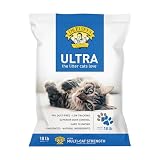
- PREMIUM QUALITY: A combination of premium texture and granule size made with 100% bentonite clay for maximum clumping creates litter particles that are just the right size.
- LOW DUST: Ideal for cats and owners who suffer from allergies with a 99.9% dust-free and hypoallergenic litter formulation.
- HARD CLUMPING: Hard clumping medium grain clay helps prevent moisture from reaching the bottom of the tray and forms hard clumps that won't break down, making it easier to scoop.
- SUPERIOR ODOR CONTROL: Formulated for single or multi-cat households with natural ingredients to keep your home smelling clean and fresh between litter box cleanings.
- LOW TRACKING: A unique formulation of medium grain clay helps keep litter in the box where it belongs.
2. Scent and willingness to use the box
Do not assume that a pleasant smell to a person is pleasant to a cat. Wood and recycled-paper products may carry a strong odor. An unscented option is generally the safer starting point for acceptance, but the cat’s behavior is the deciding evidence.
3. Urine absorption and odor control
A material needs to capture urine rather than leave a persistent wet patch. Shredded newspaper is specifically described as failing at odor control, so it should not be presented as an odor-neutral substitute. If odor returns soon after cleaning or dampness remains under the surface, the material is not meeting this requirement.
4. Daily cleaning
Can you remove feces and wet material without dismantling the whole box? Fine clumping litter is often chosen because it permits targeted scooping. A loose homemade fiber may collapse, stick to the bottom or spread through the box, increasing the work needed to keep it sanitary.
Do these 3 things before closing this tab:
1Fix the driver behind crashes, sound loss and screen glitches2Clear out junk files and repair common Windows errors3Scan for outdated or missing drivers - takes under a minute5. Your cat’s health and mobility
A material that works for a healthy adult may be unsuitable for a cat with painful joints, urinary disease, constipation or another condition that makes box access difficult. Health status belongs in the decision before any substrate experiment.
Rank #3

- EASY CLEAN-UP LITTER: ARM & HAMMER Slide Platinum Clumping Kitty Litter forms rock-hard, scoopable clumps that slide right out to prevent sticking; no scrubbing, no scraping, so litter box duty is fast and simple
- 24/7 ODOR-FIGHTING: Triple-action freshness absorbs, locks, and controls odors around the clock for a clean, comfy home
- AUTOMATIC LITTER BOX-FRIENDLY: Works in both traditional and robotic litter boxes; 99.9% dust-free formula
- 10% MORE ODOR ELIMINATORS: Online-only Platinum formulas have 10% more odor eliminators than base formulas
- MULTI-CAT STRENGTH: Stands up to heavy use with reliable performance in multi-cat homes, plus freshly scented to keep your home inviting
How to test an alternative without forcing a litter change
There is no clinical protocol that proves a particular DIY material is safe. The following approach limits the risk of trapping a cat with a disliked substrate.
- Record the baseline. Note the current litter, how often the cat uses the box, whether urine forms clumps, and how much odor or tracking you normally see.
- Inspect the candidate material. Reject anything with a strong perfume, sharp pieces, visible contaminants, excessive dust or a texture that could hurt bare paws. Do not improvise with the USDA research ingredients; the report is not a household formulation.
- Keep a familiar option available. Offer the alternative in a separate, clean box rather than removing the only box your cat already accepts. This lets the cat choose instead of turning a preference test into a forced change.
- Observe behavior quietly. Look for normal entry, digging, posture, covering and relaxed exit. Do not place the cat in the box or restrain it there.
- Check the box after each use. Assess whether urine has spread, whether waste can be removed cleanly and whether damp material is stuck to the bottom. A product that looks tidy when dry may perform poorly after use.
- Stop at the first warning sign. If the cat avoids the box, eliminates nearby, vocalizes, licks its paws repeatedly or appears painful, restore the previously accepted litter and contact a veterinarian if the change persists.
- Change only one variable at a time. Do not test a new litter, a new box location and a new box shape simultaneously; otherwise you cannot identify what caused rejection.
A successful visit does not prove long-term suitability. Continue checking odor, dampness, tracking and willingness to use the box over several days. If maintenance becomes unrealistic, the material has failed even if the cat initially accepts it.
Cleaning rules matter more than a clever recipe
Merck Veterinary Manual advises scooping daily and cleaning the entire box at least weekly. Those intervals apply regardless of whether the filler is commercial or homemade. A material that requires constant emptying may be impractical, while delaying cleaning to compensate for weak absorption can make the box less inviting.
- Remove feces and wet material every day.
- Inspect corners and the bottom for hidden dampness, especially with non-clumping fibers.
- Empty and clean the whole box at least once a week, or sooner if the material remains wet or contaminated.
- Keep the box accessible and observe whether the cat can enter and turn comfortably.
- Do not use fragrance as a substitute for removing urine and feces; scent can itself reduce acceptance.
If a homemade material scatters widely, stays damp, or cannot be separated from clean material, the extra cleaning burden is a performance problem, not merely an inconvenience.
Rank #4

- POWERFUL ODOR CONTROL: Clumping multi cat litter neutralizes ammonia, urine and fecal odors and provides 10-day odor control when used as directed
- FRESH GLADE FRAGRANCE: Glade Clear Springs scented cat litter defends against strong scents and leaves a light, airy, floral fragrance
- EASY CLEAN MAINTENANCE: Clay clumping cat litter forms strong, tight clumps for easy scooping and simple litter box maintenance
- LOW DUST POUR: Low dust cat litter creates 99.9 percent less dust for a clean pour and less mess from tiny paws
- MULTI-CAT PERFORMANCE: Scoopable cat litter with moisture-locking technology stands up to regular use in single or multi-cat households
When litter-box avoidance is not a litter problem
Changing the filler is not a complete response to house-soiling. Merck says elimination outside the box can indicate illness or behavior problems. Cornell’s Feline Health Center likewise notes that medical conditions interfering with normal urination or defecation can cause litter-box problems. Read Cornell’s overview of house soiling.
Seek veterinary advice promptly if a previously reliable cat suddenly stops using the box, strains, produces unusually small amounts of urine, cries while eliminating, has blood in urine or stool, vomits, becomes lethargic, or repeatedly soils outside the box. A litter change can coincide with illness, and treating the substrate alone can delay diagnosis.
Even without dramatic symptoms, persistent avoidance deserves professional assessment. A veterinarian can evaluate medical causes and help distinguish pain, stress, box access and substrate preference.
What’s actually slowing this PC down?
Pick the symptom - the matching free tool is one click away.
Why commercial unscented clumping litter remains a useful comparison
“Commercial” does not mean every product is right for every cat. It does provide a clearly manufactured particle size and a predictable cleaning method. Unscented clumping cat litter is a relevant category because Merck, the ISFM/AAFP guidelines and the veterinary client guide all identify unscented, clumping or small-particle characteristics as commonly acceptable to cats.
Best Value

- INCLUDES: (1) 12lb Jug of Antibacterial Scented Litter that destroys 99.9% of odor-causing bacteria and prevents bacterial odor
- 40% LIGHTER: Compared to other traditional scoopable litters, making it easier to carry, pour, and store
- ANTIBACTERIAL: Our formulation kills 99.9% of odor-causing bacteria and prevents bacterial odor for a clean litter box and sanitary home
- INSTANT ODOR-LOCKING CLUMPING POWDER: Our clay litter forms strong, easy to scoop clumps. As clay is a natural mineral you may experience color variability, but with the same superior performance
- LITTER FOR GOOD: For every Cat's Pride jug purchased, one pound of cat litter is donated to animal welfare organizations to help animals in need
Use those characteristics as a benchmark, not as a guarantee. A cat may prefer paper pellets, a different texture or another unscented product. The useful comparison is whether the candidate material offers equal or better comfort, acceptance, absorption, odor handling and cleanability for this particular animal.
The veterinary client guide distinguishes regular shredded newspaper from newspaper pellets; do not generalize the weaknesses of one to every paper product, or assume that every pellet performs identically. Read the guide’s discussion of litter choices here: Vetlearn’s Cat Litter client guide.
A decision checklist for your cat
- Is the material unscented or does it have a noticeable odor?
- Are the particles soft enough for comfortable digging and standing?
- Could a cat with arthritis or another mobility problem use it without pain?
- Does it absorb urine, or merely spread moisture through the box?
- Can you remove feces and wet material daily without leaving residue?
- Does the cat choose the test box voluntarily?
- Can you keep a familiar litter available during the trial?
- Have you ruled out illness if box avoidance or house-soiling appears?
If the answer to several questions is uncertain, a validated commercial litter is the lower-risk baseline while you discuss alternatives with your veterinarian.
The bottom line on DIY cat litter
Homemade litter is not automatically unsafe, but neither is it automatically economical, sanitary, environmentally better or acceptable to a cat. Regular shredded newspaper is specifically reported to be messy and ineffective for odor control; pellets and wood products can create scent and comfort problems; and a USDA research formulation should not be mistaken for a home recipe. Test any alternative conservatively, preserve access to a familiar box, clean at least daily and weekly as recommended, and treat sudden avoidance as a possible medical or behavioral warning—not simply a complaint about litter.
Quick Recap
Product prices and availability are accurate as of the date/time indicated and are subject to change. Any price and availability information displayed on Amazon at the time of purchase will apply.





Leave a Reply