
Yes, cats often eat more in cold months, but not every cat needs a larger meal. A four-year study of 38 adult colony cats found that average food intake was highest from late autumn through winter and lowest in summer. The researchers estimated that summer intake was about 15% lower than winter intake.
That figure describes a study population, not a universal winter allowance. Whether your own cat needs more food depends on temperature, outdoor exposure, activity, age, health, and body condition. An indoor cat in a consistently heated home may show little seasonal change, while a cat spending hours outdoors in freezing weather may use more energy to stay warm.
As an Amazon Associate I earn from qualifying purchases.
What the strongest study found
The clearest evidence comes from a prospective observational study published in PLOS ONE in 2014. Serisier and colleagues followed 38 adult colony cats in southern France for four years. The cats were fed ad libitum, meaning food was available for voluntary intake, and the researchers recorded each cat’s daily consumption with electronic scales. The group included different breeds, ages, and sexes.
Crashes, No Sound, or Screen Glitches?
Random freezes, missing sound and display glitches usually trace back to one bad driver. Find and replace yours safely.Free scan · under a minuteWindows Errors? Fix Them Before They Spread
Repair common Windows errors and clear accumulated junk for a smoother, more stable PC - no reinstall needed.Free scan · no reinstallWhen the researchers compared monthly intake with local temperature and daylight, they found a recurring seasonal pattern:
#1 Best Overall

- 【Smooth feeding, No food blockage】-Have you encountered any issues with the food cardholder not coming out while using the feeder? Are you still troubled by constantly shaking the feeder to let food flow out? Our automatic pet feeder comes with a food distribution system that ensures smooth and even feeding of food into the feeding bowl during the automatic feeding program. The detailed design and comprehensive functionality can free up your hands and time, allowing you to no longer worry about pet feeding.
- 【Custom voice recording】-You can record 10s voice to keep connected with your pets. When the feeding time you set is up, the system will automatically play your recording 3 times to shout for your pet to come and eat. Your voice will keep a close relationship with your pet and also let your pet eat with peace of mind.
- 【Fresh food prioritizes health】-The automatic cat feeder features a finger broadcasting lid opening device at the top to prevent your pet from stealing food. We have designed a desiccant placement box in our food dispenser, the design can completely isolate the air to prevent food from getting damp and moldy. We have included a desiccant to ensure the freshness of pet food.
- 【Ensure smooth feeding】- We have designed a food swinging device in the food dispenser to ensure that food can be smoothly placed into the feeding bowl from getting stuck. The feeding bowl of our automatic cat feeder is designed to tilt 8 degrees to ensure that your pet can eat in a comfortable position.
- 【Two power supply options available】- Use the 5V DC adapter while supplying the automatic cat food dispenser via 3 AA alkaline batteries(not included) installed in case of power outages, to ensure that your cat gets food consistently.
| Period | Observed intake pattern | What the study establishes |
|---|---|---|
| June–August | Lowest average intake | Summer consumption was the annual low point for this colony. |
| September and March–May | Intermediate intake | Spring and early autumn fell between summer and winter levels. |
| October–February | Highest average intake | Late autumn and winter were the peak months. |
The authors calculated that average summer food intake was approximately 15% lower than intake during winter months. That is an average difference across the cats studied, not a recommended portion increase for an individual pet. The study also found no seasonal effect on body weight, so higher intake did not translate into a measured seasonal weight change in that colony.
Temperature and daylight changed alongside food intake. The authors proposed that cold conditions could raise the energy cost of thermoregulation—maintaining a stable body temperature—but the design could not prove that temperature alone caused the appetite pattern. Day length, activity, reproductive status, and other environmental factors may also have contributed. The authors specifically called for more work in household pets.
The University of Liverpool, which reported the findings, quoted veterinarian and study author Alex German describing an energy-related explanation for cats that are out in the cold. That is an interpretation of the likely mechanism, not evidence that every cat “comfort eats” in winter: University of Liverpool report, 2014.
Read the full study for its methods and statistical analysis: Serisier et al., “Seasonal Variation in the Voluntary Food Intake of Domesticated Cats”.
What the 15% figure really means
The published percentage compares the colony’s average summer intake with its average winter intake. It does not mean that each cat ate exactly 15% more, that every winter is equally cold, or that an owner should increase a bowl by 15% on a particular date. A cat’s actual change may be smaller, absent, or larger depending on its environment and health.
It is also important to distinguish food offered from food consumed. The colony cats had food available for voluntary intake, while household cats may receive measured meals, leave leftovers, eat treats, hunt, or visit another home. A cat that appears hungrier may simply be getting less food from another source than usual, or may be responding to a change in routine rather than cold.
Why cold weather can change a cat’s calorie needs
When a cat is exposed to cold, it may spend additional energy producing and conserving heat. A cat that walks, hunts, or rests outdoors in low temperatures can therefore require more energy than the same cat lying in a heated room. Wind, damp fur, snow, and time spent outside can increase the challenge even when the thermometer reading is similar.
Quick wins for a faster PC:
Clear out junk files and repair common Windows errorsFree Scan →Fix the driver behind crashes, sound loss and screen glitchesFind Drivers →Repair Windows errors before they cause bigger problemsFix Now →Rank #2
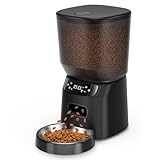
- 【Timed & Portion Control】 Program up to 6 meals a day with precise portion sizes to keep your pet healthy and prevent overeating.
Winter conditions can also alter activity. Some cats move less because they stay indoors, while others continue roaming and use more energy. Daylight affects daily routines as well: shorter days can change sleeping, hunting, and feeding patterns. These factors overlap, which is why a calendar month cannot determine a correct portion on its own.
A separate study of domestic short-hair cats reported significant age and seasonal effects on energy intake and expenditure during five-week summer and winter observation periods at different temperatures. It reinforces that age and environmental conditions matter, rather than defining one seasonal feeding formula for every pet: Bermingham et al., Journal of Animal Physiology and Animal Nutrition.
Does the winter effect apply to indoor cats?
Not necessarily. The colony study was not a trial of typical indoor pets. Household cats may live at a stable indoor temperature, receive measured meals, sleep more during dark winter days, or obtain calories from treats and other pets. Heating, insulation, indoor lighting, outdoor access, and activity can all make a house cat’s winter experience different from that of a semi-outdoor colony cat.
Indoor cats in heated homes
If your cat remains indoors in a consistently warm home, do not add food automatically in December. Continue the established ration, then use actual intake and body condition to decide whether anything needs to change. A cat that is eating the same amount, maintaining a healthy shape, and behaving normally has no evidence-based reason for a seasonal increase merely because the date changed.
The Tool Desk
Outbyte PC Repair FREERepair Windows errors before they cause bigger problemsFix Now →Outbyte Driver Updater FREEFix the driver behind crashes, sound loss and screen glitchesFind Drivers →Indoor cats can still show a seasonal pattern if the home is cool, the thermostat is lowered, or activity changes. Measure what is offered and what remains rather than relying on a visual impression of an empty bowl. Include treats, shared bowls, and food puzzles when estimating daily calories.
Cats that go outdoors
A cat that spends substantial time outside may burn more calories in cold weather. Cornell’s Feline Health Center advises that outdoor cats can need extra energy to stay warm and emphasizes providing shelter, bedding, food, and water when they cannot be kept indoors: Cornell’s cold-weather guidance.
The RSPCA likewise says cats may need more food when conditions are cold and cites the seasonal-intake study. Treat that as general welfare guidance, not an instruction to increase every cat’s ration by a fixed percentage: RSPCA cold-weather care for cats.
Rank #3

- Easy to Set Up: oneisall automatic cat food dispenser has a dial to simplify the programme. Everyone can easily set up it and control feeding
- Peaceful Mealtime for 2 Cats:The bowls are placed opposite with an 16-inch distance. It creates a comfortable space for each cat to eat same amount of food. Avoid queuing or fighting
- 5 L/20 Cups Capacity: A full tank of dry food allows 2 adult cats to eat for 10 days. You don’t need to ask neighbors or pet sisters to feed your pets when you go away for weekend or vacation
- 10 s Voice Recorder: You can record a 10 s calling message. The feeder would play the audio before each meal
- Precise Portion control:1 Portion ≈ 10 Grams ≈ 1/12 Cup. Allowed kibble size less than 0.5 inch. Up to 6 meals a day. The portion means the kibble amount of each bowl
Mixed indoor–outdoor lifestyles
For a cat that spends some days outside and some days inside, observe the actual pattern. A week of freezing weather, longer outdoor excursions, or a sheltered outdoor sleeping area may increase needs; a week spent indoors may not. Adjustments should follow those changes rather than a permanent winter rule.
What’s actually slowing this PC down?
Pick the symptom - the matching free tool is one click away.
How to decide whether to change portions
Use a measured, reversible process instead of guessing.
- Record the baseline. Weigh the daily ration and note how much is left after each feeding. Include treats, table scraps, hunting, and food available from other households where possible.
- Assess body condition. Look at your cat from above and from the side, and feel the ribs gently. You should be able to feel the ribs under a thin covering without seeing a sharply protruding skeleton; the waist and abdominal shape should remain consistent with your cat’s normal healthy condition.
- Consider the environment. Note indoor temperature, time outdoors, wind or wet conditions, activity, and whether the cat has a warm sleeping place. These details are more informative than the season label alone.
- Change food only when the observations support it. If your cat is consistently hungry, losing condition, or spending much more time in the cold, discuss a modest adjustment with your veterinarian. Do not make a large sudden increase.
- Recheck regularly. Weigh food consistently and check body condition at least weekly during a period of very cold weather. If weight or appetite moves in the wrong direction, return to the previous amount and seek veterinary advice.
A digital kitchen scale can make portions repeatable. In the colony study, intake was measured with scales, but no consumer scale was tested or prescribed for owners.
Keep calories separate from cold-weather protection
Food cannot compensate for prolonged exposure to dangerous cold. Provide a dry, insulated sleeping area away from wind and precipitation, and make sure water remains available and unfrozen. Outdoor feeding stations should be placed where food stays dry and is protected from wildlife or traffic. If conditions are severe, bringing the cat indoors is safer than trying to solve the problem with a larger meal.
Check outdoor water and food frequently in freezing weather. Wet food can become cold or freeze, and a bowl that was full earlier may no longer be usable. Shelter and bedding are especially important for cats that cannot be brought inside, but they do not replace veterinary care when a cat is weak, chilled, or losing weight.
Older cats, very young cats, thin cats, and cats with chronic illness may tolerate cold less well or have different energy requirements. Their portions and winter arrangements should be individualized with veterinary input rather than based on the colony study’s average.
When a winter appetite change needs a veterinarian
Contact a veterinarian if increased or decreased eating persists, appears suddenly, or occurs with weight loss, weight gain, vomiting, diarrhea, lethargy, unusual thirst, breathing changes, or a marked change in behavior. A seasonal pattern can be normal, but it should not be used to dismiss a sustained change in appetite or body condition.
Rank #4
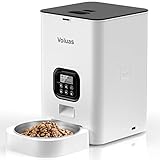
- Easy Programmable Feeding Times: Reliably feed your beloved pet at your convenience any time during the day or night; Set between 1-4 meals with 0-40 portion choices to automatically dispense food to give a personal customized diet for your pet. Each portion dispenses approximately 6-7g (1 portion≈ 1tbsp≈ 1/16 cup), making it easy to customize your pet's daily food intake
- Wired or Battery Power: Choose between a fixed wired connection with the 5V adapter USB power cable or a portable 3 D-cell battery-powered(not included) feeding station; Flexible options prevent your pet from going hungry during power outages
- Voice Record Meal Call: Let your cat hear your voice when it’s mealtime to create a strong bond and set good eating habits; Record up to 10 seconds of audio for your furry friend
- User Friendly Operation: Intuitive LCD screen makes setup and programming a breeze; Removable cleanable parts foster a healthy environment for your pet’s food
- High-Capacity Food Storage: The 4L/16.9 Cup (1 Cup = 48 Tsp) food storage will keep most pets comfortably fed for several days; Easily keep your cat or dog fed during long weekends and short business trips; Get the peace of mind of a full and happy pet
Bring your feeding notes to the appointment: food type, measured amount offered, amount eaten, treats, indoor temperature, outdoor hours, activity, and weekly weight or body-condition observations. This gives the veterinarian a clearer picture than a statement that the cat “seems hungrier in winter.”
Independent reader supportYour contribution helps us test, update, and keep practical guides available for everyone.Frequently asked questions
Should I feed my cat 15% more in winter?
No automatic increase is justified by the calendar alone. The 15% figure is the average summer-to-winter difference reported for 38 colony cats. Use your cat’s intake, body condition, activity, and cold exposure, and ask your veterinarian before making a lasting change.
Recommended Free Tools
Do indoor cats eat more in the winter?
Some may, but an indoor cat in a stable heated environment may show little seasonal change. Continue measuring meals and monitor body condition rather than assuming that an indoor cat needs extra calories.
How can I tell whether my outdoor cat needs more food?
Look for a sustained increase in hunger together with greater cold exposure, increased activity, or loss of body condition. Record portions and leftovers, provide shelter and unfrozen water, and discuss any adjustment with a veterinarian.
Is a bigger appetite always caused by cold?
No. Appetite can change with routine, activity, treats, illness, or access to food elsewhere. Sudden or persistent hunger, especially with weight loss or other symptoms, warrants a veterinary evaluation.
Can kittens or senior cats follow the 15% rule?
There is no evidence here for applying that percentage to kittens, seniors, thin cats, or cats with medical conditions. Their growth, age, health, and ability to regulate body temperature require individualized advice.
What if my cat eats less in winter?
Check whether indoor temperature, food freshness, routine, or another stressor has changed. Offer the usual food and monitor intake and weight. A persistent decrease, refusal to eat, or accompanying illness signs should be discussed promptly with a veterinarian.
Best Value

- Programmable Timed Feeding: The IMIPAW Automatic Cat Feeders helps you create a personalized, healthy feeding schedule for your pet. The 12-hour clock is easy to program and understand. You can set up multiple meals per day, and set up as many servings as your pet needs (1 serving is 7-9 grams)
- Easy to Use & Maintain: IMIPAW Auto Cat Feeder inbuilt LCD screen allows quick setup and press both UP & DOWN together to manually dispense 1 portion; Proper angle so that food will not accumulate in the food outlet, and the cat food tray are removable for cleaning. The secure lid lock design prevents pets from getting food
- Appropriate Capacity food Storage: The 3L/12 cup (1 cup = 16 tbsp) food storage will keep most pets comfortably fed for several days. Contains a desiccant bag to help keep the food fresh and easy to chew. The automatic cat food dispenser easily feeds your cat or puppy during long weekends and short business trips. Keep your pet well-fed, happy, and giving you peace of mind
- Dual Power Supply & Anti-Clogging Design. 5V DC adapter + 3 alkaline D-cell batteries (NOT INCLUDED), our automatic pet feeder for medium and small pets adopted the latest power system to prevent power outages, thus ensuring a constant food supply for your beloved pets
- Satisfaction Guaranteed: We always try to make sure you get the best quality and strive to ensure user comfort and satisfaction. If you have any problems while using this timed cat feeder, please contact us for specific instructions
The practical answer
Some cats do eat more in winter. In the best-known four-year study, adult colony cats ate most in late autumn and winter and least in summer, with summer intake about 15% lower on average. That result supports watching a cold-exposed cat closely, not applying an automatic winter surcharge to every bowl.
Keep portions steady for a healthy indoor cat in a heated home unless its measured intake or body condition changes. For cats that live or spend significant time outdoors, combine careful monitoring with extra shelter, unfrozen water, and veterinary guidance before making a lasting food increase.
Frequently Asked Questions
Should I feed my cat 15% more in winter?
No. The 15% figure is an average from 38 colony cats, not a universal allowance. Base any change on your cat’s measured intake, body condition, activity and cold exposure, preferably with veterinary guidance.
Free tools Windows power users keep installed
One-click scans. No signup required.
Do indoor cats need extra food in winter?
Not necessarily. A cat in a consistently heated home may have little seasonal change. Keep portions measured and adjust only if intake, weight or body condition changes.
How do I know if an outdoor cat needs more calories?
Track food eaten, time outdoors, activity and body condition. Greater cold exposure plus persistent hunger or loss of condition may justify a modest, veterinary-guided adjustment. Shelter and unfrozen water are also essential.
Is increased winter appetite always normal?
No. Routine changes, treats, illness or access to food elsewhere can alter appetite. Sudden or persistent changes, especially with weight loss or other symptoms, need veterinary attention.
What should I do if my cat eats less in winter?
Check food, routine and temperature, then monitor intake and weight. Ongoing reduction, refusal to eat or signs of illness should be discussed promptly with a veterinarian.
Do these 3 things before closing this tab:
1Repair Windows errors before they cause bigger problems2Scan for outdated or missing drivers - takes under a minute3Clear out junk files and repair common Windows errorsThe Bottom Line
A study of 38 colony cats found winter intake was higher than summer intake by about 15% on average, but that is not a fixed prescription. Monitor your cat’s food, body condition, activity and exposure to cold; provide shelter and water, and involve a veterinarian before making major or lasting changes.
Quick Recap
Product prices and availability are accurate as of the date/time indicated and are subject to change. Any price and availability information displayed on Amazon at the time of purchase will apply.





Leave a Reply