
Crashes, No Sound, or Screen Glitches?
Random freezes, missing sound and display glitches usually trace back to one bad driver. Find and replace yours safely.Free scan · under a minutePC Slower Than It Used to Be?
A free scan shows the junk files, broken settings and background clutter dragging Windows down - then fixes them in one click.Free scan · Windows 10 & 11Do cats grieve when another pet dies? Some cats show behavior changes that look like distress or grief-like adjustment after a household companion dies. Others show little or no visible change. Scientists have not established that cats understand death or experience grief in the same way people do, so the most accurate approach is to describe what you observe, compare it with your cat’s normal behavior, and rule out illness.
A 2024 survey of 452 surviving cats found changes such as reduced eating and play, more hiding or attention-seeking, and apparent searching. It was an owner-report study, not a controlled experiment, and it cannot tell us how many cats grieve or what they feel internally. You can still support a bereaved cat effectively: keep life predictable, offer familiar comfort and enrichment, allow choice between company and solitude, and contact a veterinarian promptly for appetite, drinking, toilet, or persistent behavior changes.
As an Amazon Associate I earn from qualifying purchases.
What “grief” means in cats
In human conversation, “grief” implies an emotional understanding of death. We do not have reliable evidence that cats hold that same concept. A surviving cat may instead be reacting to the disappearance of a familiar social partner, a changed scent landscape, altered household routines, or the distress of the people around them. Those explanations are not mutually exclusive, and current research cannot separate them cleanly.
That uncertainty should not be used to dismiss a cat’s behavior. A sudden change is meaningful even when its cause is unclear. Cats Protection notes that animal grief is poorly understood and that some cats show no outward signs. The useful question is not whether a cat passes a “grief test,” but whether this individual cat is coping normally, improving, or developing a problem that needs medical help.
#1 Best Overall

- Complete Calming Solution: This cat calming diffuser kit includes diffusers and refills (48mL per bottle). Each refill delivers a 30-day supply of continuous support to help ease your cat’s anxiety. Ideal for addressing stress triggered by vet visits, traffic noise, fireworks, thunderstorms, or loneliness, this cat pheromone calming diffuser creates a safe and serene environment for felines of all ages and breeds
- Effective Stress & Behavior Support: Our cat pheromone diffuser works to reduce common signs of feline stress such as excessive scratching, urine spraying, hiding, and restlessness. By mimicking natural feline pheromones, this cat calming diffuser provides gentle, drug-free relief, making it a reliable choice for multi-cat households or cats experiencing tension during home changes or new pet introductions
- Long-Lasting & Wide Coverage: Each refill of the cat calming diffuser releases calming pheromones for up to 30 days, with coverage for areas up to 700 square feet. The diffuser features an automatic operation with a simple press of a button, and proper placement (vents facing up) ensures optimal performance and leak prevention, maximizing the effectiveness of your cat diffuser
- Safe & Non-Toxic Formula: The cat pheromone calming diffuser uses an odorless, non-toxic, and chemical-free formula that is safe for both humans and pets. Unlike harsh treatments, this cat calming diffuser does not cause drowsiness and poses no risk to your cat’s health, making it a trusted choice for daily use in any living space
- Easy to Use & Maintain: Setting up the cat calming diffuser is effortless—simply plug it into a standard outlet, keep the bottle upright, and press the button to activate. The heated diffuser and refill system operates quietly and continuously, requiring minimal maintenance; just replace the refill every 30 days to maintain consistent calming support for your feline friend
Look for a departure from your cat’s own baseline. A naturally quiet cat may sleep a lot without being unwell; a normally social cat that suddenly hides deserves closer attention. The seven signs below are possible responses, not diagnostic criteria and not a checklist every cat should display.
Seven signs your cat may be struggling after a companion dies
1. Eating less or showing less interest in food
A cat may leave food behind, eat more slowly, refuse treats it usually likes, or approach the bowl and walk away. The change may be brief, but do not assume that a reduced appetite is emotional. Pain, nausea, dental disease, kidney problems, liver disease, infection, and other conditions can begin at the same time as a household loss.
Ohio State’s Veterinary Medical Center describes a cat stopping eating as a possible medical emergency. Contact a veterinarian as soon as possible if your cat is not eating, is eating dramatically less, or cannot keep food down. Do not force-feed, give human medication, or wait for a presumed grieving period to end before seeking advice.
Do these 3 things before closing this tab:
1Repair Windows errors before they cause bigger problems2Scan for outdated or missing drivers - takes under a minute3Clear out junk files and repair common Windows errors2. Sleeping more, less, or in different places
Some cats sleep for longer periods, while others become restless and sleep less. A cat may abandon a usual bed, choose a room associated with the deceased pet, or seek an unusually isolated spot. A 2024 caregiver survey reported changes in sleeping behavior, but it did not establish that bereavement caused those changes.
Record what is different from normal and whether your cat can wake, move comfortably, eat, drink, and use the litter tray. Marked lethargy, weakness, breathing changes, or difficulty getting up is a health concern rather than a behavior to monitor at home.
3. Less play and reduced interest in familiar activities
A cat that used to chase a wand, climb a cat tree, watch birds, or investigate food toys may stop joining in. Reduced engagement can reflect stress, but it can also signal pain or illness. Offer a short, low-pressure version of a favorite activity and stop if the cat turns away. Do not interpret refusal as proof of sadness or try to exhaust the cat into acting normally.
Interest often returns unevenly: a cat may accept a food puzzle but not a vigorous chase game, or play for two minutes instead of twenty. Small changes are useful information when tracked against the previous routine.
The Tool Desk
Outbyte PC Repair FREERepair Windows errors before they cause bigger problemsFix Now →Outbyte Driver Updater FREEFix the driver behind crashes, sound loss and screen glitchesFind Drivers →4. Hiding, withdrawing, or seeming less confident
More time under furniture, behind doors, or in a quiet room can follow the loss of a companion. Some cats become less willing to cross open spaces or greet people. Cats Protection and caregiver reports also describe the opposite pattern: a cat may seek people out, follow an owner, or demand more contact.
Provide safe hiding places and never drag the cat out to offer reassurance. Keep food, water, and a litter tray accessible without forcing the cat through a busy area. If hiding prevents eating, drinking, toileting, or basic observation, call your veterinarian.
Rank #2
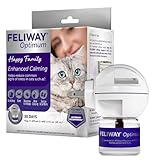
- HELPS REDUCE SIGNS OF STRESS USING A PATENTED PHEROMONE: FELIWAY Optimum is an advanced cat pheromone diffuser that helps reduce signs of stress in cats and helps ease tension between cats.*
- HELPS CATS FEEL CALM IN EVERYDAY SITUATIONS: FELIWAY Optimum is a cat calming diffuser that helps reduce stress‑related behaviors like urine spraying, scratching, hiding, and fearful reactions to change. Cat parents reported noticeable reductions in these behaviors, including a 77% reduction in urine spraying.
- SUPPORTS HARMONY IN MULTI‑CAT HOMES: Helps promote calmer interactions between cats. 72% of cat parents noticed reduced tension between their cats
- SAFE** AND NON-SEDATING: FELIWAY Optimum is not a sedative. It’s safe for use around cats, kittens, people and other pets.
- CONTINUOUS CALMING SUPPORT: This plug‑in cat pheromone diffuser provides 24/7 support when used as directed. To get started, plug into an open outlet with the vents pointed upward, allow at least 4 feet of clearance, and follow the label instructions.
5. Searching, wandering, or restlessness
A surviving cat may inspect the other animal’s bed, look into familiar rooms, wait by a door, wander, or vocalize while moving around. This can look like searching, but it may also be a response to changed scents, sounds, or routines. Do not claim that the cat is consciously looking for a dead companion; describe the behavior and its timing.
Check practical causes first. A closed door, moved furniture, new smell, or altered feeding schedule can unsettle a cat. Keep the home safe while the behavior is active: secure windows and doors, remove access to hazards, and make sure the cat cannot escape while roaming.
6. More calling or other vocal changes
Some cats meow, yowl, chirp, or call more often after a companion disappears. Others become quieter. Note when vocalizing occurs—at night, near a former sleeping area, before meals, or when the cat is alone—and whether it is accompanied by straining to urinate, repeated litter-box visits, panting, vomiting, or obvious pain.
Respond calmly and consistently. Shouting can increase fear, while immediately rewarding every prolonged call can create a new habit. A veterinary examination is appropriate for a sudden, persistent, or unusually distressed change in vocalization.
7. Changes in social behavior or grooming
Your cat may seek more lap time, follow you from room to room, sleep where the other pet slept, or avoid shared areas. Grooming can also change: some cats neglect their coat, while others overgroom one area. These observations are not proof of a particular emotion, and some cats show no visible response at all.
Inspect the coat and skin if grooming changes. Bald patches, sores, mats, dandruff, or repeated licking warrant veterinary advice. Offer contact on the cat’s terms: sit nearby, speak softly, and let the cat leave rather than holding it in place.
What the 2024 cat study actually found
A peer-reviewed 2024 paper in Applied Animal Behaviour Science surveyed 412 cat caregivers about 452 surviving cats. Caregivers reported less eating, sleeping, and playing in some cats, along with more attention-seeking, hiding, solitude, and apparent searching in others. Reported changes varied with the relationship between the animals and how much time they spent together.
The number 452 is the study’s sample size, not the percentage or proportion of cats that grieve. The participants were not a randomly selected population, the information came from caregiver observations, and the authors noted that a person’s own grief and attachment could influence what they reported. The study therefore supports the possibility of grief-like adjustment while leaving cats’ internal experience unresolved. It does not provide a timetable, a diagnostic test, or a proven treatment.
RSPCA Head of Companion Animals Sam Gaines puts the practical implication plainly: “The way in which an animal behaves can help give us a good understanding of how they’re feeling. Watching our pets closely and looking for changes to their normal behaviour can tell us more about how they are coping, allowing us to provide them with what they need.”
Rank #3

- HELPS REDUCE COMMON SIGNS OF TENSION BETWEEN CATS: FELIWAY MultiCat, developed by the #1 vet recommended brand, helps reduce common signs of tension between cats such as: conflict, fighting, chasing, and blocking
- ENHANCED CALM AT HOME FOR MULTICAT HOUSEHOLDS: FELIWAY MultiCat plug-in diffuser uses the science of pheromones to send calming messages that mimic a mother cat’s natural pheromones to help reduce tensions & conflicts. 84% of cat owners saw significant improvement in conflict between cats when using FELIWAY MultiCat
- DRUG FREE & SAFE TO USE: FELIWAY diffusers are drug-free, non-sedating, and while cat pheromone analogs may help your cat, they won't affect humans or other pets
- PROVIDES 4 WEEKS OF CALMING SUPPORT: With just one refill, the diffuser offers up to 30 days of continuous calming benefits, helping your cat feel calmer
- COVERS LARGE LIVING SPACES: Each diffuser covers an area up to 700sqft, ensuring widespread calming support throughout your home for cats of all ages. To get started, simply plug your diffuser into an open outlet with 4+ feet of space to diffuse, with the vents pointed upward
How to help a surviving cat
1. Establish a baseline and check immediate needs
Write down the cat’s normal meal pattern, water intake, sleep locations, play, grooming, social contact, and litter-box habits. Then note what changed and when. This prevents normal variation from being mistaken for a crisis and gives your veterinarian useful details.
Quick wins for a faster PC:
Fix the driver behind crashes, sound loss and screen glitchesFind Drivers →Clear out junk files and repair common Windows errorsFree Scan →Scan for outdated or missing drivers - takes under a minuteDriver Scan →Confirm that food, water, warmth, shelter, and litter trays are easy to reach. If the deceased pet previously blocked access, guarded resources, or shared a feeding station, rearrange the environment so the surviving cat can eat and toilet without competition.
2. Keep familiar routines as steady as possible
Feed at the usual times, clean litter trays on the normal schedule, and preserve ordinary lights-out and wake-up cues. Continue familiar play sessions even if they are shorter. Predictability lowers the number of changes the cat has to process at once.
If a routine must change—for example, a person’s work schedule or the location of food—shift it gradually when practical. Make one change at a time and watch the cat’s response rather than redesigning the entire home immediately.
3. Offer reassurance without forcing interaction
Invite contact with a quiet voice, a familiar blanket, gentle play, or a favorite treat. Let the cat decide whether to approach, stay nearby, or retreat. A cat that wants solitude is not rejecting you, and a cat that wants extra attention is not being manipulative.
Recommended Free Tools
Keep children and visitors from pursuing a hiding cat. Give the cat a room or elevated perch where it can observe household activity without being touched. Several brief, calm interactions are usually less demanding than one prolonged attempt to comfort it.
4. Use activities the cat already enjoys
Offer food toys, scent games, window watching, scratching surfaces, climbing opportunities, or a familiar wand toy. Start with easy versions that can be completed quickly. Rotate activities only if the cat shows interest; introducing many unfamiliar objects at once can add stress.
Reward voluntary engagement with food or praise, but do not withhold meals to make a puzzle more compelling. The goal is normal, safe behavior—not a performance that proves recovery.
5. Allow adjustment to take weeks or months
Cornell veterinary guidance cautions that adjustment can take weeks to months and does not promise a fixed timetable. Improvement may be gradual: eating returns before play, or social contact returns before sleep normalizes. Look for a trend toward stable routines rather than a perfect day-to-day pattern.
Rank #4

- HELPS REDUCE CAT STRESS: FELIWAY Classic is a cat calming diffuser that helps individual cats feel calm and reduce stress behaviors like scratching, urine spraying, and hiding
- CREATES A CALMING HOME ENVIRONMENT: FELIWAY Classic uses calming pheromone messages that cats naturally understand to help them feel comfortable and safe during everyday changes in routine or environment. 9 out of 10 cat parents noticed reduced urine spraying and 8 out of 10 saw reduced scratching
- SAFE* AND NON-SEDATING: FELIWAY Classic is not a sedative. It’s safe for use around cats, kittens, people and other pets.
- CONTINUOUS CALMING SUPPORT FOR SHARED SPACES: Plug‑in cat pheromone diffuser provides 24/7 calming support. To get started, plug into an open outlet with vents pointed upward and allow 4+ ft of clearance, and follow the label instructions.
- #1 VET RECOMMENDED BRAND**: FELIWAY is the #1 vet recommended brand, and is backed by 30 years of feline stress expertise
If the cat is worsening, failing to meet basic needs, or showing no improvement alongside any medical warning sign, seek veterinary advice instead of extending the waiting period.
6. Decide carefully about adopting another cat
A new animal is not a standard treatment for bereavement. Cats Protection notes that many cats prefer living alone and that a newcomer can be stressful. Consider the individual cat’s temperament, age, health, territorial history, available space, and your ability to manage a slow introduction.
Adopt another cat only because the long-term household plan makes sense, not because you expect a replacement companion to end the surviving cat’s behavior changes. If you do add a cat, use separate resources and a gradual introduction; do not place the newcomer directly into the deceased pet’s former territory and expect instant friendship.
7. Do not assume that showing the body explains the death
There are no studies showing that letting a surviving cat see or smell a deceased companion helps it understand the loss. Cats Protection says an owner may consider it only when the cause of death presents no infection risk and the owner feels comfortable. The changed smell may upset the surviving cat.
Free tools Windows power users keep installed
One-click scans. No signup required.
Ask your veterinarian about infectious-disease risks before making this decision. You are not depriving the cat of a proven grieving ritual if you choose not to show the body.
8. Treat calming products as optional anxiety support
Ohio State veterinary guidance mentions a cat pheromone diffuser among possible tools for reducing anxiety. Such a product is not established as a grief treatment, and individual cats may respond differently. Use it only as an adjunct to routine, environmental support, and medical assessment—not as a reason to postpone a veterinary visit.
When behavior changes need a veterinarian
Do not label a persistent change as grief until medical causes have been considered. Cornell recommends a physical examination for ongoing changes and specifically flags not eating or drinking and altered urination or defecation, including accidents. Contact a veterinarian promptly if your cat:
- stops eating, eats substantially less, or repeatedly vomits;
- drinks much more or less than usual;
- strains in the litter box, urinates repeatedly, produces little urine, or has accidents;
- has diarrhea, constipation, blood in urine or stool, or marked changes in stool;
- is unusually weak, painful, disoriented, breathing abnormally, or unable to settle;
- stops grooming, develops bald or sore areas, or cannot move normally; or
- shows a behavior change that persists, worsens, or interferes with eating, drinking, sleeping, movement, or toileting.
A cat that has not eaten should be treated as urgent because cats can become seriously ill when food intake stops. Call your clinic for timing specific to your cat’s age, weight, medical history, and current symptoms.
A simple monitoring plan for the first weeks
- Record the baseline: note meals, water, litter-box output, sleep, play, grooming, hiding, and social contact for several ordinary days if you have those observations.
- Log changes once or twice daily: write factual descriptions such as “ate half the breakfast portion” or “slept under the bed from 2–5 p.m.” rather than “seems depressed.”
- Check basic functions first: confirm food and water intake, urination, defecation, breathing, mobility, and comfort before interpreting emotional meaning.
- Keep support consistent: maintain feeding and play times, provide safe retreat spaces, and offer familiar activities without forcing them.
- Review the trend: share the log with your veterinarian if the cat worsens, fails to improve, or develops any warning sign.
This approach respects the possibility that a cat is distressed while avoiding a dangerous assumption that every change is bereavement.
The practical answer
Cats may react to the death of a household companion with changes in appetite, sleep, play, hiding, searching, vocalizing, social behavior, or grooming. Those signs vary widely, and some cats show none. Current evidence supports describing these as grief-like or distress-related adjustments rather than claiming that cats experience human-style grief.
Protect the cat’s health first, preserve familiar routines, offer patient and voluntary comfort, and make major household decisions—especially adopting another cat—based on the individual animal. Prompt veterinary care is essential for appetite loss, drinking or toilet changes, physical symptoms, or any behavior change that persists or worsens.
Quick Recap
Product prices and availability are accurate as of the date/time indicated and are subject to change. Any price and availability information displayed on Amazon at the time of purchase will apply.
What’s actually slowing this PC down?
Pick the symptom - the matching free tool is one click away.





Leave a Reply