
Some links on this page are affiliate links: if you buy through them we may earn a commission, at no extra cost to you.
No. A cat may stalk, swat, or catch an occasional cockroach, but cats are not a dependable way to keep roaches out or eliminate an infestation. Their hunting behavior is normal prey drive, not a pest-control system. Reliable control comes from inspection, removing food and water, sealing entry and storage points, monitoring activity, and using appropriately labeled treatments while protecting the cat.
Why a cat may chase a cockroach
Cats are solitary hunters. The AAFP/ISFM feline environmental-needs guideline describes hunting as a normal part of feline behavior, so a fast-moving insect can trigger stalking, pouncing, batting, and biting. Some cats are intensely interested in insects; others ignore them completely. Age, temperament, experience, indoor enrichment, and the individual cat all affect the response.
As an Amazon Associate I earn from qualifying purchases.
That behavior is local and occasional. A cat might catch the one roach it sees, while other roaches remain hidden in wall voids, cabinets, appliances, drains, or cracks. Cockroaches are generally nocturnal, according to the Victorian Department of Health, so a cat that patrols at night may encounter more activity without changing the conditions that support the population. Seeing a cat kill one insect is therefore not evidence that the home is roach-free or that the cat is deterring the rest.
What cats can and cannot do for roach control
| Approach | Role | What it can accomplish | Important limitation |
|---|---|---|---|
| Cat hunting | Incidental removal | May catch an individual roach that comes into the open. | Unpredictable; does not reach concealed insects, egg cases, or harborages. |
| Sanitation and exclusion | Prevention | Reduces food, water, and shelter that allow roaches to persist. | Requires consistent household maintenance and does not instantly remove an established population. |
| Sticky traps | Monitoring and limited capture | Shows where roaches are traveling and can catch some insects. | Must be inaccessible to the cat and is not a complete treatment by itself. |
| Consumer pesticides | Treatment | Can kill or suppress roaches when the product is suitable and used exactly as labeled. | Risk depends on the active ingredient, formulation, placement, exposure, and local label directions; no product is universally safe for every cat. |
| Licensed pest professional | Inspection and integrated control | Can identify species, locate harborages, and design a coordinated plan for persistent activity. | Costs vary by location and problem; the cat still needs to be kept away from treated areas as directed. |
NPIC recommends identifying the cockroach species and using integrated pest management (IPM), which combines inspection, prevention, monitoring, and carefully selected control methods. A cat can be present in that plan, but it is not a substitute for any of those steps.
Popular on Amazon

- Super sticky wavy glue
- After walking on our foot mat, textured glue firmly catches, holds, and allows roach legs to sink in. There’s no escape.
- Kids and pets safe
How to tell whether you have a roach problem
One roach can enter in a grocery bag, package, used appliance, or through a gap. It does not prove a large infestation, and the hour at which you see it cannot reliably determine the population size. Look for a pattern instead:
- Live or dead roaches in more than one room.
- Droppings or dark smears along cabinet edges, wall-floor joints, and behind appliances.
- Shed skins, egg cases, or a persistent musty odor.
- Repeated sightings, especially when lights are turned on at night.
- Activity around plumbing penetrations, warm appliances, or areas with moisture.
Use monitoring to replace guesswork. Place appropriately sized sticky traps along walls, under or behind appliances, and near suspected travel routes. UC IPM describes sticky traps as useful for catching and monitoring cockroaches. Check them regularly, record where activity occurs, and keep every trap where the cat cannot touch, chew, or carry it. A trap that catches nothing does not prove that no roaches are present; placement and species behavior affect the result.
Step-by-step: a cat-safe first response
- Secure food. Move dry pet food, treats, human food, and opened packages into tightly sealed plastic or glass containers. Health Canada specifically recommends this type of storage. Do not leave bowls of food out longer than necessary, and clean crumbs from feeding areas.
- Remove accessible water. Repair leaks, dry sinks and counters, empty standing water, and address condensation or damp areas. Roaches need moisture as well as food.
- Vacuum thoroughly. Concentrate on cracks, cabinet corners, under appliances, baseboards, and other travel routes. Vacuuming removes food particles and can remove egg masses. Empty the vacuum contents promptly into a sealed bag or container outside the living area.
- Reduce shelter. Clear cardboard, paper piles, clutter, and unused bags from floors and cabinets. Keep storage elevated where practical so edges and gaps can be inspected.
- Seal openings. Close gaps around pipes, utility lines, doors, windows, and baseboards with suitable materials. Add or repair door sweeps where they leave a visible entry gap.
- Monitor strategically. Install cat-inaccessible sticky traps and inspect them on a schedule. Note the species if it can be identified safely, the room, date, and number caught.
- Escalate when needed. If activity continues, appears in several rooms, or returns after cleaning and exclusion, contact a licensed pest-control professional. Ask for an IPM plan and explain that a cat lives in the home before any treatment is selected.
Using traps and pesticides around a cat
Sticky traps
Sticky traps are physical monitoring devices, not a guarantee of eradication. Place them flat against walls or in enclosed locations that the cat cannot access. Do not put a trap where a curious cat could step on it, pull it out, or chew the adhesive. If the cat contacts one, avoid pulling forcefully; cover exposed adhesive with cooking oil or another veterinarian-approved method and call a veterinary clinic for guidance if fur, paws, or skin are affected.
Insecticides and baits
Read the complete product label before purchase and again before use. The label determines where the product may be applied, the amount, ventilation requirements, drying time, re-entry interval, and disposal instructions. Keep the cat, food, water bowls, bedding, toys, and litter equipment away from treated areas exactly as directed. Never assume that a product marketed as “natural,” “pet-friendly,” or suitable for another species is safe for your cat.
Do not spray a broad surface merely because a cat has caught a roach. Misapplied insecticide can increase exposure without reaching hidden harborages. A professional may recommend targeted applications, bait stations, or other measures based on the species and site. Follow the local label and professional instructions rather than combining products or increasing the dose.
Also popular on Amazon

- Kills The Nest: Control infestations and defend your home with this roach killer that attracts roaches in search of food and water. They ingest the bait, carry it back to the nest and trigger a ripple effect, killing other roaches and the entire nest
- Long Residual Action: Designed for sustained efficacy, these cockroach bait stations deliver fast control of small roaches 24/7 for up to 12 months. It provides continuous defense against re-infestation, ensuring immediate, long-term protection
- Quick, Lasting Results: Formulated with Fipronil, a powerful and fast-acting ingredient that begins working within hours. Contains a blend of foods that German roaches and other small roaches find attractive
- Child-Resistant Design: The bait features a secure, child-resistant exterior with roach-sized entry holes. Compact design fits tight spaces like under sinks and behind appliances
- Mess-Free Setup: Includes 18 convenient, ready-to-use bait stations—no activation needed. The clean, easy way to solve your roach problem, with no vapors, fumes or lingering odors—great for kitchens, bedrooms, bathrooms and living areas
What to do after possible exposure
If a cat licks a pesticide, walks through a wet application, chews a bait station, or eats a roach that may have contacted insecticide, remove the cat from the area and keep the product container or label available. Do not induce vomiting or give home remedies unless a veterinarian specifically instructs you to do so. Contact a veterinarian or an animal poison service promptly, even if the cat seems normal. Watch for vomiting, drooling, diarrhea, weakness, tremors, breathing changes, unusual agitation, or seizures, but do not wait for symptoms before seeking advice when exposure is known or suspected.
A veterinarian-authored Petco answer notes that eating an insect can cause stomach upset and that pesticide residues are an important concern. The risk is not identical for every roach or every product, so the active ingredient, concentration, route, and amount matter.
Common questions about cats and cockroaches
Can cats detect roaches before people do?
A cat may hear, smell, or notice movement that a person misses, and its stalking behavior can draw attention to a hidden insect. However, the sources do not establish a reliable cat-based detection method. A cat staring at a cabinet or chasing a shadow is not proof of roach activity; confirm with inspection and monitoring.
Also popular on Amazon

- ADVANCED LIQUID BAIT TECHNOLOGY: This bait is extremely attractive to roaches because it combines an attractive food source with the water source they need, delivering a lethal dose quickly
- KILLS ROACHES WHERE THEY BREED: Place bait stations where roaches have been seen, or in out-of-the-way places near walls in cabinets, under sinks and refrigerators and in closets
- LEAVES NO MESS: The clear, non-staining formula kills roaches fast This ready-to-use product has nothing to activate, just pull the tab! No drips! No spills! No-mess
Does cat poop attract roaches?
Official guidance reviewed for cockroach control focuses on food, water, sanitation, and shelter and does not directly establish a specific attraction effect from cat feces. Keep the litter box clean for your cat’s health, remove feces promptly, and control food and moisture sources, but do not treat a claimed feces-attraction effect as proven.
Can a cat get sick from eating a cockroach?
Some cats have no lasting problem after catching an insect, while others develop temporary gastrointestinal upset. The greater concern is possible exposure to pesticide residues or other contaminants. Call a veterinarian for case-specific advice if the roach may have been treated, if the cat ate several insects, or if any signs of illness appear.
Do these 3 things before closing this tab:
1Clear out junk files and repair common Windows errors2Scan for outdated or missing drivers - takes under a minute3Repair Windows errors before they cause bigger problemsWhat kills roaches but is safe for cats?
There is no single product that can be promised universally safe for all cats and all homes. Safety depends on the exact formulation, label, placement, exposure, ventilation, and whether the cat can reach it. Choose only products legal for your location, follow the label without shortcuts, and obtain veterinary or pest-control advice for a specific product or exposure.
Also popular on Amazon
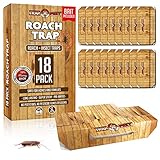
- Safe for your home - Our sticky traps for roaches can be inside your house without any problem. Our roach sticky traps catch all sizes of cockroaches and other insects.
- Easy To Use Bug Traps – Simply peel back the paper to expose the glue, place the bait pouch in the designated spot, fold the trap, and place it along walls or areas where roaches are commonly seen. For best results, ensure the trap is fully folded and set flat on the surface.
- Non-Toxic - Our insect traps sticky indoor are safe, non-toxic and odor free. Ideal to keep your family safe from unwanted pests.
- 18 Glue Traps for Cockroaches - These pack of large bug traps indoor work for cockroaches, spiders, scorpion, roaches, and other crawling insects.
- The Trap A Pest Promise - If for any reason you're not completely satisfied with these spider traps , simply contact us and we'll take care of it.
When should I hire a professional?
Seek professional help when sightings continue despite sanitation and exclusion, when roaches appear in multiple rooms, when you find egg cases, or when the building has shared walls or plumbing that may allow reinvasion. Tell the technician about the cat, ask what must be removed or covered, and request instructions for re-entry and cleanup.
Independent reader supportYour contribution helps us test, update, and keep practical guides available for everyone.The practical verdict
A cat may provide an occasional dead roach, but it will not reliably keep a home free of cockroaches. Treat hunting as normal enrichment, not as pest management. Secure food in sealed containers, remove crumbs and egg masses by vacuuming, control moisture, seal gaps, monitor with cat-inaccessible traps, and use labeled treatments or professional IPM when the problem persists.
Frequently Asked Questions
Do cats keep roaches away?
Cats may catch individual roaches, but there is no established evidence that they deter or control a household infestation. Use inspection, prevention, monitoring, and appropriately labeled treatment instead.
Also popular on Amazon

- Effective Roach Traps indoor: Easy to use, Effective, long-lasting cockroach trap, peel, fold and place the roach killer indoor infestation where roaches always appear. Our roach bait traps are effective for up to 6 months.
- Eco-friendly: Made with food-grade super sticky adhesive to ensure bugs never escape. Safe for homes with children, pets, and sensitive adults. protect your home away from cockroaches ants spiders.
- Easy to Set Up: Unique design allows for all kinds of spaces like under sinks, behind toilets, Inside cabinets and under refrigerators. Best to place roach bait in dark areas and check the cockroach every few days.
- Widely Used: Cockroach Killer is widely used in kitchens, bathrooms, inside cabinets, sewer, storage rooms and garages.
- No Extra Bait: USKICH cockroach traps incorporate bait into glue, no additional placement is required. If you have any questions, please feel free to contact us, we will give you a satisfactory answer within 24 hours.
Can a cat get sick from eating a cockroach?
Possible effects range from no apparent problem to stomach upset, with added concern if the insect carried pesticide residue. Contact a veterinarian if exposure is suspected or symptoms develop.
Does cat poop attract roaches?
The guidance reviewed does not directly establish that cat feces attract roaches. Focus on controlling food, water, sanitation, and shelter, and keep the litter box clean.
What should I do if my cat touches a sticky trap?
Prevent further contact and call a veterinary clinic for advice. Do not pull adhesive forcefully from fur or skin.





Leave a Reply