
Some links on this page are affiliate links: if you buy through them we may earn a commission, at no extra cost to you.
Yes, guinea pigs can bite or nip, but a bite is usually a response to fear, feeling trapped, uncomfortable handling, pain, illness, or conflict with another guinea pig—not spite or “badness.” Because guinea pigs are prey animals, being approached, picked up, or restrained can feel threatening, especially when the animal is not accustomed to people. The useful question is what happened immediately before the bite and whether anything else about the guinea pig has changed.
What a guinea pig bite usually means
Guinea pigs may bite a person when they feel threatened, cannot escape, or are being handled in a way they dislike. They may also nip after learning to fear human contact through little, rough, or unpredictable handling. A guinea pig that suddenly starts biting can be reacting to distress, boredom, injury, pain, or illness. The same action therefore has several possible explanations; the bite itself does not identify one cause.
As an Amazon Associate I earn from qualifying purchases.
Context matters more than the label “aggressive.” Note whether the bite followed an approach, touch, pickup, restraint, a loud noise, or an interaction with a cage mate. Record whether the behavior is new or longstanding, whether the guinea pig is eating and producing droppings normally, and whether it is hiding or moving differently. Those observations help you decide whether to change handling, improve the enclosure, or call a veterinarian.
Authoritative welfare guidance does not provide a reliable bite-prevalence statistic. The practical advice from the RSPCA, PDSA, and RSPCA Australia is qualitative: read biting as communication about fear, stress, discomfort, or health rather than as deliberate disobedience.
Popular on Amazon

- PUNCTURE & SCRATCH (not proof): (i) Thoughtfully designed to provide the right balance between protection and dexterity while grooming, transporting, or playing.
- PET GROOMING: (i) Finally, an effective water-resistant option. (ii) Flexibility provides easy grooming. (iii) Good grip & traction.
- TRIPS TO VET: (i) Protect hands & arms up to the elbow. (ii) Soft, comfortable silicone knobs help reduce pet anxiety.
- IMAGINE THE POSSIBILITIES: Handling, play, petting, teething, dogs, cats, birds, ferrets, hamsters, gerbils.
- WHAT YOU SHOULD KNOW: (i) Machine washable. (ii) Recyclable synthetic leather, spandex, silicone. (iii) Passes stricter European REACH safety standards (iv) 1 Yr Warranty.
Why guinea pigs bite people
Fear and the loss of an escape route
Guinea pigs are prey animals. Their normal response to danger is often to flee and hide, but a hand, corner, or enclosure wall can remove that option. A hand coming from above can be especially startling. If the animal cannot retreat, it may nip to make the pressure stop.
Pickup and restraint
Being lifted is not a natural situation for a guinea pig. An animal that tolerates petting on the floor may still bite when a person reaches in and raises it. Sudden grabbing, squeezing, turning the guinea pig onto its back, or allowing the hindquarters to dangle can increase fear and struggling.
Free tools Windows power users keep installed
One-click scans. No signup required.
Learned fear
Infrequent, rough, or unpredictable handling can teach a guinea pig that human hands predict an unpleasant event. The animal may begin to nip before contact because it anticipates being caught. Consistent, gentle interactions can change that expectation, but progress is gradual.
Discomfort, pain, or illness
A guinea pig that was previously calm may bite because touching or moving a painful area is intolerable. Guinea pigs can conceal pain, so a behavior change may appear before an obvious physical sign. New or persistent biting deserves a health check, particularly when it occurs with reduced appetite, unusual quietness, increased hiding, reluctance to move, or changes in drinking or droppings.
Stress or an unsuitable environment
An enclosure without enough cover, hiding places, or opportunities to tunnel can leave a guinea pig exposed. Chronic stress may make defensive responses more likely. The RSPCA advises providing enough hiding places for every guinea pig to hide at the same time, along with suitable tunnels for normal tunneling behavior.
Also popular on Amazon

- Size: One size fits most,length 24cm(9.4 in), Width 18cm(7.1 in).
- Safe Protection: Skin-friendly & bite resistant, it has cut, bite, slash and scratch resistance.The handlers will feel more secure during feeding or training them.
- Breathable and five finger design: Great protection from bites, scratches and other injuries make it greatly useful for feeding and training Birds, Parrots.You will feel more flexible during feeding or training them.
- About the material: Polyethylene fiber+Stainless steel wire, comfortable, which is safe and no harmful to your pet, and you can also use it in daily use.
- Wide Application: These bite proof gloves are perfectly fit for birds gripping, training, trimming bird feather nails, feeding ,and also Suitable for grooming, welding, planting and gardening work.
How to read the situation before you react
| What happened immediately before the nip? | What it may indicate | What to do next |
|---|---|---|
| A hand approached quickly or from above | Startle or fear | Pause, speak quietly, and approach from the front with slow movements. |
| The guinea pig was cornered or could not reach cover | Defensive response to being trapped | Open a route to a hideout or tunnel; do not pursue it around the enclosure. |
| The bite occurred during pickup or restraint | Discomfort with lifting or inadequate support | Allow the animal to settle, then support the chest and hindquarters as described below. |
| Biting began recently and occurs in several situations | Possible pain, illness, or broader distress | Check eating, drinking, droppings, movement, and hiding; contact a veterinarian if anything is abnormal. |
| The target was another guinea pig | Social conflict rather than a response to a person | Watch for escalation and separate safely if either animal is being hurt. |
This framework is for observation, not diagnosis. A guinea pig can have more than one trigger—for example, illness may make ordinary handling suddenly frightening.
The Tool Desk
Outbyte Driver Updater FREEScan for outdated or missing drivers - takes under a minuteDriver Scan →Outbyte PC Repair FREEClear out junk files and repair common Windows errorsFree Scan →What to do immediately after a guinea pig nips
- Stop the pressure. Keep your voice quiet, stop reaching, and give the guinea pig a moment to settle. Do not jerk your hand toward the animal or chase it.
- Restore an escape option. Make sure a hideout or tunnel is accessible. The animal should be able to move away rather than being forced to remain in contact.
- Check the context. Note the location, the handling step, and whether the guinea pig showed other changes. A simple written record can reveal that every nip follows one particular action.
- Decide whether handling is necessary. If the task is not urgent, postpone it until the guinea pig is calm. If handling is required for health or enclosure care, use the supported technique in the next section.
- Do not punish. Shouting, tapping, holding the animal down, or removing its hiding places is likely to increase fear. The RSPCA specifically advises being quiet and gentle and never shouting at or punishing a guinea pig.
How to handle a guinea pig without increasing fear
Set up the environment first
Keep secure hiding places and suitable tunnels in the enclosure. Provide enough cover for all guinea pigs to hide simultaneously, so one animal cannot block another’s only refuge. A familiar, suitable food reward can be prepared before handling, but food does not replace a safe environment or veterinary care.
Approach on the ground
Move slowly and approach from the front so the guinea pig can see you. Speak quietly. Let it calm before attempting to lift it. Many guinea pigs prefer being observed, stroked, or offered treats while they remain on the ground; PDSA recommends this approach, especially for children.
Lift with two-point support
- Place one hand under the guinea pig’s chest.
- Use the other hand to support the hindquarters before lifting.
- Keep the guinea pig upright and close to your body.
- Stay near the floor in case it jumps or struggles.
- Set it down gently before it becomes frantic.
Never squeeze the chest, allow the rear end to hang unsupported, or turn the guinea pig onto its back. If it begins to struggle, lower it safely rather than tightening your grip.
Make contact predictably
Short, calm sessions are preferable to forcing a long interaction. RSPCA Australia advises offering a favourite food as a reward so handling becomes associated with a pleasant experience. Use a familiar suitable food and stop if the guinea pig becomes increasingly distressed. The goal is for the animal to learn that a person’s approach does not automatically lead to a frightening restraint.
Also popular on Amazon

- 【Enhanced Flexibility & Dexterity】 Unlike bulky leather gloves that make it impossible to feel what you're doing, our Kevlar sleeves offer superior mobility. Perfect for delicate tasks like nail trimming, medicating, and precision grooming where touch sensitivity is key.
- Lightweight Scratch Protection】 Crafted with upgraded Kevlar fiber to provide an 80% boost in surface defense against accidental scratches. These sleeves are designed as a lightweight barrier for daily pet care, helping to minimize skin irritation from claws and fur.
- 【15.7" Extra-Long Full Arm Defense】 The ultra-long 40cm design ensures your entire forearm is covered, protecting you from sudden swipes during baths or handling. The finger-separated design ensures you maintain a firm grip on your pet at all times.
- 【Breathable, Washable & Eco-Friendly】 Made from sustainable, breathable fibers that prevent hand sweat and odors during long grooming sessions. Simply toss them in the wash to keep your gear fresh and grime-free after every use.
- 【Important Usage Tip】 Designed for light-to-medium protection during routine care. For extremely aggressive pets or sharp, unclipped needles-like claws, we recommend double-layering or using in conjunction with professional behavior handling to ensure maximum safety.
Supervise children
Children should be supervised around guinea pigs. Encourage them to stroke and feed the animal on the ground instead of picking it up. An adult should perform any necessary lifting and show the child how to keep hands slow and gentle.
When biting may signal a health problem
Contact a veterinarian promptly when biting is new, persistent, or accompanied by signs that the guinea pig is unwell or painful. Relevant warning signs include:
- eating less or stopping eating;
- being quieter than usual;
- hiding more than usual;
- reluctance to move or an obvious change in movement;
- changes in drinking;
- reduced or stopped droppings;
- an injury, swelling, or sensitivity when touched.
RSPCA health guidance says to seek immediate veterinary advice when pain, illness, or injury is suspected. Do not try to diagnose the cause from the bite alone. Guinea pigs may mask pain, and waiting for a dramatic symptom can delay treatment. Arrange care with a veterinarian experienced with guinea pigs, and describe when the behavior started, what preceded it, and any appetite, droppings, movement, or hiding changes.
Independent reader supportYour contribution helps us test, update, and keep practical guides available for everyone.When guinea pigs bite each other
A nip directed at a person is different from conflict between cage mates. During introductions or disputes, PDSA identifies teeth chattering as a sign of feeling threatened or angry. Chasing, cornering, opening the mouth at a companion, and repeated nipping can indicate that conflict is escalating.
Windows Errors? Fix Them Before They Spread
Repair common Windows errors and clear accumulated junk for a smoother, more stable PC - no reinstall needed.Free scan · no reinstallCrashes, No Sound, or Screen Glitches?
Random freezes, missing sound and display glitches usually trace back to one bad driver. Find and replace yours safely.Free scan · under a minuteWatch for escalation
Observe whether one guinea pig can retreat, eat, and rest without being pursued. A brief warning may not develop into an injury, but repeated chasing or cornering requires intervention. Do not put bare hands between fighting animals.
Also popular on Amazon
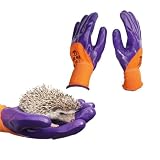
- 🛡️Ultimate Protection for Handlers : The Hedgehog Anti-Scratch Gloves offer unparalleled safety during small animal handling, ensuring a secure shield against bites and scratches. Ideal for birds, hamsters, sugar gliders, and reptiles
- 🤲Soft and Gentle Touch: Crafted from soft materials, these gloves provide a gentle touch for your furry or scaly friends. The palm side is designed to prevent scratches, while the back ensures breathable comfort during interactive sessions
- 🔄All Sizes Fit: Designed with a free size, these gloves are suitable for hands of various sizes, ensuring a comfortable fit for pet owners with different hand dimensions. A versatile choice for all pet enthusiasts and handlers
- 🦔Interactive Comfort for Exotic Pets : Specifically designed for hedgehogs, sugar gliders, and reptiles, these gloves allow for safe and comfortable interaction. The anti-scratch coating ensures both protection and a stress-free experience for your unique companions
- 🌬️Breathable and Durable: Enjoy long-lasting wear with breathable comfort. The gloves provide excellent ventilation for handlers, making the experience enjoyable for both you and your pets. Soft, durable, and designed for worry-free bonding moments
Separate safely when necessary
If the guinea pigs are hurting each other, separate them safely and keep each animal from further contact. Have scratches and bite wounds examined by a veterinarian: wounds can become infected or develop abscesses even when the surface injury looks small.
Do not use punishment as a social solution
Shouting or frightening either guinea pig will not teach an appropriate social response and can add stress. Focus on safe separation, adequate hiding places, and professional guidance for introductions or persistent conflict.
A practical observation checklist
Use this checklist for several days, or take it to the veterinarian if health concerns are present:
Quick wins for a faster PC:
Fix the driver behind crashes, sound loss and screen glitchesFind Drivers →Clear out junk files and repair common Windows errorsFree Scan →Scan for outdated or missing drivers - takes under a minuteDriver Scan →- Trigger: approach, touch, pickup, restraint, noise, feeding, or cage-mate interaction.
- Timing: first occurrence, frequency, and whether the behavior is worsening.
- Target: person, a particular body area, or another guinea pig.
- Body language: fleeing, freezing, hiding, teeth chattering, chasing, or cornering.
- Health: appetite, water intake, droppings, activity, posture, and movement.
- Environment: number of hideouts and tunnels, access to cover, and whether another guinea pig blocks a refuge.
- Handling method: where the hands were placed, whether the hindquarters were supported, and how long the animal was held.
Patterns are more informative than a single isolated nip. If every bite follows one avoidable handling step and the guinea pig is otherwise healthy, changing that step may resolve the problem. If the pattern is broad or accompanied by health changes, seek veterinary advice.
What not to assume about biting
- A bite does not prove that a guinea pig is naturally aggressive.
- A friendly guinea pig can still bite when frightened or painful.
- Being quiet does not prove that the animal is comfortable; hiding and reduced activity can be illness signs.
- A food reward can support gentler handling but cannot treat pain, illness, or a dangerous social conflict.
- Removing all cover to “force” taming takes away the animal’s coping option and can increase fear.
The RSPCA advises asking a veterinarian or clinical animal behaviourist for help when behavior becomes an ongoing problem or signs of stress or fear appear. That advice is appropriate when calm handling and environmental changes do not improve the pattern.
Sources and evidence limits
This guidance is based on the RSPCA’s current “Know Your Guinea Pig Is Happy” and “Guinea Pig Health & Welfare Tips” pages accessed October 13, 2026; PDSA’s “Guinea pigs as pets,” published October 2024, and “How to introduce guinea pigs,” accessed October 13, 2026; and RSPCA Australia Knowledgebase guidance on handling, updated August 21, 2023, and on guinea-pig care, accessed October 13, 2026.
Those sources provide welfare and handling guidance, not a named statistic describing how often guinea pigs bite. The safest conclusion is therefore behavioral and conditional: identify the trigger, reduce fear, support the animal correctly, and treat a new or health-associated change as a reason to consult a veterinarian.
What’s actually slowing this PC down?
Pick the symptom - the matching free tool is one click away.





Leave a Reply