
Recommended Free Tools
Short answer: Cleaning can be useful, but it is not automatically necessary for every dog with otitis externa and it is not a substitute for diagnosis or prescription treatment. In a small randomized 2024 study, dogs improved over five days of the same medicated ear treatment whether their ears were wiped with dry or saline-moistened gauze or manually cleaned with a commercial product. At day 7, the researchers found no statistically significant difference in overall clinical or cytological outcomes between the groups. Rod-shaped bacterial scores did fall significantly only in the manually cleaned ears, so the result does not mean that cleaning never matters.
The safest decision depends on what is in the canal, whether the eardrum is intact, the type of organisms seen on cytology, and the underlying reason the ear became inflamed. Your veterinarian should choose the cleaner, prescribe medication when needed, and decide whether home cleaning is appropriate.
As an Amazon Associate I earn from qualifying purchases.
What the 2024 randomized study actually tested
Corb and colleagues studied 23 client-owned dogs with ceruminous or purulent otitis externa, an inflammation of the external ear canal accompanied by waxy or pus-like material. The trial involved 40 ears. Researchers assigned 20 ears to wiping with dry or saline-moistened gauze and 20 ears to manual cleaning with a commercial ear-cleaning product. Every ear then received the same otic suspension containing hydrocortisone aceponate, miconazole nitrate and gentamicin sulfate once every 24 hours for five days. Cytology, modified OTIS3 scores, itch measurements and owner assessments were recorded on day 0 and day 7. The full report is available in Veterinary Dermatology.
| Study feature | What was done |
|---|---|
| Dogs and ears | 23 dogs; 40 affected ears |
| Cleaning groups | 20 ears wiped with dry or saline-moistened gauze; 20 manually cleaned with a commercial product |
| Medication | Hydrocortisone aceponate, miconazole nitrate and gentamicin sulfate otic suspension every 24 hours for five days |
| Assessments | Cytology, modified OTIS3, pruritus measures and owner assessments on day 0 and day 7 |
| Follow-up relevant to the comparison | Short-term, through day 7 |
Both groups improved significantly from baseline on the reported treatment measures. At day 7, there were no statistically significant differences between the groups in cytological scores, modified OTIS3, itch measures or owner assessments. Rod-shaped bacterial cytology scores decreased significantly only in the manually cleaned ears. The authors’ clinical-relevance statement was: “Both groups achieved successful outcome regardless of cleaning. Ear cleaning may be more important when rod-shaped bacteria are present.”
#1 Best Overall

- Developed in Collaboration with Veterinary Dermatologists: Recommended for the routine cleansing of sensitive ears in dogs, cats, puppies, and kittens of any age.
- Ideal for Allergic & Active Pets: A powerful yet gentle ear cleaner for dogs and cats with allergies, frequent swimmers, and breeds with floppy ears that are prone to moisture buildup and microbial overgrowth.
- Soothing, Non Irritating Solution: Designed to be sting free with a neutral pH, this solution is well tolerated by sensitive skin and won't interfere with other ear treatments; Can be used 2–3 times per week.
- Cleans Ear Canal: Limits the bonding of microorganisms to the ear canal surface by removing debris and excess wax.
- Patented Anti-Odor Technology: Features a patented formula that doesn't just mask smells but eliminates them, leaving your pet’s ears smelling fresh and clean.
The trial also found a significant change in OTIS3 score immediately before versus after cleaning on day 0. That shows that removing material can change the appearance or score of an ear at that moment; it does not establish that one cleaning method produces better long-term control in every dog.
What the result does—and does not—mean
It does not prove that cleaning is unnecessary
The study tested one protocol, one medicated suspension, two cleaning approaches and a small number of dogs. It was not designed to answer every question about ear flushes, cotton swabs, anesthesia-assisted procedures, chronic disease or different medications. A five-day treatment with assessment at day 7 cannot establish whether cleaning changes relapse months later.
Because both groups received active medication, the findings show that dogs can improve without the manual-cleaning procedure used in the trial when the rest of treatment is appropriate. They do not show that an untreated infection will resolve on its own, that any over-the-counter cleaner works, or that an owner should start or stop cleaning without veterinary instructions.
PC Slower Than It Used to Be?
A free scan shows the junk files, broken settings and background clutter dragging Windows down - then fixes them in one click.Free scan · Windows 10 & 11Crashes, No Sound, or Screen Glitches?
Random freezes, missing sound and display glitches usually trace back to one bad driver. Find and replace yours safely.Free scan · under a minuteRank #2
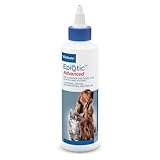
- Developed in Collaboration with Veterinary Dermatologists: Recommended for the routine cleansing of sensitive ears in dogs, cats, puppies, and kittens of any age.
- Ideal for Allergic & Active Pets: A powerful yet gentle ear cleaner for dogs and cats with allergies, frequent swimmers, and breeds with floppy ears that are prone to moisture buildup and microbial overgrowth.
- Soothing, Non Irritating Solution: Designed to be sting free with a neutral pH, this solution is well tolerated by sensitive skin and won't interfere with other ear treatments; Can be used 2–3 times per week.
- Cleans Ear Canal: Limits the bonding of microorganisms to the ear canal surface by removing debris and excess wax.
- Patented Anti-Odor Technology: Features a patented formula that doesn't just mask smells but eliminates them, leaving your pet’s ears smelling fresh and clean.
Why rod-shaped bacteria deserve attention
Rod-shaped bacteria are one cytological finding that can influence the plan. In this study, their scores declined significantly only in the manually cleaned ears. That is a signal—not proof of a universal rule—that removing debris may be particularly helpful in some bacterial cases. The clinical importance depends on the amount of discharge, the organism pattern, tissue changes and whether medication can reach the affected skin.
Why veterinarians examine and test the ear first
Otitis externa is a syndrome, not a single disease. Allergic skin disease, parasites, foreign material, moisture, endocrine disease, anatomic narrowing and other primary problems can initiate inflammation. Bacteria or yeast may then multiply as secondary, perpetuating factors. Recurrent otitis is commonly associated with underlying allergic disease, and the 2023 AAHA allergic skin disease guidelines recommend cytology in every case.
Cytology involves examining material from the canal under a microscope. It can show yeast, cocci, rod-shaped bacteria, inflammatory cells and other clues that help a clinician select and monitor treatment. A review in the Canadian Veterinary Journal describes cytology, ear examination and reassessment as central parts of managing otitis externa. A follow-up examination and repeat cytology are used to confirm that infection and inflammation have resolved rather than merely looking better for a few days.
Rank #3

- Veterinarian Formulated to Gently Clean, Deodorize, Acidify and Dry Your Pets Ears
- Safe And Gentle Ear Cleanser with Aloe Vera for Daily Use. Won't Sting, Burn or Aggravate the Ear Canal
- Eliminates Build Up of Wax, Fluid, Dirt & Debris to Stop Itching, Scratching, Head Shaking and Irritation.
- Helps Relieve Ear Infections Caused by Growths, Buildup, and Itching.
- Made in the USA in Federally Regulated Manufacturing Facilities to Ensure Quality and Safety.
Do you need to clean a dog’s ears before applying drops?
Sometimes, yes; sometimes, no. The answer is a case-specific instruction, not a universal precondition for every dose.
What’s actually slowing this PC down?
Pick the symptom - the matching free tool is one click away.
- Cleaning may be advised when discharge blocks the canal. Thick wax or pus can prevent medication from contacting the canal lining, and a veterinarian may prescribe a particular cleaner or perform a deeper procedure.
- Minimal debris may not require aggressive cleaning. The randomized study found no overall day-7 advantage for manual cleaning over gauze wiping when both groups received the same medication.
- The eardrum must be considered. A veterinarian should assess the tympanic membrane and choose products appropriate for the ear’s condition. Some ingredients can be unsafe if they reach the middle or inner ear.
- Inflamed ears are easy to traumatize. Scrubbing, probing or inserting objects can worsen swelling and pain, create abrasions or drive material deeper.
- Follow the prescribed sequence. If your veterinarian gives a cleaning-and-medication schedule, use that schedule rather than adding extra flushes or changing the interval yourself.
How to follow a veterinarian-directed home-cleaning plan
These steps describe a safe framework, not a diagnosis or a universal cleaning recipe. Use only the product, amount and frequency your veterinary team specifies.
- Confirm the plan. Ask which ear or ears need cleaning, which solution is approved, how often to use it, and how long to wait before applying medication.
- Prepare without improvising. Have the prescribed solution, clean gauze and a towel ready. Do not substitute alcohol, hydrogen peroxide, essential oils or human ear products unless your veterinarian explicitly instructs you to do so.
- Stop if the dog shows significant pain. A little head shaking can occur, but yelping, sudden aggression, loss of balance, marked redness or worsening discomfort warrants a call to the clinic.
- Apply only as directed. Place the recommended amount at the canal opening, massage the base of the ear only if instructed, and allow the dog to shake. Wipe material that reaches the outer ear with gauze; do not push gauze, cotton swabs or other objects down the canal.
- Give medication exactly as prescribed. Do not use cleaning to replace an antimicrobial, anti-inflammatory or antiparasitic treatment selected after examination and cytology.
- Record response and attend the recheck. Note odor, discharge, itch, pain and head shaking. Improvement in appearance is not proof of cure; the veterinarian may need to repeat the examination and cytology.
When home cleaning is the wrong next step
Contact a veterinarian promptly instead of attempting repeated flushing if the ear is very painful, swollen shut, bleeding, foul-smelling despite treatment, or associated with head tilt, loss of balance, facial weakness or hearing changes. Those signs can indicate severe canal disease or deeper-ear involvement.
Rank #4

- GENTLE CLEANING & EXCELLENT DESIGN: The soft and convenient finger wiping design fits your fingers, is not easy to slip off, and fits the structure of cats and dogs' ears better. The wet wipes are made of high-quality non-woven fabric and are designed with exquisite pearl patterns on both sides, which increases friction, provides deep cleaning and is more comfortable. It is quick and convenient to use and can safely and effectively remove wax accumulation and other debris from the sensitive ears
- NATURAL INGREDIENTS & PLANT FORMULA: Wet wipes are added with natural plant formula, which is non-irritating and does not contain alcohol or any other harmful chemicals. Will help safely and gently remove buildup and discharge that can cause odor, and prevent infections caused by dirt, buildup, and earwax, keeping cats and dogs fresh and healthy at all times!
- REGULAR CLEANING & GROOMING ESSENTIALS: Ear care is an important part of regular pet grooming. Pets’ ear canals need to be cleaned regularly, otherwise they will have odor and be prone to ear canal diseases. MEDUWEDU makes it easy with convenient ear cleaning wipes. Using our disposable wipes helps safely and gently remove dirt from the ear canal, effectively improving ear canal problems. Using dog ear wipes is safer than cotton swabs.
- EASILY DEODORIZE & SOOTHE DISCOMFORT: Fruity scent can reduce odor and leave a pleasant smell, bringing you closer to your pet friends, while reducing the discomfort of shaking your pet's head, scratching, and clawing caused by infection.
- FOCUS ON PET EAR CARE: Our products are not only safe in ingredients, but also come in a variety of sizes (Regular, Large) and a variety of refreshing fruit flavors (Mint, Coconut, Peach, Grapefruit.) for you to choose from. I believe your pet will love ear cleaning. Although the price is affordable, the quality is high. Please rest assured that if you are not satisfied with the product you purchased, please feel free to contact us and we will provide you with the best solution.
Do not perform a forceful deep clean at home when the canal cannot be visualized, a foreign body is possible, the dog cannot tolerate handling, or a procedure under sedation has been recommended. A clinic can remove obstructing material safely, inspect the eardrum and collect a reliable sample. Repeated home cleaning can also mask cytology findings or irritate already damaged skin if done immediately before an examination; ask the clinic whether to clean before the appointment.
Independent reader supportYour contribution helps us test, update, and keep practical guides available for everyone.Why ear infections keep coming back
Recurrence usually means that a perpetuating factor or primary disease remains, not simply that the owner failed to clean often enough. Common contributors include allergic skin disease, persistent canal narrowing, abnormal tissue growth, resistant or mixed microbial populations, inadequate treatment duration, medication that cannot reach the diseased skin and unrecognized middle-ear disease. The 2023 review on recurrent otitis emphasizes investigating these drivers and reassessing the ear during treatment: Nuttall, Journal of the American Veterinary Medical Association.
Do these 3 things before closing this tab:
1Fix the driver behind crashes, sound loss and screen glitches2Clear out junk files and repair common Windows errors3Scan for outdated or missing drivers - takes under a minuteOnce an ear has documented resolution, a new episode should trigger a fresh examination and cytology rather than automatic reuse of leftover drops. The organisms and eardrum status may differ, and some medications are inappropriate for a changed ear.
Best Value

- Vet Strength Formula: Medicated otic cleaner with soothing aloe vera that helps calms and relieves irritated pet ears.
- Effectively treats itchy or smelly ears, swimmer’s ear, ear infections, and symptoms such as inflammation, redness, and irritation in both cats and dogs.
- Safe for Regular Use: Gently cleans and dries the ear canal, helping to reduce wax buildup and eliminate unpleasant ear odors. Helps soothe ear discomfort and minimize head shaking and ear scratching.
- Sting-Free & Gentle: Vet-approved solution for all dog and cat breeds, including puppies and kittens.
- Made in the USA: Manufactured in an FDA-registered facility. NDC Code: 86207-002-08.
When specialist collaboration is worth discussing
For severe, persistent or rapidly recurrent disease—especially when the canal is chronically thickened or proliferative—a board-certified veterinary dermatologist may help identify the underlying cause and coordinate long-term management. A 2021 retrospective study of 65 dogs compared outcomes during previous primary-care management with outcomes during collaborative care involving a dermatologist. During prior primary-care management, the median number of recurrences was 4, compared with 2 during collaborative care; median time to recurrence was 21 days versus 171 days. Proliferative canal changes improved in 6 of 45 cases (13%) under prior primary care and 41 of 45 cases (91%) during collaborative care. The study is observational and retrospective, so these figures show an association rather than randomized proof that specialist care alone caused the difference. See the published report in the Journal of the American Animal Hospital Association.
| Chronic-care measure | Prior primary-care management | Collaborative specialist care |
|---|---|---|
| Dogs studied | 65 dogs in a retrospective comparison | |
| Median number of recurrences | 4 | 2 |
| Median time to recurrence | 21 days | 171 days |
| Proliferative changes improved | 6/45 (13%) | 41/45 (91%) |
| How to interpret the figures | Association from retrospective data; not a randomized causal comparison | |
Practical answers to common decisions
“Can my dog improve without deep cleaning?”
Yes, some dogs can improve with appropriate medication and gentle removal of accessible debris. In the randomized study, gauze wiping and manual cleaning produced similar short-term outcomes alongside the same otic treatment. Whether your dog can safely avoid a deeper clean depends on the canal examination, debris and cytology.
“Should I buy a cleaner and treat the infection myself?”
No. A retail cleaner may be a veterinarian-directed aid, but it does not diagnose the cause or reliably treat infection. The product must be compatible with the ear’s condition and any prescribed medication. Diagnosis, cytology and follow-up are more important than choosing a stronger-smelling or more aggressive solution.
Free tools Windows power users keep installed
One-click scans. No signup required.
“My dog looks better—can I stop?”
Do not stop or extend treatment based only on reduced scratching or odor. Follow the prescribed course and attend the recommended recheck. Persistent organisms or inflammation can remain after outward signs improve.
“Why did the infection return after cleaning?”
Cleaning removes material; it does not by itself correct allergy, canal changes, middle-ear disease or another primary trigger. A recurrence calls for examination and cytology and, when episodes are frequent or severe, discussion of an underlying-disease work-up or specialist referral.
Putting the evidence into practice
The best-supported conclusion is deliberately narrow: in 23 dogs with 40 affected ears, short-term outcomes were similar when a five-day medicated treatment was paired with gauze wiping or manual cleaning, although rod-shaped bacterial scores decreased only in the manually cleaned ears. Use that result to avoid reflexively aggressive cleaning, not to dismiss cleaning altogether. Let examination, cytology, eardrum status, pain, debris and recurrence history determine the plan, and use veterinary rechecks to verify that the ear is truly clear.
Quick Recap
Product prices and availability are accurate as of the date/time indicated and are subject to change. Any price and availability information displayed on Amazon at the time of purchase will apply.





Leave a Reply