
The Tool Desk
Outbyte Driver Updater FREEScan for outdated or missing drivers - takes under a minuteDriver Scan →Outbyte PC Repair FREEClear out junk files and repair common Windows errorsFree Scan →Some links on this page are affiliate links: if you buy through them we may earn a commission, at no extra cost to you.
The most reliable humane answer is layered management: repair the route a dog uses, remove food or digging incentives, and add a targeted deterrent such as a motion-activated sprinkler. For your own dog, exercise, supervision and reward-based redirection address the habit; for a neighbor’s or unknown dog, a secure boundary and a calm owner or animal-control conversation matter more than a loud gadget. Ultrasonic units and scent products can be trials, but veterinary guidance says ultrasonic deterrents are “variably effective at best,” so no device should carry the whole plan.
| Name | Best for | Key spec | Checked |
|---|---|---|---|
| Fence and gate repair | Long-term exclusion | Continuous physical boundary | Nov 2026 |
| Motion-activated sprinkler | Unfenced approach or narrow bed | Movement detection with brief water burst | Nov 2026 |
| Ultrasonic deterrent | Optional low-effort trial | Effectiveness is variable | Nov 2026 |
| Scent or taste product | Repeat marking in a defined spot | Needs label-safe application and reapplication | Nov 2026 |
| Training and redirection | Your own dog entering beds or digging | Exercise, supervision and reward-based alternatives | Nov 2026 |
Why is the dog entering the yard?
First find the approach route and the reward. A passing dog may enter through an open side yard, a loose gate latch or a gap under the fence. Your own dog may be seeking shade, food, a scent, prey, social contact or a preferred digging place. A visitor that appears mainly at night may be a coyote or other wildlife rather than a domestic dog, which calls for different local-wildlife guidance and extra distance.

As an Amazon Associate I earn from qualifying purchases.
PC Slower Than It Used to Be?
A free scan shows the junk files, broken settings and background clutter dragging Windows down - then fixes them in one click.Free scan · Windows 10 & 11Crashes, No Sound, or Screen Glitches?
Random freezes, missing sound and display glitches usually trace back to one bad driver. Find and replace yours safely.Free scan · under a minuteWatch from indoors or use a camera to learn whether one dog repeatedly uses the front lawn, several dogs enter through the same opening, or the dog repeatedly urinates or defecates in one place. Remove accessible food, secure bins, block a view that triggers barking, and clean marking areas so odor does not keep drawing the animal back.
Distinguish a management problem from a behavior problem. A neighbor’s dog requires a closed route, a conversation with the owner and, if necessary, animal-control help. Your own dog gives you more options: you can change exercise, sniffing opportunities, supervision and rewards every day. A device that merely startles a dog may mask the symptom while leaving boredom, prey interest or separation distress unchanged.
Popular on Amazon
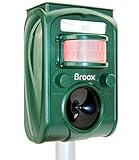
- Do you have problem with unwanted animals in your area, garden, farm? Are they destroying your garden or eating the fruits? Do they bring many viruses to you? Let's start to use Broox deer Repellent to solve your problems! This effective device helps you to get rid of unwelcome animal visitors. It contains a motion detector system which detects movements and emits powerful ultrasonic sound and flashing LED light.
- Repel animals in a humane way: Broox squirrel repellent outdoor, repels animals by emitting ultrasonic sound, alarm and LED flashing light. When the motion detector, detects a motion, it will trigger the ultrasonic speaker to emit a high frequency noise which makes animals uncomfortable, therefore, keeps them away from the protected area.
- Solar Powered and Waterproof: With a solar panel on the top of the device, it can be charged by solar energy, that benefits in energy saving and environmental protection. It also can be charged with included USB cord. This outdoor repellent uses high-grade material with the weatherproof and UV-protected construction, which can protect itself against water splashed from all directions and withstand normal rain, snow, or the harsh sun. it is perfect for garden, yard, farm.
- Human Design: ultrasonic animal repellent, Deer repellent is only to drive the animal without any chemicals. it is only issued 13.5kHz-45.5kHz ultrasound to drive them away. Please note that this repellent is effective only for animals that are capable of hearing ultrasonic frequencies. It will not work for animals such as snakes because they cannot detect ultrasonic sound.
- Easy to Install, Versatile, and Wide Sensor Coverage: take the cat repellent outdoor, choose your desired mode, and place it where needed, insert it into the ground, mount it on a wall, With 5 frequency modes, it effectively repels a wide range of animal intruders, including cats, squirrels, deer. The repeller features a 110° infrared sensor angle with a detection range of 20–25 feet, depending on the size of the animal, ensuring broad coverage and reliable performance in protecting your area.
Which dog-repellent method is best?
Physical exclusion is the best long-term choice. A motion sprinkler is a useful supplement for a defined approach when water use is allowed; training and a designated digging area are best for your own dog. Ultrasonic devices, vinegar, citrus and commercial granules can support a plan but have more variable coverage and maintenance.
| Method | Reliability and cause addressed | Risks and maintenance |
|---|---|---|
| Fence, gate and dig barrier | High continuous control; blocks the route directly | Higher initial work; inspect gaps and latches |
| Motion sprinkler | Good for a mapped approach; dog learns to avoid the active zone | Needs hose, water, batteries and winter care; can false-trigger |
| Ultrasonic unit | Low-effort trial; does not remove an incentive | VCA reports variable effectiveness; may affect household animals |
| Scent or taste spray/granules | May make a marked spot less rewarding | Rain fades products; plant and pet safety depend on the label |
| Training and redirection | Addresses exercise, attention and digging motivations | Requires daily consistency and supervision |
Use seven comparison questions before buying anything: Does it block the route continuously? Is it safe for dogs, children, wildlife and other pets? What happens in rain or freezing weather? Does it need a hose, batteries or frequent reapplication? Will it affect a public path or a neighbor? Does the dog learn to avoid the yard, or only avoid it while the device is active? Finally, does it address the reason for entry? A repaired gate scores well on continuous control but has more up-front work. A sprinkler is visible and adjustable, yet needs water and winter care. Scent products are inexpensive to try but fade and can injure plants if misapplied. Training takes time but can change the underlying habit.
How do I stop a dog digging under the fence or gate?
Close the route with smooth, paw-safe material and pair it with a better outlet. The Humane Society recommends finding why a dog is escaping, removing incentives and creating a designated digging area (Humane Society of the United States guidance).
- Refill existing holes and inspect the full fence line, including corners and the gate threshold.
- Install a self-closing latch and block the bottom gap with a buried edge, pavers or purpose-made dig-proof mesh. Do not leave exposed wire, sharp spikes or entangling loops.
- For your own dog, provide a small digging box or sand area with toys. Lead the dog there, reward digging in that zone and supervise until the new habit is reliable.
- Increase walks, sniffing and supervised play. Reward the dog for staying in the permitted area instead of punishing an escape after it happens.
- If a neighbor’s dog is digging in, document the entry point and speak with the owner; repeated roaming can be reported to local animal control.
Associated Press gardening guidance also recommends a barrier around delicate beds and, where suitable, wire under soil over favorite digging spots (Associated Press). Cover buried wire completely so paws cannot contact or catch on it, and inspect after heavy rain or a new digging attempt. A single filled hole is not a fix if the dog still has access to the same soft soil, shade or scent.
How do I set up a motion-activated sprinkler?
A motion sprinkler detects movement and delivers a brief water burst. It is often the best option for an unfenced approach, a narrow side path or a vegetable bed when water use is allowed, but it is not a guarantee for every dog.
- Map the approach. Find where the dog crosses the sidewalk or enters the lawn. Place the sensor inside your property line, aimed at the approach rather than the public path.
- Connect the hose. Use a sound outdoor faucet and check every connection for leaks. Follow the device’s battery instructions.
- Set spray distance and arc. Use the minimum range that covers the bed or entry zone. Ensure the spray cannot startle a driver, soak electrical equipment or hit a public walkway.
- Test from multiple angles. Walk toward it from the sidewalk, side gate and likely nighttime route. Check for false triggers from children, cats, rabbits, birds or moving branches.
- Use it consistently at first. Observe whether the dog calmly changes route. Reposition it if the dog changes routes, and move it if it repeatedly activates for people or wildlife.
- Check restrictions and weather. Check local water restrictions. Disable or winterize it in freezing weather, drain the hose and follow the manufacturer’s storage directions.
VCA Animal Hospitals lists motion-detector sprinklers among possible garden-management tools (VCA Animal Hospitals). The device should support, not replace, a gate or fence repair.
For a named option, Yard Enforcer is a motion-activated sprinkler suited to a defined bed, lawn edge or approach when you can supply a hose and manage winter storage. Confirm current specifications and local water rules before purchase.
Give visitors a clear warning if the sensor can activate near a walkway. Keep the spray away from outlets, extension cords and outdoor lighting. Check the sensor after mowing, moving pots or changing the bed layout; a small shift can create a blind spot or a new false trigger. If water is scarce or restricted, choose a physical barrier rather than running the sprinkler continuously.
Do ultrasonic dog repellents work?
Sometimes, but performance is inconsistent. VCA’s veterinary guidance says, “Ultrasonic deterrents appear to be variably effective at best,” so treat an outdoor ultrasonic animal repeller as an optional trial with an exit plan, not your primary boundary.
- Define success before buying: for example, a camera shows no further entries into the bed for a set observation period.
- Place the unit to cover the approach without pointing it into your own dog’s sleeping or play area.
- Test at day and night and monitor household dogs, cats and wildlife for distress or changed behavior.
- If the dog simply uses another route or there is no improvement, remove the unit and return to barriers and training rather than stacking louder devices.
Ultrasonic sound does not repair a latch, remove a food source or provide an outlet for a bored dog. Compare the cost and effort of batteries and repositioning with a simple barrier before relying on it. If your own dog begins hiding, pacing or avoiding part of the yard, stop the trial and ask a veterinarian or qualified behavior professional for advice.
Quick wins for a faster PC:
Scan for outdated or missing drivers - takes under a minuteDriver Scan →Clear out junk files and repair common Windows errorsFree Scan →Fix the driver behind crashes, sound loss and screen glitchesFind Drivers →Also popular on Amazon

- Humane Lawn & Garden Protection - Help protect lawns, gardens, flower beds, and landscaping from unwanted animal visitors with a motion-activated sprinkler that responds with a burst of water.
- Heat & Motion Animal Detection - Using passive infrared sensing technology, the Yard Enforcer detects the movement of heat-producing animals and activates a burst of water when activity is detected. Detection performance may vary based on animal size, environmental conditions, and sensor placement.
- Day, Night & Always-On Operation - Choose from Day, Night, or Always-On modes to help tailor protection for the times when animal activity is most common in your yard.
- Adjustable Detection Range & Spray Duration - Customize coverage with an adjustable sensor range of up to 40 ft. and spray durations from approximately 3 to 10 seconds to fit your outdoor space.
- 30-Minute Manual Watering Function - In addition to animal deterrence, activate a convenient 30-minute manual watering cycle for quick watering tasks around lawns, gardens, and planting areas.
Will vinegar or citrus keep dogs away?
Vinegar, diluted citrus odors and citrus peels may make a spot less attractive to some dogs, but they are not universal repellents. Rain, concentration and the dog’s motivation determine how long any effect lasts. San Antonio Animal Care lists citrus and diluted vinegar among possible aversives while warning that timing matters: a dog may wait until a person leaves (San Antonio Animal Care Services).
Use only a product whose label permits use around the specific plants and pets in the area. Test a small plant area first, reapply only as directed and stop if leaves burn or the animal coughs, vomits or shows skin irritation. Never use concentrated essential oils, ammonia, bleach, kerosene, gasoline, solvents, antifreeze, mothballs or cayenne/capsaicin where a dog can lick, inhale or contact them. These substances can poison or injure animals and people. Do not use high-powered water guns.
For a commercial granule option, Bonide Go Away! granules are intended for outdoor dog, cat and rabbit deterrence. Follow the current label for placement, edible plants, rain and reapplication; they suit a defined problem area, not an open invitation to spread chemicals across a whole yard.
Never assume a natural ingredient is automatically safe. Keep treated areas away from children and pets until the label says access is acceptable, store containers securely and wash hands after application. If exposure causes coughing, vomiting, skin irritation, eye irritation, panic or persistent distress, move the animal to fresh air or clean water as appropriate and contact a veterinarian or poison service.
What should I do when my own dog enters a flower or vegetable bed?
Manage access while teaching an alternative. Put a temporary barrier around the bed, remove tempting food or mulch, and supervise every visit. Call the dog to a permitted zone, reward four paws there and provide sniffing games, exercise and a digging box. A physical barrier protects edible plants while the new behavior develops.
Do not rely on a scent alone for a dog that is hungry, bored or chasing prey. Associated Press guidance recommends barriers and avoiding plants or chemicals that can poison dogs (Associated Press). Keep a written routine for walks, sniffing and supervised yard time so every household member responds the same way. Interrupt calmly, guide the dog to the permitted area and reward there; punishment after you discover a hole cannot teach which alternative will succeed.
How should I handle a passing, unknown or aggressive dog?
Do not approach an unknown dog that growls, lunges or attempts to bite. Bring children indoors, call your own pets inside, avoid cornering the animal and create distance behind a closed door or fence. Do not use a sprinkler, spray or startling device at close range on a dog showing aggression.
Record the time, location and safe description if you can do so without approaching. Contact the owner when it is safe; contact local animal control for repeated roaming, a bite threat or an animal that cannot be safely contained. If the visitor may be a coyote or other wildlife, keep people and pets inside and use local wildlife authorities rather than trying to handle it.
Recommended Free Tools
When speaking with a neighbor, describe the entry point, dates and any property damage without confronting the dog. Ask the owner to repair the gate or supervise the animal. A calm conversation can solve a loose-latch problem faster than escalating devices, but repeated roaming, threats or a bite require formal local reporting. Seek medical care promptly after any bite or scratch and report the incident as required in your area.
How do I troubleshoot a deterrent that is not working?
- False triggers: test the sensor from multiple angles, reduce sensitivity or arc, and check for cats, rabbits, birds, pedestrians and branches.
- The dog waits you out: pair an aversive with a physical boundary; San Antonio guidance warns an animal can learn to avoid an aversive only when a person is present.
- Rain or freezing weather: inspect hose connections, replace batteries as directed, drain and winterize the sprinkler, and reapply any labeled scent product only after checking plant safety.
- The dog changes routes: reposition the sensor and repair the newly revealed gap instead of increasing spray or sound indiscriminately.
- Repeat marking: clean the urination or defecation area, block access temporarily and use a label-safe product if appropriate.
- Several dogs enter: prioritize a self-closing gate and continuous fence repair; a single device may not cover multiple approaches.
- The device stops unexpectedly: check batteries, faucet pressure, hose kinks and the sensor’s aim, then retest from the actual entry route.
- The dog appears distressed: disable the product, provide distance and contact a veterinarian if fear, panic or physical symptoms persist.
What is the practical cost and maintenance of each option?
There is no dependable universal success rate or price comparison for these methods. Think in total upkeep rather than purchase price. Fence and gate work has the highest initial labor or hardware cost but can protect the yard continuously with little daily attention. A sprinkler usually needs a hose connection, water, batteries, leak checks and freezing-weather storage. Ultrasonic units avoid water but still need batteries, correct placement and monitoring of household animals. Scent sprays and granules are inexpensive to test yet require weather-related reapplication and careful plant-safety checks. Training and redirection cost time every day, but they address exercise, attention and digging motivations instead of only the location.
Also popular on Amazon
Before purchasing, measure the exact bed or path, count entry points and decide who will maintain the solution. A single sprinkler cannot cover a side gate and a rear fence gap at once. A small barrier around one bed may be more efficient than treating an entire lawn. Keep receipts and follow return instructions for optional devices, since effectiveness varies by dog and setting.
When should I escalate beyond a product?
A secure boundary plus changed incentives is more dependable than any repellent alone. Speak with a neighbor about a dog that repeatedly enters, involve animal control when roaming or aggression continues, and ask a veterinarian or qualified behavior professional for help with compulsive escape, fear or aggression. Keep children, cats, rabbits, birds and edible plants away from any device or product until you have confirmed it is safe for that setting.
Escalate promptly after a bite, an attempted bite near a child, repeated escapes despite repairs, or signs of panic and compulsive behavior. Save photos of damaged fencing, dates of visits and product labels for the owner, animal-control officer or veterinarian. Do not increase spray pressure, add harsher chemicals or combine multiple startling devices in an attempt to force a result.
Frequently Asked Questions
Are motion sprinklers safe for dogs?
A brief spray aimed at an entry zone is generally a low-force deterrent, but placement matters. Keep it inside your property line, use the minimum range, avoid startling a dog at close distance, and prevent activation toward children, wildlife, traffic or electrical equipment.
What is the best dog repellent for grass?
For a lawn boundary, repair the gate or fence first and remove food or marking odors. A motion sprinkler can supplement an unfenced edge when water use is permitted; scent products are temporary and require label-safe use around plants and pets.
How can I stop my dog digging when I am away?
A secure dig-proof edge and a supervised digging box are more dependable than a spray. Increase exercise and enrichment, block favorite digging spots, and arrange supervision until your dog consistently chooses the permitted area.
Do these 3 things before closing this tab:
1Scan for outdated or missing drivers - takes under a minute2Clear out junk files and repair common Windows errors3Fix the driver behind crashes, sound loss and screen glitchesWill citrus peels stop a dog from entering my yard?
Some dogs dislike citrus odors, but peels lose effect with weather and do not address a physical opening or strong motivation. Keep peels and any treatment away from chewing access, edible plants and pets, and use a barrier for reliable exclusion.
What should I do after a dog bite or attempted bite?
Get to safety, seek medical care promptly for any injury and report the incident to local animal control. Do not try to catch or corner the dog; provide its location and description from a safe distance.
The Bottom Line
Repair the route first, then use a carefully placed motion sprinkler or other limited tool as support. Training and a designated digging area help your own dog, while an unknown or aggressive visitor calls for distance and local authorities.





Leave a Reply