
Quick wins for a faster PC:
Fix the driver behind crashes, sound loss and screen glitchesFind Drivers →Clear out junk files and repair common Windows errorsFree Scan →Scan for outdated or missing drivers - takes under a minuteDriver Scan →A useful “makeover” for a dog with separation anxiety is not a cosmetic change or a quick cure. It is a practical redesign of the dog’s absences: identify what happens, prevent avoidable panic, teach alone-time in tolerable increments, and involve a veterinarian when distress is significant. Vocalizing, panting, trembling, destruction, or house-soiling can signal separation distress, but those signs can have other causes, so assessment comes first.
What a separation-anxiety makeover actually changes
Separation anxiety is distress linked to being apart from a particular person or people. The goal is not to make a dog endure a frightening absence until it gives up. The goal is to change the dog’s experience so that departures become manageable and, over time, predictably safe. That usually requires changes in three areas:
As an Amazon Associate I earn from qualifying purchases.
- Information: objective records and video show when distress starts, how intense it becomes, and what precedes it.
- Daily management: long absences that trigger panic are reduced or covered while training is under way.
- Learning and medical support: the dog practices brief, successful separations, and a veterinarian addresses medical or medication needs.
Progress is individual. A dog may improve in one setting but struggle after a move, schedule change, illness, or unusually long absence. Treat the plan as an adjustable support system rather than a one-time transformation.
The Tool Desk
Outbyte Driver Updater FREEScan for outdated or missing drivers - takes under a minuteDriver Scan →Outbyte PC Repair FREERepair Windows errors before they cause bigger problemsFix Now →Does your dog have separation anxiety?
Distress often appears during departure preparations, shortly after the person leaves, or both. Possible signs include barking or howling, persistent panting, trembling, pacing, attempts to escape, destruction near doors or windows, and urination or defecation. A dog may also refuse food when alone. None of these signs proves separation anxiety by itself.
#1 Best Overall

- #1 VET-RECOMMENDED DOG ANXIETY VEST – Help your dog feel calmer. Trusted by veterinarians, trainers and millions of pet parents, ThunderShirt is the original dog calming vest used to reduce anxiety without medication.
- PATENTED DESIGN - CALMING PRESSURE TECHNOLOGY– This patented easy-to-apply dog calming vest provides constant, gentle pressure to your dog’s torso, helping ease anxiety naturally, similar to swaddling an infant.
- RESULTS DOG OWNERS TRUST – 89%* of pet parents reported improvement in their dog’s stress-related behaviors when using the ThunderShirt Dog Calming Vest.
- HELPS RELIEVE ANXIETY FROM COMMON TRIGGERS – Ideal for thunderstorms, fireworks, separation anxiety, vet visits, grooming appointments, crate training, travel, loud noises, and new visitors at home; curbing unwanted stress-related behaviors like hiding, barking, and destructive behaviors.
- COMFORTABLE & EASY TO USE – Lightweight, breathable, and machine washable dog calming vest. Simply fasten around the neck and torso for a secure fit. No training required. The Sport model is made of 100% durable, lightweight breathable polyester fabric providing comfortable, all-day wear while maintaining full mobility.
Why a careful assessment matters
Similar behavior can result from pain, illness, incomplete housetraining, confinement distress, noise, external activity, or another fear. A veterinarian can help distinguish separation-related distress from those possibilities. The timing and context are especially useful: does the behavior begin when keys appear, only after the person leaves, during a predictable outdoor noise, or whenever the dog is confined even while someone is home?
Make an observation record
For several ordinary departures, record the date, who left, the dog’s location, the planned absence, and what happened. Note the first sign of distress, its intensity, whether the dog ate or drank, and how long recovery took after the person returned. An indoor camera or a phone positioned safely can provide video; the purpose is observation, not constant remote correction. Video may reveal that a dog settles quickly, reacts to a particular departure cue, or becomes distressed only after a certain interval.
- Record departure cues such as shoes, a coat, keys, a bag, or a specific routine.
- Note environmental events, including delivery activity, construction, storms, or other animals outside.
- Share the record with the veterinarian or qualified behavior professional rather than relying on a single dramatic incident.
Prevent panic while you build new skills
Training cannot progress efficiently if every workday absence repeatedly pushes the dog into severe distress. Where feasible, reduce absences that trigger the reaction during the treatment period. A sitter, trusted friend, family member, or suitable daycare may cover some departures; the right option depends on the dog’s social comfort, health, and household logistics. These arrangements are management, not a substitute for behavior work, but they give the dog fewer opportunities to rehearse panic.
Be realistic about what the household can sustain. A plan that requires constant supervision but cannot be maintained will fail when normal obligations return. List unavoidable absences, flexible errands, and people who can help. Then reserve predictable, low-pressure periods for short training practices.
Rank #2

- #1 VET-RECOMMENDED DOG ANXIETY VEST – Help your dog feel calmer. Trusted by veterinarians, trainers and millions of pet parents, ThunderShirt is the original dog calming vest used to reduce anxiety without medication.
- PATENTED DESIGN - CALMING PRESSURE TECHNOLOGY– This patented easy-to-apply dog calming vest provides constant, gentle pressure to your dog’s torso, helping ease anxiety naturally, similar to swaddling an infant.
- RESULTS DOG OWNERS TRUST – 89%* of pet parents reported improvement in their dog’s stress-related behaviors when using the ThunderShirt Dog Calming Vest.
- HELPS RELIEVE ANXIETY FROM COMMON TRIGGERS – Ideal for thunderstorms, fireworks, separation anxiety, vet visits, grooming appointments, crate training, travel, loud noises, and new visitors at home; curbing unwanted stress-related behaviors like hiding, barking, and destructive behaviors.
- COMFORTABLE & EASY TO USE – Lightweight, breathable, and machine washable dog calming shirt. Simply fasten around the neck and torso for a secure fit. No training required
Teach alone-time in small, successful steps
The core behavior approach is gradual exposure: practice absences short enough that the dog remains below its distress threshold, then increase duration according to the dog’s response. The exact starting point may be a few seconds, a step outside the door, or simply moving out of sight inside the home. There is no universal schedule.
- Choose a calm starting condition. Meet exercise, toileting, water, and other ordinary needs first. Start when the dog is settled, not already agitated by departure signals.
- Pick one tiny absence. Leave or move out of view for a duration the observation record suggests the dog can handle without vocalizing, frantic movement, or other distress.
- Return before the reaction. Come back calmly while the dog is still coping. The exercise teaches that a brief separation ends safely, not that panic brings a dramatic reunion.
- Repeat with consistency. Several easy repetitions are more useful than one ambitious attempt. Keep the surrounding routine quiet and predictable.
- Increase only when the dog remains comfortable. Add time in small increments, varying the steps rather than making every attempt longer.
- Adjust immediately after a reaction. If the dog shows distress, shorten the next practice substantially. Do not push through panic in the hope that the dog will “get used to it.”
- Generalize carefully. Practice with different departure cues, doors, rooms, and household members only after the basic version is reliable. Change one factor at a time.
Pairing a departure with something pleasant can support the learning process, but the reward must fit the individual dog. Food is useful only when the dog is relaxed enough to eat; refusing a normally valued treat is information that the step may be too difficult.
Food-stuffed toys: useful enrichment, not a cure
A food-stuffed puzzle toy can occupy a dog and provide counterconditioning during a brief, manageable absence. It is most plausible for mild cases in which the dog will eat while alone. Introduce the toy while you are home first, so the dog knows how to use it and does not associate it only with an alarming departure.
Crashes, No Sound, or Screen Glitches?
Random freezes, missing sound and display glitches usually trace back to one bad driver. Find and replace yours safely.Free scan · under a minutePC Slower Than It Used to Be?
A free scan shows the junk files, broken settings and background clutter dragging Windows down - then fixes them in one click.Free scan · Windows 10 & 11A severely distressed dog may ignore food, abandon the toy, or use it frantically. In that situation, offering a more elaborate puzzle does not solve the underlying problem. Use the dog’s eating behavior as a gauge of emotional state, continue with easier exposure, and discuss the pattern with a professional. The toy should be safe for the dog’s chewing style and used only when supervision and the environment make that choice appropriate.
Rank #3

- #1 VET-RECOMMENDED DOG ANXIETY VEST – Help your dog feel calmer. Trusted by veterinarians, trainers and millions of pet parents, ThunderShirt is the original dog calming vest used to reduce anxiety without medication.
- PATENTED DESIGN - CALMING PRESSURE TECHNOLOGY– This patented easy-to-apply dog calming vest provides constant, gentle pressure to your dog’s torso, helping ease anxiety naturally, similar to swaddling an infant.
- RESULTS DOG OWNERS TRUST – 89%* of pet parents reported improvement in their dog’s stress-related behaviors when using the ThunderShirt Dog Calming Vest.
- HELPS RELIEVE ANXIETY FROM COMMON TRIGGERS – Ideal for thunderstorms, fireworks, separation anxiety, vet visits, grooming appointments, crate training, travel, loud noises, and new visitors at home; curbing unwanted stress-related behaviors like hiding, barking, and destructive behaviors.
- COMFORTABLE & EASY TO USE – Lightweight, breathable, and machine washable dog calming shirt. Simply fasten around the neck and torso for a secure fit. No training required
Should you crate a dog with separation anxiety?
A crate is not automatically a safe solution. Some dogs rest comfortably in a crate; others experience confinement as an additional trigger. Assess the individual response rather than assuming that a crate prevents destruction or teaches calm.
Signs confinement is unsuitable
- Repeated escape attempts, bent bars, broken teeth, bleeding paws, or other injury risk.
- More intense panting, vocalizing, trembling, or frantic movement than when the dog has access to a safe room.
- Distress that appears specifically when the crate door closes, even while a person remains home.
If those signs occur, stop using the crate for unsupervised absences and ask the veterinarian or behavior professional about a safer setup. A dog-proofed room, pen, or gated area may be less stressful, but any alternative should be tested while someone can observe. Never use confinement as punishment for damage or elimination.
Compare the main makeover tools by purpose
| Option | Primary purpose | What to watch | Professional oversight |
|---|---|---|---|
| Video or an observation log | Identify triggers, onset, duration, and recovery | Camera placement must be safe; recordings describe behavior but do not diagnose it | Share patterns with a veterinarian or qualified behavior professional |
| Food-stuffed puzzle toy | Enrichment and possible counterconditioning | Useful only if the dog can eat; it occupies rather than treats severe panic | Ask for guidance if the dog will not eat or uses the toy dangerously |
| Crate | Resting or management space for a dog that already tolerates it | Confinement can intensify distress and create injury risk | Seek help when escape attempts or panic occur |
| Sitter, family member, or suitable daycare | Reduce triggering absences during training | The arrangement must suit the dog’s social comfort and health | A professional can help evaluate fit when the dog is fearful or reactive |
| Behavior professional or veterinary behaviorist | Individualized assessment and behavior plan | Quality and methods vary; choose reward-based care | Direct professional involvement |
| Veterinary treatment | Assess medical contributors and consider medication | Medication is not appropriate for every dog and should not replace management and behavior work | Veterinary supervision is required |
When to involve your veterinarian
Arrange a veterinary assessment when signs are intense, frequent, escalating, associated with injury, or difficult to distinguish from illness or another fear. Also seek help when the dog cannot remain calm long enough to begin very short practices, will not eat during absences, or repeatedly injures itself trying to escape. Bring the observation log and video if available.
What’s actually slowing this PC down?
Pick the symptom - the matching free tool is one click away.
Veterinary care may combine environmental changes, behavior modification, and medication. On May 6, 2026, the U.S. Food and Drug Administration announced approval of Tessie (tasipimidine oral solution) for noise aversion and separation anxiety in dogs. It is prescription-only; the FDA states that veterinary expertise is necessary to diagnose and treat these conditions. Confirm current U.S. labeling, availability, contraindications, and monitoring requirements with a veterinarian. Do not borrow medication, alter a prescribed plan, or infer a dose from another dog’s treatment.
Rank #4
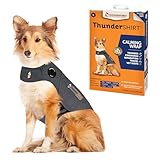
- #1 VET-RECOMMENDED DOG ANXIETY VEST – Help your dog feel calmer. Trusted by veterinarians, trainers and millions of pet parents, ThunderShirt is the original dog calming vest used to reduce anxiety without medication.
- PATENTED DESIGN - CALMING PRESSURE TECHNOLOGY– This patented easy-to-apply dog calming vest provides constant, gentle pressure to your dog’s torso, helping ease anxiety naturally, similar to swaddling an infant.
- RESULTS DOG OWNERS TRUST – 89%* of pet parents reported improvement in their dog’s stress-related behaviors when using the ThunderShirt Dog Calming Vest.
- HELPS RELIEVE ANXIETY FROM COMMON TRIGGERS – Ideal for thunderstorms, fireworks, separation anxiety, vet visits, grooming appointments, crate training, travel, loud noises, and new visitors at home; curbing unwanted stress-related behaviors like hiding, barking, and destructive behaviors.
- COMFORTABLE & EASY TO USE – Lightweight, breathable, and machine washable dog calming shirt. Simply fasten around the neck and torso for a secure fit. No training required
Use reward-based methods and avoid punishment
Destruction, barking, and elimination are expressions of distress, not deliberate revenge. Scolding after you return cannot teach the dog what to do during the absence and may make departures or reunions more frightening. Cornell’s behavior guidance and veterinary reviews recommend positive reinforcement and caution against harsh punitive methods. Avoid shock, prong, or other aversive responses for separation-related behavior. Focus on arranging an easier situation, reinforcing calm behavior, and obtaining professional help when the dog’s threshold is low.
Troubleshoot common setbacks
The dog reacts as soon as you pick up the keys
Make the cue ordinary again. Pick up the keys, sit down, and continue a normal activity without leaving. Repeat only while the dog stays relaxed, then practice a tiny departure. If the reaction remains strong, return to shorter, easier steps and discuss it with a professional.
The dog eats the toy but still panics
Eating does not prove that the absence is comfortable. Review the video: the dog may finish quickly and then become distressed, or the toy may merely delay the reaction. Shorten the absence and use the recording to set a duration below the first sign of panic.
Progress disappears after one long absence
Do not treat the setback as failure. Cover unavoidable long absences where possible, return to the last duration that was easy, and rebuild in smaller increments. Illness, schedule changes, travel, or household disruption can alter tolerance and warrant a veterinary check if the change is sudden or severe.
Best Value

- #1 VET-RECOMMENDED DOG ANXIETY VEST – Help your dog feel calmer. Trusted by veterinarians, trainers and millions of pet parents, ThunderShirt is the original dog calming vest used to reduce anxiety without medication.
- PATENTED DESIGN - CALMING PRESSURE TECHNOLOGY– This patented easy-to-apply dog calming vest provides constant, gentle pressure to your dog’s torso, helping ease anxiety naturally, similar to swaddling an infant.
- RESULTS DOG OWNERS TRUST – 89%* of pet parents reported improvement in their dog’s stress-related behaviors when using the ThunderShirt Dog Calming Vest.
- HELPS RELIEVE ANXIETY FROM COMMON TRIGGERS – Ideal for thunderstorms, fireworks, separation anxiety, vet visits, grooming appointments, crate training, travel, loud noises, and new visitors at home; curbing unwanted stress-related behaviors like hiding, barking, and destructive behaviors.
- COMFORTABLE & EASY TO USE – Lightweight, breathable, and machine washable dog calming vest. Simply fasten around the neck and torso for a secure fit. No training required. The Sport model is made of 100% durable, lightweight breathable polyester fabric providing comfortable, all-day wear while maintaining full mobility.
The dog is calm with one person but not another
Different departure cues, relationships, or routines may be influencing the response. Record who leaves and practice the easier version first. Change one variable at a time so you can see which part of the situation matters.
How to judge whether the makeover is working
Use the same observations that established the problem: time to first sign, intensity, ability to eat, duration of recovery, and whether the dog can settle after a new departure cue. Look for a pattern across multiple practices rather than one unusually good or bad day. A meaningful improvement may be that the dog remains relaxed for a longer interval, recovers faster, or can handle a previously difficult cue at a shorter distance. Keep increasing only while the dog continues to cope.
The finished plan is the one your household can maintain without exposing the dog to repeated panic. Continue management for difficult absences, keep practicing at a level the dog can handle, and revisit the veterinarian or behavior professional when symptoms change.
Free tools Windows power users keep installed
One-click scans. No signup required.
Quick Recap
Product prices and availability are accurate as of the date/time indicated and are subject to change. Any price and availability information displayed on Amazon at the time of purchase will apply.





Leave a Reply