
Free tools Windows power users keep installed
One-click scans. No signup required.
Some links on this page are affiliate links: if you buy through them we may earn a commission, at no extra cost to you.
An occasional head shake after a bath, swim, waking up, or encountering dust is usually harmless. Repeated or vigorous shaking, however, often means that something is irritating or hurting your dog’s ear. The most common cause is inflammation of the outer ear canal, but allergies, parasites, a grass awn, deeper ear disease, and even neurologic tremors can look similar.
Head shaking that continues for more than a day—or occurs with pain, discharge, odor, balance problems, or a head tilt—should be assessed by a veterinarian. The right treatment depends on what is causing the irritation; cleaning the ear or guessing at medication is not always safe.
As an Amazon Associate I earn from qualifying purchases.
What’s actually slowing this PC down?
Pick the symptom - the matching free tool is one click away.
Why is my dog shaking its head?
Dogs shake their heads to try to dislodge something uncomfortable from the ear. A single shake is not usually concerning. Frequent shaking, scratching, rubbing the side of the face, or holding one ear differently suggests a medical problem.
The most common diagnosis is otitis externa, or inflammation of the external ear canal. Signs may include:
Popular on Amazon

- POWERFUL YET GENTLE: Keeps ears clean, healthy and smelling fresh with a nonirritating, neutral-pH formula
- GREAT FOR ROUTINE CLEANING: Provides regular ear cleaning for dogs, cats, puppies and kittens
- TRUSTED BY VETERINARIANS: Relied on by veterinarians to maintain ear health and keep pets comfortable
- CLEANS AND HELPS DRY EARS: Dissolves wax, dirt and debris, and provides a drying effect after baths, swims and rainy walks
- IDEAL FOR EARS THAT NEED IT MOST: A good fit for dogs that swim or dogs that have allergies or floppy ears
- Redness, swelling, or warmth around the ear
- Bad odor
- More wax or visible discharge
- Scratching or rubbing the ear
- Pain when the ear is touched
- Crusty or scaly skin
- A narrowed or blocked ear canal
One or both ears may be affected. An ear infection can involve yeast, bacteria, or both, so discharge color and smell cannot reliably identify the cause.
Common causes of head shaking
Ear infection and inflammation
Yeast and bacteria normally present on the skin can multiply when the ear becomes warm, moist, inflamed, or otherwise disrupted. Floppy ear flaps, narrow canals, swimming, bathing, and excess hair can contribute. Infection may also develop secondarily to allergies or another underlying problem.
Allergies
Environmental allergies, food allergies, and allergic contact dermatitis can inflame the ear canal and make recurrent ear problems more likely. Dogs with allergies may also lick their paws, scratch elsewhere on the body, or develop recurrent skin infections. Treating each flare without investigating the allergy may lead to a repeating cycle.
Ear mites and other parasites
Ear mites can cause intense itching and dark, crumbly debris that resembles coffee grounds. But dark debris is not proof of mites: yeast, bacteria, and mixed infections can produce similar material. A veterinarian can examine the debris under a microscope before choosing treatment.
A foreign object
Grass awns, foxtails, insects, ticks, dirt, or other plant material can lodge in the ear canal. Sudden, severe shaking—particularly from just one ear after a walk or time outdoors—is a reason to arrange a prompt examination. A deeply lodged object may require sedation for safe removal.
Also popular on Amazon
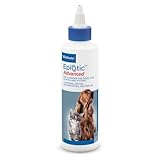
- POWERFUL YET GENTLE: Keeps ears clean, healthy and smelling fresh with a nonirritating, neutral-pH formula
- GREAT FOR ROUTINE CLEANING: Provides regular ear cleaning for dogs, cats, puppies and kittens
- TRUSTED BY VETERINARIANS: Relied on by veterinarians to maintain ear health and keep pets comfortable
- CLEANS AND HELPS DRY EARS: Dissolves wax, dirt and debris, and provides a drying effect after baths, swims and rainy walks
- IDEAL FOR EARS THAT NEED IT MOST: A good fit for dogs that swim or dogs that have allergies or floppy ears
Moisture after swimming or bathing
Water trapped in the ear can soften the skin and encourage inflammation or microbial overgrowth. This is more likely in dogs with floppy ears or narrow, hairy canals. A dog may shake briefly after getting wet, but persistent shaking is not something to dismiss as normal post-swim behavior.
Recommended Free Tools
Middle- or inner-ear disease
An infection or other disorder deeper in the ear can affect balance as well as hearing. Head tilt, stumbling, falling, abnormal eye movements, nausea, or vomiting are particularly concerning signs.
Aural hematoma
Repeated shaking and scratching can rupture small blood vessels in the ear flap. The result is an aural hematoma: a soft, fluid-filled swelling that makes the flap look puffy or balloon-like. It is painful and can leave the ear permanently thickened or “cauliflower-like” if untreated. The underlying itch or infection also needs treatment.
Neurologic tremors
A rhythmic head bob or tremor is not always an ear problem. Some tremors become more obvious with excitement and lessen when the dog rests or sleeps. New, unexplained tremors still need veterinary assessment because toxins, seizures, infection, and other neurologic disorders can produce abnormal movements.
When is head shaking an emergency?
Contact a veterinarian the same day, or use an emergency clinic when appropriate, if head shaking occurs with any of the following:
Also popular on Amazon

- Veterinarian Formulated to Gently Clean, Deodorize, Acidify and Dry Your Pets Ears
- Safe And Gentle Ear Cleanser with Aloe Vera for Daily Use. Won't Sting, Burn or Aggravate the Ear Canal
- Eliminates Build Up of Wax, Fluid, Dirt & Debris to Stop Itching, Scratching, Head Shaking and Irritation.
- Helps Relieve Ear Infections Caused by Growths, Buildup, and Itching.
- Made in the USA in Federally Regulated Manufacturing Facilities to Ensure Quality and Safety.
- A persistent head tilt
- Loss of balance, stumbling, falling, or a drunken-looking walk
- Vomiting or unusual eye movements
- Seizures, severe lethargy, confusion, or reduced responsiveness
- Severe ear pain, crying, or inability to tolerate gentle handling
- A rapidly developing, soft swelling of the ear flap
- Open wounds or significant bleeding
- Possible exposure to a toxin
These signs may indicate middle- or inner-ear disease, a neurologic problem, severe trauma, or another condition that should not wait. Cornell University’s veterinary guidance also identifies head tilt, an unsteady gait, and severe self-trauma as reasons for urgent care.
How a veterinarian finds the cause
Diagnosis usually involves more than looking at the discharge. The veterinarian may:
- Ask when the shaking began and whether it followed swimming, bathing, outdoor activity, or a new food or medication.
- Ask about previous ear infections, allergies, and treatments that have or have not worked.
- Inspect the ear flap and canal with an otoscope, including the eardrum when possible.
- Examine ear debris under a microscope for yeast, bacteria, inflammatory cells, or mites.
- Recommend culture and antibiotic-susceptibility testing for resistant, severe, or recurrent bacterial infections.
- Consider imaging, allergy investigation, biopsy, or other tests if the problem is chronic, one-sided, obstructive, or associated with middle-ear disease.
A painful, swollen, or debris-filled ear may be impossible to examine while the dog is awake. Sedation or anesthesia can be necessary to inspect the canal, assess the eardrum, remove a foreign body, or clean the ear without causing further distress.
How is a dog’s head shaking treated?
Treatment is selected after examining the ear and identifying the likely cause. It may include:
| Cause or finding | Possible treatment |
|---|---|
| Yeast or bacterial otitis | Veterinary ear cleaning plus prescription topical antifungal, antibacterial, anti-inflammatory, or combination medication |
| Parasites | An appropriate veterinary parasite treatment, sometimes for other pets in the household as well |
| Foreign material | Careful removal, sometimes under sedation or anesthesia |
| Severe inflammation or pain | Veterinary pain and itch control; oral or injectable medication when indicated |
| Allergy or endocrine disease | Long-term management of the underlying condition |
| Middle-ear disease or resistant infection | Further testing and treatment based on examination, imaging, and culture results |
| Aural hematoma | Drainage or surgical management when needed, alongside treatment of the ear problem that caused the shaking |
Systemic antibiotics are not automatically needed for an uncomplicated outer-ear infection. They are more likely to be considered when middle-ear disease is suspected or testing shows they are appropriate. Follow the prescribed course exactly. Acute ear problems commonly need around two to four weeks of treatment, while chronic cases can take months and may require ongoing maintenance and rechecks.
Also popular on Amazon

- Vet Strength Formula: Medicated otic cleaner with soothing aloe vera that helps calms and relieves irritated pet ears.
- Effectively treats itchy or smelly ears, swimmer’s ear, ear infections, and symptoms such as inflammation, redness, and irritation in both cats and dogs.
- Safe for Regular Use: Gently cleans and dries the ear canal, helping to reduce wax buildup and eliminate unpleasant ear odors. Helps soothe ear discomfort and minimize head shaking and ear scratching.
- Sting-Free & Gentle: Vet-approved solution for all dog and cat breeds, including puppies and kittens.
- Made in the USA: Manufactured in an FDA-registered facility. NDC Code: 86207-002-08.
Repeat cytology or an ear examination may be needed even when the ear looks better. Stopping medication as soon as the odor or discharge improves can allow infection and inflammation to return.
What you can do at home while waiting for an appointment
- Keep the ear dry. Avoid swimming and bathing until the cause is known.
- Prevent scratching. An Elizabethan collar can help limit self-trauma if your dog keeps clawing at the ear.
- Do not force a flush. A painful or severely inflamed ear may worsen with vigorous cleaning.
- Do not insert cotton swabs. They can push debris deeper or injure the canal.
- Use only products your veterinarian has recommended. If cleaning has been advised, wipe only as far as a finger can comfortably reach and stop if your dog shows pain.
Do not use vinegar mixtures, alcohol, hydrogen peroxide, essential oils, leftover human medicines, or another pet’s ear drops. Some products irritate inflamed tissue, and certain medications can damage hearing if the eardrum is ruptured. The eardrum needs to be assessed before some cleaners and medications are used.
Independent reader supportYour contribution helps us test, update, and keep practical guides available for everyone.Can head shaking be prevented?
Prevention depends on the underlying cause. Dry the outer ear gently after swimming if your veterinarian recommends a suitable ear-cleaning routine, and ask before plucking hair from the canal or cleaning healthy ears frequently. Overcleaning can irritate the skin.
Quick wins for a faster PC:
Scan for outdated or missing drivers - takes under a minuteDriver Scan →Repair Windows errors before they cause bigger problemsFix Now →Dogs with allergies or recurrent otitis often need a long-term plan rather than repeated short courses of drops. Keep a record of flare-ups, activities, foods, treatments, and which ear is affected. That history can help the veterinarian identify patterns and investigate conditions such as allergy, hypothyroidism, hyperadrenocorticism, immune-mediated disease, growths, or middle-ear disease.
For more veterinary background, see the Merck Veterinary Manual’s overview of canine ear infections and Cornell University’s guidance on cleaning a dog’s ears.
Also popular on Amazon

- Advanced Formulation Designed to Gently Clean, Deodorize and Dry Your Pets Ears
- Gentle and Safe for Regular Use which Helps Reduce the Risk of Ear Infections, Minimize Wax Build Up and Remove Debris in and Around the Ear
- 100 Convenient, Soothing and Non-Irritating Disposable Ear Wipes for Dogs. For Dogs Over 12 Weeks Old
- Reduces Foul Ear Odor and Helps Prevent Infection to Keep Your Dog Happy and Healthy without Medication
- Made in the USA in Federally Regulated Manufacturing Facilities to Ensure Quality and Safety
FAQ
Is occasional head shaking normal for a dog?
Yes, a brief shake after waking, bathing, swimming, or encountering dust can be normal. Repeated, vigorous, or persistent shaking is different and commonly signals ear irritation, pain, or itching.
Does dark ear discharge mean my dog has ear mites?
No. Ear mites can cause dark, coffee-ground-like debris, but yeast, bacteria, and mixed infections can look similar. A microscopic examination is needed to confirm mites.
Do these 3 things before closing this tab:
1Repair Windows errors before they cause bigger problems2Scan for outdated or missing drivers - takes under a minute3Clear out junk files and repair common Windows errorsCan I put human ear drops in my dog’s ear?
No. Human or leftover ear medication may irritate the canal or be unsafe if the eardrum is damaged. Use only a product prescribed or specifically recommended by your veterinarian.
How quickly should I take my dog to the vet for head shaking?
Arrange an appointment if shaking persists for more than a day, keeps returning, or occurs with odor, discharge, scratching, redness, or pain. Seek same-day or emergency care for head tilt, loss of balance, vomiting, abnormal eye movements, severe pain, bleeding, or a swollen ear flap.
The Bottom Line
Persistent dog head shaking is usually a symptom of an ear problem, not a condition to diagnose from discharge color alone. Keep the ear dry, prevent scratching, avoid home remedies and cotton swabs, and arrange a veterinary examination. Head tilt, balance changes, severe pain, bleeding, neurologic signs, or a swollen ear flap make the situation urgent.
This article is for general information and does not replace an examination by a veterinarian.





Leave a Reply