
For an adult Mallard in breeding plumage, the male (drake) is usually the bird with an iridescent green head, narrow white neck ring, chestnut breast and gray body. The female (hen) is mottled brown. Their calls reinforce the identification: the familiar loud quack is the hen’s call, while the drake produces softer raspy notes or short whistles.
Those clues do not apply uniformly to every duck. Both Mallard sexes have a purple-blue wing patch, and a drake can lose his bright colors during the post-breeding eclipse molt. Identify the species first, then combine plumage, voice, bill and wing clues instead of treating one feature as conclusive.


As an Amazon Associate I earn from qualifying purchases.
The fastest reliable answer for Mallards
When the species is a Mallard and the adults are in breeding plumage, start with the body, not the wing patch.
| Feature | Typical drake | Typical hen | How much it helps |
|---|---|---|---|
| Head | Iridescent green | Mottled brown overall | Strong clue in breeding plumage |
| Neck | Narrow white ring | No contrasting white ring | Strong clue when visible |
| Breast and body | Chestnut breast with grayish body | Brown, mottled plumage | Use with the head and neck pattern |
| Voice | Soft raspy notes or short whistles | Loud, familiar quack | Useful supporting clue for Mallards |
| Wing patch (speculum) | Purple-blue | Purple-blue | Shared feature; cannot sex the bird by itself |
Color can look different in shade, distance or poor light, so confirm a visual impression with the call or another field mark. If the bird lacks the expected green head, do not immediately label it a hen: a male Mallard may be in eclipse plumage.
#1 Best Overall
Identify the duck species before sexing it
“Drake” and “hen” describe male and female ducks, but the signs of sex are species-specific. A rule that works on a Mallard can fail on another waterfowl species. Before deciding whether a bird is male or female, ask what species it is.
Start with the whole bird
Note the bird’s overall shape, head profile, body pattern, bill and wing markings. Look at several birds nearby if possible. A flock can reveal which colors are shared by the species and which appear only on one sex.
Use a field guide for the species decision
A duck identification guide from the U.S. Fish and Wildlife Service or North Carolina Wildlife can help you establish the species before you interpret sex-specific traits. This order matters because the same color may have a different meaning in different ducks.
Do not assume every brown duck is a hen
Brown or subdued plumage may indicate a female Mallard, but it can also reflect a different species, a male in eclipse plumage or a bird viewed in difficult light. Species identification prevents a premature sex call.
Reading Mallard plumage in breeding season
What identifies a breeding-plumage drake
An adult male Mallard in breeding plumage presents a recognizable combination: an iridescent green head, a narrow white neck ring, a chestnut breast and a grayish body. The combination is more dependable than any single color. A green-looking head without the rest of the pattern may be a reflection or another duck species.
Rank #2
What identifies a Mallard hen
The adult hen’s plumage is mottled brown. The pattern breaks up the outline of the bird and lacks the drake’s sharply contrasting green, white and chestnut blocks. Because the hen’s colors are subdued, compare the entire body pattern rather than searching for one bright patch.
The purple-blue speculum is not a sex marker
Both male and female Mallards have a purple-blue wing patch, known as the speculum. It is useful when confirming a Mallard’s identity, but it does not tell you whether the bird is a drake or hen. A visible blue-purple patch should therefore be recorded as a species clue, not a sex conclusion.
Why a male Mallard can look brown
After breeding, male Mallards molt into eclipse plumage. During this period, a drake becomes much drabber and can lose the bright green-headed appearance that makes sexing easy. A brown-looking Mallard is not automatically female.
Check the season and the bird’s transition
Seasonal timing is part of identification. If the bird is being observed after the breeding period and its plumage looks subdued, allow for eclipse molt before assigning sex. Color alone has lower value when the drake is changing feathers.
Use wing-feather evidence when body color is muted
The U.S. Fish and Wildlife Service describes a wing-feather identification method for distinguishing a hen from a drake that has not yet developed bright breeding plumage. In practice, this means examining the wing pattern rather than relying on the head color alone. Observe without handling the bird; use binoculars or a photograph that clearly shows the feathers.
Rank #3
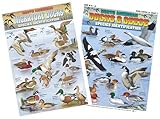
- Easy-to-Use Duck & Geese Identification: Features step-by-step instructions with visual diagrams to quickly identify a new species.
- 100% Waterproof: Built with high-quality, weather-resistant materials to withstand the rigors of outdoor use, ensuring long-lasting reliability.
- Portable & Lightweight: Convenient, travel-friendly size fits in any backpack or equipment bag, allowing you to have it on hand whenever you need to identify duck or geese.
- Perfect Gift for All: Ideal for beginners, seasoned hunters or observers, kids and scouts, and any outdoor enthusiasts looking to bird identification.
Do not treat eclipse plumage as a permanent appearance
Eclipse plumage is a seasonal condition, not a separate kind of duck. Reassess the bird when it returns to breeding plumage, and keep the species identification separate from the temporary appearance.
Outdated Drivers Are Slowing You Down
One free scan finds every outdated or missing driver and matches the right update for your exact hardware.Free scan · exact hardware matchWindows Errors? Fix Them Before They Spread
Repair common Windows errors and clear accumulated junk for a smoother, more stable PC - no reinstall needed.Free scan · no reinstallUse the call as a second independent clue
For Mallards, voice can settle an identification when the plumage is distant or seasonally confusing. The hen gives the loud, familiar quack. The drake makes softer raspy notes or short whistles.
Listen for the pattern, not one isolated sound
A single call can be hard to hear or attribute in a busy wetland. Listen for repeated sounds and watch which bird produces them. A loud quack coming from a mottled-brown Mallard supports a hen identification; softer rasps or brief whistles from a green-headed bird support a drake identification.
Keep the voice clue tied to Mallards
Do not generalize the “loud quack equals female” rule to every duck. Calls vary among species, and a sound heard without a confirmed species can mislead you. Voice is a supporting Mallard clue, not a universal duck-sex test.
What the wings can—and cannot—tell you
The speculum confirms a shared Mallard feature
The purple-blue speculum appears in both Mallard sexes. Seeing it can help you recognize a Mallard, but it cannot separate drakes from hens. Record the patch alongside the body pattern instead of using it as a stand-alone answer.
Quick wins for a faster PC:
Clear out junk files and repair common Windows errorsFree Scan →Fix the driver behind crashes, sound loss and screen glitchesFind Drivers →Wing-feather patterns can help during eclipse
When a male Mallard has not developed bright breeding plumage, the wing feathers may preserve useful distinctions. The U.S. Fish and Wildlife Service’s wing-identification guidance is especially relevant in that situation. You need a clear view of the feathers; a fleeting glimpse or a blurred photograph is not enough for a confident call.
Observe wings without disturbing the bird
Never catch or spread a wild duck to inspect its feathers. Watch birds as they preen, swim, stretch or fly, and use optics or photographs. If the wing pattern is not visible, record the identification as uncertain rather than forcing a sex determination.
Species differences that defeat the Mallard shortcut
Mottled Ducks
Male and female Mottled Ducks have similar plumage, so the Mallard’s green-head-versus-brown-body rule does not transfer cleanly. Bill color is useful for distinguishing the sexes in this species. Because the body pattern is similar, identify the bird as a Mottled Duck first and then evaluate the bill.
Wood Ducks
Wood Ducks show different sex-specific appearance differences from Mallards. Their identification requires the marks used for Wood Ducks rather than the Mallard checklist. This is a practical example of why a field guide should come before a sex call.
Free tools Windows power users keep installed
One-click scans. No signup required.
The general lesson
Species-specific marks may involve plumage, bill color, wing pattern or voice. A reliable observer changes the checklist with the species and does not force every duck into the Mallard template.
Best Value

- Used Book in Good Condition
A step-by-step field workflow
- Establish the species. Examine overall shape, body pattern, bill and wing markings. Compare the bird with a field guide from a wildlife authority if the identification is not obvious.
- Decide whether the bird is an adult in breeding plumage. For Mallards, look for the bright green head and contrasting body pattern. If those features are absent after the breeding period, consider eclipse molt.
- Apply the species’ plumage clues. For a breeding-plumage Mallard, green head, white neck ring, chestnut breast and grayish body indicate a drake; mottled brown plumage indicates a hen.
- Check a second cue. Listen for the Mallard hen’s loud quack or the drake’s softer rasps and short whistles. For other species, use that species’ documented call or field mark instead.
- Inspect the wings only when visible naturally. The purple-blue speculum is shared by Mallard sexes. During eclipse, a clear wing-feather view may provide additional evidence.
- Mark the result with an uncertainty level. Say “likely drake,” “likely hen” or “unresolved” when the species, season or view prevents a firm conclusion.
How to handle ambiguous observations
The duck is brown but the season suggests a male may be present
Do not choose hen solely from brown plumage. Confirm that the bird is a Mallard, consider eclipse molt and seek a wing-feather view or call. If none is available, leave the sex unresolved.
You see a blue-purple wing patch
That patch is shared by both Mallard sexes. Use it as part of species identification, then return to the body pattern, season and voice.
You hear a quack but cannot see the caller
The loud quack supports a Mallard hen only after you have established that the sound belongs to a Mallard. In a mixed flock, wait for a visual match between the call and the bird.
Recommended Free Tools
The head looks green in one photograph
Iridescence changes with viewing angle and light. Check whether the neck ring, chestnut breast and gray body are also present. A single color flash is weaker evidence than the full plumage combination.
Two ducks have nearly identical plumage
Consider a species such as the Mottled Duck, where bill color is more useful than body color. If you cannot identify the species, do not apply Mallard sex rules.
Common mistakes to avoid
- Using the speculum as a sex test: both Mallard sexes have the purple-blue patch.
- Calling every brown duck a hen: a drake in eclipse plumage can be drab.
- Applying Mallard rules to another species: Mottled Ducks and Wood Ducks demonstrate why species comes first.
- Relying on one uncertain cue: combine independent evidence from plumage, season, voice and, when available, wing feathers.
- Ignoring the bird’s age or condition of plumage: the clearest Mallard description applies to adults in breeding plumage.
- Disturbing a wild duck for a better view: observe naturally with distance, optics or photographs.
- Reporting false precision: when the evidence conflicts or is obscured, use a qualified identification rather than an absolute claim.
Choosing a field guide for difficult cases
A useful duck or waterfowl guide should let you identify species before sex and should show seasonal plumage, calls, bills and wings. Resources from the U.S. Fish and Wildlife Service and North Carolina Wildlife are appropriate starting points for Mallards and other ducks. Choose a guide that distinguishes breeding and eclipse plumage rather than presenting one fixed appearance for each sex.
For field notes, record the date, habitat, apparent species, plumage state, visible wing marks and call. This record makes it easier to revisit an uncertain identification when the bird is seen again in a different season.
The Tool Desk
Outbyte PC Repair FREEClear out junk files and repair common Windows errorsFree Scan →Outbyte Driver Updater FREEFix the driver behind crashes, sound loss and screen glitchesFind Drivers →Quick Recap
Final identification checklist
- Species identified before sex is assigned.
- Adult Mallard breeding plumage checked for green head, white neck ring, chestnut breast and gray body.
- Mottled-brown Mallard appearance treated as a hen clue, not an automatic answer in eclipse season.
- Call used as a Mallard-specific supporting clue: loud quack for a hen; softer rasps or short whistles for a drake.
- Purple-blue speculum recognized as shared by both sexes.
- Wing-feather guidance considered when a drake is not in bright breeding plumage.
- Species-specific alternatives, including bill color in Mottled Ducks and different appearance clues in Wood Ducks, considered before concluding.
- Uncertainty stated whenever the view, season or species identification is inadequate.
Product prices and availability are accurate as of the date/time indicated and are subject to change. Any price and availability information displayed on Amazon at the time of purchase will apply.





Leave a Reply